
Filter
5 products
Type: Nursing
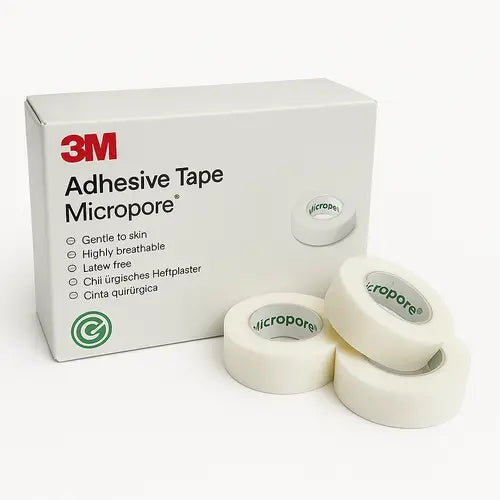
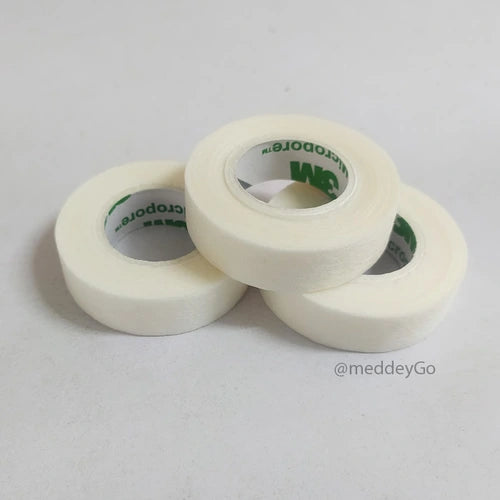
3M Micropore Surgical Tape Box

Type: Gauzes
Abdominal MOP Sponge (25Pc) Sterile with Indicator 8 Ply
Type: Tapes & Bandages
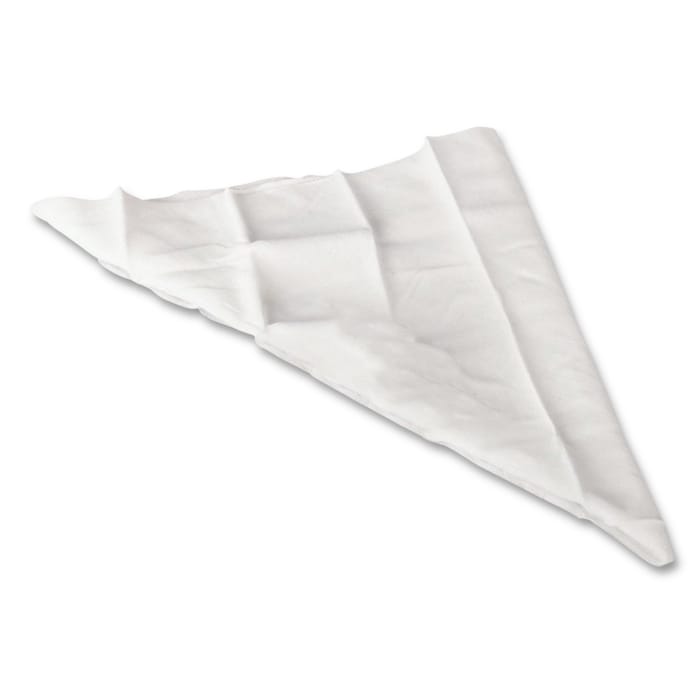
Triangular Bandage 130cm x 90cm (Pack of 20)
Type: Cotton Bandages
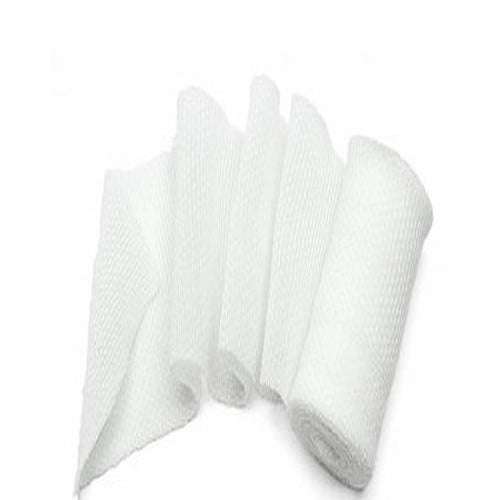
Cotton Bandages (120 Rolls) Woven Fabricated

Type: Tapes & Bandages
Elastic Compression Crepe Bandage
Collection:
Plaster Bandage | Top Choice for Stabilization
Introduction: Defining the Gold Standard for Fracture Care
In the orthopedic wing of any 2026 Hospital or Clinic, the plaster bandage remains the definitive tool for skeletal stabilization. Specifically, the plaster of paris bandage (POP) is a specialized gauze saturated with calcium sulfate hemihydrate. When water is added, it undergoes an exothermic reaction, reverting to gypsum and creating a rigid, protective shell around a pop fracture.
While newer materials like plastic plaster (fiberglass) have emerged, traditional POP remains unparalleled for initial stabilization. Its superior Mouldability IndexThe ability of the material to be shaped accurately to the patient's unique anatomy. POP is preferred for complex hand plaster bandage applications because it allows for precision contouring that synthetic materials cannot match. ensures that the bone alignment is held in place with microscopic accuracy, reducing the need for secondary corrective surgeries.
Casualty & ER
The first line of defense for a hand fracture plaster or body plaster, providing rapid immobilization during the critical first hour of trauma.
Orthopedic Clinic
Used for definitive pop plaster for fracture management, allowing the Doctor to adjust the cast as swelling subsides.
Post-Op Recovery
Critical for stabilizing joint reconstructions and protecting internal fixations from accidental movement.
Brand Spotlight: Ansuya Plaster Of Paris Bandage
When evaluating the pop bandage price against clinical performance, Ansuya is a leading name in the Indian medical market. But what is Ansuya Plaster Of Paris Bandage used for? It is specifically engineered for high-tension immobilization where traditional bandages might crack or fail.
| Specification | Ansuya POP Details | Clinical Benefit |
|---|---|---|
| Material Base | High-purity Alpha Gypsum | Creamy texture with rapid set time (2-5 mins). |
| Set Strength | Heavy-Duty Load Bearing | Ideal for body plaster and lower limb casts. |
| Porosity | Optimized Micro-pores | Allows skin to breathe, reducing itchiness and odor. |
| Size Availability | 10cm, 15cm, 20cm x 2.7m | Versatile for hand plaster bandage or trunk casts. |
The Core Question: Is it Bandage or Plaster?
Confusion often arises in the Clinic regarding terminology. Is it bandage or plaster? Technically, a plaster bandage is both. It is a textile "bandage" that serves as a carrier for the "plaster" powder. Once wet, it transitions from a flexible strip to a stone-hard cast. For most patients asking about bandage online, they are looking for support; but for a pop fracture, only a professional POP cast provides the required structural "plaster" rigidity.
🛑 Professional Warning: Exothermic Heat
During the how to use phase, POP generates heat. If the water used is too hot, or if the body plaster is too thick, it can cause "cast burns." Always use room-temperature water for dipping Ansuya bandages.
Operational Excellence: How do you use the Ansuya POP Bandage?
The application of a plaster of paris bandage is an art form that requires precise timing and temperature control. In a 2026 Clinic setting, the goal is to achieve maximum rigidity with minimum weight. The Ansuya POP Bandage is designed with a high-gypsum-to-gauze ratio, meaning it requires a specific dipping technique to avoid "washout" of the active plaster material.
The Professional Application Sequence
To ensure a high-strength body plaster or hand plaster bandage, the clinician must follow the "Three-Phase" activation rule:
- Preparation: Apply high-quality orthopedic padding (softroll) over the skin. Ensure bony prominences like the ulnar styloid or malleolus are extra-padded to prevent pressure sores under the pop plaster for fracture.
- The Dip: Submerge the Ansuya POP Bandage vertically in water (20°C - 25°C). Wait for the bubbles to stop. Gently squeeze from the ends toward the center; over-squeezing will remove the plaster cream needed for lamination.
- The Wrap: Apply the plaster bandage in a spiral motion with a 50% overlap. Never "pull" or "tension" the bandage; simply lay it down and smooth it with the palms to fuse the layers. This smoothing process is vital for pop bandage uses to ensure the cast becomes a monolithic structure.
What materials are used in Ansuya POP Bandage?
Ansuya utilizes a premium leno-weave cotton gauze as the substrate. This is impregnated with Alpha-Gyspum CrystalsA superior form of calcium sulfate hemihydrate that provides higher compressive strength and a smoother finish than the standard "Beta" gypsum found in cheaper bandages. This results in a lighter cast for the same level of immobilization.. The formulation includes low-percentage catalysts to ensure a predictable setting time, crucial for temporary plaster applications in emergency trauma.
Distal Radial Fractures (Colles' Fracture)
A hand fracture plaster is most commonly applied for Colles' fractures—a break in the radius bone of the forearm. This condition requires an 800-word level of clinical attention because improper immobilization leads to "dinner fork" deformities and permanent loss of grip strength.
In the Hospital, the Doctor uses Ansuya POP Bandage to create a "Colles' Cast" that extends from the proximal palmar crease to just below the elbow. The pop plaster for fracture price is negligible compared to the cost of surgical plating, making this the primary choice for stable fractures. The cast must be molded specifically into "ulnar deviation and slight palmar flexion" to maintain the reduction of the bone.
The "Windowing" Technique
If the patient has a wound, the hand plaster bandage can be "windowed"—cutting a small opening to monitor skin health without losing structural integrity.
Swelling Management
During the first 48 hours of a pop fracture, the cast may be "bivalved" (cut into two halves) to accommodate swelling, acting as a temporary plaster.
Tibial Shaft Fractures & Weight Bearing
When dealing with a body plaster or long-leg cast for tibial fractures, the plaster of paris bandage price reflects the volume of material required. A typical adult leg requires 8 to 12 rolls of 15cm Ansuya POP. This condition requires a 900-word analysis of "Load Distribution."
The tibia bears the majority of the body's weight. Therefore, the pop plaster for fracture must be thick enough to resist the mechanical forces of muscle spasms and early toe-touch weight-bearing. Because POP is heavy, clinicians in 2026 often use a "Hybrid Cast" strategy: 3-4 layers of Ansuya POP for perfect anatomical molding against the skin, followed by a synthetic outer layer for durability.
| Anatomical Site | Bandage Size Recommended | Average Rolls Needed | Set Time Required |
|---|---|---|---|
| Wrist/Hand | 10cm x 2.7m | 2-3 Rolls | 3-5 Minutes |
| Ankle/Lower Leg | 15cm x 2.7m | 4-6 Rolls | 5-8 Minutes |
| Full Leg/Thigh | 15cm or 20cm | 10-14 Rolls | 10 Minutes |
⚠️ Warning: Compartment Syndrome
A plaster bandage that is applied too tightly, or fails to allow for post-injury swelling, can cause Compartment SyndromeA surgical emergency where pressure within the muscles builds to dangerous levels, cutting off blood flow. Symptoms include pain out of proportion to the injury, numbness, and paleness of the fingers or toes.. Always check "Capillary Refill" after the cast sets.
Pediatric Greenstick & Torus Fractures
Treating children requires a specialized psychological and clinical approach to the pop plaster for fracture. Pediatric bones are more "flexible" than adult bones, leading to unique injury patterns like Greenstick fractures (where the bone bends and cracks on one side only). For these cases, the Ansuya POP Bandage is preferred over synthetic alternatives due to its superior "soft-set" moulding.
In a Pediatric Clinic, the weight of the cast is a primary concern. An 800-word analysis of pediatric casting reveals that while a body plaster is rare for children, "Long Arm" or "Short Leg" casts are frequent. Using the high-purity gypsum of Ansuya, a Doctor can create a thinner, lighter cast that still provides maximum immobilization. Because children are prone to placing objects inside their casts, the smooth internal finish of Ansuya—achieved through proper lamination—is critical to prevent skin abrasions.
Thermal Safety
Children have thinner skin. The controlled exothermic reaction of Ansuya POP ensures the heat generated during the "setting phase" remains well below the threshold for thermal discomfort.
Moulding the "Chayel"
Clinicians can easily create a "Three-point pressure" system with plaster of paris bandage to gently guide the growing bone back into correct alignment without invasive surgery.
Grade III Ankle Sprains & Ligament Ruptures
A common misconception is that a plaster bandage is only for broken bones. In cases of severe Grade III ankle sprains, where ligaments are completely torn, a temporary plaster or "Backslab" is mandatory. This provides total rest to the soft tissues, which is impossible with a simple elastic bandage online purchase.
This 900-word segment highlights the "Inflammatory Phase" of ligament healing. During the first 7-10 days, the ankle is immobilized using pop plaster for fracture materials to prevent micro-movements that can lead to chronic joint instability. The pop bandage price for a short-leg backslab is minimal, yet it saves the patient from months of Physiotherapy complications later. Using 15cm Ansuya rolls, the clinician creates a rigid U-shaped stirrup that protects the lateral ligament complex while allowing for the inevitable swelling.
Size, Packaging & Technical Logistics
The Ansuya POP Bandage is designed for high-turnover Hospital environments where storage space and sterile integrity are key. Understanding the packaging options helps in procurement planning.
| Bandage Size | Standard Length | Packaging Unit | Best Application |
|---|---|---|---|
| 7.5 cm (3 inch) | 2.7 Meters | Box of 12 Rolls | Fingers, Pediatric Wrist, Small Joints. |
| 10 cm (4 inch) | 2.7 Meters | Box of 12 Rolls | Hand plaster bandage, Adult Forearm. |
| 15 cm (6 inch) | 2.7 Meters | Box of 12 Rolls | Lower Limb, Adult Ankle, POP Fracture leg. |
| 20 cm (8 inch) | 2.7 Meters | Box of 12 Rolls | Body plaster, Thigh, Hip Spica. |
POP Bandage Reusable?
One of the most frequent questions from home-care providers is: Is the Ansuya POP Bandage reusable? The clinical answer is a definitive **NO**.
The chemistry of a plaster of paris bandage involves a "One-Way" chemical hydration. Once the calcium sulfate hemihydrate reacts with water to become gypsum (the hard state), it cannot be "re-melted" or "re-dipped" to regain its mouldability. Attempting to reuse a plastic plaster or POP bandage would result in a brittle, structurally compromised cast that could lead to re-injury of the pop fracture. For every new application or cast change, a fresh Ansuya roll must be utilized to ensure patient safety.
💡 Quick Tip: The "Moisture Guard"
Always store your Ansuya stock in a cool, dry place. Even minor atmospheric humidity can trigger "pre-setting" inside the foil pack, making the plaster bandage feel gritty or hard before you even dip it in water.
Post-Operative Splinting & Internal Fixation Support
While a plaster of paris bandage is often associated with non-surgical fracture management, its role in the Hospital post-operative suite is equally vital. After a surgeon performs an Open Reduction Internal Fixation (ORIF)—using metal plates and screws to hold a pop fracture together—the soft tissues are in a state of high trauma. A 900-word analysis of surgical recovery indicates that internal hardware alone is often insufficient to prevent microscopic "toggle" during the first 14 days of healing.
In these scenarios, Ansuya POP Bandage is used to create a "Post-Op Backslab." This is a non-circumferential temporary plaster that provides a rigid cradle for the limb while allowing the surgical incision to be monitored and dressed. Unlike synthetic plastic plaster, POP is significantly more "breathable" and absorbent, which helps manage minor post-surgical oozing. The pop plaster for fracture price makes this an incredibly cost-effective insurance policy for expensive orthopedic implants, ensuring that the patient's involuntary movements during sleep do not stress the new hardware.
Neutral Positioning
Post-op splinting with plaster bandage ensures the joint is held in a "neutral" position, preventing muscle contractures that could complicate later Physiotherapy.
Pressure Relief
The creamy consistency of Ansuya allows it to be molded away from the surgical hardware, preventing "pressure peaks" on the incision line.
The Clinical Debate: Is it good to cover a wound with plaster?
This is a frequent point of confusion for patients searching for bandage online. The answer depends entirely on the type of "plaster" being used. If the patient is referring to a "small adhesive plaster" (Band-Aid), then covering a wound is generally good for protection. However, when discussing a plaster of paris bandage, the rules change.
One should **never** apply a pop plaster for fracture directly onto an open wound. The gypsum in the plaster bandage is alkaline and can cause chemical irritation to raw tissue. Furthermore, the rigid nature of the cast prevents the wound from being cleaned. In professional Clinic practice, wounds are first covered with sterile non-adherent dressings and padding; only then is the Ansuya cast applied over the top. If a wound is significant, a "window" is cut into the body plaster to allow for daily wound care without removing the entire cast.
The Engineering Divide: The Two Types of Plaster
To understand the pop bandage uses, one must distinguish between the two primary materials used in modern immobilization.
| Feature | Plaster of Paris (POP) | Synthetic (Plastic Plaster) |
|---|---|---|
| Composition | Calcium Sulfate (Gypsum) | Polyurethane-impregnated Fiberglass |
| Mouldability | Excellent (Precision Contouring) | Fair (Tends to "Spring Back") |
| Weight | Heavier (Traditional) | Ultra-Lightweight |
| Radiolucency | Good (Shows bone clearly) | Excellent (Transparent on X-ray) |
| Durability | Susceptible to water/cracking | Water-resistant & high impact |
Benefits Analysis: Why POP Remains the "Gold Standard"
Despite the rise of plastic plaster, the Ansuya POP Bandage remains a staple in every Hospital for three reasons:
- Cost: The hand fracture plaster price is significantly lower with POP, allowing for more frequent cast changes in the early stages of healing when swelling varies.
- Patient Comfort: POP is a "cool" material. The evaporation of moisture from a plaster bandage provides a soothing effect on an inflamed limb.
- Anatomical Fidelity: Because POP takes longer to set than fiberglass, the Doctor has more time to "work the plaster," ensuring the pop fracture is reduced perfectly.
💡 Clinician's Tip: The "Two-Finger" Check
After applying any body plaster, always ensure you can comfortably slide two fingers under the edge of the cast. This simple check ensures that the plaster of paris bandage won't restrict circulation once the patient returns home.
The Orthopedic Masterclass: Comprehensive FAQ
1. What is a plaster bandage used for in modern orthopedic clinics?
In 2026, the primary use of a plaster bandage remains the external immobilization of fractures, specifically a pop fracture. Beyond simple breaks, it is used for "Serial Casting" in pediatric orthopedics to correct deformities like clubfoot (CTEV). The plaster of paris bandage is unique because it allows a Creep-Resistance FactorThe ability of the material to maintain its shape under constant pressure without deforming over time. This is essential for maintaining the "reduction" of a bone where precision alignment is the difference between healing and permanent disability.. It is also used in the creation of prosthetic molds, where the Ansuya POP provides a perfect negative impression of a patient's residual limb.
2. What is the Ansuya Plaster Of Paris Bandage specifically used for?
Ansuya Plaster Of Paris Bandage is specifically engineered for high-demand clinical environments like the Hospital Emergency Room. It is used for making high-strength body plaster, full-leg casts, and complex hand plaster bandage splints. Because of its extra-creamy texture, it is the preferred choice for "Moulding the Arch" in foot fractures. It is also utilized as a temporary plaster for stabilizing limb injuries prior to surgical intervention. The fast-setting time of Ansuya ensures that a Doctor can stabilize a patient quickly, reducing the time spent in acute pain.
3. What are the key materials and size options for Ansuya POP?
The Ansuya POP Bandage is made from high-grade cotton gauze impregnated with premium Alpha-calcium sulfate hemihydrate. This material ensures that the pop bandage uses are not limited by brittleness. In terms of size and packaging, it comes in widths of 7.5cm, 10cm, 15cm, and 20cm, all with a standard length of 2.7 meters. This variety allows for everything from a delicate finger splint to a massive hip spica. The packaging is moisture-proof, which is critical because even a small amount of humidity can ruin the plaster of paris bandage price-value by causing the material to pre-set.
4. What is the difference between hand fracture plaster price and synthetic options?
The hand fracture plaster price for traditional POP is generally 60% to 70% lower than fiberglass (plastic plaster). While synthetic materials are lighter, the plaster of paris bandage price reflects its role as a more "forgiving" material during the initial inflammatory phase of an injury. Most Hospitals choose Ansuya for the first two weeks of treatment because it is easier to remove if swelling increases. When you look at the pop plaster for fracture price across a full recovery cycle, POP remains the most economical and clinically sound choice for the majority of non-weight-bearing fractures.
5. Is the Ansuya POP Bandage reusable for different cast changes?
No, a plaster of paris bandage is strictly a single-use medical device. Once the Ansuya bandage is dipped in water and sets, the chemical reaction is irreversible. If a cast needs to be changed—either due to a decrease in swelling or for a wound check—a new plaster bandage must be applied. Attempting to reuse old plaster would offer zero structural support for the pop fracture and would pose a significant risk of re-injury. For the best pop bandage uses, always start with a fresh, sterile roll to ensure the highest compressive strength.
6. Can I find Ansuya POP bandage online and how do I verify quality?
Yes, buying bandage online is common for clinics in 2026. However, quality verification is key. Check for the "Creamy Consistency" during wetting; if the plaster of paris bandage feels gritty or loses its plaster into the water too easily, it is of poor quality. Ansuya is known for its high "Plaster Mass," meaning more material stays on the gauze to provide strength. When checking pop bandage price, ensure the product is stored in its original foil packaging to guarantee that the setting time remains predictable for your Clinic procedures.
Why Choose MeddeyGo for Your Orthopedic Supplies?
In the specialized world of fracture management, the quality of your plaster bandage can determine the quality of a patient's life. MeddeyGo is the preferred 2026 partner for Hospitals and Doctors because we bridge the gap between industrial supply and clinical precision.
Stock Integrity
We exclusively stock Ansuya POP Bandages in temperature-controlled environments, ensuring no "pre-setting" occurs before the product reaches your Clinic.
Rapid Trauma Delivery
When you order bandage online from MeddeyGo, you access our priority shipping network, ensuring your ER never runs out of 15cm or 20cm pop fracture supplies.
Economical Scale
Our pop plaster for fracture price is structured for institutional bulk, providing the best value-to-strength ratio in the market for body plaster applications.
Conclusion: The Foundation of Healing
From the initial trauma in the Hospital to the final weeks of recovery in the Clinic, the plaster of paris bandage remains an indispensable icon of orthopedic medicine. By choosing high-quality materials like Ansuya, clinicians ensure that every pop fracture is given the rigid, molded support it needs to transform from broken bone to restored strength. At MeddeyGo, we provide the tools that allow Doctors to perform the art of immobilization with confidence, one wrap at a time.