
Type: Devices
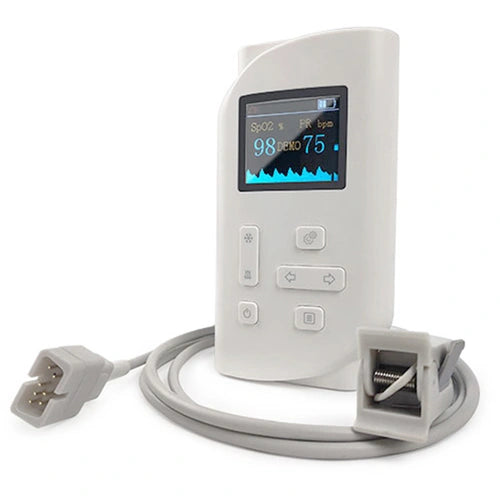
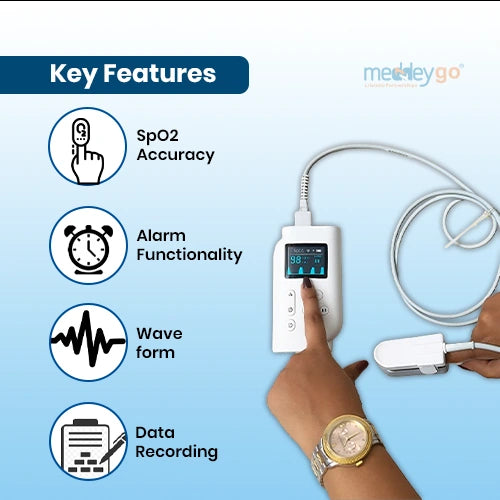
Handheld Pulse Oximeter


Type: Devices
Beurer Pulse Oximeter PO-30


Type: Home Healthcare
Fingertip Pulse Oximeter Contec CMS50D OLED


Type: MeddeyGo
Digital Fingertip Pulse Oximeter
Type: Home Healthcare
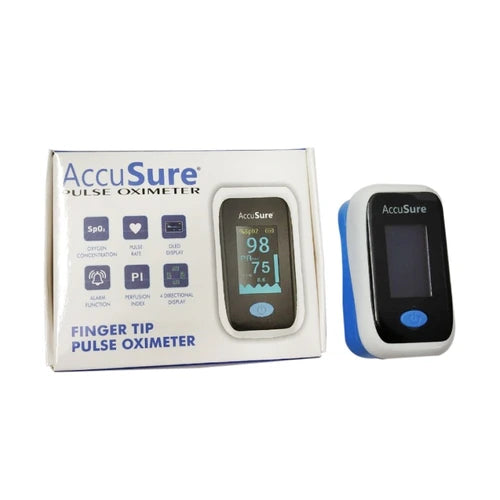
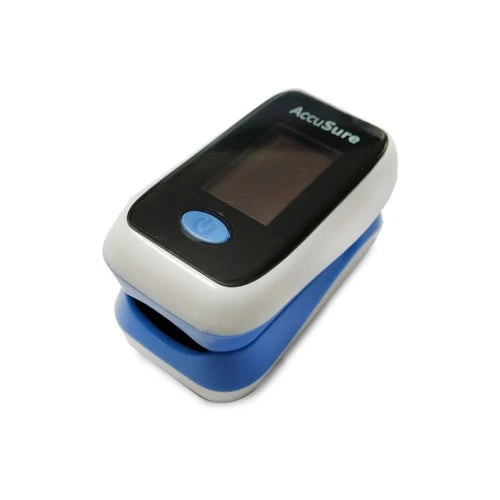
Accusure Fingertip Pulse Oximeter with 1 Year Warranty


Type: MeddeyGo
Handheld Pulse Oximeter Delux with Rechargable Battery
Type: pulse oximeter
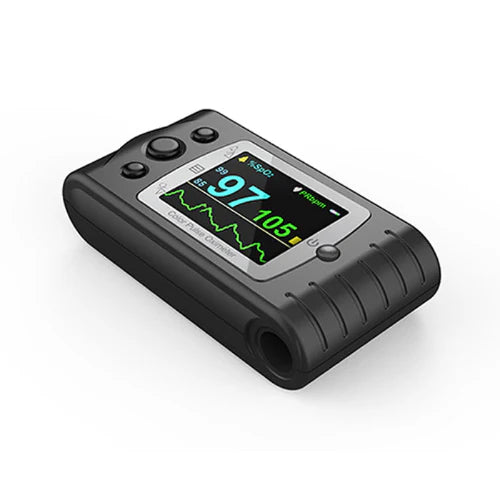
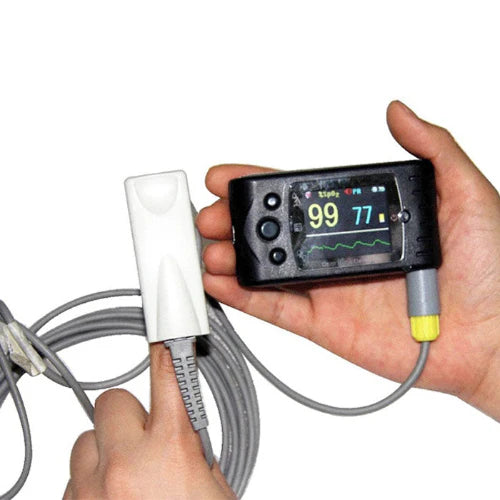
Contec CMS-60C Handheld Pulse Oximeter


Type: Devices
Table Top Pulseoximeter for Neonate Use


Type: Devices
Table Top Pulseoximeter for use in Clinics and Hospitals

Type: Diagnostic Equipment
Neonatal Pulse Oximeter P Ultra
Type: Devices
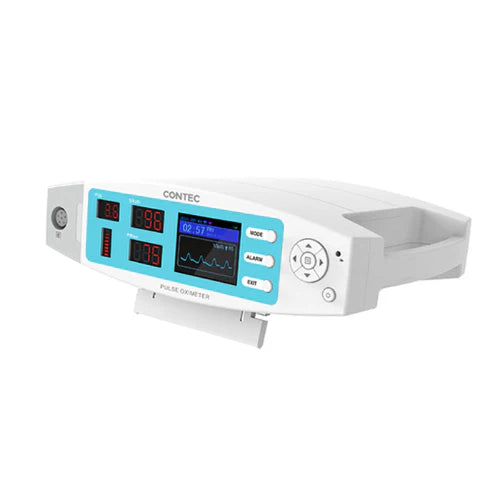
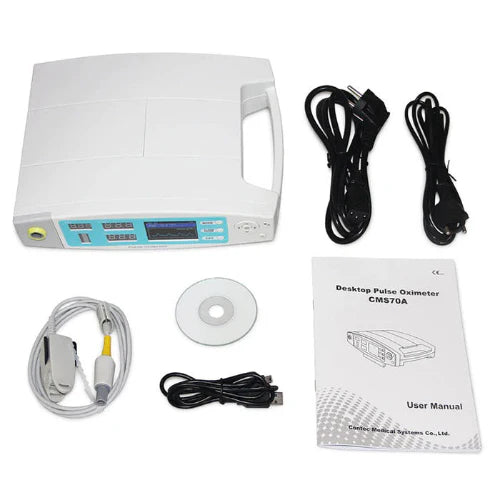
Contec CMS70A Portable Tabletop Pulse Oximeter
Collection:
How to Choose the Right Pulse Oximetry Probe
Pulse oximetry probes are essential components in the measurement of arterial oxygen saturation and pulse rate. They are non-invasive tools that attach to a patient's finger, toe, or earlobe and use light to measure the percentage of oxygenated hemoglobin in the blood. This reading, known as SpO2, is critical for assessing a patient's respiratory function.
How Pulse Oximetry Works
The principle of pulse oximetry is based on the absorption of light by hemoglobin. A pulse oximeter emits two wavelengths of light---red and infrared---through a pulsating vascular bed, typically in the fingertip or earlobe. Oxygenated hemoglobin absorbs more infrared light, while deoxygenated hemoglobin absorbs more red light. The device calculates the ratio of absorbed light to determine the SpO2 value. This non-invasive method provides a quick and effective way to gauge a patient's oxygenation status, which is vital in various medical settings.
Importance of Accurate SpO2 Measurements
Accurate SpO2 measurements are crucial for diagnosing and monitoring respiratory conditions. Inaccurate readings can lead to misdiagnosis and inappropriate treatment, potentially jeopardizing patient safety. Therefore, understanding the factors that affect pulse oximetry accuracy, such as motion, low perfusion, and ambient light interference, is essential for healthcare providers. Proper training and equipment maintenance can mitigate these issues and ensure reliable results.
Technological Advancements in Pulse Oximetry
As technology advances, pulse oximeters have become more sophisticated, offering additional features like Bluetooth connectivity, data storage, and integration with other monitoring systems. These advancements enhance the functionality of pulse oximeters, allowing for continuous monitoring and data analysis. This evolution underscores the importance of staying updated with the latest technologies to provide optimal patient care and improve healthcare outcomes.
Types of Pulse Oximetry Probes
When selecting a pulse oximetry probe, it's essential to understand the different types available and their respective uses.
Clip-On Finger Probes

Clip-on finger probes are the most common type of pulse oximetry probe. They are designed to fit comfortably on a patient's fingertip and are easy to apply and remove. These probes are suitable for adults and children, making them versatile for various clinical settings.
Advantages of Clip-On Finger Probes
One major advantage of clip-on finger probes is their ease of use. They are quick to apply and remove, making them ideal for fast-paced environments like emergency rooms. Additionally, their design minimizes discomfort, which is particularly important for long-term monitoring. The versatility of these probes also extends to their compatibility with a wide range of pulse oximeters, enhancing their utility in diverse healthcare settings.
Limitations and Considerations
Despite their benefits, clip-on finger probes may not be suitable for all patients. Individuals with finger injuries, severe peripheral vascular disease, or nail polish may require alternative probe types for accurate readings. Furthermore, ensuring the proper fit is essential to prevent inaccurate measurements due to motion artifacts or improper alignment.
Wrap Probes
Wrap probes are flexible and can be secured around a patient's finger or toe with a Velcro-like fastening. They are ideal for patients with small or delicate fingers, such as infants or individuals with compromised circulation.
Design and Applications of Wrap Probes
The design of wrap probes allows them to accommodate various digit sizes, making them particularly useful in neonatal and pediatric care. They provide a secure fit, reducing the risk of dislodgement, which is crucial for active patients. Moreover, the soft materials used in wrap probes enhance patient comfort, making them suitable for prolonged use.
Benefits for Specialized Patient Groups
Wrap probes are especially beneficial for patients with fragile skin or poor peripheral circulation. Their gentle fastening mechanism minimizes pressure on the skin, reducing the risk of pressure sores or irritation. This makes them an excellent choice for patients in critical care or those with chronic conditions requiring continuous monitoring.
Ear Probes
Ear probes attach to the earlobe and are an alternative for patients with finger injuries or poor peripheral circulation. They are beneficial in situations where finger probes may not provide accurate readings.
Unique Features of Ear Probes
Ear probes offer several unique advantages, including their ability to provide stable readings even in patients with poor peripheral perfusion. The earlobe is less susceptible to vasoconstriction, making it a reliable site for monitoring SpO2 in certain conditions. Additionally, ear probes are less affected by patient movement, which can improve measurement accuracy.
Considerations for Use
While ear probes are advantageous in many scenarios, they may not be suitable for all patients. Proper placement is crucial to avoid inaccurate readings, and the probe must be adjusted for comfort and stability. Ear probes may also require specific calibration settings on the pulse oximeter, so ensuring compatibility with existing equipment is essential.
Factors to Consider When Choosing a Pulse Oximetry Probe
Compatibility
Ensure that the pulse oximetry probe is compatible with the existing pulse oximeter device in your healthcare facility. Compatibility issues can lead to inaccurate readings or device malfunctions.
Importance of Device Compatibility
Device compatibility is a critical factor when selecting a pulse oximetry probe. Incompatible probes may not function correctly with the pulse oximeter, leading to erroneous readings or equipment failure. Ensuring that the probe and pulse oximeter are from the same manufacturer or are certified compatible can prevent these issues and enhance device reliability.
Integration with Healthcare Systems
In addition to device compatibility, consider how the probe integrates with existing healthcare systems. Probes that work seamlessly with electronic health records (EHR) and other monitoring devices can streamline data collection and improve workflow efficiency. This integration facilitates comprehensive patient monitoring and aids in timely clinical decision-making.
Patient Comfort and Size
Consider the comfort and size of the probe. Probes should fit securely without causing discomfort. For pediatric or neonatal patients, smaller probes are necessary to accommodate their small digits.
Ensuring Patient Comfort
Patient comfort is paramount when selecting a pulse oximetry probe. Discomfort can lead to patient non-compliance, resulting in inaccurate readings. Therefore, choosing probes made from soft, hypoallergenic materials can enhance comfort, especially for patients requiring long-term monitoring. Additionally, adjustable probes that fit snugly without constricting circulation are essential for accurate measurements.
Size Considerations for Different Patient Populations
Different patient populations require probes of varying sizes. Pediatric and neonatal patients need smaller probes to fit their small digits, while adult patients may require standard-sized probes. Selecting the appropriate size ensures a secure fit, reducing the likelihood of inaccurate readings due to probe displacement or poor alignment.
Accuracy and Reliability
The accuracy and reliability of the pulse oximetry probe are paramount. Look for probes that have been clinically validated and approved by relevant health authorities.
Evaluating Probe Accuracy
Evaluating the accuracy of a pulse oximetry probe involves reviewing clinical validation studies and certifications from health authorities. Probes that have undergone rigorous testing and received approvals from organizations like the FDA or CE mark demonstrate a commitment to quality and safety. These certifications provide assurance that the probe can deliver reliable SpO2 readings across various patient conditions.
Factors Influencing Reliability
Several factors influence the reliability of pulse oximetry probes, including sensor quality, calibration, and environmental conditions. High-quality sensors are less prone to errors caused by motion artifacts or ambient light interference. Regular calibration and maintenance of both the probe and pulse oximeter are essential to maintain accuracy and ensure consistent performance.
Durability and Cost
Durability is a significant factor, especially in high-usage environments like hospitals. While cost is always a consideration, investing in durable and high-quality probes can reduce long-term replacement expenses.
Balancing Cost and Quality
Balancing cost and quality when selecting a pulse oximetry probe is crucial for healthcare facilities. While lower-cost probes may seem appealing, they often lack the durability and accuracy of higher-quality options. Investing in durable probes with proven performance can result in long-term cost savings by reducing the frequency of replacements and minimizing device-related errors.
Assessing Probe Durability
Assessing the durability of a pulse oximetry probe involves considering the materials used in its construction and its resistance to wear and tear. Probes designed for high-use environments should be constructed from robust materials that withstand frequent cleaning and handling. Durability also extends to the probe's ability to maintain performance over time, making it a worthwhile investment for healthcare providers.
How to Use a Pulse Oximeter Probe
Using a pulse oximeter probe correctly is vital for obtaining accurate readings.
- Placement: Ensure the probe is placed on a clean and dry site, such as the fingertip or earlobe. The site should be free of nail polish, dirt, or other obstructions that can interfere with light transmission.
- Attachment: Secure the probe snugly without constricting blood flow. For clip-on probes, ensure the alignment of the light source and sensor. For wrap probes, adjust the wrap to fit comfortably.
- Monitoring: Once the probe is attached, allow a few seconds for the pulse oximeter to stabilize and display the SpO2 reading. Monitor the reading for consistency and check for any error messages on the device.
Ensuring Proper Probe Placement
Proper placement of the pulse oximeter probe is critical for obtaining accurate readings. The probe should be positioned on a site that is clean and free of obstructions, as contaminants can affect light transmission. Additionally, ensuring that the probe is aligned correctly with the light source and sensor will minimize errors and improve measurement accuracy.
Securing the Probe for Accurate Readings
Securing the probe snugly is essential for obtaining consistent readings. The probe should fit comfortably without constricting circulation, as this can affect SpO2 measurements. For clip-on probes, proper alignment is crucial, while wrap probes should be adjusted to provide a secure yet comfortable fit. Ensuring that the probe remains in place during monitoring reduces the risk of motion artifacts.
Monitoring and Interpreting SpO2 Readings
Once the probe is attached, the pulse oximeter will take a few seconds to stabilize and display the SpO2 reading. It's important to monitor the reading for consistency and be aware of any error messages that may indicate issues with probe placement or device function. Understanding how to interpret SpO2 readings in the context of the patient's clinical condition is essential for effective patient management.
Best Practices for Pulse Oximetry Probe Use
- Regular Calibration: Ensure that pulse oximeters are regularly calibrated according to the manufacturer's specifications to maintain accuracy.
- Routine Maintenance: Clean and disinfect probes regularly to prevent cross-contamination between patients.
- Training: Provide staff with training on the correct use and maintenance of pulse oximetry probes to ensure optimal performance and patient safety.
Importance of Regular Calibration
Regular calibration of pulse oximeters is vital to maintaining their accuracy. Calibration ensures that the device provides reliable SpO2 readings, which are critical for patient assessment and treatment. Healthcare facilities should establish a routine calibration schedule based on the manufacturer's recommendations and document each calibration to maintain a record of device performance.
Maintaining Hygiene and Preventing Cross-Contamination
Routine maintenance of pulse oximetry probes includes cleaning and disinfecting them regularly to prevent cross-contamination. Proper hygiene practices are essential, especially in environments with high patient turnover, such as hospitals. Using appropriate cleaning agents that are compatible with the probe materials will prevent damage and extend the probe's lifespan.
Staff Training for Optimal Use
Providing staff with comprehensive training on the correct use and maintenance of pulse oximetry probes is essential for ensuring optimal performance and patient safety. Training should cover proper probe placement, securing techniques, and troubleshooting common issues. Ongoing education and competency assessments will help staff stay current with best practices and technology updates.
Real-World Applications and Insights
In a hospital setting, pulse oximetry is indispensable for monitoring patients in critical care, during surgery, or in emergency situations. Choosing the right probe enhances patient monitoring capabilities and improves patient outcomes.
Role in Critical Care and Surgery
In critical care and surgical settings, continuous monitoring of SpO2 is crucial for detecting changes in a patient's respiratory status. Pulse oximetry provides real-time data, allowing healthcare providers to respond promptly to any deviations from normal ranges. The right probe ensures accurate readings, which are essential for making informed clinical decisions and optimizing patient care.
Market Opportunities for Medical Equipment Distributors
For medical equipment distributors, understanding market demands and differentiating products is crucial. Offering a range of pulse oximetry probes that cater to various patient needs can enhance market share and customer satisfaction. Distributors who provide innovative and reliable products are well-positioned to meet the evolving needs of healthcare providers and gain a competitive edge.
Consulting and Integration for Healthcare Technology
Healthcare technology consultants can leverage their knowledge of pulse oximetry to advise clients on integrating the latest technology into their healthcare systems, ensuring cutting-edge patient care. Consultants play a key role in guiding healthcare facilities through the selection process, helping them choose probes that align with their clinical requirements and budget constraints. By staying informed about technological advancements, consultants can provide valuable insights and support to healthcare providers.
Conclusion
Selecting the appropriate pulse oximetry probe involves understanding the types available, their specific applications, and the key factors that influence performance and patient comfort. By considering compatibility, accuracy, and durability, healthcare professionals can make informed decisions that enhance patient care and operational efficiency.
As the healthcare landscape continues to evolve, staying informed about technological advancements and best practices in pulse oximetry will be essential for meeting the ever-changing needs of patients and healthcare providers alike. Whether you are a hospital administrator, a medical equipment distributor, or a healthcare technology consultant, the right pulse oximetry probe can make a significant difference in patient monitoring and care delivery.
Remember, the right choice in pulse oximetry probes not only reflects an investment in technology but also in the quality and safety of patient care. By prioritizing accuracy, compatibility, and patient comfort, healthcare facilities can optimize their use of pulse oximetry and improve patient outcomes.
Frequently Asked Questions
Question: How do I choose between clip-on finger, wrap, and ear pulse oximetry probes?
Short answer: Match the probe to the patient’s anatomy and perfusion. Clip-on finger probes are the general-purpose choice for most adults and many children due to ease of use and comfort. Wrap probes excel for small digits (neonates/pediatrics), fragile skin, or when you need a secure fit to reduce dislodgement. Ear probes are useful when fingers aren’t viable—such as with injuries, nail polish, severe peripheral vasoconstriction, or low perfusion—because the earlobe often provides more stable readings and is less affected by movement and vasoconstriction.
Question: What factors most commonly cause inaccurate SpO2 readings, and how can I prevent them?
Short answer: Motion, low perfusion, and ambient light are the main culprits. Mitigate them by using the right probe type and size, placing it on a clean, dry site free of nail polish or debris, aligning the light source and sensor correctly, and securing the probe snugly without constricting circulation. Allow the device a few seconds to stabilize, watch for consistent values and error messages, and maintain equipment through regular calibration, cleaning, and staff training. Choosing clinically validated, high-quality probes also improves reliability.
Question: How do I ensure a probe is compatible with my pulse oximeter and healthcare systems?
Short answer: Verify that the probe is from the same manufacturer as your oximeter or explicitly certified as compatible. Some probes—such as ear probes—may require specific device settings, so confirm your oximeter supports them. For workflow efficiency, consider whether the overall monitoring setup integrates with your EHR and other systems; probes and devices that support seamless data sharing can streamline documentation and decision-making.
Question: What should I consider for patient comfort and sizing, especially for pediatric or fragile patients?
Short answer: Choose a probe size that matches the patient’s digit or earlobe to ensure a secure, aligned fit without pressure. For neonates and pediatrics, smaller or wrap-style probes accommodate small digits and reduce the risk of displacement. Opt for soft, hypoallergenic materials and gentle fastening (e.g., wraps) for patients with fragile skin or compromised circulation to minimize irritation and pressure while maintaining accuracy.
Question: What are best practices for using and maintaining probes to balance accuracy, durability, and cost?
Short answer: Follow correct use steps: select an appropriate site, ensure it’s clean and dry, attach the probe with proper alignment and a snug (not constrictive) fit, then allow the reading to stabilize and monitor for consistency. Maintain devices with regular calibration per the manufacturer, and clean/disinfect probes routinely to prevent cross-contamination and extend lifespan. While upfront costs vary, investing in durable, clinically validated probes typically yields better long-term value by reducing replacements and minimizing errors.