
Filter
36 products
Type: Tapes & Bands
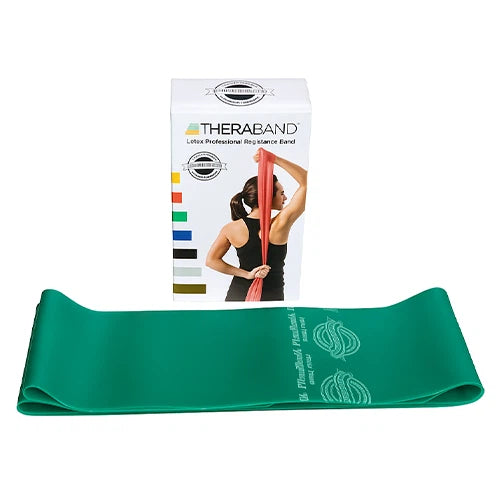
Original Theraband Resistive Band Latex free - Green - 1.5m from Theraband USA
Type: MeddeyGo
Original Theraband Resistive Band Latex free - Red - 1.5m from Theraband USA
Type: MeddeyGo
Original Theraband Resistive Band Latex free - Blue - 1.5m from Theraband USA
Type: Tapes & Bands
Original Theraband Resistive Band Latex free - Yellow - 1.5m from Theraband USA
Type: Tapes & Bands
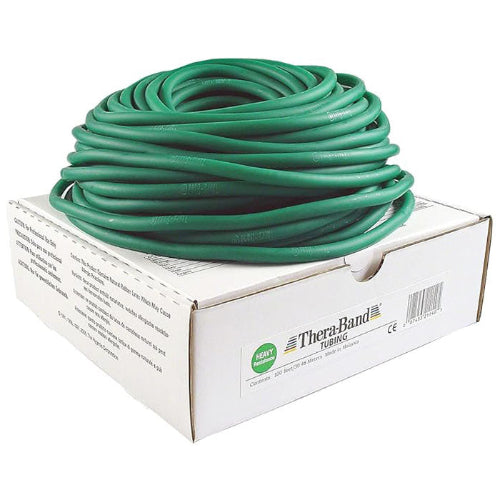
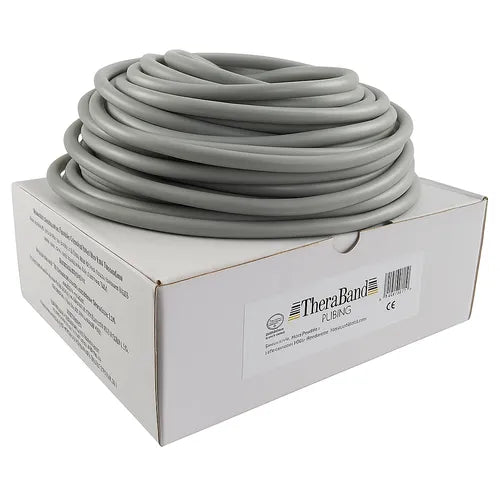
Original Theraband Green Tubing Set Roll
Type: Tapes & Bands
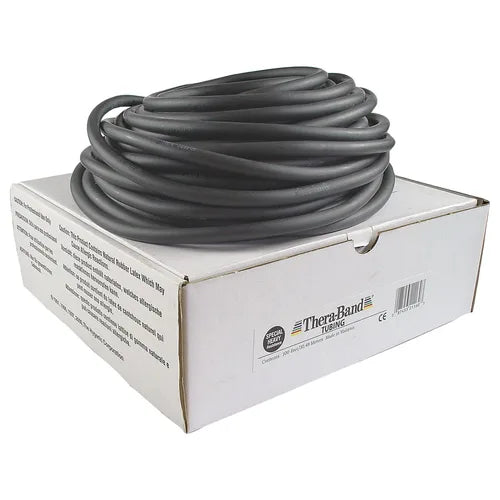
Original Theraband Black Tubing Set Roll
Type: Tapes & Bands
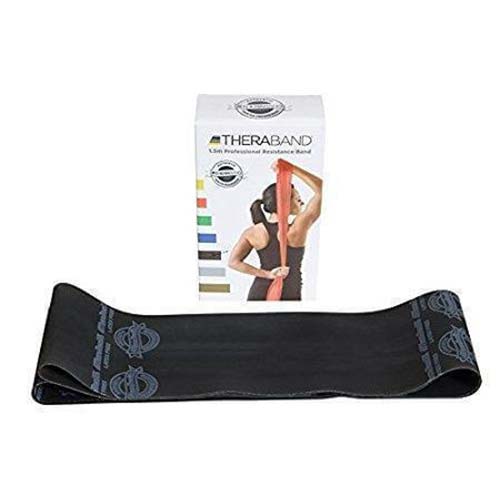
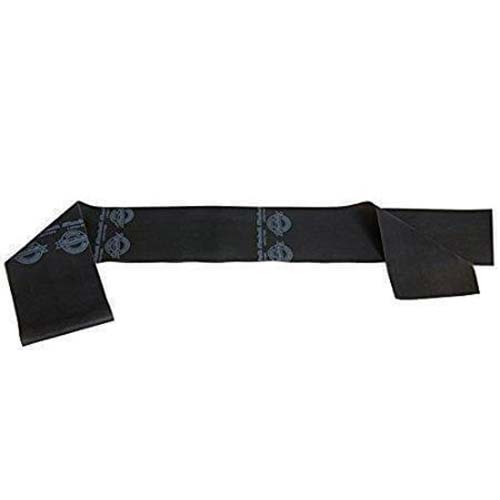
Original Theraband Resistive Band Latex free - Black - 1.5m from Theraband USA
Type: Tapes & Bands
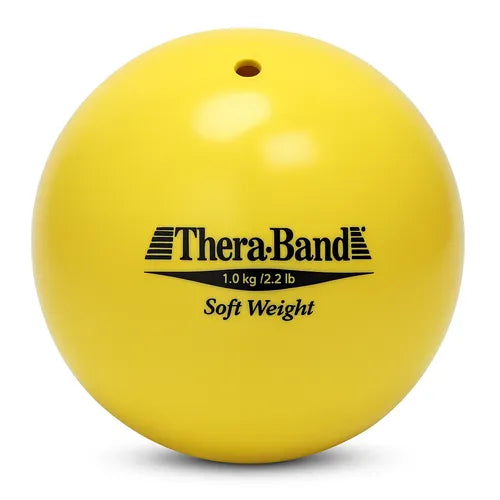
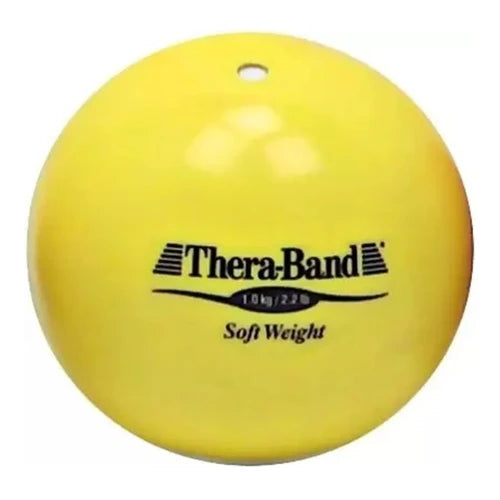
Original Theraband Soft Weight Medicine Ball 1 Kg Yellow
Type: Tapes & Bands
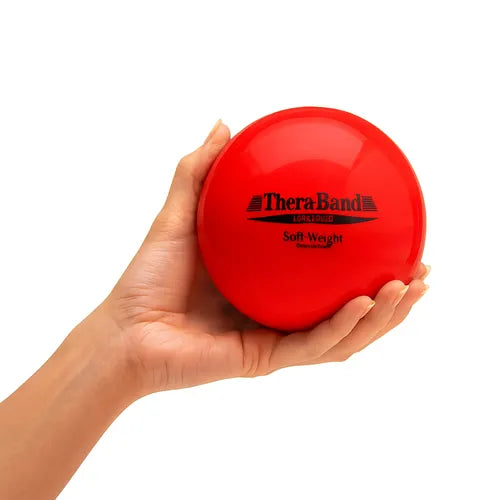
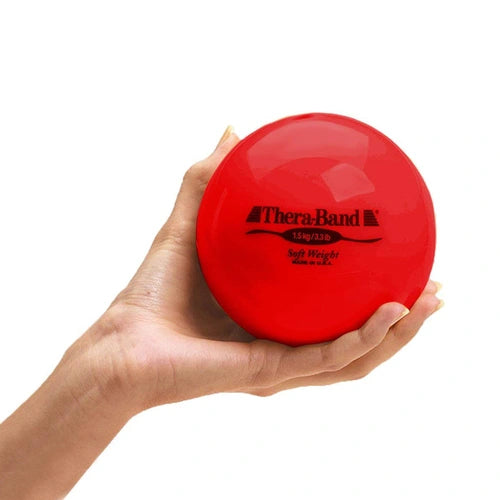
Original Theraband Soft Weight Medicine Ball 1.5 Kg Red
Type: Tapes & Bands
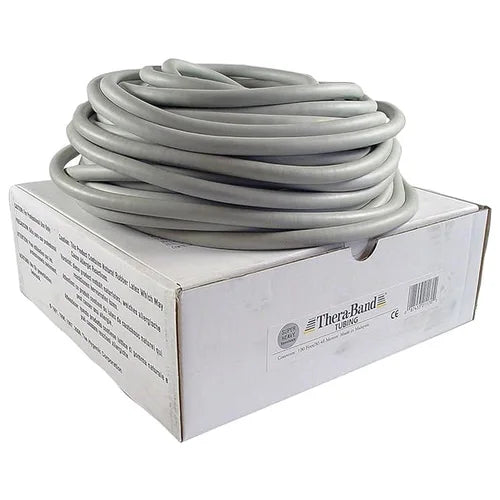
Original Theraband Silver Super Heavy Tubing Set Roll
Type: Tapes & Bands
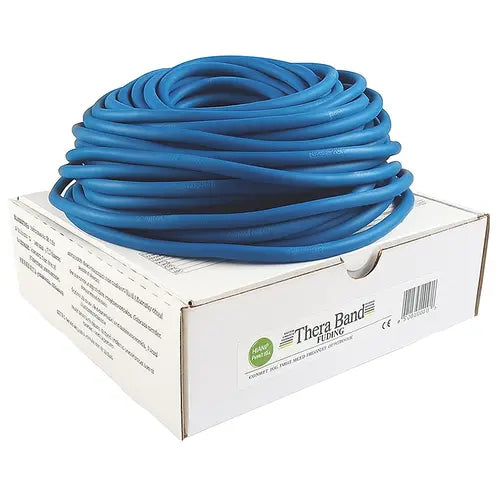
Original Theraband Blue Tubing Set Roll
Type: Tapes & Bands
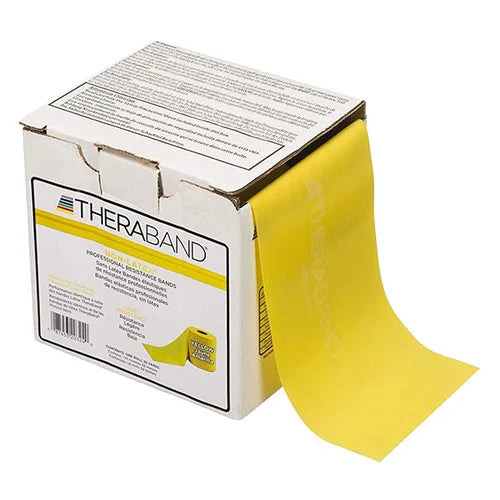
Original Theraband Resistive Band Latex Free Yellow 25 Roll Yds TPE
Type: Tapes & Bands
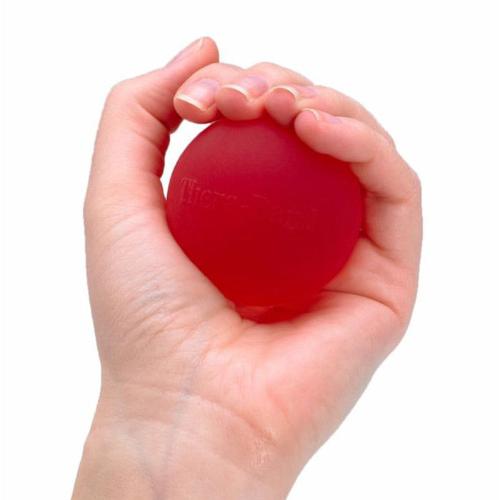
Original Theraband Hand Exerciser Red
Type: Tapes & Bands
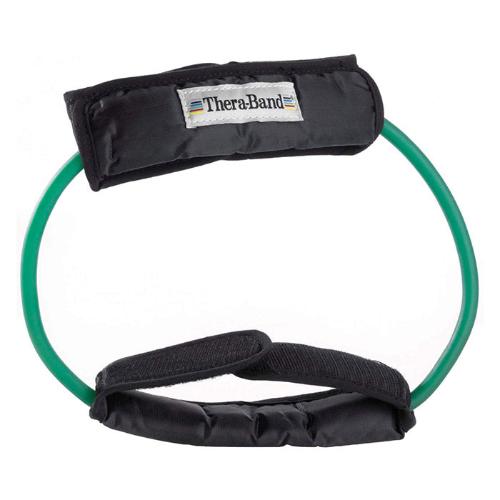
Original Theraband Green Tubing Loop with Padded Cuff
Type: Tapes & Bands
Original TheraBand Foam Roller Half Round 36 Inch
Collection:
Resistive Band | Ideal for Rehab & Training
What is a Resistive Band?
A resistive band (also known as a resistance band) is a clinically recognized elastic training device designed to provide progressive resistance during movement. Unlike conventional free weights that depend on gravitational load, resistive bands generate elastic tension that increases as the band is stretched.
This unique resistance mechanism allows controlled muscle activation across the full range of motion, making it highly suitable for:
- Musculoskeletal rehabilitation protocols
- Post-operative recovery programs
- Neuromuscular re-education
- Functional strength training
Biomechanics of Resistive Bands
Resistive bands operate on the principle of elastic resistance, where force increases proportionally with elongation. This results in a progressive loading pattern that differs significantly from traditional weight-based systems.
- Ascending resistance curve (higher resistance at end range)
- Improved eccentric and concentric muscle control
- Enhanced time under tension (TUT)
- Greater activation of stabilizing muscle groups
Types of Resistive Bands (Clinical Classification)
1. Flat Therapy Bands
Flat, non-looped elastic bands widely used in physiotherapy settings. These are ideal for controlled movements and early rehabilitation stages.
2. Loop Bands
Closed-loop bands commonly used for lower limb activation, especially targeting gluteal and hip stabilizing muscles.
3. Tube Bands with Handles
Cylindrical elastic tubes equipped with handles, suitable for functional strength training and simulating gym-based cable exercises.
4. Mini Bands
Smaller loop bands used for activation drills, corrective exercises, and neuromuscular control training.
5. Resistance Tubes (Therapy Grade)
Used in progressive rehabilitation programs where graded resistance is required for structured recovery.
Resistance Levels (Color Coding System)
| Color | Resistance Level | Clinical Application |
|---|---|---|
| Yellow | Very Light | Post-operative rehab, geriatric patients |
| Red | Light | Initial strengthening and mobility work |
| Green | Medium | Standard physiotherapy progression |
| Blue | Heavy | Advanced strengthening |
| Black | Extra Heavy | Athletic conditioning and high resistance training |
Specifications (Clinical Standard Overview)
| Parameter | Details |
|---|---|
| Material | Natural Latex / Synthetic Rubber |
| Resistance Type | Elastic Progressive Resistance |
| Length | Variable (Flat: ~1–2 meters, Loop/Tubes vary) |
| Thickness | Determines resistance intensity |
| Applications | Rehabilitation, fitness, mobility, strengthening |
| Portability | Highly portable and lightweight |
Resistance Bands vs Free Weights (Clinical Comparison)
| Feature | Resistance Bands | Free Weights |
|---|---|---|
| Resistance Curve | Variable (progressive) | Constant (gravity-based) |
| Joint Stress | Low | Moderate to High |
| Rehabilitation Use | Highly suitable | Limited in early stages |
| Stabilization Demand | High | Moderate |
| Portability | Excellent | Limited |
Clinical Applications
- Orthopedic Rehabilitation: Ligament injuries, fractures, post-surgical recovery
- Neurological Rehabilitation: Stroke recovery, coordination training
- Geriatric Care: Muscle preservation, fall prevention
- Sports Rehabilitation: Functional strengthening and return-to-play conditioning
Key Benefits of Resistive Bands
- Low joint stress with effective resistance
- Full range muscle activation
- Improved functional strength
- Versatile usage across positions (sitting, standing, lying)
- Highly portable and cost-effective
Safety Warnings
- Do not use worn or damaged bands
- Avoid overstretching beyond safe limits
- Screen for latex allergies before use
- Ensure proper anchoring during exercises
Clinical Effectiveness of Resistive Bands
Resistive bands are not merely fitness tools; they are clinically validated instruments used in structured rehabilitation, neuromuscular re-education, and progressive strength development. Their effectiveness lies in their ability to deliver graded, controlled resistance while minimizing joint loading and mechanical stress.
Unlike free weights, which provide constant gravitational resistance, resistive bands create a progressive resistance curve. This means that as the band elongates, the tension increases, requiring greater muscular effort toward the end range of motion. This property is particularly beneficial in clinical rehabilitation, where strengthening at terminal ranges is essential for restoring full functional capacity.
From a physiological standpoint, resistance bands contribute to:
- Improved motor unit recruitment
- Enhanced proprioceptive feedback
- Better neuromuscular coordination
- Controlled eccentric muscle activation
Are Resistance Bands Really Effective?
The effectiveness of resistance bands has been widely supported in clinical and sports rehabilitation settings. When used with proper technique and progression, they can produce comparable improvements in muscle strength, endurance, and functional mobility to traditional resistance training methods.
The primary reasons for their effectiveness include:
- Continuous tension: Unlike weights, bands maintain resistance throughout the movement cycle.
- Multiplanar training: Exercises can be performed in multiple directions, enhancing functional strength.
- Joint protection: Reduced compressive forces make them ideal for injured or sensitive joints.
- Adaptability: Suitable for all populations—from post-operative patients to athletes.
In rehabilitation, effectiveness is not just about strength gain, but also about restoring movement quality, and resistance bands excel in this domain.
Is a 7 KG Resistance Band Good?
A 7 kg resistance band typically falls within the moderate resistance category and is commonly used in intermediate rehabilitation and general conditioning programs.
However, the appropriateness of this resistance depends on several clinical factors:
- Patient strength level: Beginners or post-surgical patients may require lower resistance.
- Target muscle group: Larger muscle groups tolerate higher resistance than smaller stabilizers.
- Exercise type: Compound movements may require more resistance than isolated exercises.
- Rehabilitation stage: Early stages demand low resistance, progressing gradually.
Using excessive resistance prematurely can lead to compensatory movements and increase injury risk.
What Are Resistance Bands Used For?
Resistance bands are versatile tools used across multiple clinical and functional domains. Their applications extend beyond basic strengthening and include:
- Post-surgical rehabilitation: Gradual reintroduction of load after procedures such as ACL reconstruction or rotator cuff repair.
- Injury prevention: Strengthening stabilizing muscles to reduce injury risk.
- Posture correction: Activation of scapular and core stabilizers.
- Flexibility training: Assisted stretching and mobility exercises.
- Functional movement training: Simulating real-life movement patterns.
Their adaptability allows use in hospitals, physiotherapy clinics, gyms, and home environments.
Are Resistance Bands Good for Arthritis?
Resistance bands are highly beneficial for individuals with arthritis due to their low-impact and controlled resistance properties. Unlike traditional weight training, which may increase joint compression, resistance bands allow smooth and controlled motion.
Clinical benefits for arthritis patients include:
- Improved joint mobility and lubrication
- Strengthening of surrounding musculature
- Reduction in stiffness and pain
- Enhanced functional independence
Exercises should always be performed within a pain-free range and under supervision when required.
How to Use a Resistive Band (Clinical Method)
Proper usage of resistive bands is critical to ensure effectiveness and prevent injury. The following structured approach is recommended:
- Assessment: Evaluate patient strength, mobility, and clinical condition.
- Band Selection: Choose appropriate resistance level and type.
- Positioning: Ensure correct posture and alignment before initiating movement.
- Tension Setup: Band should be slightly taut at the starting position.
- Execution: Perform slow, controlled movements emphasizing both concentric and eccentric phases.
- Breathing: Avoid breath holding; maintain normal breathing patterns.
Advanced Resistance Band Training Protocols
Circuit-Based Rehabilitation
This method focuses on improving endurance and functional capacity by targeting multiple muscle groups sequentially.
- 8–15 repetitions per exercise
- 1 set per exercise per circuit
- 5–8 circuits depending on tolerance
- Rest: 1–2 minutes between circuits
Sequential Strength Training
This method emphasizes muscle hypertrophy and strength development.
- 3–5 sets per exercise
- 8–15 repetitions per set
- Rest: 15–60 seconds between sets
Detailed Exercise Analysis (Clinical Perspective)
Resistance Band Squats
This exercise targets the quadriceps, gluteal muscles, and hamstrings. The addition of resistance bands increases hip activation, improving lower limb biomechanics and gait patterns.
Seated Row
Engages the posterior chain, including rhomboids and latissimus dorsi, promoting improved posture and spinal alignment.
Chest Press
Strengthens anterior upper body muscles and enhances pushing mechanics required in daily activities.
Lying Skull Crushers
Isolates the triceps, improving elbow extension strength essential for functional tasks.
Biceps Curl
Improves upper limb strength and grip stability, beneficial in both rehabilitation and functional tasks.
Bicycle Crunch
Activates core musculature and enhances trunk stability and coordination.
Overhead Press
Develops shoulder stability and strength, essential for overhead activities and posture maintenance.
Buying Guide: Clinical Selection Criteria
Selecting the appropriate resistive band requires careful consideration of clinical and functional requirements:
- Resistance Level: Match with patient capability and rehabilitation stage
- Material: Latex vs non-latex for allergy considerations
- Band Type: Flat, loop, or tube depending on application
- Durability: Essential for repeated clinical use
- Width & Thickness: Affects comfort and resistance intensity
Variants Table
| Type | Application | Clinical Use |
|---|---|---|
| Flat Bands | Rehabilitation | Early-stage recovery |
| Loop Bands | Lower body training | Functional strengthening |
| Tube Bands | Strength training | Advanced rehab |
| Mini Bands | Activation | Neuromuscular training |
Safety Guidelines
- Inspect bands regularly for wear and tear
- Do not overstretch beyond recommended limits
- Ensure secure anchoring
- Use proper technique and posture
Clinical FAQs – Advanced Understanding of Resistive Bands
Is a Resistance Band Really Effective?
Yes, resistance bands are clinically proven to be effective when used correctly. Their ability to provide variable resistance makes them unique compared to traditional weights. As the band stretches, the resistance increases, ensuring that muscles are engaged throughout the entire range of motion.
In physiotherapy and rehabilitation, effectiveness is not just about building strength but also about:
- Restoring joint mobility
- Improving neuromuscular coordination
- Enhancing balance and stability
- Preventing reinjury
Studies and clinical practices have shown that resistance bands can produce results comparable to free weights, especially when progression and proper technique are maintained.
Are Resistance Bands Good for Arthritis?
Resistance bands are highly recommended for arthritis patients due to their low-impact nature. They allow gradual strengthening without placing excessive stress on the joints.
For arthritis management, bands help:
- Reduce joint stiffness
- Improve circulation
- Maintain joint range of motion
- Strengthen supporting muscles
Exercises should always be performed within a pain-free range, and resistance should be increased gradually. Overloading joints can worsen symptoms, so professional supervision is often advised.
What Are Resistance Bands Used For?
Resistance bands are used across a wide spectrum of clinical and fitness applications. In hospital and physiotherapy settings, they are essential tools for:
- Post-operative rehabilitation (ACL, shoulder, spine surgeries)
- Muscle strengthening programs
- Posture correction and spinal alignment
- Balance and fall prevention training
- Functional movement retraining
Their portability and adaptability make them ideal for both in-clinic and home-based rehabilitation programs.
Is a 7 KG Resistance Band Good?
A 7 kg resistance band is suitable for intermediate users and mid-stage rehabilitation programs. It provides sufficient resistance for muscle strengthening while still allowing controlled movement.
However, the correct resistance depends on:
- Patient condition and diagnosis
- Target muscle group
- Exercise complexity
- Recovery stage
In clinical practice, resistance should always be individualized rather than standardized.
Are Resistance Bands Safe for Clinical Use?
Yes, resistance bands are considered safe when used properly. They are widely used in hospitals, physiotherapy clinics, and rehabilitation centers due to their controlled resistance and low injury risk.
Safety depends on:
- Proper band selection
- Correct technique
- Regular inspection for wear and tear
- Supervised usage in clinical cases
Resistance Bands vs Free Weights (Clinical Comparison)
| Parameter | Resistance Bands | Free Weights |
|---|---|---|
| Resistance Type | Variable (increases with stretch) | Constant (gravity-based) |
| Joint Stress | Low | Moderate to High |
| Portability | Highly portable | Bulky |
| Clinical Use | Excellent for rehab | Limited in early rehab |
| Injury Risk | Low | Higher if misused |
| Range of Motion | Improved flexibility | Fixed movement patterns |
Common Mistakes and Corrections
1. Using Excessive Resistance
Choosing a band that is too strong can lead to improper form and increased injury risk.
Correction: Start with low resistance and gradually progress.
2. Poor Posture
Incorrect posture reduces exercise effectiveness and may strain joints.
Correction: Maintain neutral spine and controlled movements.
3. Fast, Uncontrolled Movements
Rapid movements reduce muscle engagement and increase risk of snapping.
Correction: Perform slow and controlled repetitions.
4. Ignoring Band Condition
Worn-out bands can break suddenly and cause injury.
Correction: Inspect bands regularly before use.
Quick Clinical Tips
- Always begin with a warm-up
- Use controlled tempo (2–3 seconds per movement)
- Focus on breathing patterns
- Progress resistance gradually
- Combine with mobility exercises for best results
Warnings for Clinical Use
- Avoid overstretching beyond band capacity
- Do not use damaged or cracked bands
- Patients with severe injuries should use under supervision
- Stop immediately if sharp pain occurs
Why Choose MEDDEYGO.COM
MEDDEYGO.COM is committed to delivering clinically reliable, high-quality rehabilitation and fitness solutions for hospitals, physiotherapy clinics, and healthcare professionals.
- Medical-grade quality resistance bands
- Designed for clinical and professional use
- Durable, safe, and tested materials
- Wide range of resistance levels
- Trusted by healthcare professionals
Our products are carefully selected to meet the needs of modern rehabilitation and physiotherapy practices, ensuring both patient safety and optimal performance outcomes.
Final Clinical Conclusion
Resistive bands are essential tools in modern rehabilitation and fitness programs. Their versatility, safety, and effectiveness make them ideal for use in hospitals, clinics, and home-based care.
When used with proper technique, appropriate resistance, and clinical guidance, resistance bands can significantly improve:
- Muscle strength
- Joint mobility
- Functional independence
- Injury recovery outcomes
For healthcare professionals and physiotherapists, resistance bands remain a fundamental component of evidence-based rehabilitation protocols.