
Filter
3 products
Type: Respiratory
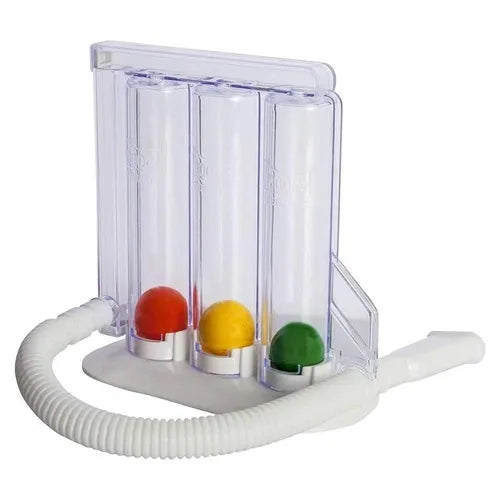
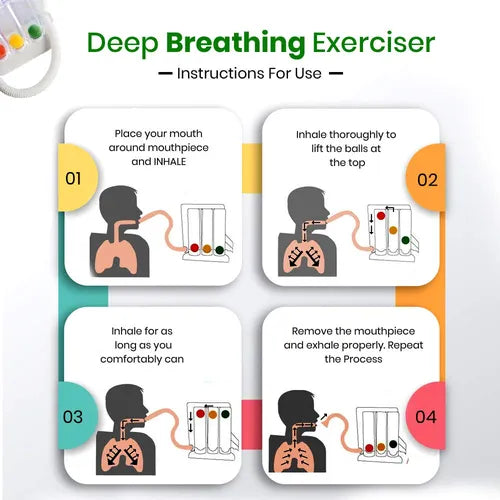
Respociser Lung Exerciser
Type: Respiratory
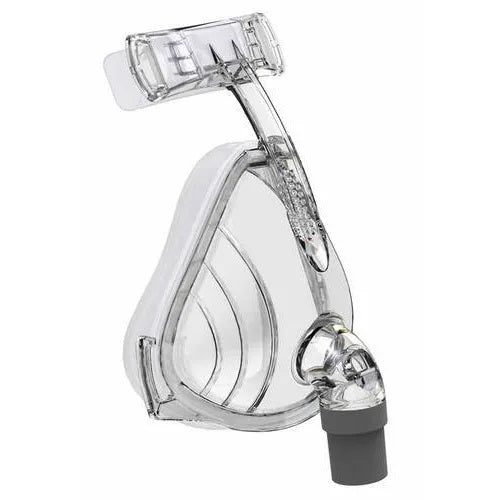
Vented CPAP BIPAP Mask

Type: Critical Care
Accusure Manual Suction Machine For Medical
Collection:
Respiratory
Respiratory care is a core part of safe treatment. Patients with breathing trouble, thick secretions, or weak lung function depend on it every day. Because of this, respiratory support becomes part of most medical plans.On MeddeyGo, the Respiratory category brings together a small set of simple devices for daily use. These devices support doctors, nurses, respiratory therapists, physiotherapists, and respiratory practitioners in many settings. The range includes breathing interfaces, a practical respiratory exerciser for lung training, and suction units that keep the airway clear at the bedside or at home. In addition, many of these tools sit next to masks and other respiratory protective equipment that teams already use, so they fit into existing protocols without extra effort. As a result, whether you run a large hospital or support one patient at home, this Respiratory collection helps you choose the right products with less confusion.
Product Overview
The Respiratory category on MeddeyGo offers a small, clear set of airway and breathing support tools. This focused list keeps selection simple for hospitals, clinics, rehab centres, and home-care teams.
It currently includes:
- Vented CPAP BIPAP Mask – interface for non-invasive ventilation with CPAP or BiPAP machines.
- Respociser Lung Exerciser – respiratory exerciser for slow, deep breathing and better lung capacity.
- Accusure Manual Suction Machine – hand-operated suction device for clearing secretions without electricity.
- Portable Phlegm Suction Machine – electric suction device for regular mucus and fluid removal at the bedside or at home.
Key Features & Benefits
The Respiratory range on MeddeyGo is kept small on purpose. Instead of many similar products, it offers a simple mix that is easy to understand and standardise:
- One main interface: vented CPAP BIPAP mask for non-invasive ventilation.
- One core respiratory exerciser: Respociser lung exerciser for lung expansion work.
- Two suction choices: manual and electric units for different power and mobility needs.
Benefits for Hospitals and Clinics
For hospitals and clinics, this Respiratory range supports both routine care and emergency work.
- Standardised protocols: A small, fixed list makes it easier to design clear respiratory care pathways and more consistent bedside practice.
- Easy training: Teams can quickly learn the lung exerciser, suction machines, and mask handling through short demos and visual guides.
- Smooth integration: Devices work well with existing monitors, oxygen sources, and respiratory protective equipment, so no major system changes are needed.
- Better cost control: Transparent pricing and periodic offers on the Respiratory range help hospitals upgrade care while staying within budget.
Benefits for Home-Care and Rehab
For home-care and rehab, families often need simple tools that match hospital advice. This Respiratory range supports that goal.
- Patients can follow a clear home plan with a respiratory exerciser under guidance from a respiratory therapist or physiotherapist.
- Families can use a portable phlegm suction machine when secretions build up, as advised by a clinician.
- Replacement CPAP/BIPAP masks keep long-term respiratory support more comfortable and more hygienic, so patients are more likely to stick to treatment.
Technical Specifications
| Product | Type | Power Source | Primary Function | Typical User / Setting |
|---|---|---|---|---|
| Vented CPAP BIPAP Mask | Respiratory interface | Used with CPAP/BIPAP machine | Delivers non-invasive positive pressure ventilation | Sleep labs, ICUs, home-care on prescription |
| Respociser Lung Exerciser | Respiratory exerciser | Patient effort | Guides deep breathing and lung expansion | Post-op wards, rehab units, home programs |
| Accusure Manual Suction Machine | Manual suction unit | Hand-operated | Clears secretions when power is not available | Clinics, ambulances, emergency trolleys |
| Portable Phlegm Suction Machine | Electric suction unit | Electricity | Regular bedside mucus and secretion removal | Hospitals, nursing homes, supervised home-care |
Applications / Use Cases
Inpatient Respiratory Care (ICUs and Wards)
In critical care units, the vented CPAP/BIPAP mask is used with ventilators or stand-alone CPAP/BIPAP devices. It supports patients who are breathing on their own but still need pressure support. At the same time, the electric suction machine can stand by the bed to help clear secretions during procedures or sudden distress.
A respiratory therapist can set up a Respiratory station with clear labels and simple rules. Then staff know which device to pick and when to use it.
On post-operative and general wards, the respiratory exerciser encourages slow, deep breaths. Regular use may lower the risk of lung collapse and improve oxygen levels. Meanwhile, the manual suction machine can sit on a crash trolley or emergency shelf where power is not reliable. In this way, teams always have a safe backup.
Outpatient and Day-Care Settings
Pulmonology OPDs and rehab clinics often include a respiratory exerciser in exercise plans. A respiratory practitioner or physiotherapist can show the method once and then give a simple home schedule. Because the devices are light and easy to carry, patients can continue the same routine at home.
In sleep clinics, CPAP and BiPAP titration needs well-fitted masks. The vented CPAP/BIPAP mask on MeddeyGo gives centres one more standard option. They can keep spare interfaces ready for trials and long-term use. As a result, mask replacement and upgrades become easier and more consistent for staff and patients.
Emergency Response and Transport
Ambulances and emergency rooms need fast access to suction. The manual suction machine in this Respiratory range meets that need without using power. Staff can store it in a small compartment and reach it within seconds.
For transfers between wards, electric suction units on portable trolleys provide stronger and more steady suction. Therefore, airways stay clearer during movement, and the risk of sudden blockage goes down. In combination, both manual and electric suction devices help emergency and transport teams stay prepared in many scenarios.
Home-Care and Long-Term Management
Many patients now receive care at home for chronic lung conditions, neuromuscular disease, or recovery after ICU. A respiratory therapist may plan a simple routine that includes:
- Use of a respiratory exerciser several times a day.
- Regular suction with a portable phlegm suction machine when secretions increase.
- Night-time support with a CPAP or BiPAP system and the right mask.
Why Choose Respiratory Devices from MeddeyGo?
MeddeyGo is a dedicated platform for medical supplies in India. The Respiratory collection follows the same approach of clarity, value, and trust.
- Curated, not crowded: A compact range helps a respiratory practitioner or purchase officer create a standard list quickly. Catalogues and tender forms stay simple.
- Clear pricing and discounts: Each product shows regular and sale prices, so budget planning becomes easy and transparent.
- Support for B2B and B2C: Hospitals, clinics, and individual buyers can all place orders on the same platform. This also makes repeat orders smoother.
- Trusted company details: Full address, GST number, and contact information are easy to find, which supports institutional purchasing and vendor registration.
- Backed by policies: Shipping, refund, and bulk order policies are clearly shown. Therefore, risk for buyers stays low and expectations stay clear.
Comparison Table
| Device | Main Role | Best Setting | Key Benefit | Recommended By |
|---|---|---|---|---|
| Vented CPAP BIPAP Mask | Interface for positive pressure ventilation | ICU, sleep lab, home-care | Comfortable connection to machine | Respiratory therapist / respiratory practitioner |
| Respociser Lung Exerciser | Lung expansion and breathing training | Post-op ward, rehab, home | Visual feedback and simple use | Respiratory therapist, physiotherapist |
| Accusure Manual Suction Machine | Airway suction without electricity | Clinic, ambulance, emergency bay | Portable and independent of power | Respiratory practitioner, ER team |
| Portable Phlegm Suction Machine | Regular secretion removal at bedside | Hospital, nursing home, home-care | Consistent suction with compact design | Respiratory therapist, ward staff |
Buying Guide / Expert Tips
Use this short checklist to match each Respiratory device to a real need:
- Clarify the goal: Decide whether you need a respiratory exerciser, a suction machine, or a mask for pressure support.
- Study the setting: If power cuts are common, keep a manual suction unit on hand. For steady ward use, an electric suction device is usually better.
- Involve experts: Ask a respiratory therapist or experienced respiratory practitioner to help choose models that fit your protocols and patient mix.
- Check compatibility: Make sure CPAP/BIPAP masks match your machines and that suction tubing fits current accessories.
- Plan for infection control: Pair devices with suitable respiratory protective equipment and clear cleaning routines.
- Review service and warranty: Check support and warranty terms before large orders to avoid long-term issues.
Frequently Asked Questions
Who should choose devices from the Respiratory category?
The Respiratory range is suitable for hospitals, small clinics, nursing homes, and home-care users. Usually, a respiratory therapist, respiratory practitioner, or treating doctor decides which device is best for each patient. Choices should always follow clinical advice and local protocols, so safety stays the first priority.
What is the role of a respiratory exerciser like the Respociser?
A respiratory exerciser such as the Respociser guides slow, deep breaths and helps open up the lungs. It is often used after surgery or in chronic lung disease to improve breathing control. In addition, it can support long-term rehab plans by giving patients a simple, repeatable daily routine.
How is respiratory protective equipment different from these devices?
Respiratory protective equipment includes masks, respirators, and similar items that protect staff and bystanders from droplets or particles. By contrast, the devices in this category act directly on the patient’s breathing and airway. Both groups of products often work side by side in the same care plan.
When is a manual suction machine better than an electric one?
A manual suction machine is useful when power supply is unreliable or when you need a backup for transport and emergencies. Electric suction units are better for regular and frequent suction in wards or home-care where power is stable. Many centres keep both options, so they stay ready for planned use and sudden events.
Can these Respiratory devices be used at home?
Yes. Many devices in this Respiratory collection are suitable for home-care, including the respiratory exerciser, portable phlegm suction machine, and CPAP/BIPAP mask. However, they should always be used under medical advice and with proper training. Families should also receive clear written instructions so they can follow the plan safely.
Who trains patients and staff to use these products?
Training is usually given by a respiratory therapist, physiotherapist, nurse, or experienced respiratory practitioner. They explain how to use the devices, how often to repeat exercises, and how to clean the equipment. As a result, users gain confidence, and the risk of misuse becomes lower.
Can I order Respiratory devices in bulk for my hospital?
Yes. MeddeyGo supports bulk orders and offers contact options and links for institutional buyers. Therefore, hospitals and clinics can standardise their Respiratory and respiratory protective equipment supplies and make repeat ordering easier, more transparent, and more cost-effective.