

Type: Linen
Operating Theater Gown with Front Pocket Blue
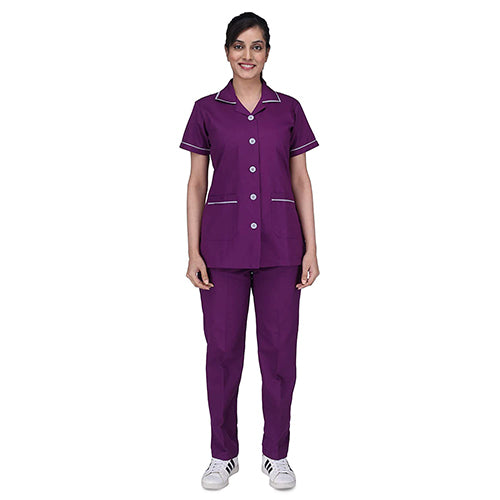
Type: Linen
Nurse Staff Uniform Set Open Collar Top Magenta


Type: Scrub Suit
Premium Scrub Suit for Female Doctors Green

Type: Linen
Nurse Staff Uniform Set Open Collar Top Pink
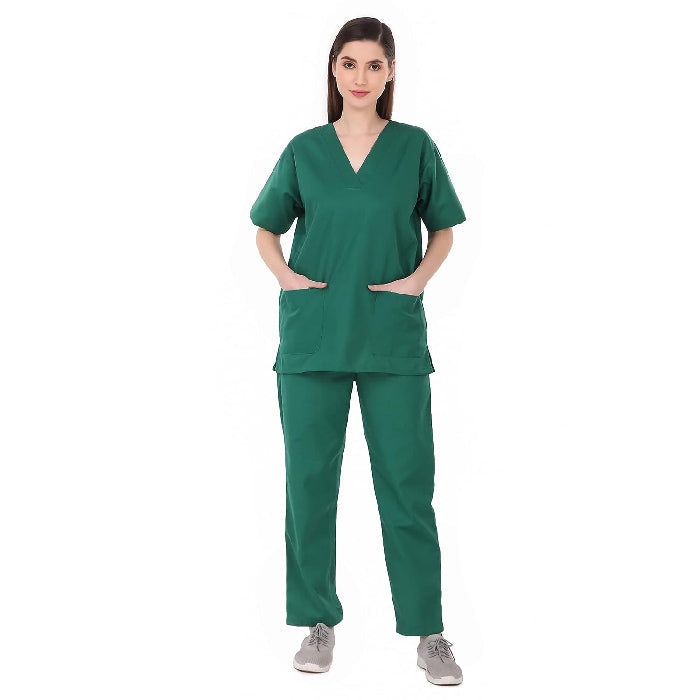
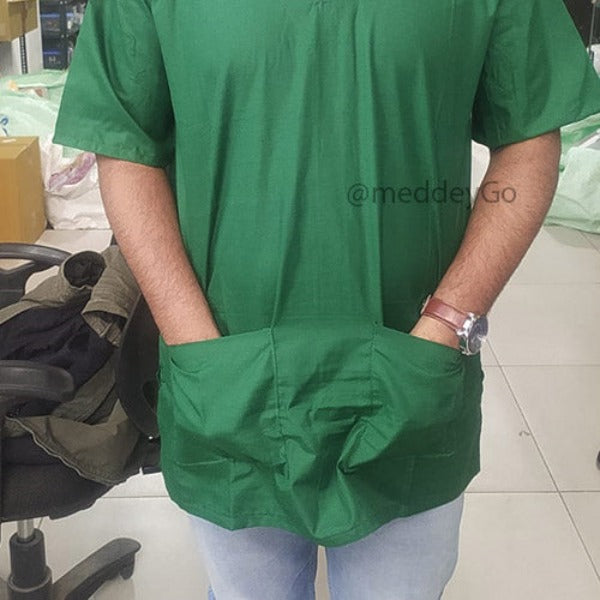
Type: Medansh
Unisex Scrub Suit Surgical V Neck 2 Pocket Green

Type: Scrub Suit
Unisex Disposable Scrub Suit - Universal


Type: Medansh
Doctor Lab Coat Full Sleeve with Knit Cuffs for Medical Professionals

Type: Scrub Suit
Unisex Disposable Scrub Suit - Universal

Type: Linen
Scrub Suit with Pants for Winter Wear Magenta


Type: Medansh
Premium Scrub Suit for Female Doctors Navy Blue


Type: Scrub Suit
Premium Scrub Suit for Female Doctors Magenta
Collection:
Scrub Suit
Ever watched a medical show and wondered why all the doctors and nurses wear those simple, colorful outfits? They’re much more than just standard medical uniforms; they're a critical tool where every detail, from the color to the fabric, serves a specific, often life-saving, purpose. The story behind this seemingly simple garment reveals a surprising amount about the science of hospital safety and efficiency.
So, what is a scrub suit, and how did it get that peculiar name? The answer lies in the operating room. The term "scrubs" comes directly from the vital pre-surgery ritual known as "scrubbing in"—the meticulous process where surgeons wash their hands and arms to become sterile. The clean, simple garments they would change into for this highly sanitized environment naturally took on the name of the process itself, defining the true scrubs meaning.
But the name is just the beginning of the story. Before the 20th century, surgeons often operated in their street clothes with only an apron for protection. In stark contrast, today’s medical uniforms are deliberate feats of engineering. From the specific shade of green that helps reduce eye strain to fabrics designed to repel fluids and stop germs, every element is a calculated choice. These features aren’t for fashion; they’re designed to keep both patients and professionals safe.
From Bloody Aprons to High-Tech Armor: The Surprising Evolution of Surgical Attire
Believe it or not, surgeons in the late 1800s didn't wear scrubs. They operated in their street clothes, often covered by a simple butcher’s apron that was rarely washed. A blood-stained apron wasn't seen as unsanitary but as a badge of experience. The modern idea of keeping things germ-free, a concept known as aseptic principles, simply didn't exist yet in practice.
As our understanding of germs grew, the medical world realized a change was needed. This led to the first dedicated surgical attire: sterile white gowns. White was chosen to represent a new era of cleanliness. The logic was simple—any speck of dirt would stand out immediately, proving the garment was no longer sanitary and needed to be replaced.
However, these bright white uniforms created an unexpected problem in the operating room. Under intense surgical lights, the stark fabric caused significant glare and visual fatigue for the surgical team. Even more distracting, after focusing on deep red colors during a procedure, looking at the white gowns could cause surgeons to see green ghost images, temporarily interfering with their vision.
The true turning point arrived with the devastating 1918 flu pandemic. This global crisis made it clear that protecting both patients and staff from invisible threats was a matter of life and death. The widespread use of masks and simple, easy-to-clean gowns became essential, paving the way for the scrubs we know today and opening the door to a new, more strategic choice of color.
Why Do Surgeons Wear Green? The Hidden Psychology of Scrub Colors
That distracting green "ghost image" from the old white gowns wasn't just an annoyance—it was a problem that demanded a clever solution. The answer, it turned out, was rooted in basic color theory. By switching to green or blue uniforms, the medical world found a way to neutralize the afterimage effect. After staring at the deep red of an operation for an extended period, the eye’s color receptors become fatigued. When a surgeon then looks away at a neutral surface, their brain temporarily sees the opposite color: green. Looking at an actual green or blue scrub helps “reset” their vision, keeping them focused and precise.
Beyond preventing these visual illusions, the softer colors also solved the glare problem mentioned earlier. Under the intense lights of an operating room, brilliant white fabric is harsh and causes significant eye strain over long procedures. Green and blue, however, are far more calming, contributing to a more controlled and less fatiguing environment. It’s a perfect example of the psychology of scrub colors in action, where function is far more important than fashion.
This strategic use of color extends beyond the surgical suite. If you’ve ever noticed a rainbow of different outfits in a hospital, it’s likely part of a healthcare uniform color code. The meaning is simple: identify roles at a glance. Nurses might wear royal blue, respiratory therapists could be in dark green, and patient transport staff in gray. In a chaotic emergency, this visual shorthand helps teams assemble and communicate instantly, saving precious time.
Whether it’s helping a surgeon see clearly or helping a team identify a colleague in a crisis, scrub color is a tool for safety and efficiency. It’s a silent communicator in a high-stakes world. But the color is only what you see on the surface; the real high-tech story is in the fabric itself, which has evolved to do far more than just look the part.
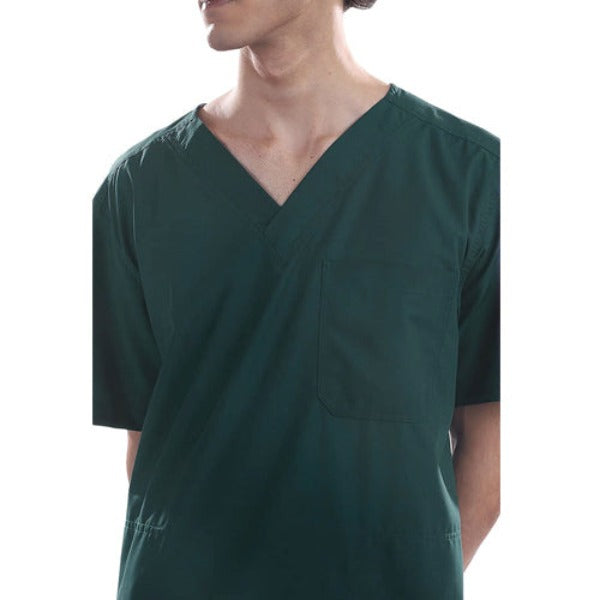
How Modern Scrubs Keep Healthcare Heroes Cool and Comfortable
That high-tech story often begins with a feature you’d find in an athlete’s gear: moisture-wicking fabric. If you’ve ever worn performance workout clothes, you already know the magic. Instead of absorbing sweat like a cotton t-shirt and leaving you feeling damp and sticky, this material actively pulls moisture away from your skin. The fabric then spreads that moisture across its surface, allowing it to evaporate quickly. This is exactly what the best scrub material does, turning a simple uniform into a piece of high-performance equipment.
For healthcare professionals on a grueling 12-hour shift, this isn’t just about comfort—it’s about endurance. Constantly moving, lifting, and responding to emergencies generates a lot of heat. Traditional fabrics would trap that sweat, leading to chafing and a distracting, clammy feeling. Moisture-wicking scrub fabric benefits them by keeping them cooler and drier, allowing them to stay focused on patient care instead of their own discomfort. It’s a small detail that makes a huge difference in a physically demanding job.
This quick-drying ability also has a practical advantage at home. Scrubs need to be washed frequently, and fabric that dries in a fraction of the time is a lifesaver for someone needing a clean uniform for their next shift. But while staying dry is key for comfort, another invisible feature of modern scrub fabric focuses on safety: keeping germs at bay.
What Does "Antimicrobial" Really Mean for Hospital Clothing?
Beyond keeping professionals dry, the most advanced scrub fabrics offer a hidden layer of defense. Many are treated to have antimicrobial properties in hospital clothing, which is a technical way of saying the material is designed to stop germs from growing on its surface. Think of it as creating an environment on the fabric where microbes like bacteria and fungi can’t multiply easily. This feature turns a standard uniform into more hygienic medical wear, adding a barrier of protection that works around the clock.
Antimicrobial fabric is not a replacement for regular, thorough washing. Scrubs still pick up contaminants and must be properly laundered to be disinfected. Instead, the antimicrobial benefit works between washings. It helps prevent the uniform itself from becoming a breeding ground for bacteria during a long shift, which adds a crucial layer of safety for both the healthcare worker and their patients.
This germ-inhibiting feature also comes with a more noticeable benefit: odor control. The same bacteria that can pose a health risk are often the culprits behind fabric odors, especially after a long day. By slowing their growth, antimicrobial treatments help keep scrubs smelling fresher for longer. While this technology tackles an invisible threat, another fabric innovation solves a much more visible problem for busy professionals: the daily chore of ironing.
The End of Ironing: How Wrinkle-Resistant Scrubs Changed the Game
No one has time to iron, especially someone working a 12-hour shift. That’s why one of the biggest leaps in scrub design was the move away from 100% cotton to smarter fabric blends. Modern scrubs are often made with a high percentage of polyester, a material that naturally resists creasing and holds its shape. This innovation created truly easy care uniforms that look crisp right out of the dryer, saving busy professionals precious time and effort.
Beyond just fighting wrinkles, these advanced fabrics often have another superpower: fluid resistance. Think of it like a light raincoat for your uniform. When a liquid—whether it’s a dropped cup of coffee or an accidental splash—hits the material, it beads up and rolls off instead of instantly soaking through. This quality is what makes them fluid resistant scrubs, giving professionals a crucial moment to wipe away messes, stay dry, and avoid stains throughout a demanding day.
These features are about more than just convenience. A clean, unwrinkled uniform helps project an image of professionalism and competence, which is essential in any care setting. Wrinkle resistant medical apparel ensures staff look put-together from the start of their shift to the very end, without adding another chore to their lives. This focus on combining function with a polished appearance extends all the way down to the cut of the pants themselves.
Jogger Scrubs vs. Straight Leg: Why a Simple Cut Makes a Huge Difference
When you think of scrub pants, you probably picture a simple, straight-legged style that offers a loose, comfortable fit. For decades, this was the standard. But if you look closely in clinics today, you’ll see many professionals wearing a much more modern, athletic-looking style: jogger scrubs. The difference isn't just about fashion; the debate over jogger scrubs vs straight leg is really about function.
The biggest advantage of a jogger scrub isn’t its trendy silhouette—it's hygiene. That simple elastic cuff at the ankle does something crucial: it keeps the pant leg from dragging on the floor. In a busy hospital or clinic where floors can collect all sorts of spills and germs, this small detail ensures the uniform stays cleaner throughout the day, preventing staff from tracking contaminants from room to room.
Of course, the classic straight-leg cut remains a favorite for its roomy feel and traditional appearance. The choice between different types of scrubs often comes down to a professional's specific needs and preferences. For instance, the style can even dictate pocket placement and type. Some roles require the large cargo pockets often found on straight-leg pants, while others benefit from the secure, zippered pockets more common on joggers.
This seemingly small detail highlights how functional scrub design has evolved. The choice is a trade-off between the clean, contained fit of a jogger and the classic, airy comfort of a straight leg. But getting the right style is just one part of the puzzle; finding the right size is just as important, and it’s a little different than buying a pair of jeans.
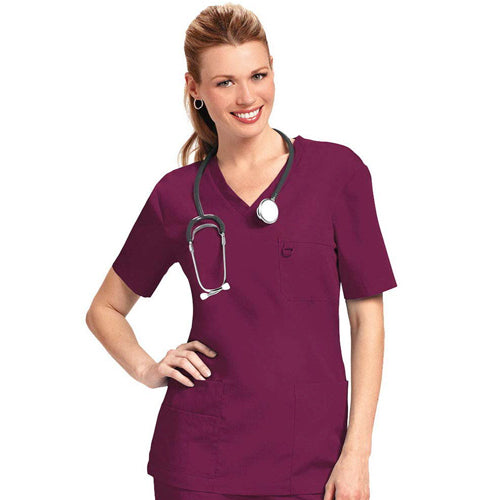
How to Choose the Right Scrub Size (and Why It's Nothing Like Buying Jeans)
If you’ve ever bought a t-shirt, you know a "medium" from one brand can feel totally different from another. With professional uniforms, that inconsistency is even more pronounced. There is no universal standard for scrub sizes, meaning a "small" from one company might fit like another's "medium." So, when asking "what size scrubs should I get?," the first step is to forget your usual size and start fresh.
Instead of guessing, taking three simple measurements at home is the most reliable way to get a great fit. All you need is a flexible tape measure.
-
- Your 3 Key Measurements:Chest: Measure around the fullest part of your chest.
- Waist: Measure your natural waistline, usually right above your belly button.
- Inseam: Measure from the inside of your upper thigh down to where you want the pants to end.
With these numbers in hand, you can confidently compare them to any brand's online scrub sizing chart. This simple check is the secret to how to choose the right scrub size every time.
Getting the right fit isn't just about looking professional; it’s a matter of safety and function. Scrubs that are too baggy can easily snag on equipment or doorknobs, while a fit that’s too tight restricts you from bending, lifting, or responding quickly in an emergency. A proper fit ensures you can move freely and safely, but even the best-fitting uniform can't always avoid the occasional spill.
Your Guide to Getting Stains Out of Medical Wear (Yes, Even Blood)
Working in a busy environment means stains are bound to happen. When it comes to biological stains like blood, there’s one golden rule: always start with cold water. Hot water will “cook” the proteins into the fabric, setting the stain permanently—think of how an egg white turns solid in a hot pan. A cold rinse is the most important step to successfully remove blood stains from scrubs.
Once you’ve thoroughly rinsed the area, a common household item can finish the job. Gently blot a small amount of hydrogen peroxide directly onto the spot. You’ll see it begin to fizz as it works to lift the stain out of the fibers. This trick is particularly effective for getting stains out of white medical wear, but it's wise to test it on a hidden seam of colored scrubs first to ensure the fabric's color won't be affected.
Not all spills follow the same rules, however. That pesky ink stain from a broken pen, for instance, won’t respond to water. For ink, a different solvent like rubbing alcohol is a much better bet. Tackling spots immediately is key, but it’s only the first part of the job. Proper cleaning scrubs involves more than just stain removal to ensure they are truly hygienic and ready for your next shift.
How to Properly Wash and Disinfect Scrubs to Keep Your Home Safe
Getting a stain out is just half the battle; ensuring your scrubs are truly clean is crucial for keeping your home environment safe. The single most important rule of how to properly wash and disinfect medical wear is to always handle it separately. Think about it: the uniform exposed to a clinic all day shouldn't be tossed in with your family’s clothes. This simple step helps prevent germs from the workplace from cross-contaminating your regular laundry.
Once your scrubs have their own dedicated load, the settings on your washing machine matter. While cold water is best for pre-treating stains, hot water is your ally for disinfection. A hot water cycle helps kill bacteria and viruses that might be lingering on the fabric. To help your scrubs last longer, a great tip for how to clean scrubs is to turn them inside-out before washing. This small action protects the color and finish on the outside while focusing the cleaning action on the inner surface that was closest to your skin.
For an extra measure of confidence, you can add a booster to the wash. Many brands make a specific laundry sanitizer for scrubs and other germ-prone clothing, designed to kill bacteria that hot water might miss. If you’re looking for a simple household alternative, adding about a cup of white vinegar during the rinse cycle can also provide a mild disinfecting boost, leaving your scrubs feeling softer and thoroughly refreshed.
This careful approach to laundry highlights the core purpose of scrubs: creating a hygienic barrier between a professional’s work and their personal life. It's this focus on cleanliness and safety that explains why the uniform has been adopted far beyond just hospital walls.
Beyond the Hospital: Who Else Wears Scrubs and Why It Makes Perfect Sense
The same principles of hygiene and protection that make scrubs essential in a hospital are valuable in many other workplaces. If you’ve ever wondered who wears scrubs besides doctors and nurses, the answer is a surprisingly long list of professionals. The core idea is simple: any job that is potentially messy, requires frequent movement, and values a clean appearance can benefit from this functional uniform. It’s a practical solution that has found a home in many different fields.
Take veterinarians and their staff, for instance. Their day involves everything from comforting anxious animals to performing routine check-ups and messy procedures. A good buying guide for veterinary scrubs would emphasize durability to withstand an occasional claw or nibble, and fabrics that don't act like a magnet for pet fur. By wearing scrubs, vet teams protect their personal clothes and present a unified, professional look that reassures pet owners.
You'll also spot them in your local dentist's office. Dental scrubs are the perfect uniform for hygienists and assistants who work with water spray, polishing paste, and other materials. Just like in a medical setting, these scrubs can be washed at high temperatures to ensure they are perfectly clean for the next patient, upholding the strict hygiene standards of dental care while providing all-day comfort.
This trend extends even further, into spas and care facilities. Estheticians wear them to protect against spills from waxes and oils, while home health aides and caregivers rely on their flexibility and washability. In these roles, scrubs do more than just offer protection; they signal a commitment to cleanliness and professionalism, helping clients and patients feel safe and well-cared for. This wide adoption makes you wonder what separates a basic set from a premium one.

Are Expensive Scrubs Worth It? A Look at FIGS Alternatives and Finding Value
Walk through any hospital, and you'll notice that not all scrubs are created equal. Some look as sleek and tailored as high-end athletic wear, often with a price tag to match. This raises a common question: Is there a real difference, or are you just paying for a brand name? While premium brands certainly pushed the industry toward more stylish, comfortable designs, the gap in quality isn't what it used to be. The real value is often found by looking past the logo.
Just a few years ago, game-changing features like four-way stretch, moisture-wicking materials, and luxuriously soft fabrics were exclusive to expensive lines. Today, that technology is widespread. Many companies now offer affordable scrubs with the same performance-driven fabric blends, meaning you no longer have to pay a premium for all-day comfort and durability. This shift allows professionals to find excellent quality without straining their wallets.
So, what does the higher price of a "designer" scrub brand get you? A large part of it is branding and lifestyle marketing. These companies have excelled at building a community and an identity around their apparel, which holds significant appeal. The products are undoubtedly high-quality, but a portion of the cost is for the prestige of the label itself. This is why exploring FIGS scrubs alternatives and other brands can reveal options that deliver nearly identical function for a fraction of the price.
Finding the best medical scrubs for nurses or any other professional comes down to what you truly need. The secret to smart shopping is to compare the actual features, not just the brand names. A comfortable fit, the right number of pockets, and a durable, easy-care fabric blend are what matter during a long shift. By focusing on these elements, you can find an outstanding set of scrubs that provides genuine value, regardless of its price.
What to Look For When Buying Scrubs: A 3-Point Checklist
Navigating the world of scrubs can feel surprisingly complex, with endless options for fabric, fit, and style. But choosing what works for you doesn't have to be overwhelming. Instead of getting lost in brand names, this simple buying guide for scrubs helps you focus on the three core elements that truly matter during a long shift. This approach works for any budget, ensuring you get the function you need.
Before making a decision, use this as your personal checklist for what to look for in scrubs. Answering these three questions is the key to choosing the best scrubs for your specific role and environment.
Your 3-Point Scrub Checklist:
- Fabric First: Do you need four-way stretch for constant movement, moisture-wicking for staying dry, or fluid resistance for extra protection?
- Focus on Fit: Is it safe (not so baggy it could snag on equipment) and comfortable enough for a 12-hour day? Does the cut—like a jogger or a straight leg—match your daily tasks?
- Pocket Power: Are there enough pockets for your essentials—phone, pens, scissors—and are they placed where you can easily reach them?
By prioritizing these three functional needs, you move beyond marketing and make a choice based on real-world performance. A set of scrubs that nails this checklist will almost always serve you better than the most expensive pair that doesn’t. This practical mindset shows that modern scrubs are far more than just a uniform; they are essential gear, designed for a demanding job.
More Than a Uniform: What the Modern Scrub Suit Tells Us About Healthcare
What was once just a uniform in your eyes is now revealed as a piece of purpose-built technology. You can now see the ‘why’ behind the V-neck, the reason for the specific colors, and the hidden science in the fabric. The scrub suit is no longer a simple symbol of a profession, but a collection of intelligent solutions designed for one of the world's most demanding jobs.
This evolution tells a bigger story. The growing importance of scrubs as high-performance healthcare professional gear signals a crucial shift in medicine: the recognition that to best care for patients, we must first care for providers. The comfort, safety, and efficiency woven into these garments are a direct investment in the well-being of the person wearing them through a long and difficult shift.
This new lens changes everything, showing how the future of medical apparel is about embedding support into the very threads. The next time you see a healthcare professional rush by, you won't just see a uniform. You'll see a story of science, safety, and care—woven right into the fabric.