
Filter
6 products
Type: Surgical
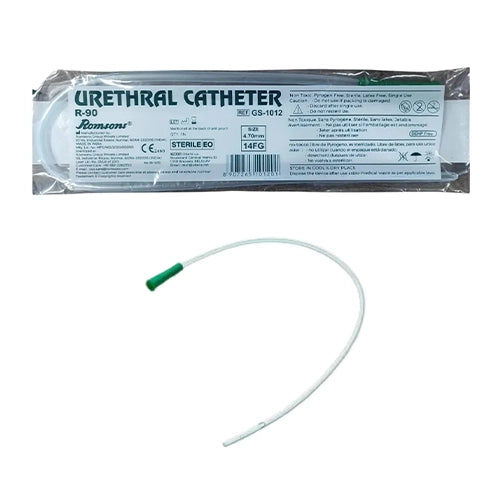
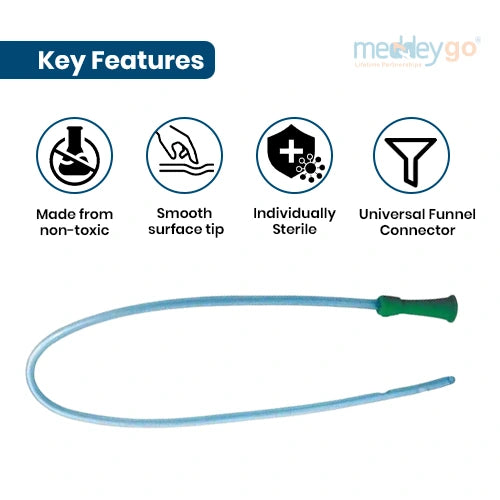
Romsons R90 Urethral Catheter (Pack of 25 )
Type: Nursing
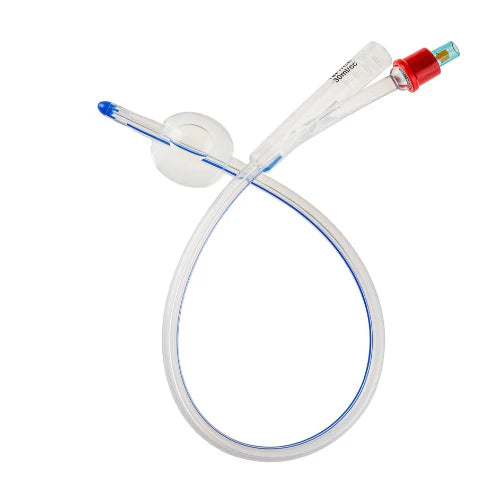
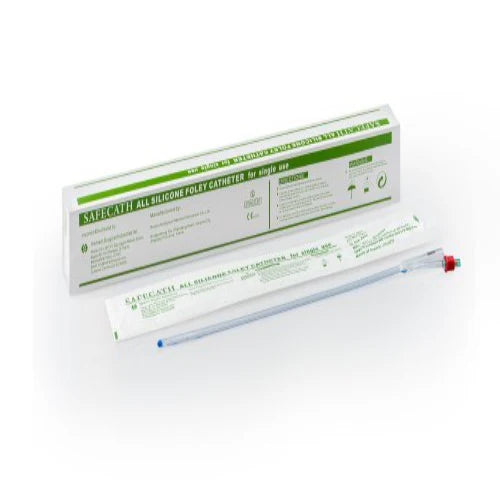
SafeCath Silicon Two Way Foleys Cathete
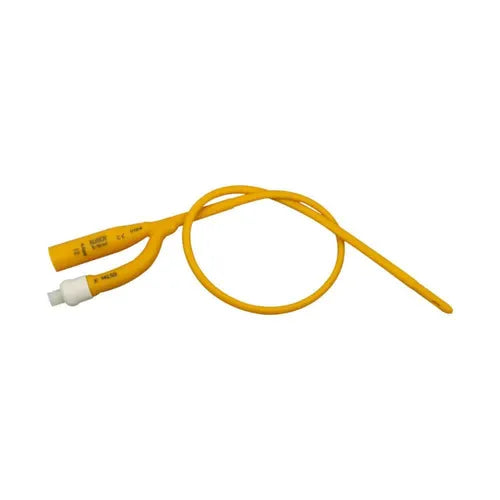
Type: Nursing
Rusch Gold Latex Foley Balloon Catheter
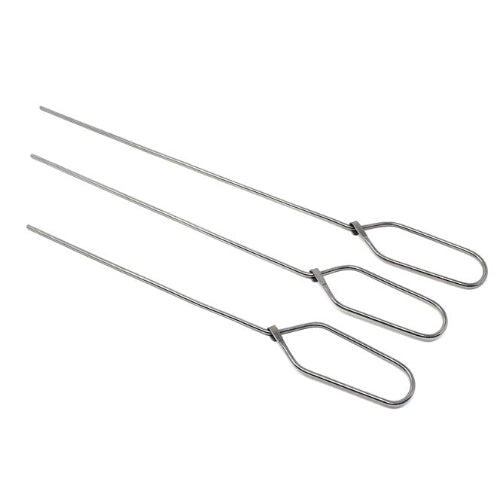
Type: General Instruments
Metal Catheter 12, 14, 16 Inch (Set of 3)


Type: Nursing
Urine Bag with Handle 2000ml | Disposable Urine Catheter Bag

Type: Catheter
Ramsons R 90 Urethral Catheter
Collection:
Silicone Foley Catheter: 100% Medical-Grade Kits, Sizes & 2026 Buying Guide
The Silicone Foley Catheter: Redefining Long-Term Urinary Care
In the landscape of urological health in 2026, the silicone catheter has transitioned from a specialized alternative to the primary clinical standard for both hospital and home-based urinary management. A Silicone Foley Catheter is a flexible, hollow tube designed to be inserted through the urethra and into the bladder to drain urine. What sets the 100% silicone variant apart is its complete departure from natural rubber latex, offering a bio-compatible solution that addresses the most significant complications of catheterization: infection, tissue irritation, and encrustation.
The shift toward silicone foley catheter use is driven by a growing understanding of patient comfort and long-term safety. Traditional latex catheters, while functional, often lead to urethral inflammation due to the leaching of proteins and chemicals. In contrast, medical-grade silicone is inert, meaning it does not react with body tissues or fluids. This makes the silicone catheter the definitive choice for "indwelling" scenarios—where the device must remain in place for weeks rather than days.
Material Science: The Superiority of Medical-Grade Silicone
To understand the benefits of choosing a silicone foley catheter, one must look at the molecular level. Silicone is a synthetic polymer that possesses unique thermal stability and low surface tension. When used in a silicone catheter, these properties translate into a surface that is exceptionally smooth. This smoothness is not just for comfort; it plays a critical role in preventing "Biofilm" formation. Bacteria find it significantly harder to adhere to the slick, non-reactive surface of silicone compared to the porous surface of latex.
Furthermore, silicone material is known for its longevity. While a latex catheter may need replacement every 7 to 14 days due to material degradation and encrustation (the buildup of mineral salts), a high-quality silicone foley catheter can often remain safely in place for up to 30 days. This durability is a major advantage, as it reduces the need for frequent replacements, thereby minimizing the trauma to the urethral lining and lowering the overall cost of care for the patient.
Quick Facts: Silicone Catheter at a Glance
- Composition: 100% Latex-Free, Medical-Grade Silicone.
- Duration: Approved for long-term use (up to 28-30 days).
- Lumen Size: Larger internal diameter compared to latex for better drainage.
- Safety: Drastically reduced risk of Latex Allergy and Urethritis.
- Visibility: Transparent material allows for easy monitoring of urine flow and color.
Comfort and Safety: Gentle Care for Sensitive Tissues
One of the most praised attributes of the silicone catheter is that it minimises irritation and is gentle on the skin. The urethra is lined with a highly sensitive mucosal membrane. When a catheter is inserted, any friction or chemical reaction can cause "ciliary " damage. Because silicone is chemically inert, it does not cause the "burning" sensation often reported by patients using latex.
Safety is further enhanced by the design of the silicone foley catheter balloon. In 100% silicone models, the balloon is integrated more seamlessly into the shaft of the tube. This creates a "low-profile" transition, making insertion and withdrawal much smoother. For patients with a history of urethral strictures or sensitive bladders, the comfort and safety offered by silicone are not just luxuries; they are essential for maintaining a high quality of life during treatment.
Reduced Risk of Infection: The Clinical Edge
Catheter-Associated Urinary Tract Infections (CAUTI) are a major concern in hospitals globally. The non-reactive surface of the silicone catheter helps reduce the chances of infection by inhibiting the colonization of pathogens. Unlike latex, which can absorb water and swell, silicone remains dimensionally stable. This stability prevents the formation of microscopic gaps between the catheter and the urethral wall where bacteria can hide and multiply.
Additionally, the silicone catheter features a wider internal drainage lumen. Because the walls of a silicone tube are stronger than latex, they can be made thinner without sacrificing structural integrity. This allows for a larger internal diameter (lumen), which facilitates the passage of sediment and blood clots. By ensuring more efficient drainage, the silicone foley catheter prevents urine stasis—another primary cause of infection and bladder stones.
Comparison Table: Why Silicone is the 2026 Standard
| Feature | 100% Silicone Catheter | Latex (Rubber) Catheter |
|---|---|---|
| Latex Allergy Risk | Zero (100% Latex-Free) | High |
| Usage Duration | Up to 30 Days (Long-term) | 7 - 14 Days (Short-term) |
| Internal Lumen | Large (Thinner walls) | Narrow (Thicker walls) |
| Encrustation Risk | Very Low | High |
| Patient Comfort | Superior (Non-irritating) | Low (High friction) |
Types of Silicone Catheters: Matching Device to Diagnosis
The versatility of the silicone catheter is best demonstrated through its various structural configurations. Depending on the clinical requirement, healthcare providers typically choose between two-way and three-way designs. The two-way silicone foley catheter is the standard for routine urinary drainage; it features one lumen for urine flow and a second smaller lumen for inflating the retention balloon. This is the "workhorse" of urological care, balancing a slim profile with high drainage efficiency.
In contrast, the three-way silicone foley catheter is an specialized tool used primarily in post-operative or hematuria cases. It includes a third lumen specifically for continuous bladder irrigation (CBI). This allows for the simultaneous drainage of urine and the infusion of sterile saline to wash out blood clots or debris. Because silicone material is known for its longevity, these three-way units are exceptionally reliable during the critical 48-72 hour recovery period following prostate or bladder surgery.
Understanding Sizing: The French (Fr) Scale
Choosing the correct size of a silicone foley catheter is paramount to ensuring comfort and safety. Catheters are measured using the French scale (Fr), where 1 Fr equals 0.33mm. For adult males, sizes 14Fr to 16Fr are standard, while adult females typically utilize 12Fr to 14Fr. Selecting a size that is too large can lead to urethral trauma and pressure necrosis, while a size too small may result in "bypassing" (urine leaking around the tube).
The advantage of the silicone catheter in sizing is its superior "Flow-to-Size" ratio. Because the silicone walls are rigid enough to be thin, a 14Fr silicone catheter often provides the same drainage speed as a 16Fr latex catheter. This allows clinicians to use a smaller, more comfortable external diameter for the patient without compromising the speed of bladder emptying.
Ease of Use: The Advantage of Catheter Kits
In 2026, the trend in urological procurement has shifted toward pre-assembled catheter kits. These kits are specifically designed for ease of use, containing everything required for a sterile insertion in one package: the silicone foley catheter, a pre-filled syringe of sterile water for the balloon, lubricating jelly (often with lidocaine for numbing), sterile gloves, and drapes.
By utilizing a dedicated kit, the risk of "breaks in sterile technique" is significantly reduced. This is a crucial component in the reduced risk of infection strategy. For home-care settings, these kits empower caregivers or patients performing self-catheterization to maintain hospital-grade hygiene standards, ensuring that the silicone catheter remains a safe and effective long-term solution.
Feature Highlights: Why MeddeyGo Silicone?
- Radio-Opaque Line: Every silicone catheter features a built-in line visible under X-ray to confirm perfect placement.
- Color-Coded Valves: Universal color-coding on the inflation port ensures instant identification of French size.
- Non-Collapsible Walls: Engineered to resist kinking, ensuring uninterrupted drainage even when the patient moves.
- Large Drainage Eyes: Dual "eyes" at the tip are smoothed to prevent mucosal snags during ease of use insertion.
Longevity & Replacement Schedule
| Feature | Short-Term (Latex) | Long-Term (Silicone) |
|---|---|---|
| Typical Duration | 1 – 2 Weeks | 4 Weeks (28-30 Days) |
| Replacement Frequency | High (Frequent Trauma) | Low (Reduced Trauma) |
| Cost Effectiveness | Low (Due to volume) | High (Longevity & Safety) |
The Gold Standard: Clinical Insertion Procedure
Successful catheterization with a silicone foley catheter begins with a rigorous adherence to Aseptic Non-Touch Technique (ANTT). Because the non-reactive surface of the silicone catheter helps reduce the chances of infection, maintaining a sterile field during insertion ensures that no exogenous bacteria are introduced into the bladder. The process begins with thorough peri-urethral cleaning using an aqueous-based antiseptic.
The ease of use provided by catheter kits becomes evident during the lubrication phase. It is recommended to instill the lubricating jelly directly into the urethra (especially in male patients) rather than just coating the catheter tip. This distends the urethra and allows the silicone catheter to glide past the prostatic curve with minimal resistance. Once the catheter reaches the bladder—confirmed by the "flash" of urine in the transparent silicone tube—the retention balloon is inflated using exactly 10ml of sterile water (or as specified on the valve).
Overcoming the Enemy: Preventing Encrustation and Blockage
One of the most significant benefits of choosing a silicone foley catheter is its resistance to encrustation. Encrustation occurs when urea-splitting bacteria (like *Proteus mirabilis*) increase the pH of urine, causing calcium and magnesium phosphates to crystallize on the catheter surface. While latex is highly prone to this "scaling," the ultra-smooth finish of 100% silicone provides fewer "anchor points" for crystals to take hold.
However, even with a silicone catheter, hydration remains the primary defense. Encouraging the patient to maintain a high fluid intake thins the urine and naturally flushes out sediments. Because silicone material is known for its longevity, monitoring for "cloudy" urine or a decrease in flow is essential. If a patient is a "frequent blocker," the larger internal lumen of the silicone design ensures that the tube remains patent for much longer than traditional alternatives, significantly reducing the need for frequent replacements.
Daily Maintenance: Preserving the 30-Day Lifecycle
To truly benefit from the durability of a silicone foley catheter, daily hygiene protocols must be followed. The "Meatal Connection"—where the catheter enters the body—should be cleaned twice daily with mild soap and water. The use of harsh powders or antibiotic ointments is discouraged in 2026, as these can actually damage the silicone surface and promote resistant bacterial growth.
Proper securement is the final piece of the puzzle. A silicone catheter should always be anchored to the patient’s thigh using a specialized securement device (StatLock or similar). This prevents "pistoning"—the back-and-forth movement of the catheter—which is a leading cause of urethral irritation and infection. By ensuring the device is stable, we maximize the comfort and safety that the silicone material was designed to provide.
Clinical Pearl: The "Gentle Tug" Test
After inflating the balloon of a silicone foley catheter, always perform a very gentle withdrawal until resistance is felt. This confirms the balloon is seated correctly at the bladder neck. Because silicone balloons are exceptionally symmetrical, they provide a very stable seal, preventing "trigone irritation" which often causes the patient to feel a constant, false urge to urinate.
Common Issues & Professional Solutions
| Issue | Potential Cause | Recommended Action |
|---|---|---|
| Urine Bypassing | Bladder Spasms or Small Size | Check for kits; consider a larger Fr size |
| No Drainage | Kinked tubing or Blockage | Milk the tubing; increase fluid intake |
| Pain/Discomfort | Improper securement | Apply thigh securement device immediately |
| Cloudy Urine | Early Sign of Infection | Consult doctor; check temp; push fluids |
Beyond Biology: The Psychological Impact and Patient Dignity
Long-term urinary management is as much a mental challenge as it is a physical one. For many patients, the transition to an indwelling device can feel like a loss of autonomy. However, the benefits of choosing a silicone foley catheter extend into the realm of psychological well-being. Because silicone is 100% transparent, it allows the patient or caregiver to see the urine flow clearly. This transparency provides immediate "visual confirmation" that the system is working, significantly reducing the anxiety associated with potential blockages.
Furthermore, the comfort and safety profile of silicone allows patients to return to a more active lifestyle. Traditional latex catheters often cause a heavy, "foreign body" sensation that discourages movement. The lightweight and flexible nature of a silicone catheter makes it feel less intrusive, enabling patients to walk, travel, and socialize with greater confidence. When a patient isn't in constant discomfort, their mental resilience and overall recovery trajectory improve remarkably.
Quality of Life: Why Longevity Matters
In 2026, healthcare is measured by "Patient-Reported Outcome Measures" (PROMs). The durability of the silicone foley catheter is a direct contributor to high PROM scores. By lasting 30 days, the patient only undergoes the invasive insertion procedure 12 times a year, compared to the 26-30 times required by latex alternatives. This 50% reduction in "Procedure Trauma" is a massive boost to the patient's quality of life.
Reduced risk of infection also means fewer rounds of antibiotics, which can often cause secondary issues like digestive upset or yeast infections. By choosing a silicone catheter, the patient avoids the "Sick-Cycle" of recurring UTIs, allowing them to focus on rehabilitation rather than managing complications.
Innovation Spotlight: Antimicrobial and Hydrophilic Silicone
As we progress through 2026, the standard silicone foley catheter is being further enhanced by advanced coatings. "Hydrophilic" silicone catheters are now a reality; these devices feature a polymer coating that binds with water to create an ultra-slick, frictionless surface. This eliminates the need for separate lubricating jellies and makes the ease of use even more pronounced during difficult insertions.
Additionally, "Silver-Impregnated" or "Antibiotic-Eluting" silicone catheter models are becoming common in high-risk ICU environments. While the non-reactive surface of the silicone catheter helps reduce the chances of infection naturally, these added layers provide an active defense against multi-drug-resistant organisms (MDROs). By combining the inert nature of silicone with active antimicrobial technology, MeddeyGo ensures that our users have access to the absolute cutting edge of urological safety.
Buyer’s Note: When purchasing a silicone foley catheter in 2026, always check for the "100% Silicone" certification. Some "Silicone-Elastomer" catheters are actually latex cores with a thin silicone coating. These do not offer the same durability or comfort and safety as a solid medical-grade silicone device.
Lifestyle Impact: Silicone vs. Traditional Options
| Activity/Factor | Standard Catheter | 100% Silicone Catheter |
|---|---|---|
| Mobility & Exercise | Limited (Friction/Pain) | High (Flexible/Smooth) |
| Odor Control | Poor (Material absorbs odor) | Excellent (Inert surface) |
| Skin Integrity | Risk of Latex Rash | Safe for sensitive skin |
| Sleep Quality | Interrupted by irritation | Improved (Better tolerance) |
Frequently Asked Questions (FAQ)
1. How long can a 100% silicone foley catheter stay in?
In 2026 clinical guidelines, a 100% silicone foley catheter is approved for long-term use, typically up to 28–30 days. This durability significantly reduces the need for frequent replacements compared to latex, which must be changed every 7–14 days.
2. Can I use petroleum jelly (Vaseline) to lubricate a silicone catheter?
No. Petroleum-based products can degrade the silicone material and cause the retention balloon to fail. Always use the water-soluble lubricating jelly provided in your catheter kits to ensure comfort and safety.
3. Is a silicone catheter better for someone with a latex allergy?
Absolutely. The primary benefit of choosing a silicone foley catheter is that it is 100% latex-free. It eliminates the risk of anaphylaxis or localized allergic reactions, making it the safest choice for sensitive patients.
4. Why is my silicone catheter draining slowly?
While silicone has a larger internal lumen, drainage can slow due to kinking or sediment buildup. Ensure the silicone catheter is properly secured to the thigh and increase fluid intake to naturally flush the system.
5. Does the silicone catheter help with odor?
Yes. Because silicone material is known for its longevity and non-porous nature, it does not absorb urine odors like rubber or latex does, helping maintain patient dignity and hygiene.
Why Choose MeddeyGo for Your Silicone Catheter Needs?
At MeddeyGo, we understand that urological health requires both precision and compassion. Our 2026 collection is curated to meet the highest global medical standards.
- ✅ Certified 100% Silicone: We never stock "coated" alternatives; you get pure medical-grade silicone every time.
- ✅ Ready-to-Use Kits: Our catheter kits are pre-assembled for ease of use and maximum sterility.
- ✅ Expert Guidance: Our team helps you select the right French (Fr) size to ensure comfort and safety.
- ✅ Discreet Delivery: We prioritize your privacy with neutral packaging and rapid pan-India shipping.
Conclusion: The Future of Urological Health
The decision to switch to a silicone foley catheter is an investment in long-term health and personal comfort. From the reduced risk of infection to the durability that allows for a monthly rather than weekly replacement cycle, silicone is the superior choice for modern patients.
By focusing on comfort and safety, and utilizing the ease of use provided by specialized catheter kits, you can manage urinary conditions with confidence and dignity. Explore the MeddeyGo collection today and experience the difference that high-quality, 100% silicone technology makes in your daily life.