
Filter
4 products
Type: Surgical
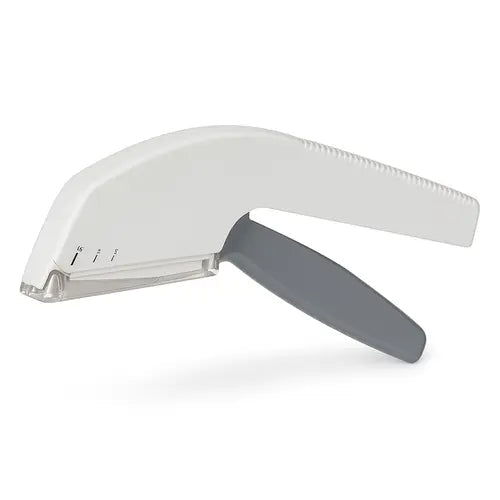
Niko Skin Stapler 35W


Type: General Instruments
Skin Stapler Remover Metallic


Type: Surgical
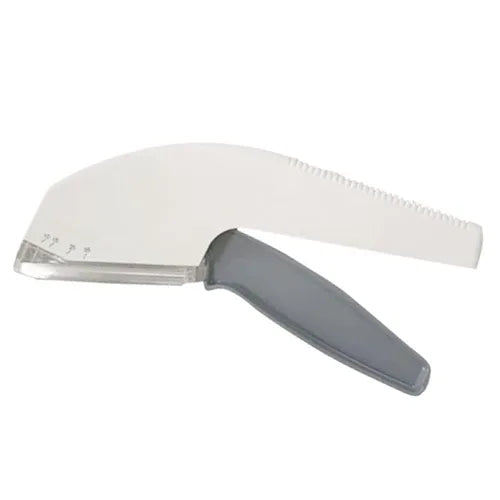
Visistat Disposable Skin Stapler 35 Wide Staples from Telefax, USA

Type: Surgical Accessories
Premium Niko Skin Stapler 35W
Collection:
Skin Stapler for Surgery | Sterile Medical Skin Staplers (35W)
In high-traffic OT and Emergency Departments, speed and wound edge apposition are critical. The skin stapler has revolutionized surgical closure by offering a faster, more consistent alternative to traditional suturing. At Meddeygo.com, we provide medical-grade, sterile skin staplers designed for surgeons and nurses who demand reliability in wound management.
1. Clinical Experience: How painful is a skin stapler?
For a dr, managing patient expectations regarding pain is essential. During application, the pain is often described as a quick "pinch" or "sting." Because the procedure is significantly faster than suturing—often taking seconds rather than minutes—the total duration of discomfort is minimized.
Is removing skin staples painful?
Removal typically causes less discomfort than application. When performed by a trained nurse using a dedicated staple remover, the process involves a slight tugging sensation. Unlike sutures, which can sometimes "drag" through the tissue, staples are designed to be "un-bent" and lifted straight out, significantly reducing tissue trauma and pain.
2. Surgical Utility: Why Choose Staplers Over Sutures?
The decision to use a skin stapler is based on the wound type and the need for efficiency.
| Feature | Surgical Stapler | Traditional Sutures |
|---|---|---|
| Closure Speed | 3-4x Faster | Slower / Labor Intensive |
| Tissue Reaction | Minimal (Stainless Steel) | Variable (Material Dependent) |
| Ideal For | Scalp, Limbs, Long Incisions | Face, Hands, Small Lacerations |
Clinical Safety: Can you reuse a skin stapler?
In a hospital or OT environment, the rule is absolute: Medical skin staplers are strictly single-use devices.
The Risks of Reuse
- Cross-Contamination: Even with high-level disinfection, the internal firing mechanism of a skin stapler can harbor bio-burden, leading to severe surgical site infections (SSI).
- Mechanical Failure: The precision-engineered spring and feeder are designed for a specific count (e.g., 35 staples). Re-sterilization can weaken these components, causing the device to jam during a critical procedure.
- Regulatory Compliance: Reusing a "Single Use Only" device violates standard medical protocols and manufacturer warranties.
Side Effects: What to Monitor Post-Closure
While highly effective, nurses and physios should monitor patients for potential side effects of skin staplers:
- Hypertrophic Scarring: If left in too long, staples can leave "track marks" or "railroad" scars.
- Allergic Reaction: Though rare, some patients may exhibit sensitivity to the nickel content in stainless steel staples.
- Infection: Watch for localized redness, warmth, or purulent discharge around the staple entry points.
Recovery Timeline: How long do skin staples stay in?
The duration depends on the anatomical location and the rate of tissue healing. A dr will typically follow these general guidelines:
| Body Area | Recommended Duration |
|---|---|
| Scalp | 7 to 10 Days |
| Extremities (Arms/Legs) | 10 to 14 Days |
| Trunk / Abdomen | 7 to 12 Days |
Post-Op Hygiene: Can you shower with skin staples?
For a nurse providing discharge instructions, clarity on hygiene is vital for preventing infection. Generally, patients can shower 24 to 48 hours after the procedure, provided the wound is not showing signs of active drainage.
Showering Best Practices:
- Gentle Cleaning: Use a mild, unscented soap. Avoid scrubbing directly over the staples.
- No Soaking: Patients must avoid baths, swimming pools, or hot tubs until the staples are removed and the dr confirms the incision is fully closed.
- Pat Dry: After showering, the area should be gently patted dry with a clean towel. Excessive moisture can soften the tissue and delay healing.
Professional Removal: Tools and Techniques
Removing staples is a sterile procedure that requires a specialized staple remover. Attempting to remove staples with standard tweezers or pliers can cause significant tissue damage and pain.
Can you shower after staple removal?
Most surgeons recommend waiting another 24 hours after removal before showering. This allows the small puncture "holes" left by the staples to seal over, reducing the risk of water-borne bacteria entering the healing tissue.
Clinical Monitoring: When to Alert the Surgical Team
A physio or home care nurse should instruct the patient to contact their DR immediately if they observe:
- Increasing redness or "streaking" away from the incision.
- Foul-smelling discharge or yellow/green pus.
- Fever or chills (signs of systemic infection).
- A "gap" appearing between the staples (dehiscence).
Engineering Precision: Understanding Staple Sizes (35W)
Not all surgical staples are created equal. For a surgeon or OT technician, selecting the correct staple width is vital for ensuring adequate wound tension without compromising vascularity.
"35W" vs. Regular Staples
- Wide Staples (W): Typically 6.5mm x 3.9mm. These are preferred for thicker skin areas like the scalp, back, or over joints where higher tension is present. The "35W" designation indicates 35 Wide staples in a single-use device.
- Regular Staples (R): Typically 5.7mm x 3.5mm. These are used for standard skin closure where minimal tension is expected.
Application Mastery: The Eversion Technique
The goal of using a skin stapler is "edge-to-edge" apposition with slight eversion (turning the edges outward). For a dr or nurse, proper technique ensures a flat, aesthetic scar.
Step-by-Step Firing Protocol:
- Tissue Alignment: Use two sets of tissue forceps to pull the wound edges together and slightly upward (everting them).
- Placement: Center the skin stapler alignment arrow over the wound line.
- Firing: Squeeze the trigger fully until the staple is completely formed into a "rectangular" or "B-shape" and released.
- Spacing: Maintain roughly 5mm to 10mm between staples to allow for tissue swelling without restricting blood flow.
Inventory Integrity: Storage & Sterility
Because these are sterile, invasive devices, storage conditions in the hospital supply room are critical.
- Check Expiry: Always verify the sterilization expiry date on the Tyvek pouch. A skin stapler past its date must be discarded.
- Package Integrity: If the outer pouch is punctured, wet, or torn, the device is no longer sterile and cannot be used in the OT.
- Environmental Controls: Store in a cool, dry place. Extreme humidity can degrade the sterile packaging over time.
The MeddeyGo Standard: Quality in Surgical Disposables
For a hospital procurement manager or a senior surgeon, the reliability of a skin stapler is non-negotiable. A single misfire can prolong anesthesia time and complicate wound closure. At Meddeygo.com, we stock only CE-certified, medical-grade staplers that provide consistent firing force from the 1st to the 35th staple.
System Compatibility: Staplers and Removers
A frequent error in emergency clinics is having skin staplers without the matching staple remover. For a seamless clinical experience, always ensure your inventory includes the universal scissor-style or plier-style removers.
- Universal Fit: Most 35W staples are compatible with standard medical removers.
- Removal Efficiency: Using the correct tool allows the nurse to apply downward pressure on the center of the staple, causing the ends to "pop" up and out without snagging the skin.
Procurement Analysis: Skin Stapler Price vs. Efficiency
While the skin stapler price per unit is higher than a single suture pack, the "Total Cost of Care" is often lower.
"By reducing closure time by an average of 10-15 minutes per major case, hospitals can increase OT turnover and reduce the hourly cost of surgical staff and anesthesia."
Skin Stapler Therapy: Professional & Patient FAQ
To assist surgeons, nurses, and patients in understanding the recovery process, we have compiled the most critical questions regarding surgical staple use.
A: Yes. As the wound heals and inflammation subsides, the skin may feel tight. Itching is a common sign of the natural healing process. However, if a nurse observes localized swelling or heat, it should be evaluated for infection.
A: Most modern skin staplers are made of high-grade stainless steel or titanium which are generally MRI-safe (non-ferromagnetic). However, the dr or radiology technician must be informed to verify the specific staple material before the scan.
A: If a single staple dislodges but the wound remains closed, it is usually not an emergency. If the wound edges begin to separate (dehiscence), the patient must see a dr immediately for reinforced closure.
Conclusion: Efficiency Meets Clinical Reliability
The medical skin stapler remains the gold standard for rapid, secure wound closure in major surgeries and trauma cases. Its ability to provide consistent eversion and reduce operative time makes it an essential tool in every OT. By following strict single-use protocols and providing clear post-op hygiene instructions, healthcare providers can ensure superior cosmetic and functional outcomes.
At Meddeygo.com, we are committed to providing hospitals and clinics with high-performance 35W staplers and removal kits that you can trust in the most critical moments.
Equip Your OT with Certified Precision
Special institutional pricing available for hospitals on bulk surgical disposables.