

Type: anesthesia
Nasal CPAP Sleep Mask

Type: Anesthesia
CPAP Nasal Vented Mask Standard
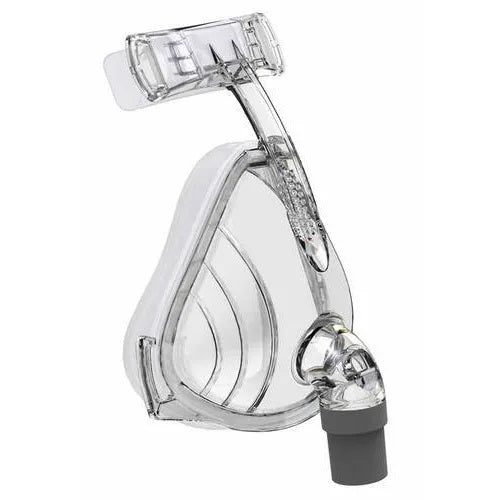
Type: Respiratory
Vented CPAP BIPAP Mask
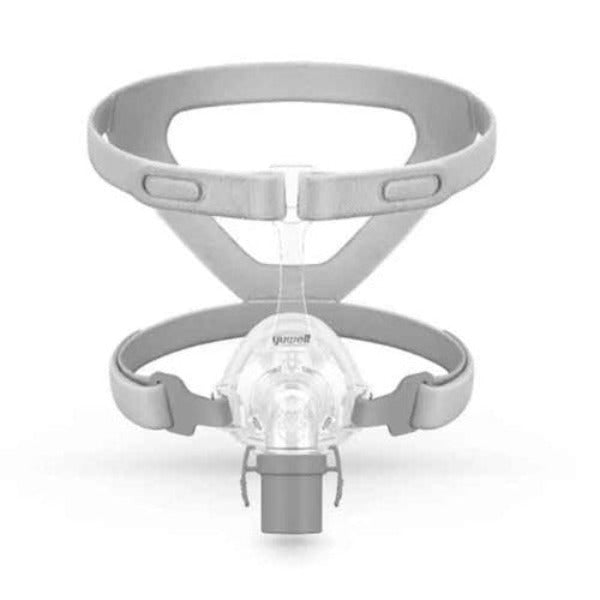
Type: Respiratory
CPAP Nasal Vented Mask Deluxe


Type: Anesthesia
ResPlus BiPAP Machine with Humidifier for Sleep Care

Type: Respiratory
Premium CPAP BiPAP Tubing
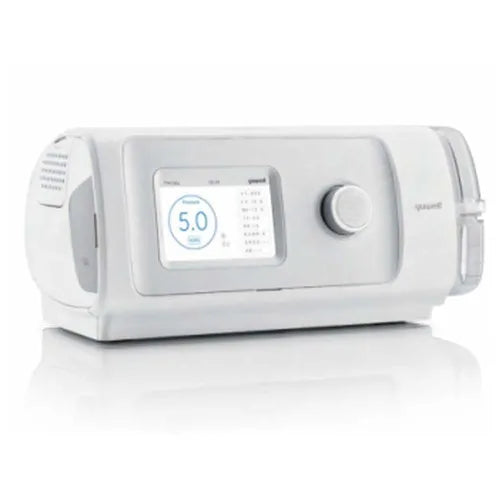
Type: Anesthesia
Yuwell BreathCare II YH-830 BiPAP Machine with Heated Humidifier


Type: Devices
Watch Sleep Apnea Device For Home
Collection:
Effective Strategies for Sleep Apnea Management
In this article, we explore methods to manage sleep apnoea.These include lifestyle changes, new devices, and other treatments.This guide helps patients, healthcare providers, and distributors.It supports them in handling this complex condition.

Types of Sleep Apnea
Sleep apnea primarily comes in two forms: Obstructive Sleep Apnea (OSA) and Central Sleep Apnea (CSA). OSA is the more prevalent type, occurring when throat muscles intermittently relax and block the airway during sleep. CSA, on the other hand, occurs when the brain fails to send the proper signals to the muscles that control breathing. Understanding these differences is crucial as they necessitate distinct management strategies to mitigate their impact on health.
Symptoms and Diagnosis
Common symptoms of sleep apnea include loud snoring, episodes of breathing cessation during sleep, abrupt awakenings accompanied by gasping or choking, morning headache, and excessive daytime sleepiness. Diagnosing sleep apnea typically involves a sleep study, which can be conducted at a sleep center or at home. Early diagnosis is essential for effective treatment and to prevent complications such as cardiovascular issues and daytime fatigue.
The Impact on Health
Sleep apnea can lead to a host of health problems if left untreated. It is associated with an increased risk of hypertension, heart disease, stroke, and diabetes. The condition can also result in poor concentration, memory problems, and a decrease in overall quality of life. Understanding the potential health impacts underscores the importance of seeking appropriate treatment and management strategies.
Lifestyle Modifications
Weight Management
One of the most significant lifestyle changes for managing sleep apnea is weight loss. Excess weight, particularly around the neck, can exacerbate airway obstruction. Studies have shown that even a modest weight reduction can alleviate symptoms. Incorporating a balanced diet and regular physical activity into one's routine can lead to gradual and sustainable weight loss, which in turn can significantly improve sleep apnea symptoms.
Sleep Position
Sleeping on one's back can worsen sleep apnea symptoms as gravity can cause the tongue and soft tissues to fall back and obstruct the airway. Side-sleeping is often recommended to keep the airway open. Using a body pillow or specialized devices can help maintain a side-sleeping position throughout the night. Additionally, elevating the head of the bed can also reduce symptoms by preventing airway collapse.
Alcohol and Smoking
Avoiding alcohol and smoking is crucial. Alcohol relaxes the muscles of the throat, which can worsen OSA, while smoking can increase inflammation and fluid retention in the airway. Quitting smoking and reducing alcohol consumption not only improve sleep apnea symptoms but also benefit overall health. Support groups, counseling, and cessation programs can be effective aids in making these lifestyle changes.
Exercise and Physical Activity
Regular exercise can help reduce the severity of sleep apnea by promoting weight loss and improving respiratory function. Activities such as brisk walking, cycling, and swimming are beneficial. Exercise also improves overall cardiovascular health, which is often compromised in individuals with sleep apnea. Establishing a consistent exercise routine can enhance sleep quality and reduce apnea episodes.
Nutritional Considerations
Diet plays a vital role in managing sleep apnea. A diet rich in fruits, vegetables, whole grains, and lean proteins can aid in weight management and improve overall health. Reducing sodium and avoiding processed foods can also help lower the risk of hypertension, a condition commonly associated with sleep apnea. Consulting a nutritionist can provide personalized dietary guidance to support sleep apnea management.
Innovative Devices

Mandibular Advancement Devices (MADs)
For those seeking sleep apnea treatment without CPAP, MADs are an effective alternative. These custom-fitted dental devices hold the lower jaw forward to keep the airway open. They are particularly useful for individuals with mild to moderate OSA and can be a comfortable and portable solution. Regular follow-ups with a dentist are essential to ensure the device's effectiveness and fit.
Newest Treatments and Devices
Advancements in sleep apnea management have introduced innovative devices like the Inspire therapy, an implantable device that stimulates the hypoglossal nerve to maintain an open airway during sleep. This minimally invasive option is suitable for patients who cannot tolerate CPAP. Other emerging technologies include positional therapy devices and tongue retaining devices, which offer additional options for personalized treatment.
Sleep Apnea Devices for Home Use
Home treatments have become increasingly sophisticated with devices that monitor sleep patterns and adjust treatment dynamically, providing personalized care without the confines of a sleep clinic. Smart CPAP machines and portable monitoring devices allow for convenient and effective management of sleep apnea. These devices often include features such as data tracking and remote monitoring, enabling healthcare providers to tailor treatment plans effectively.
Technological Innovations in Treatment
Recent technological innovations have led to the development of hybrid devices that combine CPAP with other therapies to enhance treatment outcomes. Advanced algorithms and machine learning are being integrated into sleep devices to analyze sleep patterns and optimize therapy settings in real-time. Such innovations aim to improve patient adherence and overall treatment efficacy.
Cost and Accessibility Considerations
While innovative devices offer promising solutions, cost and accessibility can be barriers for some patients. Insurance coverage for these devices varies, and patients may need to explore financial assistance programs. Increasing awareness and advocacy for broader insurance coverage can help improve access to these advanced treatments for a wider population.
Alternative and Complementary Treatments
Ayurvedic Treatment for Sleep Apnea
Some individuals have found relief through ayurvedic practices, which may include herbal supplements and breathing exercises designed to reduce stress and promote better sleep health. Ayurvedic practitioners often recommend lifestyle changes and dietary modifications tailored to the individual's constitution. These holistic approaches can complement conventional treatments and contribute to overall well-being.
Central Sleep Apnea Treatment Options
For CSA, treatment may involve addressing underlying conditions such as heart failure, or using adaptive servo-ventilation (ASV) devices, which adjust pressure dynamically to stabilize breathing patterns. Other options include medications that stimulate breathing and supplemental oxygen therapy. A comprehensive treatment plan often involves a multidisciplinary approach, including cardiologists and pulmonologists.
Role of Acupuncture and Chiropractic Care
Acupuncture and chiropractic care are emerging as complementary therapies for sleep apnea. Acupuncture may help by promoting relaxation and reducing stress, while chiropractic adjustments aim to improve respiratory function and overall alignment. While more research is needed, some patients report improvements in sleep quality and a reduction in apnea episodes with these therapies.
Mindfulness and Stress Reduction Techniques
Mindfulness practices, such as meditation and yoga, can help manage sleep apnea by reducing stress and promoting relaxation. These techniques can improve sleep quality and reduce the frequency of apnea episodes. Incorporating mindfulness into daily routines can enhance overall mental health and support better sleep hygiene.
Herbal Supplements and Natural Remedies
Herbal supplements, such as valerian root and melatonin, are often used to promote relaxation and improve sleep. Natural remedies, including essential oils and aromatherapy, can create a calming bedtime environment. Consulting with a healthcare provider before using supplements is essential to ensure safety and avoid interactions with other medications.
Tips for Better Sleep Health
Consistent Sleep Schedule
Maintaining a regular sleep schedule helps regulate the body's internal clock, making it easier to fall asleep and wake up naturally. Setting a consistent bedtime and wake-up time, even on weekends, reinforces this rhythm. Creating a pre-sleep routine, such as reading or taking a warm bath, can signal the body that it's time to wind down.
Creating a Sleep-Conducive Environment
A quiet, dark, and cool bedroom can significantly improve sleep quality. Consider blackout curtains, white noise machines, and temperature control to create an ideal sleep environment. Removing electronic devices and minimizing ambient light can further enhance sleep quality by reducing distractions and promoting melatonin production.
Relaxation Techniques
Incorporating relaxation techniques, such as mindfulness meditation or deep breathing exercises before bedtime, can help calm the mind and prepare the body for restful sleep. Progressive muscle relaxation and guided imagery are additional techniques that can promote relaxation. Consistently practicing these techniques can improve overall sleep quality and reduce stress-related sleep disturbances.
Limiting Screen Time Before Bed
Exposure to screens before bed can interfere with sleep by suppressing melatonin production. Limiting screen time at least an hour before bed can improve sleep quality. Instead, engage in calming activities such as reading a book or listening to soothing music to prepare the mind and body for sleep.
Hydration and Nutrition at Night
Staying hydrated is important, but excessive fluid intake before bed can lead to frequent awakenings. Consuming a light snack, such as a piece of fruit or a small portion of nuts, can prevent hunger pangs without disrupting sleep. Avoiding heavy meals and caffeine close to bedtime can also contribute to better sleep quality.
Navigating the Healthcare Landscape

For hospital administrators and medical equipment distributors, understanding the diverse range of sleep apnea solutions is crucial. The evolving landscape of healthcare technology offers opportunities to enhance patient care through innovative treatments and devices.
Procurement and Distribution Strategies
Hospital administrators need to balance budget constraints with the need for advanced equipment. Strategic procurement involving thorough market analysis and understanding technological advancements can lead to better decision-making. Establishing partnerships with manufacturers and suppliers can also ensure timely access to the latest devices and innovations.
For distributors, identifying market demands and differentiating products in a competitive landscape are essential. Keeping up with regulatory requirements and technological innovations can provide a competitive edge and expand market share. Offering training and support services can further enhance customer satisfaction and loyalty.
Consulting and Integration
Healthcare technology consultants play a pivotal role in guiding clients through the complexities of technology integration. By staying current with trends and innovations, consultants can offer valuable insights that help optimize treatment strategies and improve patient outcomes. Collaborating with healthcare providers to tailor solutions to specific needs can maximize the impact of new technologies.
Regulatory and Compliance Considerations
Navigating regulatory and compliance requirements is essential for healthcare providers and distributors. Ensuring that devices meet safety and efficacy standards is critical for patient safety. Staying informed about changes in regulations and industry standards can prevent compliance issues and enhance the credibility of healthcare organizations.
Training and Education Initiatives
Training and education are vital components of successful technology integration. Providing comprehensive training for healthcare providers and staff ensures effective use of new devices and treatments. Continuous education initiatives can keep healthcare professionals updated on the latest advancements and best practices in sleep apnea management.
Future Trends and Innovations
The future of sleep apnea management is poised for exciting advancements, with ongoing research and development driving innovation. Emerging technologies, such as artificial intelligence and telemedicine, are set to revolutionize patient care. Staying informed about these trends can prepare healthcare providers and distributors to adapt to the evolving landscape and continue delivering high-quality care.
Conclusion
Sleep apnea is a complex condition requiring a multifaceted approach to management. From lifestyle modifications and innovative devices to alternative treatments and healthcare strategies, there are numerous paths to improved sleep health and quality of life.
By understanding and leveraging these strategies, individuals, healthcare providers, and distributors can effectively navigate the challenges of sleep apnea, offering patients the best possible care and outcomes.
Whether you are a hospital administrator looking to optimize procurement, a distributor seeking to expand your market share, or a consultant providing strategic insights, staying informed about the latest in sleep apnea management is crucial in the dynamic healthcare landscape.