Filter
4 products
Type: Sphygmomanometer
Mercury Free Sphygmomanometer LCD BP Apparatus Clinical Use
Type: Sphygmomanometer
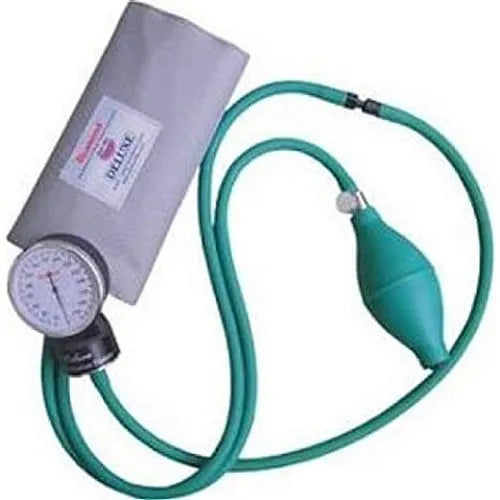
Diamond Dial Deluxe Sphygmomanometer with Field Calibration BP Apparatus
Type: Sphygmomanometer
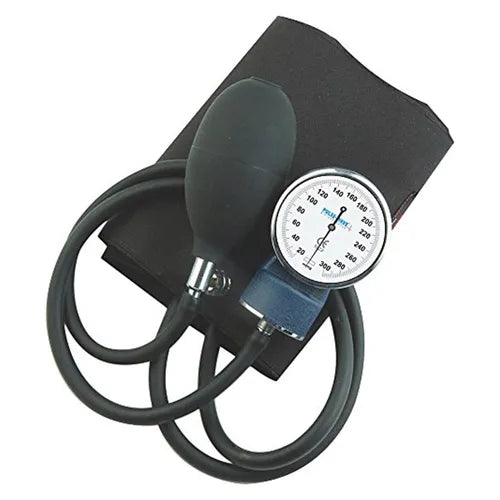
Portable Aneroid Sphygomanometer
Type: Sphygmomanometer
Palm Type Aneroid Sphygmomanometer BP Monitor with Stethoscope
Collection:
Sphygmomanometer | Types and Usage Explained
Monitoring blood pressure has become an essential part of modern healthcare, both in hospitals and at home. Whether used by doctors, nurses, or patients, the sphygmomanometer remains a fundamental device for assessing cardiovascular health. Despite being widely used, many people are not fully aware of the sphygmomanometer parts, how it functions, and the different types available in clinical practice.
This comprehensive guide explains everything about sphygmomanometers, including their meaning, working mechanism, parts, types, usage, comparison, and practical importance in healthcare settings. The content is designed for healthcare professionals as well as individuals seeking a deeper understanding of blood pressure monitoring.
Quick Facts
- A sphygmomanometer is used to measure blood pressure.
- It helps detect hypertension and cardiovascular risks.
- Available in mercury, aneroid, and digital types.
- Essential device in hospitals, clinics, and home care.
What is a Sphygmomanometer?
A sphygmomanometer is a medical device used to measure blood pressure by evaluating the force exerted by circulating blood on the walls of arteries. It is one of the most important diagnostic tools in both clinical and home healthcare settings.
In simple terms, when people ask "sphygmomanometer is used to measure what?", the answer is blood pressure, specifically:
- Systolic Pressure – Pressure during heart contraction
- Diastolic Pressure – Pressure during heart relaxation
The term sphygmomanometer meaning comes from Greek words:
- Sphygmo – Pulse
- Manometer – Pressure measuring device
Thus, the device literally means a tool for measuring pulse pressure.
Sphygmomanometer Parts
Understanding the sphygmomanometer parts name is important for proper usage and maintenance. The device consists of four main components:
| Part | Function |
|---|---|
| Inflatable Cuff | Wraps around the arm and restricts blood flow |
| Pressure Gauge | Displays blood pressure readings |
| Bulb & Valve | Inflates and deflates the cuff |
| Tubing | Connects all components |
These components work together to measure arterial pressure accurately during blood flow restriction and release.
How Does a Sphygmomanometer Work?
The working principle of a sphygmomanometer is based on temporarily stopping blood flow and then slowly releasing pressure to detect arterial pulse sounds. In manual devices, a stethoscope is used to hear these sounds (Korotkoff sounds).
- The cuff is inflated to block blood flow
- Pressure is slowly released
- First sound = systolic pressure
- Sound disappearance = diastolic pressure
Types of Sphygmomanometers
1. Mercury Sphygmomanometer
Considered the gold standard, it uses a mercury column for accurate readings.
- Highly accurate
- Used in hospitals
- Not portable
2. Aneroid Sphygmomanometer
Uses a mechanical dial instead of mercury.
- Portable
- Requires calibration
- Widely used in clinics
3. Digital Sphygmomanometer
Automatic device with electronic display, suitable for home use.
- Easy to use
- No training required
- Battery operated
Comparison of Sphygmomanometer Types
| Feature | Mercury | Aneroid | Digital |
|---|---|---|---|
| Accuracy | High | Moderate | Moderate |
| Portability | Low | High | Very High |
| Ease of Use | Requires Training | Requires Training | Easy |
How to Use a Sphygmomanometer
- Sit comfortably with back support
- Wrap cuff above elbow
- Place stethoscope on artery
- Inflate cuff
- Release slowly
- Record readings
Uses of Sphygmomanometer
- Detect hypertension
- Monitor treatment
- Routine check-ups
- Critical care monitoring
- Home health monitoring
Important Information You Should Know
Understanding key facts about a sphygmomanometer helps ensure accurate blood pressure monitoring and better clinical decision-making. Whether you are a healthcare professional or using a BP monitor at home, these essential points provide clarity on its usage and importance.
What is a sphygmomanometer used to measure?
A sphygmomanometer is specifically used to measure blood pressure, including both systolic (pressure during heart contraction) and diastolic (pressure during heart relaxation) values. These readings are essential for diagnosing hypertension, monitoring cardiovascular health, and evaluating treatment effectiveness.
How do you pronounce sphygmomanometer?
The word may seem complex, but it is commonly pronounced as “Sfig-mo-man-om-e-ter”. Understanding the pronunciation helps in clear communication, especially in clinical and educational environments.
What’s the best time of day to check blood pressure?
Blood pressure is best measured in the morning before eating or taking medications and again in the evening. Consistent timing helps track accurate trends and reduces variability caused by daily activities.
What are the three main types of sphygmomanometers?
There are three primary types:
- Mercury sphygmomanometer – Highly accurate and used in clinical settings
- Aneroid sphygmomanometer – Portable and commonly used by professionals
- Digital sphygmomanometer – Easy to use and ideal for home monitoring
Frequently Asked Questions (FAQ)
Conclusion
The sphygmomanometer remains one of the most essential tools in healthcare for monitoring blood pressure and detecting cardiovascular risks. Understanding its parts, working, and types helps ensure accurate measurement and better health management.
Whether used in hospitals or at home, choosing the right device and using it correctly can significantly improve early diagnosis and long-term health outcomes.