
Filter
3 products
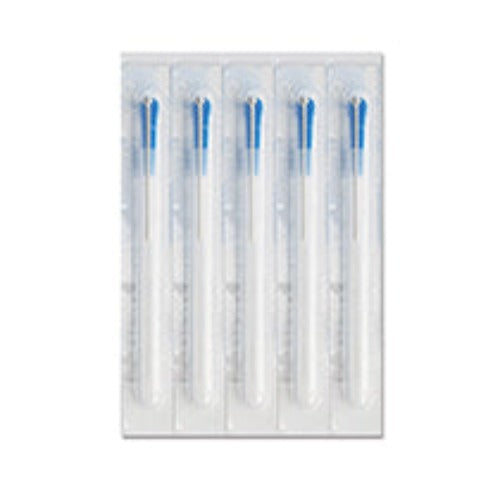

Type: Physiotherapy
Acupuncture Needles with Guide Tube (Pack of 100)
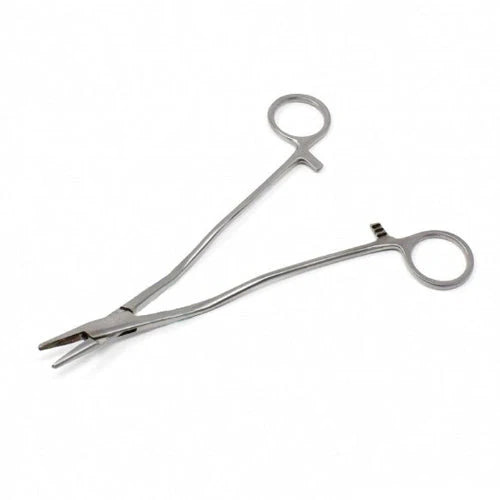
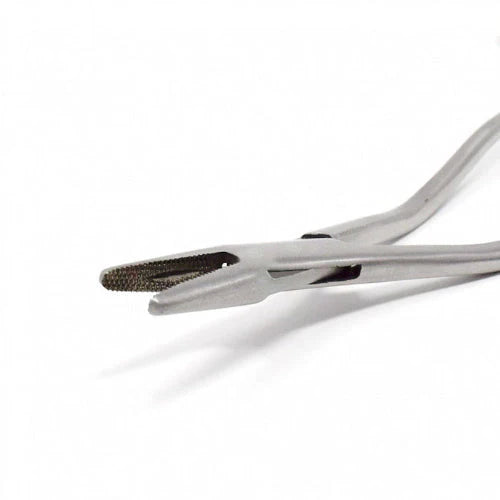
Type: Instruments
Bozeman Needle Holder
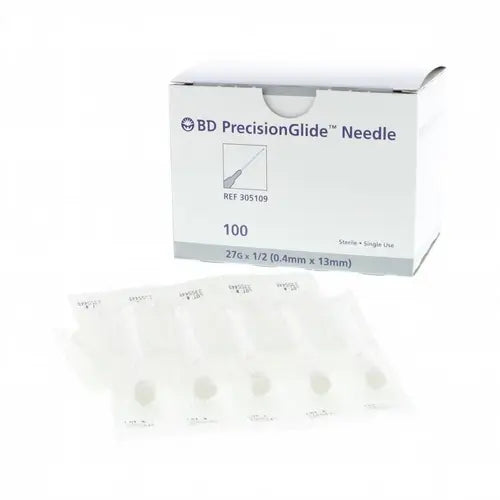
Type: Nursing
BD Precision Glide Needles (Pack Of 4)
Collection:
Spinal Needle: Complete Clinical Guide for Healthcare Professionals
A spinal needle is a highly specialized medical instrument used in diagnostic and therapeutic procedures involving the spinal canal. It plays a critical role in anesthesia delivery, cerebrospinal fluid (CSF) collection, and neurological diagnostics. For healthcare professionals including doctors, anesthesiologists, physiotherapists, nurses, and OT staff, understanding the design, size variations, and clinical applications of spinal needles is essential for safe and effective patient care.
What is a Spinal Needle?
A spinal needle is a long, thin, hollow needle designed to access the subarachnoid space of the spinal canal. This space contains cerebrospinal fluid (CSF), which surrounds and protects the brain and spinal cord. The needle allows clinicians to either inject medications (such as anesthetics) or withdraw CSF for diagnostic purposes.
Unlike standard hypodermic needles, spinal needles are engineered with precision tips, calibrated lengths, and color-coded hubs to ensure accurate placement and minimal tissue trauma.
Clinical Importance of Spinal Needles
- Essential for spinal anesthesia during surgeries
- Used in lumbar puncture procedures
- Critical in diagnosing neurological disorders
- Helps measure CSF pressure
- Supports intrathecal drug administration
What is a Spinal Needle Used For?
The primary function of a spinal needle is to access the central nervous system safely. It is widely used in:
- Spinal Anesthesia: Common in orthopedic, gynecological, and urological surgeries
- Lumbar Puncture: Collection of CSF for lab analysis
- Intrathecal Drug Delivery: Chemotherapy, antibiotics, or pain management drugs
- Diagnostic Procedures: Detect infections like meningitis or neurological diseases
The design ensures controlled penetration through layers including skin, ligaments, and dura mater, minimizing complications.
Types of Spinal Needles
| Type | Tip Design | Clinical Use |
|---|---|---|
| Quincke Spinal Needle | Cutting bevel tip | Standard lumbar puncture |
| Whitacre Needle | Pencil-point tip | Reduced post-dural puncture headache |
| Sprotte Needle | Non-cutting atraumatic | Advanced anesthesia procedures |
| Greene Needle | Modified tip | Specialized applications |
Quincke Spinal Needle (Most Common Type)
The Quincke spinal needle is the most widely used spinal needle globally. It features a sharp, cutting bevel tip that allows easy penetration through tissues.
It is particularly preferred in:
- Routine lumbar puncture
- Emergency procedures
- Settings where precision and speed are critical
Size and Colour Coding
Spinal needles come in various sizes measured in gauge (G). The gauge determines the diameter of the needle. Each size is color-coded for easy identification in clinical environments.
| Gauge | Color Code | Common Use |
|---|---|---|
| 18G | Pink | High flow CSF collection |
| 20G | Yellow | General procedures |
| 22G | Black | Standard spinal anesthesia |
| 25G | Orange | Reduced complication risk |
| 27G | Grey | Minimal trauma procedures |
What is a 25G Spinal Needle Used For?
A 25G spinal needle is commonly used for procedures requiring minimal tissue trauma. Due to its smaller diameter, it significantly reduces the risk of:
- Post-dural puncture headache (PDPH)
- Bleeding complications
- Patient discomfort
It is widely used in spinal anesthesia for obstetrics and elective surgeries where patient safety is a priority.
What Size is Commonly Used?
The most commonly used spinal needle sizes are:
- 22G: Standard choice for most procedures
- 25G: Preferred for reduced complications
- 27G: Used in highly sensitive cases
The choice depends on patient condition, procedure type, and clinician preference.
Clinical Note
Always select the appropriate gauge based on the clinical requirement. Using a needle that is too large may increase complication risks, while a very fine needle may make CSF collection difficult.
Quick Tips
- Always verify needle size before procedure
- Use sterile technique at all times
- Check color coding for quick identification
- Prefer atraumatic needles when possible
Warnings
- Do not reuse spinal needles
- Avoid improper insertion angle
- Ensure patient positioning is correct
- Monitor for post-procedure complications
This section provides an in-depth clinical exploration of spinal needle applications, focusing on BD Quinck, procedural techniques, safety considerations, and advanced hospital usage protocols. This content is structured specifically for doctors, anesthesiologists, OT staff, and clinical practitioners who require precise, evidence-based understanding.
What are BD Quincke Spinal Needles Used For?
BD Quincke spinal needles are among the most widely used spinal needles in clinical practice. Their defining feature is a sharp cutting bevel tip, which allows controlled penetration through tissue layers including the dura mater.
These needles are primarily used in:
- Lumbar puncture: For collecting cerebrospinal fluid (CSF) in diagnostic procedures such as meningitis, multiple sclerosis, and intracranial pressure assessment.
- Spinal anesthesia: Used extensively in surgeries such as cesarean section, orthopedic procedures, and lower abdominal operations.
- Intrathecal drug delivery: For administering anesthetics, antibiotics, or chemotherapy directly into the CSF.
- Emergency neurology procedures: Rapid diagnosis in critical care settings.
Due to their cutting design, Quincke needles allow faster insertion, making them suitable for emergency and high-pressure clinical environments. However, they require skilled handling to minimize complications such as post-dural puncture headache (PDPH).
What Sizes are Available for BD Quincke Spinal Needles?
BD Quincke spinal needles are available in a wide range of sizes to accommodate different patient populations and procedural requirements. The size is defined by gauge (G) and length.
Common available sizes include:
- 18G spinal needle – Used for rapid CSF flow in specific diagnostic procedures
- 20G spinal needle – Moderate flow and commonly used in adult patients
- 22G spinal needle – Standard size for spinal anesthesia
- 25G spinal needle – Preferred for minimizing complications
- 27G spinal needle – Ultra-fine, used for delicate procedures
The selection of size depends on:
- Patient anatomy (adult vs pediatric)
- Type of procedure
- Required CSF flow rate
- Risk of complications
Variants Table
| Variant | Gauge | Length | Application |
|---|---|---|---|
| Standard Quincke | 22G | 90 mm | General spinal anesthesia |
| Fine Quincke | 25G | 90 mm | Low trauma procedures |
| Ultra-Fine Quincke | 27G | 90 mm | Pediatric / sensitive cases |
| Heavy Flow Quincke | 18G | 90-120 mm | Rapid CSF collection |
Are BD Quincke Spinal Needles Reusable?
No, BD Quincke spinal needles are strictly single-use devices.
They are manufactured under sterile conditions and are intended for one-time use only. Reusing spinal needles can lead to:
- Severe infections (including meningitis)
- Cross-contamination between patients
- Loss of needle sharpness leading to tissue trauma
- Compromised procedural accuracy
In modern clinical practice, strict adherence to single-use protocols is mandatory as per infection control guidelines.
What Safety Precautions Should Be Taken When Using BD Quincke Spinal Needles?
Safety is a critical component of spinal procedures. Proper technique and adherence to protocols significantly reduce complications.
Pre-Procedure Safety
- Confirm patient identity and indication
- Check for contraindications (infection, coagulopathy)
- Ensure sterile environment
- Select correct needle size and type
During Procedure
- Maintain aseptic technique
- Use correct anatomical landmarks (L3-L4 or L4-L5)
- Insert needle slowly with controlled force
- Avoid multiple puncture attempts
Post-Procedure Care
- Monitor for headache or neurological symptoms
- Ensure patient hydration
- Observe for infection signs
How to Use (Step-by-Step Clinical Protocol)
Step 1: Patient Positioning
Position the patient in lateral decubitus or sitting position. Proper spinal flexion increases intervertebral space for easier needle insertion.
Step 2: Site Preparation
Clean the lumbar region using antiseptic solution and apply sterile drapes.
Step 3: Needle Insertion
Insert the spinal needle at the L3-L4 or L4-L5 interspace. Advance slowly until a “pop” sensation indicates entry into the subarachnoid space.
Step 4: CSF Confirmation
Remove stylet and confirm free flow of cerebrospinal fluid.
Step 5: Drug Administration / Sample Collection
Administer anesthetic or collect CSF as required.
Step 6: Needle Removal
Withdraw needle carefully and apply sterile dressing.
Compare Table: Quincke vs Atraumatic Needles
| Feature | Quincke Needle | Atraumatic Needle |
|---|---|---|
| Tip Type | Cutting | Pencil-point |
| Ease of Insertion | High | Moderate |
| PDPH Risk | Higher | Lower |
| Common Use | Routine procedures | Advanced/low-risk procedures |
Clinical Notes
- Always align bevel parallel to dural fibers to reduce trauma
- Use smaller gauge needles when possible
- Ensure proper training before performing spinal procedures
Quick Tips
- Choose 25G or 27G for reduced headache risk
- Always check needle integrity before use
- Use introducer needle for fine gauges
- Maintain patient calm and stillness during procedure
Warnings
- Incorrect insertion can cause nerve injury
- Multiple attempts increase complication risk
- Improper sterilization can lead to infection
- Never reuse spinal needles
This section focuses on clinical decision-making, complication management, advanced usage strategies, and hospital-level optimization for spinal needle procedures. Designed for medical professionals, this content ensures a deep understanding of how to maximize safety, efficiency, and patient outcomes.
How to Choose the Right Spinal Needle (Clinical Buying Guide)
Selecting the correct spinal needle is critical for procedural success and minimizing complications. The choice depends on multiple clinical factors.
Key Selection Factors
- Gauge Size: Smaller gauges (25G–27G) reduce complications but may slow CSF flow
- Needle Type: Quincke vs atraumatic depending on procedure
- Length: Based on patient body habitus
- Clinical Setting: Emergency vs elective procedures
For routine hospital use, 22G and 25G Quincke spinal needles are most commonly preferred due to their balance of performance and safety.
Top 5 Spinal Needle Options (Clinical Preference)
| Rank | Product Type | Best For | Key Advantage |
|---|---|---|---|
| 1 | BD Quincke 25G | Spinal anesthesia | Low complication risk |
| 2 | BD Quincke 22G | General procedures | Balanced performance |
| 3 | Whitacre Needle | Atraumatic procedures | Reduced PDPH |
| 4 | Sprotte Needle | Advanced anesthesia | High precision |
| 5 | 18G Spinal Needle | CSF collection | High flow rate |
Benefits of Using Spinal Needles
- Precise drug delivery into CSF
- Rapid onset of anesthesia
- Minimal systemic drug exposure
- High diagnostic accuracy
- Reduced recovery time in patients
Common Complications & Risk Management
1. Post-Dural Puncture Headache (PDPH)
One of the most common complications. Caused by CSF leakage through the puncture site.
2. Infection
Occurs due to poor aseptic technique. Can lead to meningitis if not managed properly.
3. Bleeding / Hematoma
More common in patients with coagulation disorders.
4. Nerve Injury
Rare but serious. Caused by incorrect needle placement.
Risk Management Table
| Complication | Cause | Prevention |
|---|---|---|
| PDPH | Large needle / cutting tip | Use smaller gauge or atraumatic needle |
| Infection | Poor hygiene | Strict aseptic technique |
| Bleeding | Coagulopathy | Pre-procedure screening |
| Nerve Injury | Incorrect insertion | Proper anatomical technique |
Spinal Needle Colour Coding System (Detailed)
Color coding helps clinicians quickly identify needle gauge in high-pressure environments like OT and ICU.
| Gauge | Color | Clinical Use |
|---|---|---|
| 18G | Pink | High flow CSF |
| 20G | Yellow | Moderate procedures |
| 22G | Black | Standard anesthesia |
| 25G | Orange | Low trauma procedures |
| 27G | Grey | Delicate procedures |
Clinical Notes
- Always align bevel parallel to dural fibers
- Use introducer needle for smaller gauges
- Ensure patient hydration post procedure
- Minimize number of puncture attempts
Quick Tips
- Use 25G for most safe outcomes
- Always confirm CSF flow before drug injection
- Keep emergency equipment ready
- Monitor patient vitals continuously
Warnings
- Do not perform without proper training
- Avoid in patients with infection at puncture site
- Incorrect technique may cause permanent damage
- Always follow hospital protocols
Advanced Clinical Insight
Modern anesthesia practice is shifting toward atraumatic spinal needles due to reduced complication rates. However, Quincke needles still dominate due to their ease of use and availability.
Hospitals must balance between:
- Cost efficiency
- Clinical safety
- Ease of training
- Procedure success rate
Advanced Clinical FAQ:
BD Quincke spinal needles are widely used in clinical practice for accessing the subarachnoid space to perform spinal anesthesia, cerebrospinal fluid (CSF) collection, and diagnostic lumbar puncture procedures. These needles feature a cutting bevel tip design, which allows smooth penetration through skin, ligaments, and dura mater with minimal resistance. This makes them highly suitable in high-volume operating theaters (OT), emergency departments, and critical care units.
In obstetrics, they are frequently used for cesarean sections and labor analgesia, while in neurology they play a vital role in diagnosing infections like meningitis or conditions such as multiple sclerosis. Their reliability, sharpness, and consistent CSF flow make them a preferred choice among anesthesiologists and physicians globally.
Spinal needles are available in a wide range of gauges, typically from 18G to 27G. The choice of size depends on the procedure type, patient anatomy, and clinical objective. Larger gauges such as 18G or 20G are primarily used for diagnostic lumbar punctures where faster CSF collection is required. However, these are associated with higher risk of post-dural puncture headache (PDPH).
For spinal anesthesia, smaller gauges like 25G and 26G are most commonly used. These needles reduce trauma to the dura and significantly lower complication rates. The length of the needle also varies (usually 90–120 mm), allowing clinicians to adapt based on patient body habitus. In modern clinical practice, selecting the appropriate spinal needle size is critical for ensuring both procedural success and patient safety.
No, spinal needles are strictly single-use medical devices and must never be reused under any circumstances. Reusing spinal needles poses a serious risk of infection transmission, including life-threatening conditions such as meningitis, sepsis, and viral infections. Additionally, repeated use dulls the needle tip, increasing tissue trauma and procedural difficulty.
Healthcare regulatory bodies and infection control protocols mandate proper disposal of spinal needles immediately after use. Hospitals and clinics must follow biomedical waste management guidelines to ensure safe disposal. Using sterile, single-use spinal needles is essential for maintaining patient safety and clinical standards.
Using spinal needles requires strict adherence to aseptic and clinical safety protocols. First, the procedure must be performed in a sterile environment using proper hand hygiene and personal protective equipment (PPE). The insertion site should be disinfected thoroughly to minimize infection risk.
Clinicians must ensure correct patient positioning and accurate identification of anatomical landmarks. The needle should be inserted gently with controlled force to avoid nerve injury. Continuous monitoring of patient vitals during and after the procedure is essential. Additionally, proper disposal of used needles in sharps containers prevents needle-stick injuries and cross-contamination.
A 25G spinal needle is one of the most commonly used sizes for spinal anesthesia due to its optimal balance between flexibility and reduced tissue trauma. It is particularly effective in procedures requiring minimal patient discomfort, such as cesarean sections and lower limb surgeries.
Smaller gauge needles like 25G reduce the incidence of post-dural puncture headache (PDPH) while still allowing adequate cerebrospinal fluid flow for confirmation of needle placement. These needles are preferred in modern anesthetic practice because they improve patient outcomes and enhance procedural precision.
The primary difference between Quincke and atraumatic spinal needles lies in their tip design. Quincke needles have a cutting bevel tip that slices through tissues, making insertion easier but increasing the risk of post-procedure complications such as PDPH.
Atraumatic needles (like Whitacre or Sprotte) feature a pencil-point tip that separates rather than cuts dural fibers. This significantly reduces tissue damage and lowers the risk of complications. While Quincke needles are widely used due to their simplicity and cost-effectiveness, atraumatic needles are increasingly preferred in advanced clinical settings for improved patient safety.
Why Choose MeddeyGo?
MeddeyGo stands as a trusted partner for healthcare professionals seeking high-quality spinal needles and surgical instruments. Our products are designed to meet international clinical standards and are widely used in hospitals, clinics, and operating theaters.
- ✔ Premium-grade spinal needles with precise engineering
- ✔ Wide range of sizes including 18G, 22G, 25G, and 27G
- ✔ Reliable supply chain for hospitals and bulk buyers
- ✔ Strict quality assurance and safety compliance
- ✔ Trusted by doctors, anesthesiologists, and OT staff
Conclusion:
Spinal needles play a critical role in modern medical practice, particularly in anesthesia, diagnostics, and pain management. Their design, size, and application directly influence patient outcomes and procedural safety. Understanding the differences between spinal needle types, selecting the appropriate gauge, and following strict clinical protocols are essential for minimizing risks and ensuring successful procedures.