
Filter
5 products
Type: General Instruments
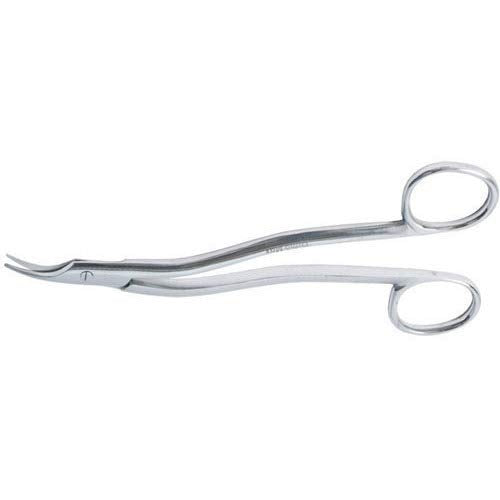
Suture Cutting Scissor 6 inch
Type: Instruments
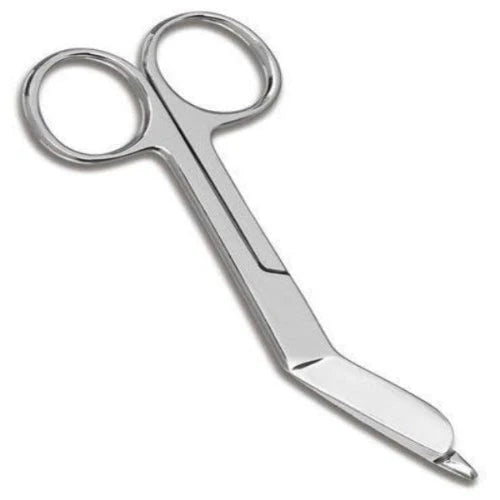
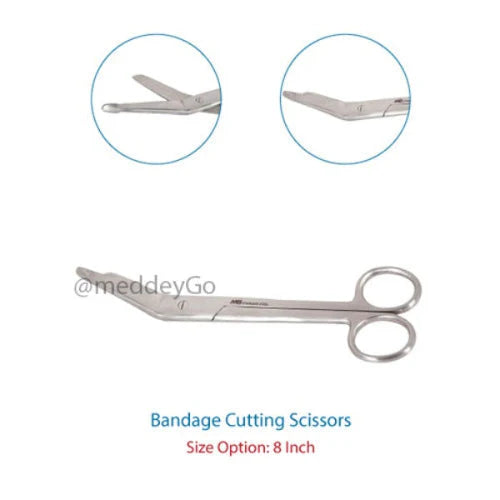
Bandage and Plaster Cutting Scissor 7.5 Inch
Type: Instrument
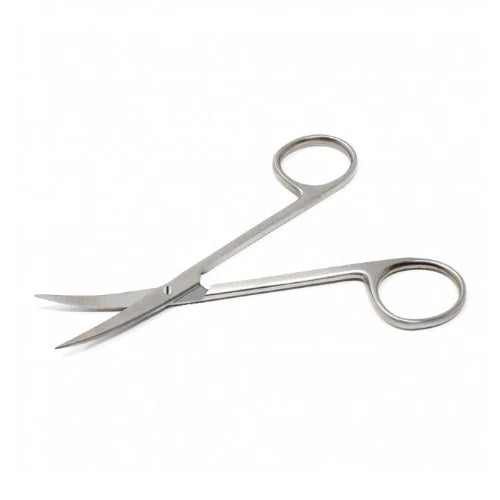
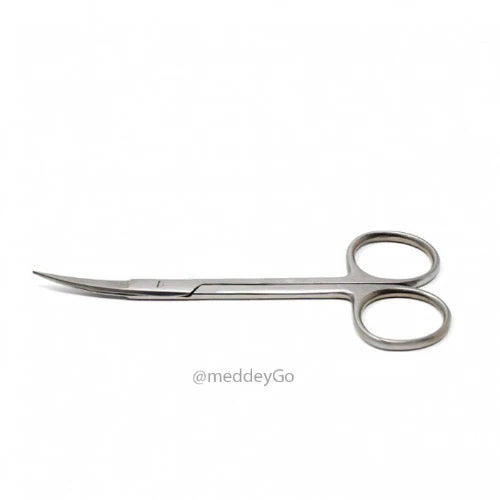
Cuticle Scissors (Curved)


Type: General Instruments
Suture Cutting Scissor Stainless Steel 6 Inch
Type: Surgical Scissors
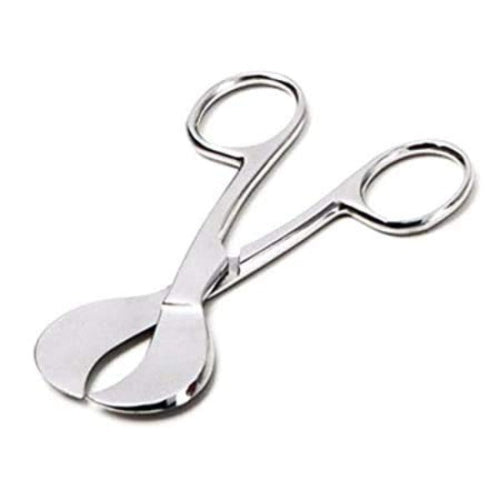
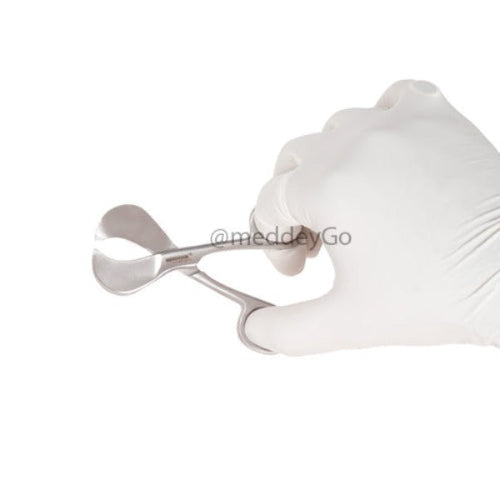
Umbilical Cord Cutting Scissor
Collection:
Stitch Cutting Scissors: Uses, Parts, Types, and Complete Guide
Introduction: Why Stitch Cutting Scissors Matter in Clinical Practice
Stitch cutting scissors are among the most practical and widely used minor-procedure instruments in medicine because they are specifically designed for a task that happens every day in hospitals, clinics, dressing rooms, and post-operative care areas: the cutting and safe removal of sutures. Although many people assume that any small scissor can cut stitches, that is not the safest or most professional approach. Suture-removal instruments are designed to make the job cleaner, more precise, and less traumatic to the surrounding skin or wound area.
This is why the topic is searched under many related names, such as suture removal scissors, stitch scissors, suture scissors, suture cutter, and stitch cutting forceps. Some searches are purely instrument-related, while others reflect practical confusion between scissors and forceps used during suture removal. A buyer may know the procedure but not the exact instrument name, so they use whichever term comes to mind.
Current educational and product pages consistently describe suture cutting scissors as specialized scissors designed to cut and remove stitches after wound closure and healing. Current Heath scissor listings also describe them as suitable for cutting sutures and, in some dental or minor-surgical contexts, cutting gums or bandages, which explains why the Heath pattern is so often mentioned in seller catalogs.
This article explains what stitch cutting scissors are, how they differ from general scissors, what suture removal scissors are used for, what the main parts are, what Heath suture cutting scissors are, how these instruments differ from stitch cutting forceps, and how hospitals and clinics should choose the right type for actual procedural use.
Post-Operative Care
Useful for safe stitch removal once wound healing has progressed to the appropriate stage.
Clinics & Dressing Rooms
Commonly used in OPD follow-up, dressing changes, and wound review appointments.
Medical Education
Important for understanding minor instrument categories and differences between cutting and holding tools.
What Are Stitch Cutting Scissors?
Stitch cutting scissors are specialized surgical scissors designed for cutting sutures and assisting with stitch removal. They are not ordinary household scissors, nor are they the same as large tissue-cutting scissors used during major surgery. Their design focuses on precision, controlled cutting, and reduced trauma to surrounding skin during or after wound care.
Current educational pages define suture scissors as scissors used to cut or remove sutures during or after wound closure. Current product pages for Heath and other suture-removal scissors also emphasize fine tips, pointed or angled blade ends, and ring-handle ergonomic control.
In practical terms, the instrument is made for a very specific job: getting close to the stitch material without unnecessarily cutting skin, dressings, or adjacent tissue.
Simple Definition
Stitch cutting scissors are small surgical scissors designed specifically to cut and help remove sutures safely and precisely.
Suture Removal Scissors and Why They Are Different
The term suture removal scissors is often used interchangeably with stitch cutting scissors, and in many practical settings the two refer to the same or closely related instrument category. What makes them different from general-purpose scissors is that they are optimized for post-suture care. Their blade geometry, tip design, and handling balance are chosen so that the clinician can slip under or near the stitch and cut it with minimal disturbance.
Current medical and instrument pages explain that these scissors are designed specifically for removing stitches after wound healing and that they reduce tissue trauma during the process. Some commonly used removal patterns have a small hook or special angled tip, while Heath-style scissors are more associated with fine sharp-pointed or beveled cutting profiles.
This is why a proper suture-removal instrument is preferable to a random small scissor. It is built to perform a specific clinical task more safely and cleanly.
Precision Cutting
Designed for clean suture cutting close to the knot or skin without rough tearing.
Reduced Trauma
Helps remove stitches with less unnecessary disturbance to the wound area.
Fine Control
Small size and ring handles improve accuracy in minor wound-care procedures.
Post-Op Utility
Useful in dressing rooms, follow-up care, and routine stitch removal settings.
Stitch Cutting Scissors Uses
The most important practical question is stitch cutting scissors uses. Their primary use is simple: to cut sutures during removal. However, the full practical role is slightly broader than that.
Current pages and educational sources commonly associate these scissors with:
- Removing stitches after wound healing
- Cutting surgical sutures cleanly and precisely
- Assisting in dressing changes and wound review settings
- Minor bedside or clinic procedures requiring fine cutting
- Bandage or dressing trimming in some patterns such as Heath scissors
The Heath suture cutting scissor uses are sometimes described more broadly in seller pages, including gums, sutures, and bandages in dental and oral-surgery contexts. That makes the Heath pattern slightly broader in some catalogs than a strict stitch-removal-only scissor.
Use Principle
Stitch cutting scissors are mainly for cutting and removing sutures, but some patterns are also used for fine dressing or minor surgical trimming tasks.
Suture Cutting Scissors Uses in Post-Operative Care
In post-operative care, suture cutting scissors are among the most practical minor instruments because follow-up visits often involve stitch inspection, dressing change, and eventual removal. A proper scissor allows the clinician to get under the suture, cut it accurately, and minimize discomfort during removal.
This is especially important because removing stitches is not just about cutting thread. It is about cutting the correct part of the thread while avoiding unnecessary pulling of contaminated exposed suture material back through tissue. That is why fine, purposeful scissors matter.
Current educational pages describe these scissors as purpose-built for safe and efficient post-surgical stitch removal.
Suture Scissors vs General Surgical Scissors
A common mistake is thinking that suture scissors are basically just smaller versions of general surgical scissors. In reality, they serve a more specific role. General surgical scissors such as Mayo or Metzenbaum are chosen for tissue, fascia, or dissection-related cutting depending on the pattern. Stitch cutting scissors are optimized for sutures and minor wound-care precision.
Current educational sources clearly distinguish suture scissors from regular surgical scissors by noting that they are specialized for cutting or removing stitches during or after wound closure.
This difference matters because using the wrong scissor may make removal awkward, less controlled, or less comfortable for the patient.
| Instrument Type | Main Purpose | Typical Context |
|---|---|---|
| Stitch Cutting Scissors | Suture cutting and removal | Post-op care, dressing room, follow-up visit |
| Mayo Scissors | Heavier cutting | Tough tissue or surgical material cutting |
| Metzenbaum Scissors | Fine tissue dissection | Soft tissue surgical procedures |
| Bandage Scissors | Dressing or bandage cutting | Ward, nursing, emergency dressing work |
Stitch Cutting Scissors Parts
Understanding stitch cutting scissors parts helps both learners and buyers, especially because small surgical scissors can look similar at first glance. A stitch cutting scissor usually contains the same fundamental scissor parts as other ring-handled instruments, but the blade and tip area are especially important.
The main parts include:
- Finger rings for grip and control
- Shanks connecting handles to the blades
- Box lock or screw joint acting as the hinge
- Blades that perform the cutting
- Tips designed for precision access near sutures
- Inner cutting edges that determine how cleanly the suture is cut
Current product descriptions commonly emphasize ergonomic ring handles, hinge-based movement, and sharp or beveled cutting tips. Some Heath patterns are specifically described with pointed or beveled tips and smooth or serrated blade variants depending on intended use.
Finger Rings
Provide controlled grip for precise minor wound-care cutting.
Hinge Joint
Lets the blades move smoothly and maintain alignment during cutting.
Fine Blades
Designed to reach and cut sutures accurately without bulky handling.
Tip Design
One of the most important features because it determines access around the stitch.
Suture Cutting Scissor Parts and Why Tip Design Matters
The most clinically important part of a suture cutting scissor is usually the blade-tip region. This is because stitch removal happens very close to skin or tissue surface, and the clinician needs good visibility and controlled access. Some stitch removal scissors have hooked tips, while others like Heath-type patterns are described with fine pointed or beveled tips.
Current Heath product pages mention pointed, sharp, or beveled tip styles and also mention smooth or serrated blade options in some catalogs. This means the exact cutting feel may vary across manufacturers, but the practical goal remains the same: precise suture access and controlled cutting.
That is why a good stitch scissor is judged not only by length, but also by how well its tip shape supports the intended removal technique.
What Are Heath Suture Cutting Scissors?
Heath suture cutting scissors are a recognized scissor pattern commonly listed in dental and surgical catalogs for suture cutting and removal. Current product pages describe Heath scissors as instruments used for sutures and, in some catalogs, also for gums and bandages. They are often shown around 15 to 15.5 cm in length and may include sharp pointed or beveled tips with smooth or serrated blade options.
In practical buying language, the Heath pattern is especially popular in oral surgery, dental surgery, and minor procedure setups. That is why many current Indian seller pages are dental or oral-surgery oriented. However, the instrument’s basic utility remains broader than dentistry alone because it still functions as a fine suture cutting scissor.
A buyer should therefore understand Heath scissors as a recognized pattern within the stitch-cutting scissor category rather than as a totally separate instrument family.
Heath Pattern Logic
Heath suture cutting scissors are a recognized stitch-cutting scissor pattern, often seen in dental and minor-surgery instrument catalogs.
Heath Suture Cutting Scissor Uses
The query Heath suture cutting scissor uses is common because buyers want to know whether the Heath pattern is used only for stitch removal or for broader cutting tasks. Current product pages suggest that Heath scissors are primarily designed for cutting sutures, but some listings also describe them as useful for cutting gums and bandages in dental and oral-surgery contexts
In practical terms, the main uses are:
- Suture cutting
- Stitch removal
- Minor wound-care support
- Bandage trimming in some care contexts
- Fine cutting use in oral and maxillofacial or dental procedure settings
The core identity is still suture cutting, but the pattern has enough precision to be useful in related minor-cutting tasks.
Stitch Cutting Forceps vs Stitch Cutting Scissors
Another common search confusion is between stitch cutting forceps and stitch cutting scissors. These are not the same instrument. A scissor is a cutting instrument. A forceps is a holding or grasping instrument. During stitch removal, the clinician may use forceps to lift the suture knot or hold thread while using scissors to cut it. That is why buyers sometimes search both together.
The same applies to suture cutting forceps. This term often reflects a practical combination of instruments rather than a single exact instrument. In real wound-care trays, forceps and scissors often work together: forceps lift or stabilize, scissors cut.
So a buyer should not assume that stitch cutting forceps are simply another name for stitch cutting scissors. They are different tools with complementary roles.
| Instrument | Main Action | Typical Role in Suture Removal |
|---|---|---|
| Stitch Cutting Scissors | Cutting | Cut the suture material cleanly |
| Suture Removal Forceps | Holding / lifting | Lift knot or stabilize thread during removal |
| Hooked Suture Scissors | Hooking + cutting | Slide under and cut stitch with built-in design aid |
| Heath Suture Scissors | Fine cutting | Precise stitch and fine material cutting in minor procedures |
Build Quality, Material, and Length Considerations
Stitch cutting scissors are commonly made from surgical stainless steel and are expected to tolerate sterilization and repeated clinical handling. Current seller pages for Heath and similar patterns emphasize stainless steel construction, ergonomic ring handles, and autoclavable use. Some current product pages show common lengths around 10 cm for smaller dental-oriented patterns and around 15–15.5 cm for Heath-type suture cutting scissors.
These size differences matter because a smaller scissor may be more suitable in fine oral work or compact tray setups, while a longer pattern may provide better reach or handling preference in broader minor-procedure settings.
Good quality in this category means more than just metal appearance. Blade alignment, hinge smoothness, tip precision, and cutting sharpness matter a great deal because this instrument is used for close work near healing tissue.
Stainless Steel Build
Important for durability, cleanability, and repeat clinical use.
Blade Alignment
Essential for clean suture cutting without fraying or dragging.
Correct Length
Smaller and larger stitch scissors may suit different procedure environments.
Autoclavable Quality
Current product pages often emphasize sterilization compatibility for reuse.
How Hospitals and Clinics Should Choose Stitch Cutting Scissors
Hospitals and clinics should choose stitch cutting scissors according to actual procedural use. A general surgery dressing room may need standard suture-removal scissors plus forceps. A dental or oral-surgery setup may specifically prefer the Heath pattern. A minor procedure room may want compact scissors that are easy to control in close work.
Good procurement questions include:
- Is the instrument mainly for stitch removal or broader fine cutting?
- Do we need a Heath pattern or a standard hooked suture-removal pattern?
- Is the scissor length suitable for our common procedures?
- Are the tips fine enough for precise access?
- Is the hinge smooth and the blade alignment reliable?
- Will the department also stock matching suture removal forceps?
This kind of selection logic helps avoid buying the wrong minor instrument just because it carries a familiar name.
Procurement Reminder
Not every small scissor is a good stitch-removal scissor. Tip design, blade control, and intended procedural use should guide selection.
Frequently Asked Questions
What are stitch cutting scissors?
Stitch cutting scissors are specialized small surgical scissors used to cut and help remove sutures safely and precisely.
What are suture removal scissors used for?
They are used mainly to cut and remove stitches during post-operative or wound-care follow-up.
What are suture cutting scissors uses?
Their main uses are cutting sutures, removing stitches, and assisting in minor wound-care or dressing-related procedures.
What are the main parts of stitch cutting scissors?
The main parts are finger rings, shanks, hinge or box joint, blades, and fine tips designed for precise cutting.
What are Heath suture cutting scissors?
They are a recognized scissor pattern used for suture cutting and removal, commonly seen in dental and minor-surgical catalogs.
What are Heath suture cutting scissor uses?
Current product pages describe them mainly for sutures, and in some listings also for gums and bandages in dental or oral-surgery settings.
Are stitch cutting forceps the same as stitch cutting scissors?
No. Forceps are for holding or lifting, while scissors are for cutting. They may be used together during suture removal.
What length are Heath stitch scissors commonly sold in?
Current listings commonly show Heath patterns around 15 to 15.5 cm, while some smaller suture-cutting scissors are also sold around 10 cm.
Conclusion
Stitch cutting scissors are small instruments with a very important role: they make suture cutting and stitch removal more controlled, more precise, and more comfortable than would be possible with ordinary scissors. Whether the user is searching for suture removal scissors, comparing suture cutting scissor parts, or specifically looking at Heath suture cutting scissors, the key point remains the same: these scissors are designed for fine post-operative and wound-care work. A good choice depends on tip design, cutting precision, build quality, and whether the intended setting needs a standard stitch-removal pattern or a specific design like Heath scissors.