
Type: Home Healthcare
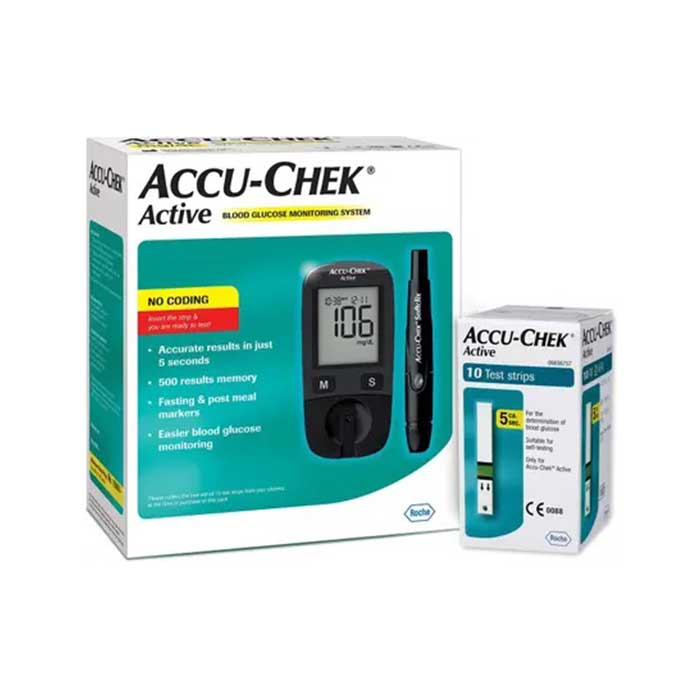
Accu Chek Active Glucometer Machine with 10 Strips Free


Type: Home Healthcare
AccuSure Gold 100 Strips (Packs of 50 x 2)
Type: Home Healthcare
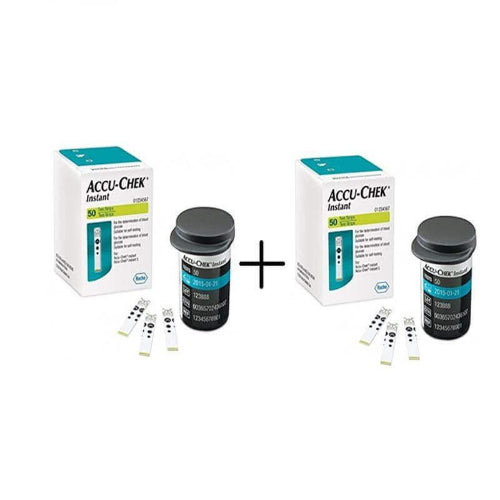
Accu Chek Instant S 100 Test Strips - 2 packs of 50

Type: Home Healthcare
AccuSure Simple 50 Test Strips
Type: Roche Diabetes Care
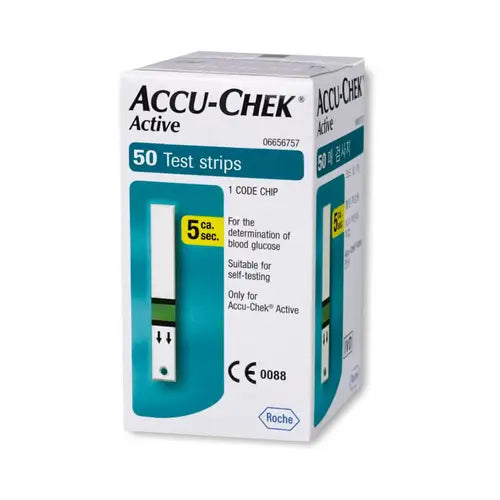
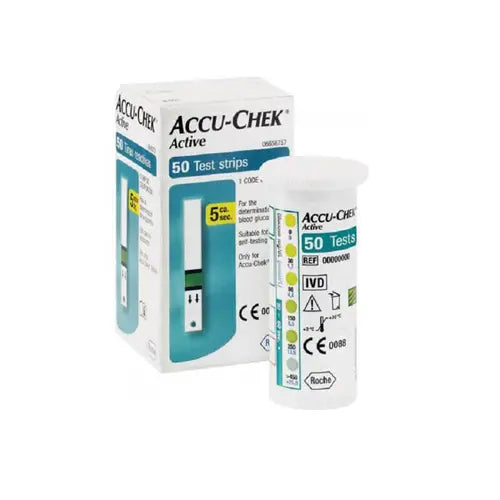
Accu Chek Active 50 Test Strips

Type: Home Healthcare
AccuSure Gold 200 Strips ( Packs of 50 x 4)
Type: Home Healthcare
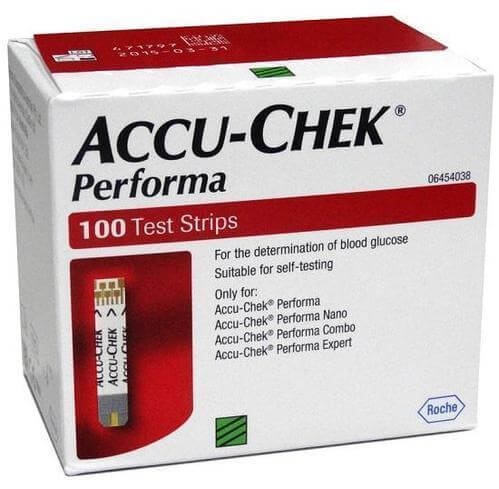
Accu Chek Performa Strips - Pack of 100
Collection:
Top Sugar Test Machines for Home Use
You've likely seen a friend or family member do it: the quick finger prick, the drop of blood on a plastic strip, and the small machine that spits out a number. If you've ever watched this quick ritual and wondered what's actually happening---and why that little number is so important---this simple guide is for you. We're here to turn that confusion into confidence by breaking down what the numbers mean, how these devices operate, and what to look for when choosing one.
That device, which many people call a sugar test machine, is officially known as a blood glucose meter, or glucometer. Think of it as a personal fuel gauge for your body. Instead of measuring gasoline, it measures the amount of sugar, called glucose, in your blood, giving you a real-time snapshot of your body's energy levels at that very moment.
For millions of people, this is more than just a curious number. According to health organizations like the American Diabetes Association, regularly using a blood sugar monitor is one of the most effective ways to manage their health. Consistent monitoring helps people and their doctors make informed decisions about food, exercise, and medication to feel their best every day.
Why Tracking Your Body's "Fuel Gauge" Is a Game-Changer for Your Health
Think of your body like a car and the sugar in your blood---called glucose---as its gasoline. To run smoothly, you need just the right amount of this fuel. Too little, and the engine sputters; too much over time, and it can cause serious wear and tear. A blood glucose meter, or "sugar test machine," is simply the fuel gauge that tells you exactly where your levels are at any given moment.
When your blood sugar level is stable, you feel focused and energetic. But when it swings too high, perhaps after a large, carb-heavy meal, you might feel sluggish and foggy. If it drops too low, you could feel shaky, weak, or irritable. For millions of people, understanding blood sugar level is the key to feeling their best, and a diabetes monitor is the tool that makes this possible.
This is why knowing your number is so powerful. It's not just a random figure; it's direct feedback from your body. In a practical sense, what do glucose meter readings mean? They show you how your last meal or morning walk impacted your personal fuel tank, empowering you to make smarter choices. Getting that crucial number is a straightforward process you can master in minutes.
Your First Test: A Simple 5-Step Guide to Using a Glucometer
Getting that number might seem a bit intimidating, but the entire process of how to use a glucometer at home is designed to be quick and nearly painless. You'll use two small, disposable items: a test strip , which is the plastic piece that "reads" the blood, and a tiny needle held inside a spring-loaded tool called a lancet device for diabetes testing. This device makes the finger prick fast and consistent, so you don't have to worry about doing it yourself. It's all about getting a tiny, clean sample with minimal fuss.
Once you have your supplies ready, learning how to use a glucometer machine takes less than a minute. Just follow these five simple steps:
- Wash and dry your hands. This ensures a clean, accurate sample.
- Insert a test strip into the meter. Most meters turn on automatically.
- Use the lancet device to prick your fingertip. It's just a quick click.
- Touch the blood drop to the edge of the test strip. It will sip up the exact amount needed.
- Wait a few seconds for the result on the screen.
That's it! Your blood sugar reading appears like magic. But what exactly happens inside that little strip to turn a drop of blood into a precise number?

The "Magic" of the Test Strip: How It Turns Blood into a Number
That little test strip isn't just a piece of plastic. Its tip is coated with a special substance that acts like a tiny, specific key. This "key" is designed to fit only one "lock": the glucose (or sugar) floating in your blood. When your blood drop touches the strip, this substance instantly starts a chemical reaction only with the glucose, ignoring everything else. This precise interaction is the first secret to how does a glucometer work.
This chemical handshake generates a tiny, measurable electrical signal. Think of it like a dimmer switch---the more glucose there is in the blood, the stronger the electrical signal becomes. This is also why blood glucose test strips compatibility is so crucial; each meter is finely tuned to read the unique signal from its matching strips. Using the wrong kind is one of the most common causes of inaccurate blood glucose readings.
Finally, the meter itself simply acts as a translator. It doesn't actually "read" your blood; it reads that electrical signal from the strip. In just a few seconds, its internal computer converts the strength of that signal into the number you see on the screen.
Decoding the Number: What Does 120 mg/dL Actually Mean?
That number on the screen, like 120, is usually followed by the letters "mg/dL." While it looks technical, this is simply the standard unit for measuring how concentrated the sugar is in your blood. Think of it like "miles per hour" for a car's speed. Just as MPH tells you how fast you're going, mg/dL tells you the concentration of glucose in your body at that exact moment. It's the first step in understanding what do glucose meter readings mean.
But a number by itself doesn't tell the whole story. It's more helpful to think about these readings like a traffic light. There's a "green zone" (a healthy, target range), a "yellow zone" (a bit high or low, signaling caution), and a "red zone" (levels that are too high or low and may require attention). This mental model helps put the number into a meaningful context without needing to be a medical expert.
Crucially, everyone's "green zone" is different. The ideal normal blood sugar range for adults depends heavily on your age, activity level, what you've recently eaten, and your overall health. For this reason, you should never compare your numbers to someone else's. Only a doctor or healthcare provider can determine what your specific target range should be and create a plan that is right for your unique body. That number is a powerful piece of information---not a test score to be judged, but a helpful guide for your health.
A Simple Chart for "Normal" Blood Sugar Levels by Age
While every person's target is unique, seeing a general what is a normal sugar level chart can provide helpful context. The most important factor influencing your reading is when you test. A sugar level taken first thing in the morning, before you've eaten, will naturally be much lower than a reading taken shortly after a meal. This is why doctors look at two key moments to understand your body's patterns.
To make sense of the numbers, experts generally focus on these two scenarios. "Fasting" glucose is your level after not eating for at least eight hours (like when you first wake up), while "post-meal" glucose is your level about two hours after eating, when it's expected to be at its peak.
General Guidelines for Adults Without Diabetes:
- Fasting (before breakfast): Under 100 mg/dL
- 2 Hours After a Meal: Under 140 mg/dL
Think of these numbers as a simple map, not a strict rulebook. They represent a typical normal blood sugar range for adults but don't account for individual health factors, which is why a doctor's guidance is essential. But what if your reading seems off, even when you feel fine? Sometimes, the issue isn't your blood sugar but an error in how you performed the test itself.
Why Your Sugar Test Reading Might Be Wrong: 3 Common, Fixable Mistakes
Getting an unexpectedly high or low number can be alarming, but it doesn't always signal a problem with your health. Often, the most common causes of inaccurate blood glucose readings are small, fixable errors in your testing routine. Even with the best blood glucose monitor for accuracy, your technique is what truly ensures you get a trustworthy result. Before you worry, check if one of these simple slip-ups might be the culprit.
Believe it or not, the number one reason for a false high reading is having something on your fingers. If you recently handled fruit, used lotion, or even have a tiny bit of food residue on your skin, that sugar can mix with your blood drop and dramatically skew the result. The solution is simple but crucial: always wash your hands with soap and water and dry them completely right before you test.
The test strips themselves are also more sensitive than you might think. Think of them like tiny, single-use science experiments that are vulnerable to the environment. If the vial is left open, humidity can ruin the entire batch. Likewise, using a strip past its expiration date is one of the surest ways to get an error or a wildly incorrect number. Always keep the vial sealed tight and give the expiration date a quick glance before you use a strip.
Finally, the blood sample itself needs to be just right. Modern meters are designed to "sip" the perfect amount of blood from your fingertip. If you don't provide a large enough drop, the meter may give you an error or a questionable reading. Squeezing your finger too hard can also affect the result. By getting these simple steps right, you can feel confident that the number on the screen is a true reflection of what's happening in your body.
How to Select the Right Sugar Test Machine: It's Not About the Meter's Price
Standing in front of a shelf of sugar test machines can feel overwhelming. With so many options, it's tempting to simply grab the one with the lowest price tag. However, this is one of the biggest mistakes you can make. It's like buying a cheap printer only to discover the ink cartridges cost a fortune. When it comes to how to select the right sugar test machine, the real cost isn't the device; it's what you need to keep using it.
The true, long-term expense of monitoring your blood sugar lies in the test strips. While a meter is a one-time purchase, strips are a constant, recurring cost. A seemingly cheap meter might require expensive strips, causing your yearly expenses to skyrocket. In contrast, a slightly pricier meter could use more affordable strips, saving you a significant amount of money in the long run. Always check the price-per-strip before committing to a device.
As you follow this choosing your first glucometer guide, focus on what truly matters for daily use. Keep an eye out for these key factors:
- Cost of Test Strips: The single biggest factor affecting your budget.
- Ease of Use: Look for a large, backlit screen for clear visibility and test strips that aren't too small or flimsy to handle.
- Helpful Features: Consider extras like memory for past readings or Bluetooth to sync with a phone app, but don't let them overshadow the first two points.
Ultimately, deciding which glucometer is best for home use in India or anywhere else comes down to balancing long-term strip affordability with everyday convenience.
Accu-Chek vs. OneTouch: Which Glucometer Is Best for a First-Time User?
When you begin your search, two names will appear almost everywhere: Accu-Chek and OneTouch. Instead of getting lost in technical details, it's more helpful to compare how they feel to use every day. Many people find Accu-Chek vs OneTouch meters a tough choice, but it often comes down to one simple thing: the test strip. Accu-Chek is famous for strips with a wide, yellow edge that acts like a large target, making it easier to apply a drop of blood without missing. For anyone new to testing or with slightly unsteady hands, this small design choice can prevent a lot of frustration and wasted strips.
On the other hand, a key feature of many OneTouch devices is their "ColorSure" technology. Think of it like a traffic light for your blood sugar. As soon as your result appears, a color bar on the screen will instantly tell you if your reading is below, within, or above your target range. This immediate visual feedback can feel more reassuring and less intimidating than simply trying to remember what the numbers mean, making it a very beginner-friendly option.
So, which machine is good for a sugar test ? There's no single winner. The best device for you might be the one whose test strips are most affordable and readily available at your local store, whether it's a specific apollo sugar test machine or a deal on the sugar test machine price on Flipkart. Always price the strips before you buy the meter.
Is There a Sugar Monitor Without Finger Pricks? Introducing CGM Technology
The idea of a blood glucose monitor without finger pricks is no longer science fiction. This technology is called a Continuous Glucose Monitor, or CGM, and it works using a small, wearable sensor. Typically placed on the back of your arm or your stomach, the sensor has a tiny, flexible filament---thinner than a strand of hair---that sits just beneath the skin. Instead of directly testing blood, it measures the sugar in the fluid that surrounds your cells (called interstitial fluid). This fluid gives a very close estimate of your blood sugar, providing frequent updates without the need for constant pokes.
The biggest difference when comparing a continuous glucose monitor vs finger prick test is the type of information you receive. A traditional finger-prick test gives you a single snapshot: your sugar level at that exact moment in time. A CGM, on the other hand, gives you the whole movie. By taking readings automatically every few minutes, it reveals the full story of where your sugar levels have been and, more importantly, where they are heading. You can see if your levels are rising quickly, falling slowly, or holding steady.
This constant stream of data transforms a simple diabetes monitor into a powerful learning tool. You and your doctor can spot patterns you'd otherwise miss, revealing exactly how a specific meal, a short walk, or a stressful day affects your body in real time.

CGM vs. Finger Prick: Which Type of Monitoring Is Right for You?
Deciding between a traditional finger-prick meter and a CGM often comes down to your lifestyle, budget, and what you and your doctor want to learn. There's no single "best" answer for everyone, as each tool offers unique benefits. The classic meter is like taking a photo, giving you one perfect snapshot of the present moment, while a CGM is like shooting a video, showing you the whole story of your sugar levels over time.
The debate over a continuous glucose monitor vs finger prick test can be simplified by looking at their core strengths. When choosing your first glucometer or considering an upgrade, this quick comparison can help guide your conversation with your doctor:
- Finger Prick: Lower cost, gives a precise 'in the moment' blood reading, and is universally available.
- CGM: Higher cost, eliminates routine finger pricks, shows trends and can send alerts, but has a slight time lag in its readings.
That time lag is an important difference. Since a CGM measures sugar in the fluid around your cells, not directly in your blood, its readings are a few minutes behind a finger-prick test. Think of the bloodstream as a major highway and the fluid a CGM measures as the local service road. The traffic (your sugar level) changes on the highway first, and it takes a few moments for that change to be reflected on the service road. This is why a finger-prick test is still considered the best blood glucose monitor for accuracy during a rapidly changing situation, like a sudden low.
Because of this, many people don't see it as a choice of one over the other. They use both tools together: the CGM provides the big picture with trends and overnight data, while the finger-prick meter acts as a fact-checker for important decisions.
What is HbA1c on a Blood Test? Your 3-Month Sugar Report Card
While your daily glucometer checks your sugar right now, another crucial number gives you the big-picture view. This is your Hemoglobin A1c, often just called A1c. So, what is HbA1c on a blood test? It's a special lab test that measures your average blood sugar level over the past two to three months, presented as a percentage. It doesn't replace daily testing; instead, it offers a completely different, long-term perspective on your health.
Think of it this way: your daily sugar test is like looking at your car's speedometer. It tells you exactly how fast you're going at that specific moment. Your A1c, however, is like the car's trip computer telling you your average speed over the entire journey. A single high or low reading on your meter won't dramatically change your A1c, just as flooring the gas for one second doesn't ruin your average trip speed. This helps you and your doctor in understanding [your] blood sugar level chart over the long haul.
Because it provides such a stable, long-term perspective, the A1c test is done by a healthcare professional in a lab, not at home. It's the key metric doctors use to see how well a management plan is working over time. While daily tests help you understand what [your] glucose meter readings mean for your immediate choices (like what to eat for lunch), the A1c provides the ultimate report card on your overall control.
Your Next Step: Transforming Knowledge into Health Confidence
Not long ago, the sight of a "sugar test machine" was likely a mystery---a quick, clinical action with an unknown purpose. Now, you can see past the finger prick and the plastic strip. You understand not just how these devices work, but why they matter, from decoding the numbers on the screen to knowing the difference between a classic meter and a modern CGM. You've transformed from a curious observer into an informed individual.
With this new knowledge, the device is no longer just a medical gadget. Think of it as a personal fuel gauge, giving you a direct look at how your body uses energy from food, exercise, and even rest. Viewing it this way turns a potentially intimidating process into an empowering source of information, offering a powerful way to connect with your own health story.
Your learning journey is the first step toward confident action. The most important thing you can do now is turn your knowledge into a conversation. You are now equipped to speak with a healthcare professional, ask meaningful questions about your health, and truly understand their answers. Use this foundation to explore whether a home sugar testing kit is the right tool for your personal wellness plan.
Q&A
Question: How does a test strip turn a drop of blood into a number, and why can’t I mix brands?
Short answer: The strip’s tip is coated with a substance that reacts only with glucose, creating a tiny electrical signal whose strength rises with your sugar level. The meter “reads” that signal and converts it into the number you see. Each meter is calibrated to its own brand’s strips, so mixing brands can produce inaccurate results. Protect strips from humidity, keep the vial sealed, and don’t use expired strips to avoid errors.
Question: What’s the simplest, near‑painless way to do my first home test?
Short answer: Follow five quick steps: 1) Wash and dry your hands, 2) Insert a test strip (most meters turn on automatically), 3) Use the spring‑loaded lancet device to prick your fingertip, 4) Touch the blood drop to the strip’s edge so it “sips” the right amount, 5) Wait a few seconds for the result. Aim for a sufficient drop without squeezing too hard, which can distort readings.
Question: When should I test—fasting or after meals—and how do I interpret a number like 120 mg/dL? Short answer: Timing changes what the number means. Fasting (after at least 8 hours without food) offers a baseline; about 2 hours after a meal shows your peak. Think “traffic light”: green (target), yellow (caution), red (needs attention). For adults without diabetes, general context is fasting under 100 mg/dL and 2 hours after a meal under 140 mg/dL. Your personal “green zone” depends on your health, eating, and activity—set targets with your healthcare provider.
Question: How do I choose the right sugar test machine without overspending?
Short answer: Prioritize the ongoing cost of strips over the meter’s price—they’re the real, recurring expense. Ensure strips are affordable, brand‑compatible with your meter, and easy to find locally. Then look for ease of use (clear, backlit screen; manageable strips) and only then extras (memory, Bluetooth). In day‑to‑day feel, Accu‑Chek’s wide, yellow strip edge can make applying a drop easier, while many OneTouch meters use ColorSure to color‑code results against your target range. Pick the one whose strips fit your budget and routine.
Question: Can I monitor without finger pricks? Do CGMs replace traditional meters?
Short answer: A Continuous Glucose Monitor (CGM) uses a small wearable sensor to measure sugar in the fluid around your cells, updating every few minutes for trends and alerts with fewer routine pricks. CGMs typically cost more and have a slight time lag compared with finger‑prick blood readings. Many people use both: the CGM for the “movie” (patterns over time) and the finger‑prick meter as a precise, in‑the‑moment “photo,” especially during rapid changes.