Skip to content

India’s Go to Platform for Medical Supplies Procurement

surgical blades

Type: Surgical

Surgical Blades Single Use Pack of 100

Regular price Rs. 295
Sale price Rs. 295
bandage-cutting

Type: Instruments

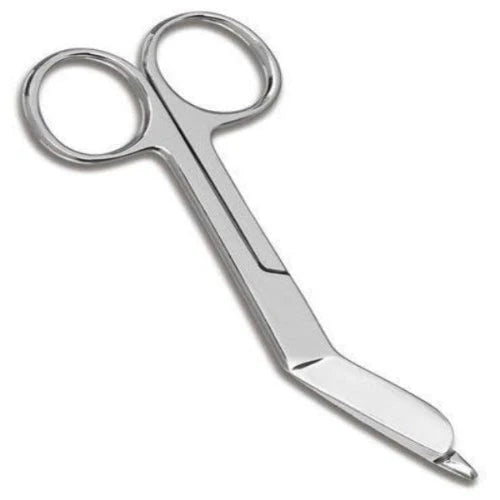
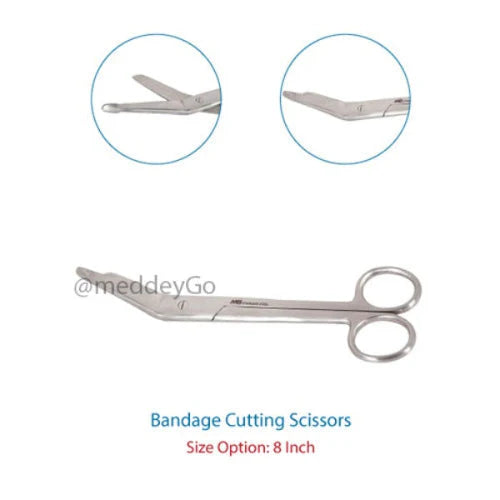
Bandage and Plaster Cutting Scissor 7.5 Inch

Regular price Rs. 625
Sale price Rs. 625 Regular price Rs. 1,104
Plaster Cutter Manual Surgical Instrument

Type: Instruments

Plaster Cutter Manual Surgical Instrument

Regular price Rs. 276
Sale price Rs. 276 Regular price Rs. 460
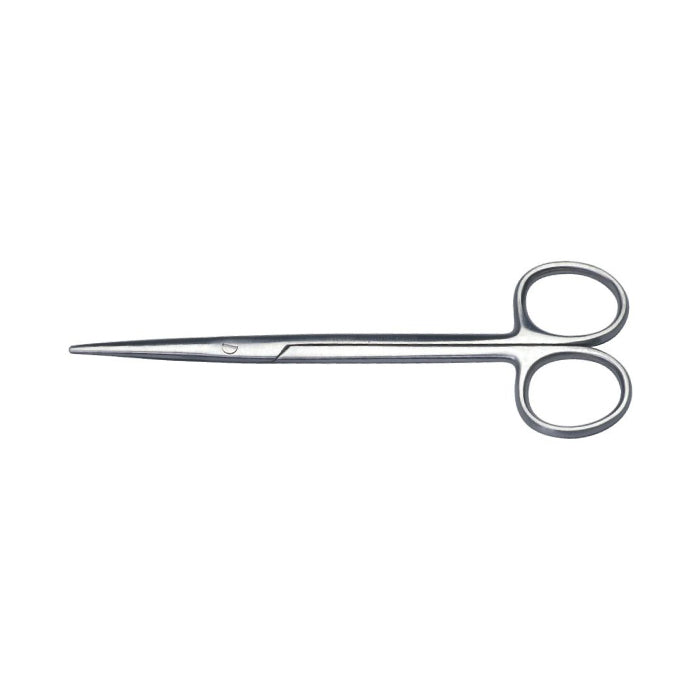
B P Scalpel Handle Surgical Instrument (Pack of 4)

Type: Surgical

B P Scalpel Handle Surgical Instrument (Pack of 4)

Regular price From Rs. 442
Sale price From Rs. 442 Regular price Rs. 699
Metzenbaum Scissor Surgical Instrument

Type: General Instruments

Metzenbaum Scissor Surgical Instrument

Regular price Rs. 459
Sale price Rs. 459 Regular price Rs. 736
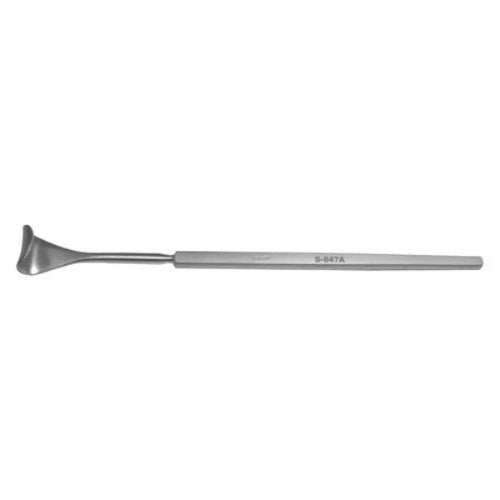
Desmarres Lid Retractor Surgical Instrument

Type: Instrument

Desmarres Lid Retractor Surgical Instrument

Regular price Rs. 391
Sale price Rs. 391 Regular price Rs. 552
Mayo Scissor Surgical Instrument

Type: MeddeyGo

Mayo Scissor Surgical Instrument

Regular price Rs. 367
Sale price Rs. 367 Regular price Rs. 506
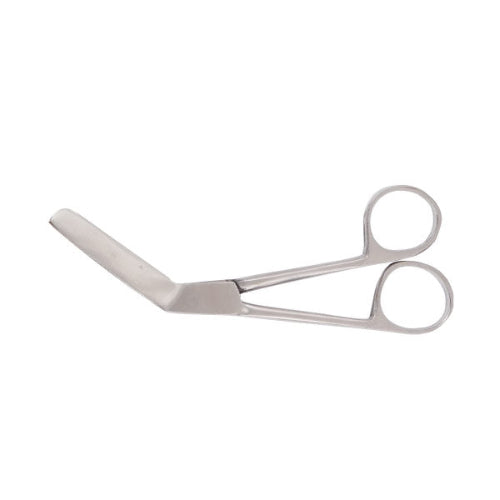
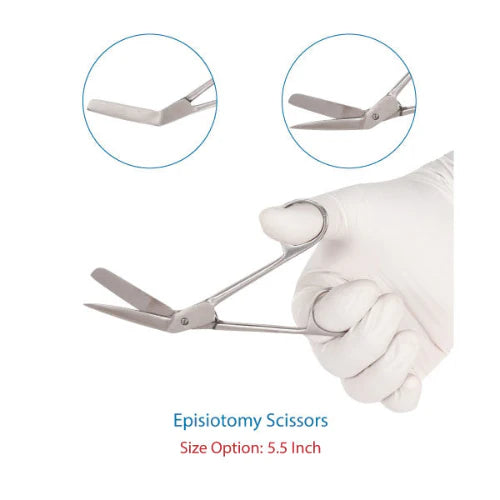
Episiotomy Scissor Surgical Instrument

Type: General Instruments

Episiotomy Scissor Surgical Instrument

Regular price Rs. 367
Sale price Rs. 367 Regular price Rs. 736
Dressing Surgical Scissor Straight

Type: Medansh

Dressing Surgical Scissor Straight

Regular price Rs. 275
Sale price Rs. 275 Regular price Rs. 368
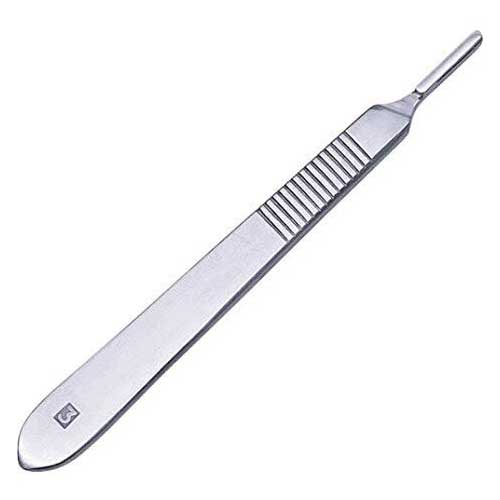
B P Handle Surgical Premium Quality (Pack of 4)

Type: Day to Day Care

B P Handle Surgical Premium Quality (Pack of 4)

Regular price From Rs. 456
Sale price From Rs. 456 Regular price Rs. 830
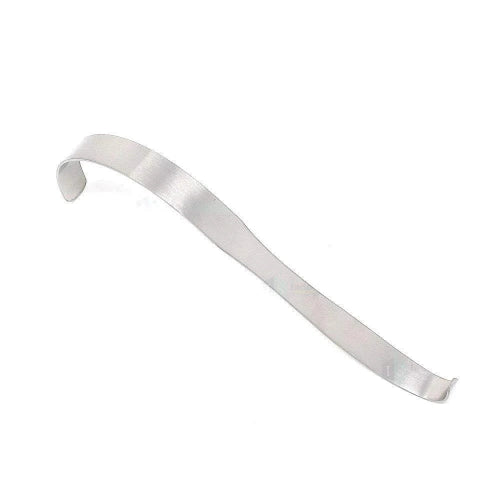
Intestinal clamp Surgical Instrument

Type: Instruments

Intestinal clamp Surgical Instrument

Regular price Rs. 1,070
Sale price Rs. 1,070
Deaver Retractor Surgical Instrument 2.5 Inch

Type: Instrument

Deaver Retractor Surgical Instrument 2.5 Inch

Regular price Rs. 643
Sale price Rs. 643 Regular price Rs. 736
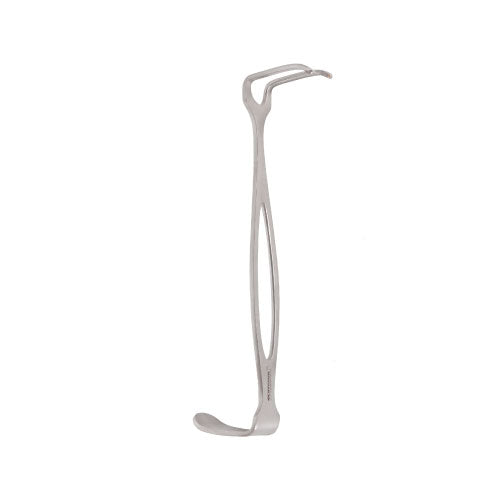
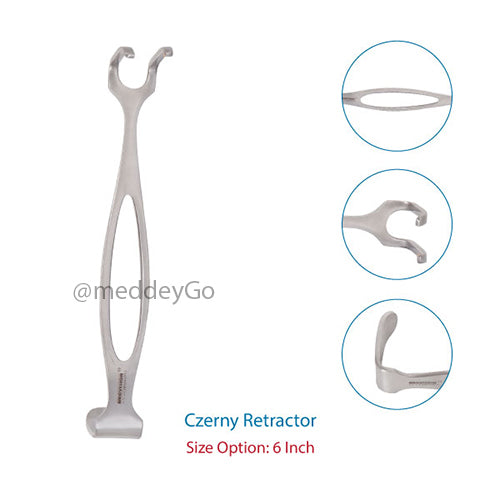
Czerny Retractor Surgical Instrument

Type: MeddeyGo

Czerny Retractor Surgical Instrument

Regular price Rs. 413
Sale price Rs. 413 Regular price Rs. 827
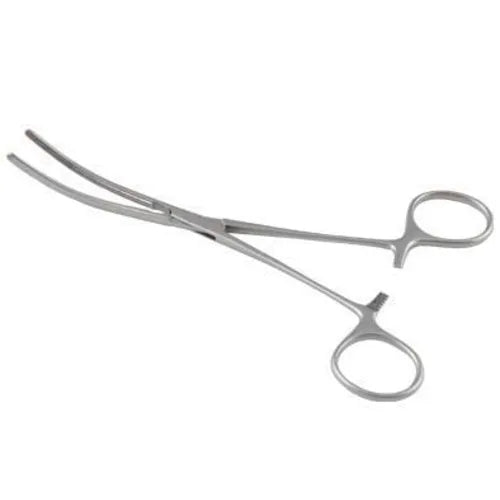
mouth-gag-adult-child-meddeygo

Type: Instruments

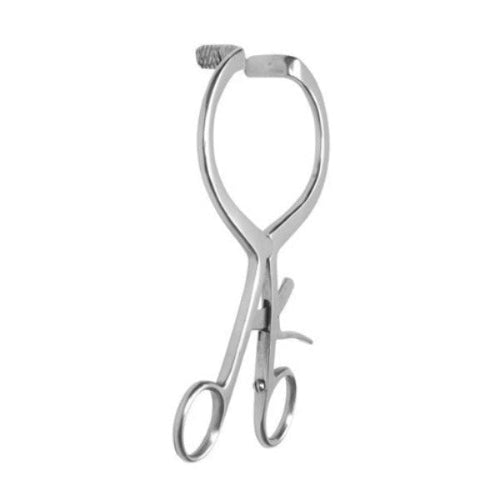
Doyen Mouth Gag Surgical Instrument

Regular price From Rs. 1,149
Sale price From Rs. 1,149 Regular price Rs. 1,656

Collection: Surgical Blade Sizes & Prices | Sterile Medical Blades – MeddeyGo

Technical Overview: What is a Surgical Blade?

The surgical blade is the fundamental cutting component of the scalpel, a tool that has evolved from crude obsidian chips to precision-engineered carbon and stainless steel instruments. In a clinical context, the medical blade refers to the razor-sharp, detachable edge that mounts onto a reusable or disposable handle.

What is another name for a surgical blade? In the operating room, it is frequently referred to simply as a "scalpel blade" or a "sharp." Historically, the complete instrument (blade plus handle) is called a lancet or a bistoury, though modern terminology has largely consolidated around the term surgery blade.

What is a surgical blade used for?

A sterile surgical blade is designed for the precise separation of biological tissues. Its primary applications include:

  • Primary Incision: Creating the initial opening in the skin (epidermis and dermis) to gain access to deeper structures.
  • Dissection: Separating layers of fascia, muscle, or connective tissue without damaging underlying organs.
  • Debridement: Removing necrotic or infected tissue from wounds to promote healing.
  • Excision: The complete removal of growths, cysts, or tumors with clear margins.
SAFETY NOTE: A surgical blade is an extremely high-risk sharp. Even a slight touch can result in a deep laceration. Always use a needle holder or specialized blade remover for handling.

Material Science: Carbon Steel vs. Stainless Steel

Selecting the right surgery blade often begins with material choice. While both provide exceptional sharpness, their metallurgical properties suit different surgical environments.

Feature Carbon Steel Blade Stainless Steel Blade
Initial Sharpness Superior; achieves a finer edge. High; very consistent.
Edge Retention Short-lived; dulls faster in dense tissue. Excellent; maintains edge during long procedures.
Corrosion Resistance Low; requires specific protective coating. High; highly resistant to fluids and chemicals.
Flexibility More brittle; prone to snapping if twisted. Higher ductility; can withstand minor torque.
Clinical Preference Dermatology, fine plastic surgery. General surgery, orthopedics, trauma.

The Universal Standard: Surgical Blade Sizes and Handle Fitment

Each surgical blade is assigned a number that dictates its shape and the specific handle (scalpel) it must be paired with. Standardizing these fitments ensures that a surgical knife is stable and safe during use.

Blade Size Compatible Handle Primary Clinical Use
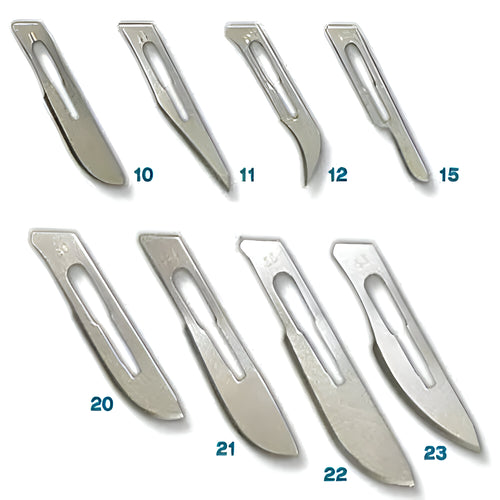
#10 Handle #3 Large skin incisions; general surgery.
#11 Handle #3 Puncture incisions; "Stab" incisions for drains.
#12 Handle #3 Crescent-shaped; Suture removal or dental surgery.
#15 Handle #3 Fine, precise work; small skin lesions.
#20 - #24 Handle #4 Heavy-duty work; orthopedic or autopsy incisions.

What is a 15 blade in surgery?

The #15 medical blade is one of the most frequently used instruments in the surgical suite. It features a small, curved cutting edge that is significantly smaller than the #10 blade. It is the "gold standard" for making short, precise incisions in delicate areas, such as the face, hands, or during pediatric surgery.

Safety Procedure: How to insert a surgical blade?

Improper attachment of a sterile surgical blade is a leading cause of percutaneous injuries among scrub nurses and surgeons. The process must follow a strict aseptic and mechanical protocol.

Step 1: Grasping
Use a needle holder or hemostat to grasp the surgical blade at the top (unsharpened) edge, just above the mounting slot.
Step 2: Alignment
Align the groove of the surgery blade with the matching fitting on the scalpel handle. Ensure the angles of both the blade and the handle match.
Step 3: Sliding
Slide the blade onto the handle fitting until you hear or feel a "click." This indicates the blade is safely locked into position.
Step 4: Verification
Gently tug the blade with the instrument to ensure it is seated firmly before passing it to the surgeon.
Clinical Note: Never use your fingers to attach or remove a blade. The force required to click the blade into place is often enough to cause a "slip-and-cut" injury if a needle holder is not used.

Specialized Geometries: Applications of the #11 and #12 Blades

While the #10 and #15 blades are the workhorses of general tissue separation, specialized procedures require unique geometries. The surgery blade inventory must include specific profiles for puncture and retraction-based cutting.

The #11 Blade is a triangular surgical blade sharpened along the hypotenuse edge. It terminates in a sharp, needle-like point, making it the premier choice for "stab" incisions. In vascular surgery, the #11 medical blade is used to create the precise opening required for catheter insertion or arteriotomy. Its design allows for a deep puncture with minimal lateral tissue trauma.

Conversely, the #12 Blade features a crescent-shaped, hooked design. It is sharpened along the inside of the curve. This surgical knife profile is specifically utilized in dental surgery and suture removal. Its "beak" shape allows it to get underneath tight ligatures or reach into posterior oral cavities where a standard straight blade would be impractical.

CLINICAL PEARL: When using a #11 blade for abscess drainage, always stabilize the hand against the patient to prevent "over-plunging." The extreme sharpness of a fresh sterile surgical blade can easily penetrate deeper structures than intended.

Ergonomic Control: Scalpel Handle Variations

The efficacy of a surgical blade is limited by the handle it is mounted on. In deep-cavity surgery or ophthalmic procedures, standard handles may obstruct the surgeon's line of sight.

Handle Type Compatible Blade Sizes Best Surgical Use Case
#3 Standard #10, #11, #12, #15 Skin incisions and shallow soft tissue work.
#3 Long #10, #11, #12, #15 Deep abdominal or thoracic cavity work.
#4 Standard #20, #21, #22, #24 Large incisions, orthopedics, and heavy fascia.
#7 Slender #10, #11, #12, #15 Fine dissection in ENT and Cardiovascular surgery.
#9 Safety Standard universal fit High-risk environments (ER/Trauma) to prevent injury.

Post-Operative Protocol: Safety Removal of a Surgical Blade

Statistical data suggests that more injuries occur during the removal of a surgery blade than during its insertion. Once a procedure is complete, the medical blade is often slick with biological fluids, significantly increasing the risk of a slip.

Step 1: The "Lift and Slide" Technique
Using a hemostat or needle holder, grasp the base of the surgical blade near the handle junction. Gently lift the back edge of the blade to clear the locking lug of the handle.
Step 2: Forward Extraction
Slide the blade forward and away from the handle. Ensure the sharp edge of the surgical knife is pointed away from all staff members and the patient.
Step 3: Immediate Disposal
Directly deposit the used sterile surgical blade into a puncture-resistant "Sharps" container. Never place a used blade on a surgical drape or back-table tray.
Quick Tip: Use a "Neutral Zone" or "Passing Tray" for the exchange of scalpels between the surgeon and the scrub technician. This minimizes "hand-to-hand" passing, which is the primary cause of scalpel-related sharps injuries.

Benefits of High-Grade Surgical Blades

Procuring a premium sterile surgical blade ensures consistent clinical outcomes. Lower-quality blades often suffer from "burring" or edge rolling, which can lead to ragged incision lines and delayed wound healing.

  • Gamma Radiation Sterilization: Ensures the medical blade is 100% free of microbial life while maintaining metallurgical integrity.
  • VCI Paper Packaging: Vapor Corrosion Inhibitor paper prevents oxidation, ensuring the blade remains sharp even after long-term storage.
  • ISO Standard Fitment: Guarantees that the blade will lock securely onto any standard #3 or #4 handle without wobbling.

The Universal Standard: Surgical Blade Size Reference Table

Understanding the full spectrum of a surgical blade inventory is vital for perioperative planning. While most clinicians are familiar with the #10 and #15, specialized surgeries require a broader range of the medical blade.

Blade Size Shape Profile Primary Surgical Specialty Specific Surgical Use
#10 Large Curved Edge General / Thoracic Large skin incisions; muscle transection.
#11 Triangular / Pointed Vascular / ER Puncture incisions for catheters; drainage.
#12 Crescent / Hooked Dental / ENT Septoplasty; suture removal in tight spots.
#15 Small Curved Edge Plastic / Pediatric Precise incisions on face or hands.
#15C Extended Slim Profile Ophthalmology Highly delicate micro-surgery procedures.
#20 Extra-Large Curved Orthopedics Thick skin and deep fascia incisions.
#22 Broad Belly Blade Autopsy / Trauma Rapid, long incisions in thick tissue.

Clinical Selection: Matching the Surgery Blade to Tissue Density

The effectiveness of a surgery blade is heavily influenced by the coefficient of friction encountered during the stroke. In orthopedic surgery, a surgical knife must penetrate fibrous ligaments and periosteum, requiring a stiffer blade like the #20 series.

In contrast, during plastic surgery, the #15 medical blade is used to elevate skin flaps where even a micron of deviation can compromise the aesthetic result. The choice of a sterile surgical blade in these instances is often influenced by "drag." To combat this, modern manufacturers have introduced advanced polymer and Teflon coatings.

The Benefit of Coated Surgical Blades

Reduced Tissue Drag
Polymer coatings allow the surgical blade to glide through adipose tissue with minimal resistance.
Consistent Cutting Force
Coated blades require less pressure from the surgeon, leading to higher precision and less hand fatigue.
Minimal Cellular Trauma
Smooth passage through tissue reduces the inflammatory response and promotes faster post-operative healing.
Corrosion Shielding
Provides an additional layer of protection against the saline and body fluids encountered during long procedures.

Surgical Knife vs. Laser Scalpels: A Comparative Study

While laser technology has advanced, the traditional sterile surgical blade remains the preferred instrument for the majority of initial incisions. The mechanical surgical knife provides a "cleaner" cut without the thermal damage or charring associated with lasers and electro-cautery.

Feature Steel Surgical Blade Laser / Electrocautery
Tactile Feedback Excellent; surgeon "feels" the tissue density. Poor; no physical contact with tissue.
Healing Time Faster; minimal zone of necrosis. Slower; thermal damage must heal.
Hemostasis Low; requires secondary cautery for vessels. Excellent; cauterizes as it cuts.
Cost Efficiency High; disposable blades are inexpensive. Low; high capital and maintenance costs.
PROCEDURAL TIP: When making a long incision with a #10 surgery blade, use the "belly" of the blade rather than the tip. This distributes the pressure and ensures a uniform depth throughout the entire length of the cut.

Advanced Clinical FAQ: Surgical Blade Metallurgy & Safety

1. How does the angle of a surgical blade affect incisional trauma and healing?

The geometry of a surgical blade is a masterpiece of mechanical engineering designed to balance cutting force with cellular preservation. When a surgeon selects a #10 surgical blade, the large, curved "belly" allows for a distributed pressure load. This distribution is critical because it ensures that the medical blade slices through the epidermis and dermis without crushing the underlying capillary beds. A shallower angle of attack with a surgery blade results in a "clean" separation of tissue fibers rather than a traumatic tear. In clinical studies, incisions made with a high-quality sterile surgical blade show a significantly reduced inflammatory response compared to those made with duller or improperly angled instruments. This is because the sharp edge of the surgical knife creates a precise zone of injury that the body's natural fibrin and collagen can quickly bridge. If the angle is too steep, the surgical blade may skip or create "steps" in the tissue, leading to irregular scarring. Therefore, the architectural precision of the surgical blade is the first step in ensuring an aesthetically pleasing and functional post-operative recovery.

2. Why is carbon steel often preferred over stainless steel for high-precision micro-surgery?

In the realm of ophthalmology and neurosurgery, the surgical blade made from carbon steel is often the gold standard. The primary reason lies in the carbon steel's ability to be honed to an incredibly fine, molecular edge. While a stainless steel surgery blade is highly durable and corrosion-resistant, the chromium used in its alloy creates a slightly "grainier" edge at a microscopic level. For a surgical knife used in delicate nerve repair, the absolute sharpness of carbon steel is non-negotiable. It allows the surgeon to perform a "no-pressure" cut, where the medical blade separates tissue purely through its own sharpness rather than downward force. However, procurement teams must remember that a carbon steel surgical blade is more prone to oxidation; thus, each sterile surgical blade must be protected by specialized VCI (Vapor Corrosion Inhibitor) paper. When this surgical blade is finally deployed, it provides a level of tactile feedback and "bite" that stainless steel struggles to match. For clinicians, the choice of carbon steel represents a commitment to the highest possible sharpness, albeit with a shorter effective edge life during the procedure.

3. What are the mechanical risks of "blade snapping" and how do premium blades mitigate this?

A "snapped" surgical blade is a nightmare scenario in a deep abdominal or thoracic cavity. This typically occurs when a medical blade is subjected to lateral torque—a twisting motion it was never designed to withstand. Premium surgical blade manufacturers utilize a rigorous heat-treatment process that creates a "tempered" blade. This tempering ensures the surgery blade is hard enough to stay sharp but ductile enough to bend slightly without shattering. When a low-quality sterile surgical blade is used, it often has internal microscopic inclusions or "brittleness" that can cause it to crack when encountering dense fascia or calcified tissue. To mitigate this, high-end surgical knife designs feature a reinforced "shoulder" where the blade mounts to the handle. If a surgeon feels the surgical blade struggling, they should immediately switch to a fresh medical blade rather than applying more force. At MeddeyGo, we ensure our surgical blade stock exceeds ISO strength standards, providing surgeons with the confidence that their instrument will remain intact even under the most demanding orthopedic or trauma conditions.

4. How has Gamma Radiation changed the safety profile of the sterile surgical blade?

Historically, the sterilization of a surgical blade was achieved through heat or chemical baths, which often compromised the edge's temper. The advent of Gamma (Cobalt-60) radiation has revolutionized the sterile surgical blade. This cold sterilization process allows the surgical blade to be sterilized after it is already sealed in its final foil packaging. This ensures that the medical blade remains completely untouched by human hands or atmospheric contaminants until the moment of use. Furthermore, Gamma radiation penetrates every microscopic crevice of the surgery blade, including the complex mounting slot that traditional steam autoclaves might miss. This high-energy process effectively destroys all microbial DNA without heating the metal, meaning the surgical knife maintains its factory-honed sharpness perfectly. For any hospital, purchasing a surgical blade that is Gamma-sterilized is a fundamental requirement for infection control. It eliminates the risk of iatrogenic infections caused by improper bedside sterilization and ensures that every sterile surgical blade is as safe and sharp as the day it was forged.

5. What is the difference between a "Belly" cut and a "Puncture" cut with a medical blade?

The mechanical approach to using a surgical blade is divided into two primary techniques: the belly cut and the puncture. A belly cut utilizes the #10 or #20 surgical blade, where the surgeon uses the long, convex edge of the blade. This is primarily used for skin incisions. The advantage of this surgery blade application is that it creates a uniform depth across a long distance, which is essential for wound edge approximation. On the other hand, the puncture or "stab" cut is the domain of the #11 surgical blade. Here, the force is concentrated on the needle-point tip. This surgical knife technique is used for inserting drains, trocars, or performing arteriotomies. The #11 medical blade is not designed to "slide" but rather to "pierce." Using a #10 blade for a puncture is dangerous because its rounded tip requires more force to penetrate, increasing the risk of "over-shooting" into vital structures. Conversely, trying to use a #11 surgical blade for a long skin incision often results in an uneven "jagged" line because it lacks the stable belly of a standard sterile surgical blade. Understanding these mechanical roles is what separates an expert surgeon from a novice.

6. How should a surgical blade be handled in a "High-Risk" infectious environment?

In surgeries involving patients with HIV, Hepatitis, or other bloodborne pathogens, the handling of a surgical blade requires an elevated "Neutral Zone" protocol. In these environments, the surgery blade should never be passed hand-to-hand. Instead, the scrub technician places the surgical knife in a designated basin or "sharps tray," from which the surgeon retrieves it. This minimizes the risk of accidental needle-stick or blade-swipe injuries during the high-stress moments of a procedure. Furthermore, the use of a "safety" scalpel, which features a retractable shield for the medical blade, is highly recommended. Once the cut is made, the shield is locked over the surgical blade before it is returned to the tray. This "double-barrier" approach ensures that even if a tray is bumped, the sterile surgical blade cannot cause injury. At MeddeyGo, we advocate for the use of specialized blade removers that allow the surgical blade to be detached and dropped directly into a sharps container without the use of a needle holder, further isolating the sharp edge. Safety is not just about the quality of the surgical blade but the discipline of the team handling it.

Why Choose MeddeyGo for Your Surgical Blade Supply?

In the operating theater, there is zero margin for error. A dull or brittle surgical blade can compromise a surgeon's performance and a patient's outcome. MeddeyGo stands as the premier partner for surgical procurement for several critical reasons:

  • ✓ Swiss-Grade Metallurgy: Our surgical blade inventory is sourced from manufacturers who use high-purity steel, ensuring edge retention that lasts through the entire surgery.
  • ✓ Guaranteed Sterility: Every sterile surgical blade we ship has undergone validated Gamma radiation, providing a Sterility Assurance Level (SAL) of 10^-6.
  • ✓ Competitive Pricing: We understand hospital budget constraints. We offer the best market surgical blade prices without ever compromising on the ISO 7740 standards.
  • ✓ Specialized Sizes: From the standard #10 to the rare #15C micro-blades, MeddeyGo maintains a full spectrum of medical blade sizes in stock for immediate dispatch.

The Final Word: Precision in Every Cut

The surgical blade is the ultimate symbol of medical intervention. It is the tool that facilitates healing through the most precise of traumas. By understanding the metallurgy, the geometry, and the safety protocols surrounding the surgery blade, medical professionals can ensure that every incision is a step toward successful recovery.

PRO TIP: HERE FOR THE SAFETY GOLDEN RULE

"A surgical blade is only as safe as the person holding it. Always assume every medical blade is live, always use a neutral zone for passing, and never, ever dispose of a surgery blade in a standard waste bin."