
Type: Day to Day Care
B P Handle Surgical Premium Quality (Pack of 4)
Type: Surgical
B P Scalpel Handle Surgical Instrument (Pack of 4)
Type: Instruments
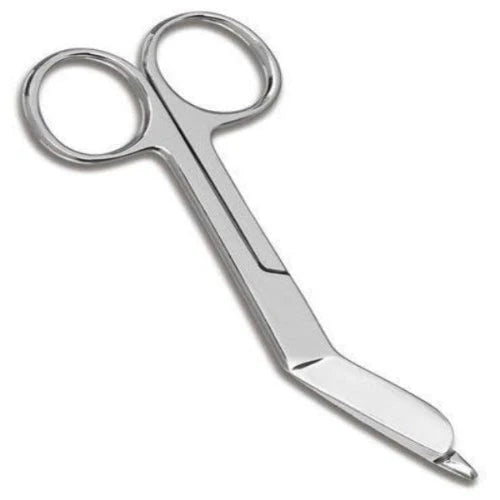
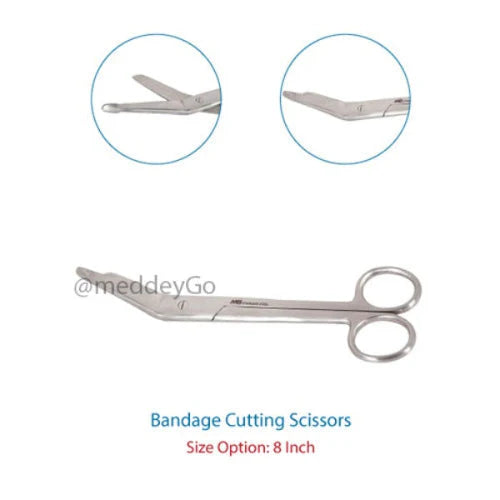
Bandage and Plaster Cutting Scissor 7.5 Inch
Type: Instruments
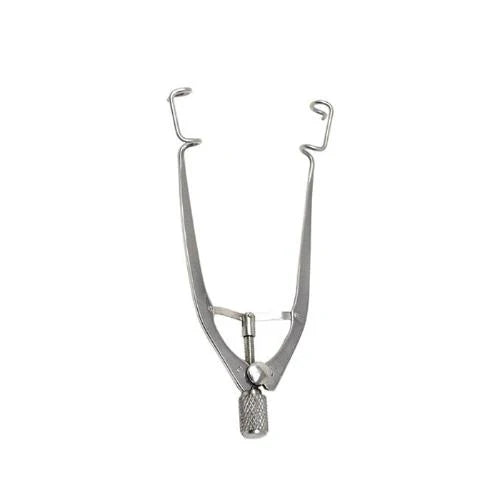
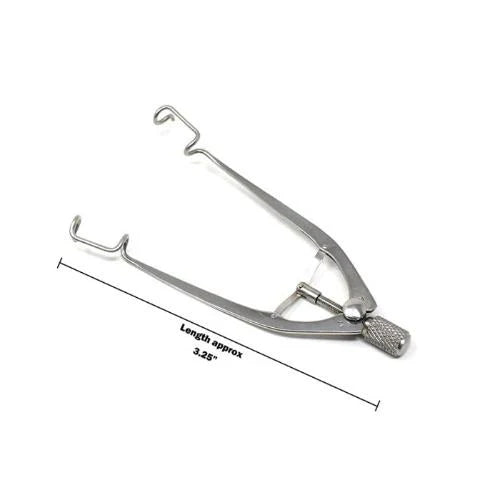
Castroviejo Eye Speculum
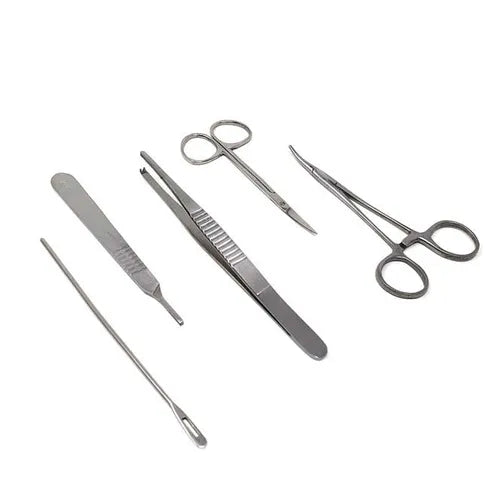
Type: Instrument
Debridement Instrument kit
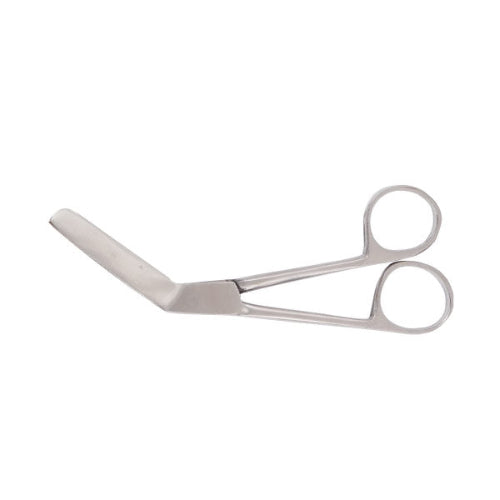
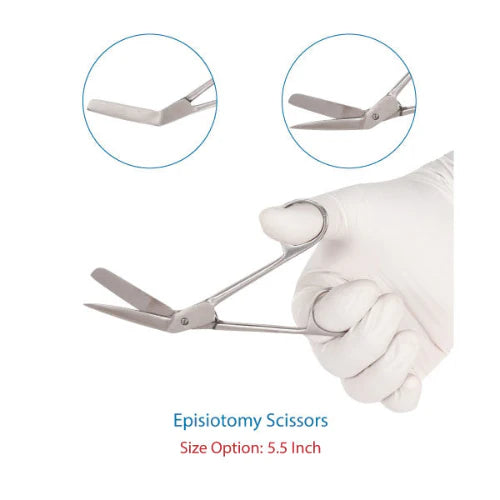
Type: General Instruments
Episiotomy Scissor Surgical Instrument
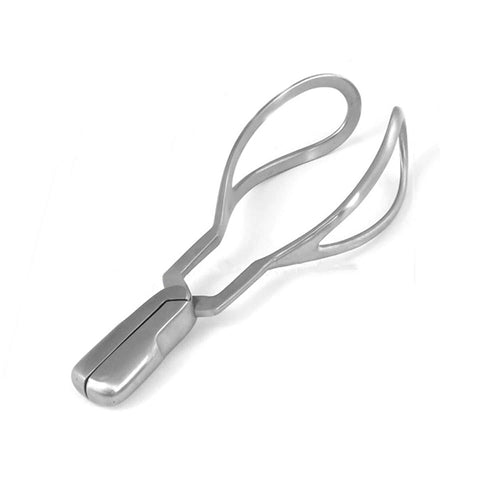
Type: Instruments
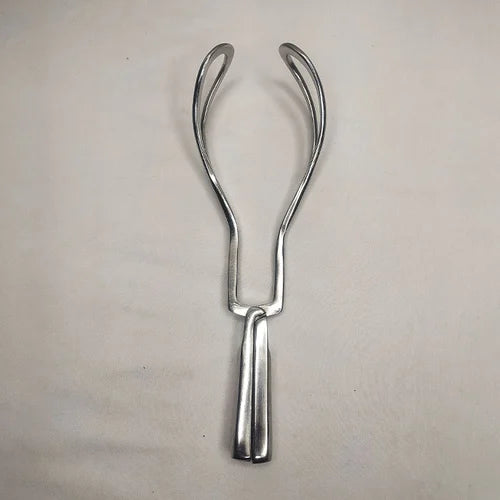
Wrigley Obstetrical Forceps SS Delux quality

Type: Forceps
Vulsellum Forceps SS Delux Quality
Type: Instruments
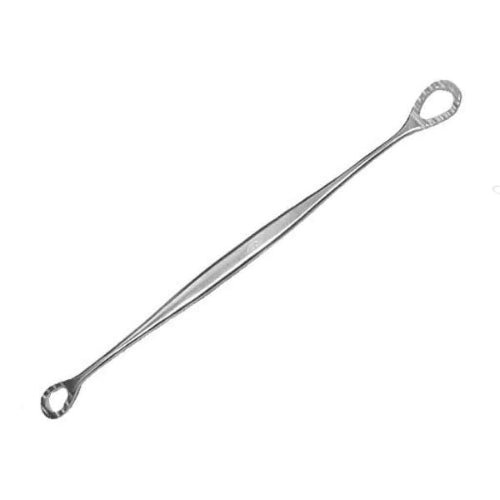
Vaginal Wall Retractor Surgical Instrument
Type: Surgical Scissors
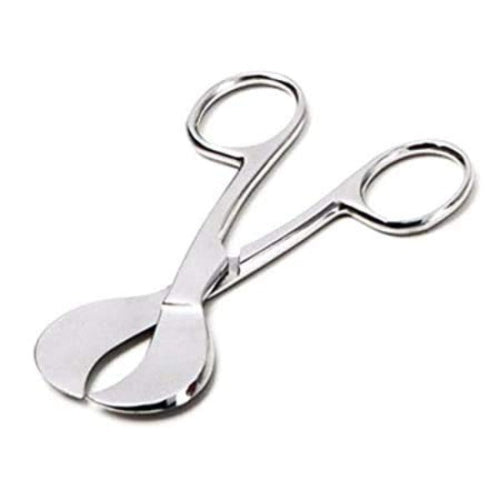
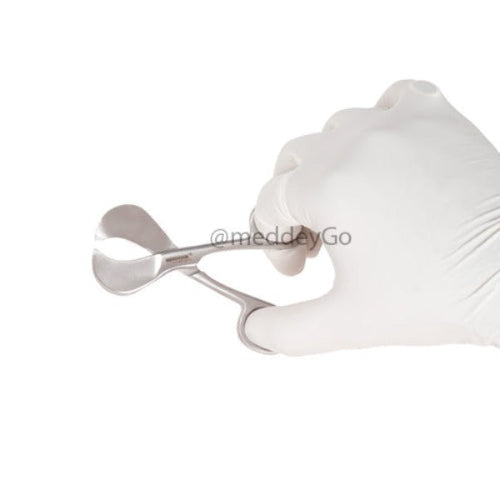
Umbilical Cord Cutting Scissor


Type: Instruments
Turner Warwick Ring Retractor


Type: Surgical Scissors
Tungsten Carbide (TC) Wire Cutter


Type: Instruments
US Army Retractor (Set of 2)


Type: Surgical Scissors
Tungsten Carbide (TC) Mayo Scissor Curved
Collection:
Understanding the Different Types of Surgical Blades
When a surgeon in a movie calls for a "scalpel," the image is simple: a single, gleaming tool passed into a waiting hand. But what if that request was as vague as a master chef asking for "a knife"? In reality, the scalpel is not one tool but a highly specialized system---a reusable handle paired with a disposable blade. This separation is the key to understanding the incredible precision and safety engineered into modern surgery, starting with the most fundamental principle: a perfectly clean, sharp cut, every single time.
You would never want a chef to prepare your meal with a dirty knife, and in the operating room, the stakes are infinitely higher. Would you want a surgeon using a tool that had been used on someone else, even if it was "cleaned"? To eliminate this risk entirely, the industry relies on the single-use, sterile surgical blade . Each blade is sealed in its own package after being sterilized, often with gamma radiation, ensuring it is absolutely pristine. The answer to whether surgical scalpels are single-use is simple: the blades always are, and for a reason you can feel good about.
Beyond perfect sterility, a fresh blade guarantees something just as critical: a flawless edge. Think about using a brand-new razor; that first shave is the smoothest and cleanest. For a surgeon, a factory-perfect edge means the blade glides through tissue with minimal force and resistance. In practice, this precision is not just about making a clean line. A cleaner cut causes less trauma to surrounding cells, which research shows can lead to faster healing, reduced inflammation, and less noticeable scarring for the patient.
So, if the blade is disposable, why not the handle? The handle is the surgeon's connection to the blade, designed not for sharpness but for control. These reusable surgical instruments are crafted from high-grade stainless steel for balance, weight, and ergonomics, fitting into the surgeon's hand like a familiar extension of their own body. Made to last, these heavy-duty handles can be safely sterilized between procedures using intense, high-pressure steam in a device known as an autoclave, making them ready for the next case.
This brilliant system provides the best of both worlds. The disposable blade delivers uncompromising sterility and a perfect cutting edge, protecting the patient from infection and promoting better healing. Meanwhile, the reusable handle provides the consistent, reliable control a surgeon depends on. It's a simple but powerful combination that transforms a basic cutting tool into an instrument of profound precision and safety, hiding a world of thoughtful engineering behind that one word: "scalpel."
Meet the #10 Blade: The 'Chef's Knife' of the Surgical World
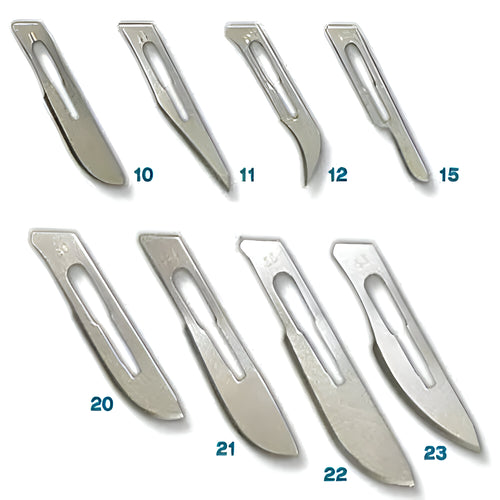
When a surgeon needs to make the first, primary incision, there's one tool they are most likely to reach for. While blades come in dozens of shapes and sizes---each identified by a unique number---the surgical blade No. 10 is the undisputed workhorse of the operating room. If the surgical blade family were a set of kitchen knives, the #10 would be the classic chef's knife: versatile, reliable, and perfectly suited for the biggest job.
The key to the #10's utility is its shape. Notice its large, distinctly curved cutting edge, often called a "belly." This isn't an arbitrary design; it's engineered for making long, straight incisions with maximum control and minimal tissue damage. The curved belly allows the surgeon to use a smooth, consistent motion, distributing pressure evenly along the length of the cut. This creates a much cleaner line than a simple pointed tip ever could.
Because of this design, one of the most common 10 blade uses is for initial incisions in skin and muscle. Think of a long cut on the abdomen for a major procedure. The surgeon needs a blade that can part tissue cleanly and efficiently in a single, fluid pass. The size and strength of the #10 blade make it ideal for this task, setting a clean foundation for the rest of the operation.
Essentially, the #10 blade is what most people unknowingly picture when they think of a "scalpel." It's the go-to tool for starting the job. But surgery is rarely about one single cut. What happens when a surgeon needs to make a tiny, precise puncture or navigate around a delicate nerve? For that, they need to switch from their chef's knife to something more like a paring knife.

When Millimeters Matter: Introducing the #11 and #15 Precision Blades
While the #10 blade is the star for large incisions, much of surgery happens on a far smaller scale. For these delicate tasks, using a large blade would be like trying to carve a tiny sculpture with a butcher's cleaver---clumsy and dangerous. This is where the surgeon's toolkit expands to include blades designed for exceptional precision, where every millimeter counts. Two of the most common are the #11 and the #15, each a specialist in its own right.
First up is the #11 blade , which looks less like a knife and more like a sharply angled spear point. Its long, triangular shape terminates in an extremely fine, pointed tip, making it the surgical equivalent of a precision craft knife. The primary surgical blade 11 uses are for stabbing incisions---not for violence, but for controlled punctures. It's the perfect tool for lancing a small abscess, making an entry point for a minimally invasive instrument, or carefully opening an artery. The sharp tip allows the surgeon to create a tiny, precise opening with minimal force, preventing damage to the surrounding tissue.
For tasks that require a delicate touch rather than a puncture, surgeons often turn to the No. 15 surgical blade. You can think of it as a miniature version of the #10 blade, featuring the same curved belly but on a much smaller scale. This design makes it the "paring knife" of the surgical world. It's ideal for making short, curved incisions in tight or delicate areas. Whether a surgeon is working around a facial nerve, removing a small skin lesion, or performing intricate organ surgery, the #15 blade offers superior control for creating small, arcing cuts that a larger blade simply couldn't manage.
The knife block analogy helps clarify the difference between these core blades:
- #10 Blade: The "Chef's Knife" for making long, straight cuts in skin and muscle.
- #11 Blade: The "Craft Knife" for precise punctures and stabbing incisions.
- #15 Blade: The "Paring Knife" for making short, curved cuts in delicate or tight spaces.
Ultimately, having this trio of blades at their disposal allows surgeons to tailor their tools exactly to the task at hand. This isn't just about making their job easier; it's fundamental to patient safety. Using the right blade means less tissue trauma, which often translates to cleaner healing, reduced scarring, and a faster recovery. But the #10, #11, and #15 are just the beginning. Some procedures call for blades with even more unusual and highly specialized shapes.
The Hidden Specialists: Decoding Unusually Shaped Surgical Blades
Surgery often presents unique challenges that a standard straight or curved blade simply can't solve. What happens when a surgeon needs to cut a stitch buried deep in a wound, or make a long incision through exceptionally tough tissue? For these situations, they reach for the specialists: blades with unusual shapes designed for very specific jobs.
One of the most distinct is the surgical blade no 12. At first glance, it looks more like a tiny, sharpened hook or a crescent moon than a knife. Its unique shape, with the cutting edge on the inside of the curve, is a brilliant solution to a common problem: how to cut something in a tight or awkward space without damaging the tissue behind it. Think of it like a seam ripper used in sewing; its hooked tip can slide under a single thread---or in this case, a suture---and sever it cleanly. This design makes it invaluable for tasks like removing stitches or making small cuts in hard-to-reach areas, such as in dental or oral surgery.
On the other end of the spectrum is the #20 blade . While the #12 is about finesse in tight corners, the #20 is all about controlled power. It looks like a larger, more robust version of the common #10 blade, and that's essentially what it is. The #20 blade is used in surgery for when the surgeon needs more size and leverage. It excels at making long, deep incisions through thick skin or dense muscle, which is often required in general or orthopedic surgery. The larger blade provides more stability and allows the surgeon to cut through substantial tissue with a single, steady motion.
Seeing these highly specialized blade types reveals a fundamental principle of surgical instrument design: form always follows function. A hook-shaped blade for reaching around corners and a heavy-duty blade for powerful cuts aren't just minor variations; they are purpose-built solutions that help surgeons operate more safely and efficiently. The existence of so many different types of scalpel blades underscores the commitment to finding the perfect tool for each specific step of a procedure, minimizing trauma to the patient's body.
The incredible diversity in blade shape, however, is only one part of the story. Once the right shape is chosen, surgeons face another critical decision that balances the sharpest possible edge against resilience and strength. The very material the blade is made from involves a crucial trade-off, a choice between being sharper or being stronger.
Sharper vs. Stronger: The Hidden Material Choice Behind Every Blade
Beyond the shape of the blade lies a choice that pits the sharpest possible edge against everyday reliability. The choice of material---typically between two main contenders---answers the question: what are scalpel blades made of? Much like a professional chef choosing between a high-maintenance knife that holds a razor edge and a durable one that can handle a busy kitchen, the decision involves a classic trade-off.
For procedures that demand the absolute highest level of sharpness, surgeons often turn to carbon steel . These blades can be honed to an exquisitely fine edge, far sharper than their stainless counterparts. This exceptional scalpel sharpness is critical in delicate specialties like plastic surgery or ophthalmology (eye surgery), where the cleanest possible incision minimizes tissue damage and leads to less scarring and faster healing. However, like a prized chef's knife, carbon steel has a weakness: it's prone to corrosion. This means it requires more careful handling and is always used immediately after being removed from its sterile packaging.
On the other side of the carbon steel vs stainless steel scalpels debate is the reliable workhorse: stainless steel. This is the most common material used for surgical blades, and for good reason. Just like your kitchen sink, stainless steel is incredibly durable and highly resistant to rust and corrosion. While it may not achieve the same ultimate degree of sharpness as carbon steel, its edge is more than sufficient for the vast majority of surgical procedures. Its resilience makes it a dependable, low-fuss tool that surgeons can trust to perform consistently in a wide variety of operations, from making the first skin incision to working deep within the body.
Ultimately, the material of the blade is not an afterthought; it's a deliberate decision that enhances surgical precision. A surgeon selects carbon steel when a procedure's success depends on the most delicate cut imaginable. They choose stainless steel for its robust, trustworthy performance in nearly every other situation. This careful consideration ensures that the tool is perfectly matched to the task, providing the safest and most effective outcome for the patient. But even the most perfect blade is useless without a steady hand and a secure grip. That's where the other half of the scalpel system comes into play: the handle.
It Takes Two: How the Scalpel Handle Ensures Control and Safety
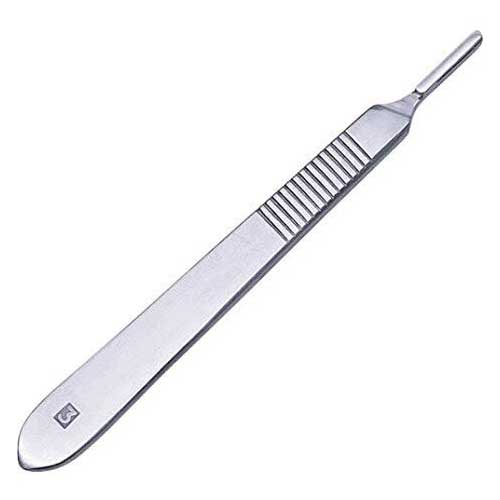
Even the most perfectly engineered blade is only as good as the hand that guides it. That's why the scalpel handle, the other half of this essential surgical knife, is far more than just a simple holder. It's a precision instrument designed for balance, grip, and unwavering control, ensuring the surgeon's skill is transferred flawlessly to the blade's tip. Made from durable stainless steel, the handle is a reusable component that becomes a familiar extension of the surgeon's own hand.
If you've ever held a high-quality pen or a well-made kitchen knife, you know the feeling of perfect balance. Scalpel handles are designed with this same principle in mind. Many feature a flat shape with a ribbed or textured surface to provide a secure, non-slip grip, even when a surgeon is wearing gloves. The carefully distributed weight gives the tool a feeling of substance and stability, reducing hand fatigue and allowing for the steady, deliberate movements that various scalpel uses demand, from long incisions to tiny, intricate work.
To ensure the right tool is always used for the right job, handles and blades follow a simple matching system. This system serves as a straightforward guide to the medical blade numbering system : handles with a smaller fitting are for smaller blades, and handles with a larger fitting are for larger ones. A #3 scalpel handle , for example, is the standard for delicate work, designed to hold the smaller family of blades (like the #10 or #15). In contrast, a #4 handle is slightly larger and sturdier, built to pair with bigger blades used for more extensive cuts. This simple system prevents any mismatch, ensuring a secure and proper fit every time.
Perhaps the most crucial feature of this two-part system is the secure connection. The process of attaching a blade to a #3 scalpel handle isn't a simple friction fit; the blade slides into a precise groove until it locks firmly into place. This robust mechanism is a critical safety feature, guaranteeing that the blade and handle act as a single, solid unit with zero chance of it wobbling or detaching during a procedure. But even with this secure design, the moments when a blade is attached, passed between medical staff, or removed are among the most high-risk in the operating room. This brings us to the strict protocols that protect everyone involved.
The Most Dangerous Moment: How Medical Teams Handle Blades Safely
A tool sharp enough to make a perfect incision is also sharp enough to cause a serious injury. Because of this simple fact, the moments when a blade is being handled---attached, passed, or removed---are governed by strict, non-negotiable protocols. These procedures aren't just about following rules; they represent a culture of safety designed to protect every single person in the operating room. Far from being a source of anxiety, this system of meticulous checks and balances is what allows the surgical team to use such a powerful instrument with total confidence.
At the heart of blade safety is a simple, elegant principle: the "no-touch" technique . This means that from the moment a sterile blade is removed from its foil packet to the moment it is discarded, a medical professional's fingers never make direct contact with it. Think of it like handling a piece of broken glass; you'd instinctively reach for pliers or tweezers. In the operating room, a surgeon or scrub nurse will use a dedicated instrument, such as a hemostat or forceps, to grasp the blade securely, slide it onto the handle, and lock it into place. This single practice is the most effective method for preventing accidental scalpel injuries during setup and removal.
You might imagine a surgeon holding out their hand expectantly as a nurse slaps a scalpel into their palm, as often seen in movies. In reality, this hand-to-hand pass is a high-risk move that modern surgical teams actively avoid. Instead, many operating rooms use what's called a "hands-free" or neutral zone passing technique. This involves a designated area on the instrument tray---often a small basin or a magnetic mat---that acts as a safe transfer spot. The scrub nurse places the scalpel in this neutral zone and verbally announces it. Only then does the surgeon pick it up. This eliminates the chance of a fumble or an accidental stick during a direct handoff.
Once a blade has served its purpose---whether after a single use or when the surgeon needs to switch to a different shape---its journey isn't over. The process of how to safely remove a scalpel blade follows the "no-touch" rule in reverse, using an instrument to disengage it from the handle. The used blade is then immediately placed into a specialized container for proper medical sharps disposal.
These containers are universally recognized, rigid, puncture-proof boxes, usually bright red or yellow, and clearly labeled with a biohazard symbol. All used medical sharps , including blades, needles, and other pointed instruments, go directly into this sharps container. It ensures that no one, from the surgical team to the cleaning and waste management staff, is ever at risk of an accidental puncture.
From the moment it's attached to the handle to the second it's discarded, the surgical blade is managed by a system of overlapping safety measures. The no-touch technique, neutral zone passing, and secure sharps containers all work together to create a predictable and safe environment. This meticulous attention to detail transforms an object of potential danger into a trusted tool, revealing the true nature of the scalpel: not just a sharp edge, but a complete system built on precision, skill, and uncompromising safety.

From a Simple Knife to a System of Precision: The True Meaning of the Scalpel
The word "scalpel" often paints a simple picture: a single, sharp tool. The reality is a sophisticated system of handles and blades designed for incredible versatility, moving beyond the Hollywood stereotype to reveal the intention and precision packed into this fundamental surgical instrument.
This deeper understanding demystifies a surgeon's choices in the operating room. A request for a specific blade is not arbitrary but a deliberate decision, much like a master chef selecting the right knife for a specific task. When a long, clean incision is needed, the curved #10 blade serves as the workhorse. For delicate, precise work around a nerve, the small, nimble #15 is called upon. This foundational knowledge of scalpel blade sizes and uses clarifies a critical aspect of surgery.
The evolution from a single tool to a full toolkit reveals the core principle guiding every choice: patient safety and optimal healing. Every detail, from the material science behind a carbon steel edge to the sterile, single-use nature of the blade, is engineered to achieve the highest level of surgical precision. This appreciation for understanding surgical tools shows that nothing is left to chance. The goal is always the cleanest cut, the least amount of tissue trauma, and the best possible outcome for the person on the table.
The scalpel is more than just a sharp edge; it is a world of choice, a testament to the long history of the surgical scalpel and its evolution. It is a symbol of the profound partnership between meticulous engineering and human skill, where a tiny piece of steel becomes an instrument of healing, care, and control.
Q&A
Question: What does “scalpel” actually refer to in modern surgery?
Short answer: It’s a two-part system: a reusable stainless steel handle for control, paired with a single-use, sterile blade for cutting. Blades are individually packaged after sterilization (often via gamma radiation) to ensure absolute sterility and a factory-perfect edge. Handles are designed for balance and grip and are safely reprocessed between cases in an autoclave.
Question: Why are blades single-use while handles are reusable?
Short answer: Single-use blades eliminate cross-contamination risk and guarantee a pristine, razor-sharp edge for every procedure. A fresh edge reduces cutting force and tissue trauma, which can support faster healing, less inflammation, and minimal scarring. Handles, by contrast, aren’t cutting surfaces; they’re durable stainless instruments engineered for ergonomics and are reliably sterilized between procedures.
Question: How do the #10, #11, and #15 blades differ in use and design?
Short answer: Each is purpose-built. The #10 (the “chef’s knife”) has a broad curved belly for long, smooth skin and muscle incisions. The #11 (the “craft knife”) is a triangular spear point for precise punctures—like lancing an abscess or creating entry points. The #15 (the “paring knife”) is a small curved blade ideal for short, delicate, arcing cuts in tight or sensitive areas.
Question: What specialized problems do the #12 and #20 blades solve?
Short answer: The #12 is a hook-shaped blade with its cutting edge on the inner curve, perfect for cutting in tight or awkward spaces—commonly used for suture removal and select oral/dental tasks. The #20 is a larger, heavier version of the #10, providing controlled power for long, deep incisions through thick skin or dense muscle, as seen in general or orthopedic surgery.
Question: How are blades matched to handles and kept safe to use and pass?
Short answer: Blade-handle sizes are keyed: smaller blades (like #10 and #15) typically fit a #3 handle, while larger blades pair with a #4 handle. The blade slides into a precise groove and locks firmly to prevent wobble or detachment. Safety relies on a “no-touch” technique (using forceps/hemostats to attach/remove blades), hands-free “neutral zone” passing (no hand-to-hand transfers), and immediate disposal of used blades into rigid, puncture-proof sharps containers.