


Type: Surgical
Cautery Machine for Minor Surgical Procedures
Type: Surgical
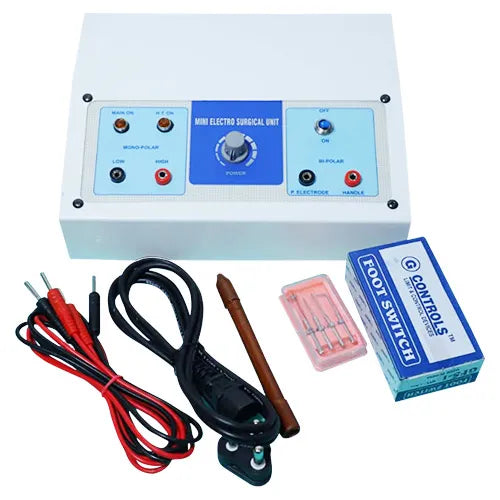
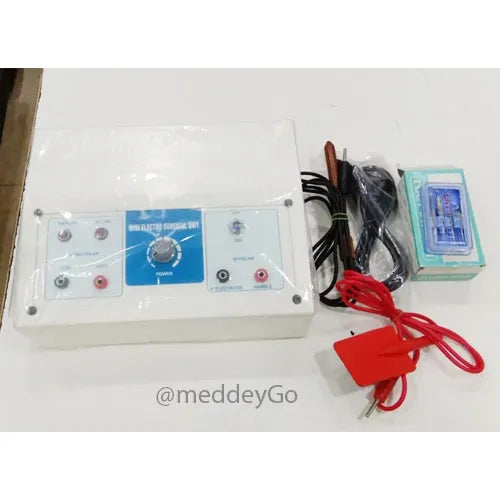
Mini Cautery Electro Surgical Monopolar Bi-Polar Unit
Type: Surgical
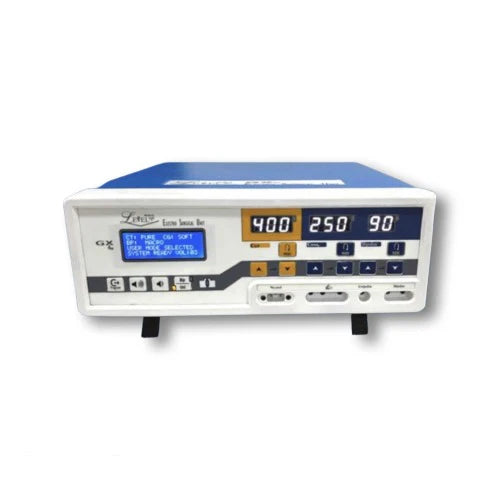
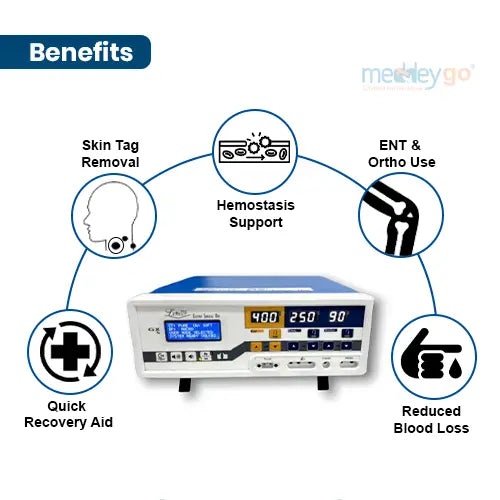
Digital Cautery Machine 400W
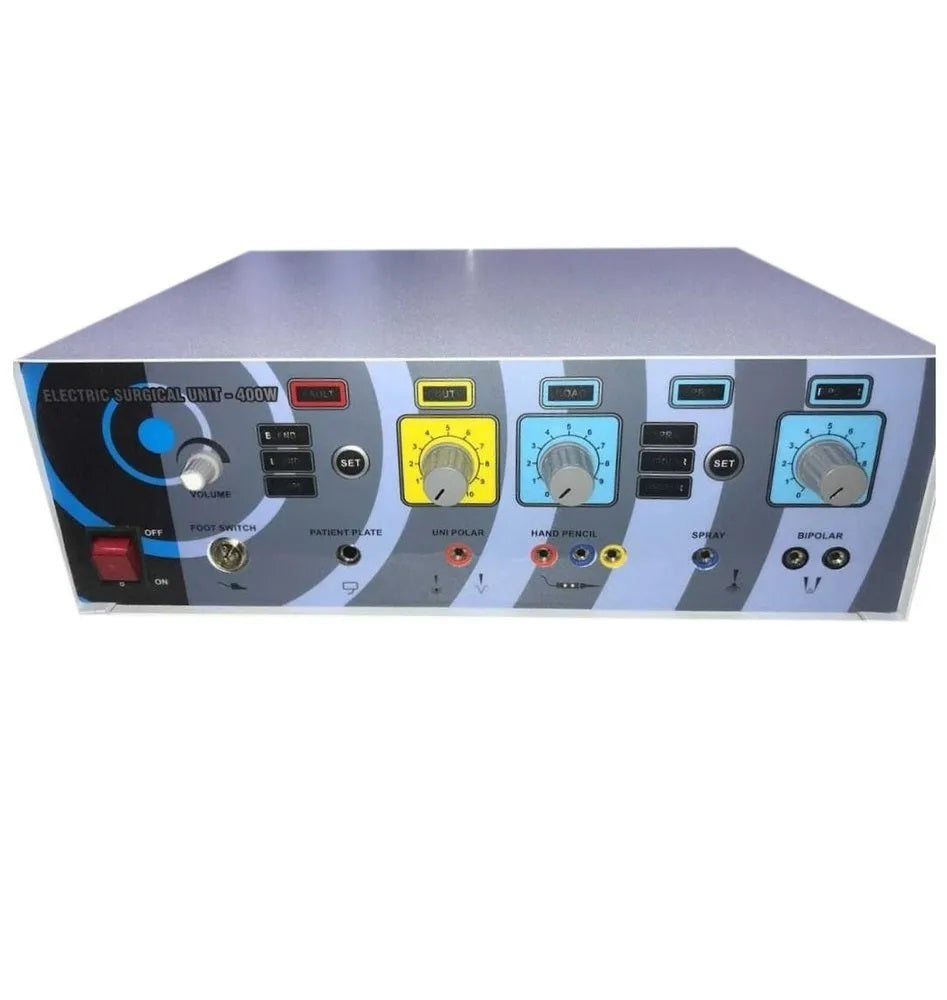
Type: Surgical
Analog Cautery Machine 400 Watt
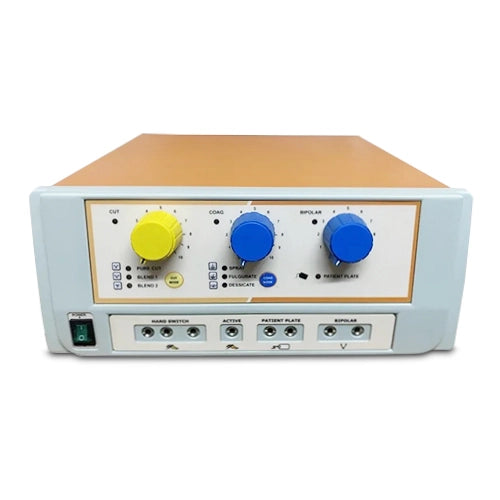
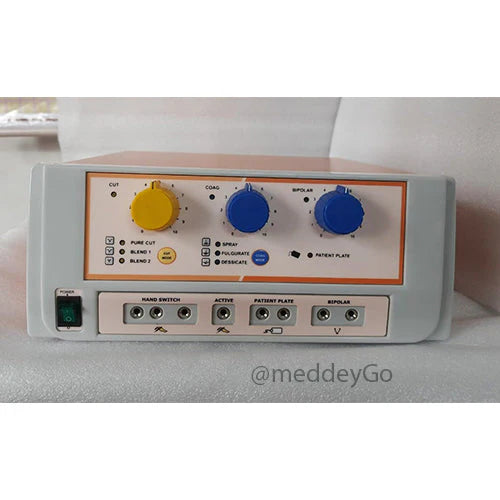
Type: Surgical
Analog Cautery Machine 400w
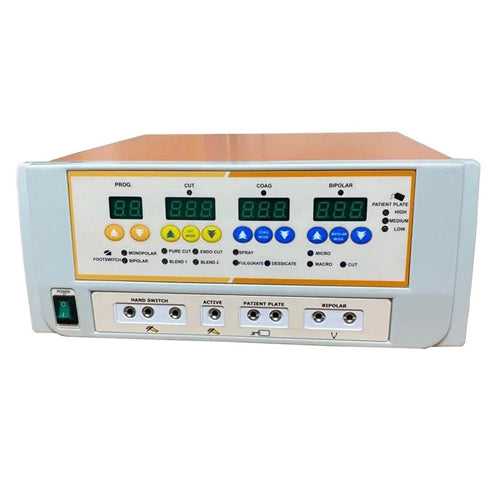
Type: Cautery Machines
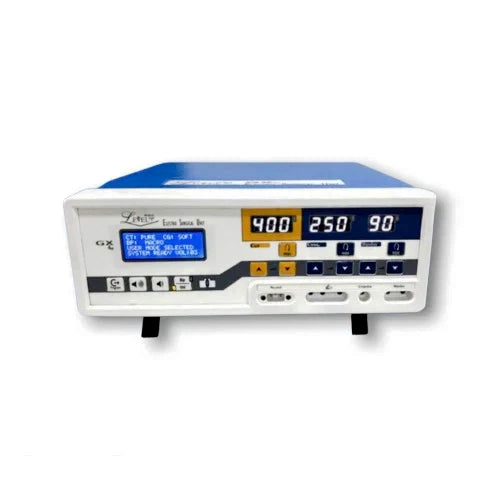
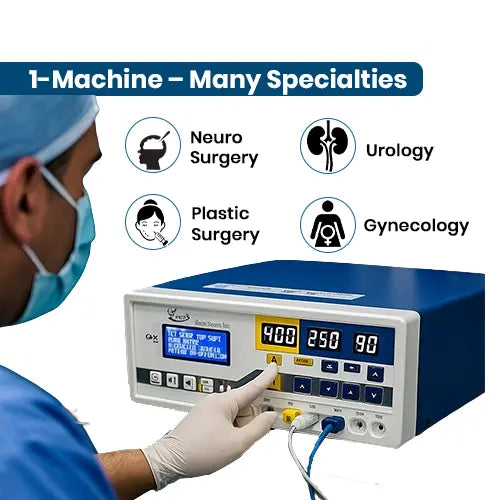
Digital Cautery Machine BIOHEARTZ 400W, 480 KHz
Type: Surgical
Digital Cautery Machine 300W
Type: Surgical
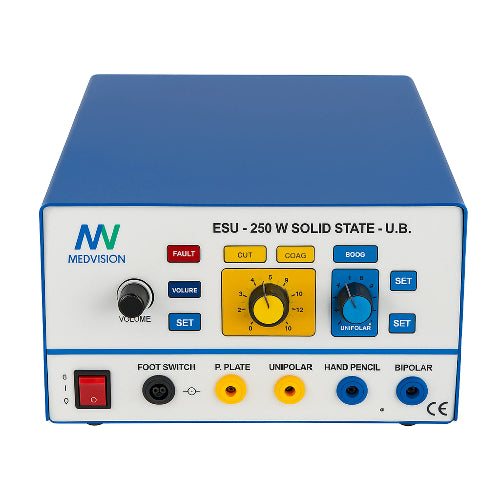
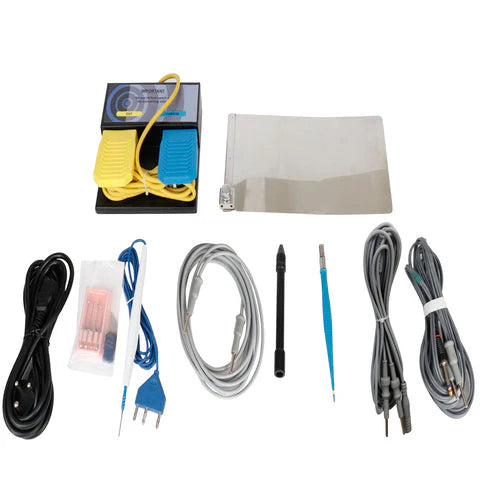
Analog Cautery Machine 250W
Collection:
Understanding Cautery and Electrosurgery Equipment
Understanding Cautery and Electrosurgery Equipment
In the ever-evolving field of surgical technology, understanding the nuances of cautery and electrosurgery equipment is crucial for healthcare professionals. These tools play a vital role in modern surgical procedures, impacting everything from patient outcomes to operational efficiency. This article aims to demystify these tools, highlighting their differences and applications in modern medicine. Whether you're a hospital administrator, a medical equipment distributor, or a healthcare technology consultant, grasping these concepts can enhance your approach to medical equipment procurement and utilization.

Cautery equipment has been a fundamental component in surgical procedures for decades, serving a critical function in achieving hemostasis, or the cessation of bleeding. At its core, cautery involves the application of heat to tissue, a technique that has been refined and adapted over time to suit a variety of surgical needs. The ability to seal wounds and prevent blood loss makes cautery devices indispensable in operating rooms, contributing to both patient safety and surgical efficiency.
The Historical Evolution of Cautery
Cautery dates back to ancient civilizations, where it was initially used as a method to control bleeding in battlefield injuries. Over the centuries, the technology evolved significantly, with major advancements occurring during the 19th and 20th centuries. The introduction of electricity into medical practices revolutionized cautery, leading to the development of electrocautery devices that allowed for more controlled and precise applications. This evolution reflects a broader trend in surgical technology towards increased precision and safety.
Types of Cautery Devices
- Thermal Cautery: This traditional method uses direct heat to cauterize tissue. It is simple and effective for small-scale applications, often employed in minor surgical procedures where precision is not a primary concern. Despite its simplicity, thermal cautery remains popular due to its straightforward application and low cost.
- Chemical Cautery: Involves the use of chemicals like silver nitrate to achieve cauterization. This method is typically used for minor procedures, such as treating small skin lesions or nasal bleeding. Chemical cautery offers a non-invasive alternative to thermal methods, making it suitable for patients who may not tolerate heat-based approaches.
- Electrocautery: A more advanced form of cautery, which uses electric current to produce heat. This method is more controlled and precise, reducing the risk of damage to surrounding tissues. Electrocautery is particularly useful in delicate surgical environments where accuracy is paramount, and it has become a staple in modern surgical settings due to its versatility and effectiveness.
Applications of Cautery Equipment
Cautery equipment is used in a wide range of surgical procedures, from minor outpatient treatments to complex operations. In dermatology, cautery is often employed to remove warts and other skin lesions, while in gynecology, it is used to manage cervical dysplasia. The ability to quickly and effectively achieve hemostasis makes cautery a valuable tool in trauma surgery as well, where rapid intervention is critical to patient survival. Understanding the specific applications of different cautery devices can help healthcare providers choose the right tool for each procedure, optimizing outcomes and minimizing risks.
What is Electrosurgery?

Electrosurgery, on the other hand, represents a more advanced approach, using high-frequency electrical currents to cut tissue, coagulate blood vessels, and achieve hemostasis. This technique is widely appreciated for its precision and ability to minimize blood loss during surgeries, making it a preferred choice in many surgical disciplines. Electrosurgery's versatility and effectiveness have cemented its place as a cornerstone of modern surgical practice.
The Science Behind Electrosurgery
Electrosurgery operates on the principle of using electrical currents to generate heat, which can then be used to cut or coagulate tissue. The high-frequency current allows for precise control, minimizing collateral damage to surrounding tissues. This precision is achieved through the use of specialized equipment and techniques, which have been refined over decades of research and development. Understanding the science behind electrosurgery can help healthcare professionals appreciate its benefits and limitations, allowing for more informed decision-making in surgical settings.
Electrosurgical Tools and Instruments
Electrosurgery tools are diverse and sophisticated, designed to meet the specific needs of different surgical procedures. Key components include:
- Electrosurgical Units (ESUs): The core machines that generate and control the electrical currents used in electrosurgical procedures. These units are equipped with advanced safety features and customizable settings to accommodate a wide range of surgical requirements.
- Electrosurgical Instruments: Various handpieces and electrodes that deliver the electrical current to the surgical site. These instruments are highly specialized, with different shapes and sizes available to suit the unique demands of each procedure. The choice of instrument can significantly impact the outcome of a surgery, highlighting the importance of selecting the right tool for each task.
- Advanced Safety Features: Modern electrosurgical units often include features such as automatic shut-off mechanisms, smoke evacuation systems, and real-time monitoring of electrical output. These advancements enhance both patient safety and surgical efficiency, reducing the risk of complications and improving overall outcomes.
Advantages of Electrosurgery
Electrosurgery offers several advantages over traditional surgical methods, making it a valuable tool in the operating room:
- Precision: Allows for precise cutting and coagulation with minimal tissue trauma. This precision reduces the risk of post-operative complications and promotes faster healing, contributing to improved patient outcomes.
- Reduced Blood Loss: The ability to coagulate blood vessels as they are cut reduces intraoperative bleeding. This advantage is particularly important in complex surgeries, where minimizing blood loss can significantly impact patient recovery and overall success.
- Versatility: Electrosurgery can be used in a wide range of surgical procedures, from dermatology to neurosurgery, making it a staple in the operating room. Its adaptability allows surgeons to tackle diverse challenges with confidence, knowing they have the right tools at their disposal.
- Improved Recovery Times: The reduced tissue trauma and blood loss associated with electrosurgery often lead to shorter recovery times for patients. This benefit not only enhances patient satisfaction but also contributes to more efficient use of healthcare resources.
Key Differences Between Electrosurgery and Electrocautery
Understanding the differences between electrosurgery and electrocautery is essential for making informed decisions about equipment procurement and usage. Each method has its unique advantages and applications, and choosing the right one can significantly impact surgical outcomes.
1. Mechanism of Action
- Electrosurgery: Involves the use of high-frequency electrical currents to cut and coagulate tissue. The current passes through the patient's body, requiring a grounding pad to ensure safety. This method allows for precise control over the surgical site, making it ideal for complex procedures where tissue preservation is crucial.
- Electrocautery: Utilizes heat generated by an electric current to cauterize tissue. The current does not pass through the patient's body, making it safer in certain contexts, particularly for patients with implanted electronic devices or those at risk of electrical interference. Electrocautery is often used for more straightforward procedures where the risk of collateral damage is low.
2. Application and Precision
- Electrosurgery: Highly versatile and precise, suitable for complex procedures where tissue preservation is crucial. Its precision makes it ideal for surgeries that require delicate manipulation of tissues, such as in neurosurgery or ophthalmology.
- Electrocautery: More suited to procedures where precision is less critical, often used for surface-level applications. It is frequently employed in dermatology and minor surgical procedures where speed and simplicity are prioritized over precision.
- Tailored Approach: Both methods offer unique advantages, and the choice between them should be based on the specific needs of each procedure. Understanding the strengths and limitations of each approach allows healthcare providers to tailor their surgical strategy to achieve the best possible outcomes.
3. Equipment and Setup
- Electrosurgery: Requires more sophisticated equipment, including ESUs and a variety of handpieces and electrodes. The complexity of the setup reflects the advanced capabilities of the technology, which can be customized to suit a wide range of surgical needs.
- Electrocautery: Generally involves simpler devices with fewer components, making it easier to set up and use. This simplicity can be advantageous in settings where time and resources are limited, allowing for efficient surgical intervention without sacrificing quality.
- Considerations for Setup: When selecting equipment, healthcare providers should consider factors such as the complexity of the procedure, the availability of trained personnel, and the specific needs of the patient. A well-planned setup can enhance surgical efficiency and improve patient outcomes.
Selecting High-Quality Cautery and Electrosurgery Supplies

by William Shu (https://unsplash.com/@chillhigh)
For hospital administrators and medical equipment distributors, selecting high-quality cautery and electrosurgery supplies is vital for patient safety and surgical success. The right equipment can enhance surgical outcomes, improve patient satisfaction, and contribute to the overall efficiency of healthcare delivery systems.
Assessing Quality and Reliability
- Brand Reputation: Opt for well-known brands that have a track record of reliability and innovation in surgical equipment. Established brands often invest in research and development, leading to continuous improvements in product quality and performance.
- Compliance and Certification: Ensure that equipment meets all relevant regulatory standards and certifications, such as those set by the FDA or CE. Compliance with these standards is crucial for ensuring patient safety and minimizing the risk of complications.
- User Reviews and Feedback: Gathering feedback from current users of the equipment can provide valuable insights into its performance and reliability in real-world settings. This information can help guide purchasing decisions and ensure that the chosen equipment meets the needs of the healthcare facility.
Understanding Technological Advancements
- Innovations: Stay informed about the latest technological advancements, such as advanced electrosurgical units with improved safety features and precision. Keeping up with innovations allows healthcare providers to offer state-of-the-art care and maintain a competitive edge in the industry.
- User Training: Consider the availability of training programs and support for your surgical staff to maximize the effectiveness of the equipment. Proper training ensures that staff can fully utilize the capabilities of the equipment, leading to improved surgical outcomes and reduced risk of errors.
- Integration with Existing Systems: Evaluate how new equipment will integrate with existing systems and workflows within the healthcare facility. Seamless integration can enhance operational efficiency and reduce the learning curve for staff, ensuring a smooth transition to new technology.
Cost-Benefit Analysis
- Budget Constraints: Weigh the costs against the benefits of advanced features and technologies. High-quality equipment often leads to better surgical outcomes and long-term cost savings, making it a worthwhile investment for healthcare facilities.
- Return on Investment (ROI): Consider the potential ROI of new equipment, including factors such as reduced complication rates, improved patient satisfaction, and increased surgical capacity. A positive ROI can justify the initial investment and contribute to the financial health of the healthcare facility.
- Long-Term Maintenance and Support: Factor in the costs of maintenance and support when evaluating equipment options. Reliable support and service can extend the lifespan of the equipment and ensure consistent performance, further enhancing the value of the investment.
Conclusion
Understanding the intricacies of cautery and electrosurgery equipment is essential for optimizing surgical outcomes and ensuring patient safety. By grasping the differences between these technologies and selecting the right tools, healthcare professionals can significantly enhance their surgical capabilities.
For hospital administrators, this knowledge aids in making informed procurement decisions, ensuring that the chosen equipment meets the needs of the facility and its patients. Medical equipment distributors can better position their products in a competitive market by understanding the unique features and benefits of each technology. Meanwhile, healthcare technology consultants can offer valuable insights to their clients, helping them navigate the complexities of modern surgical equipment.
The evolving landscape of surgical technology demands continuous learning and adaptation, ensuring that healthcare providers can deliver the highest standard of care. In conclusion, the right cautery and electrosurgery equipment not only improves surgical outcomes but also enhances the overall efficiency and effectiveness of healthcare delivery systems. Stay informed, stay equipped, and stay ahead in the rapidly advancing world of medical technology.
Q&A
Question: What is the key difference between electrosurgery and electrocautery?
Short answer: Electrosurgery uses high-frequency electrical current that passes through the patient to cut and coagulate tissue, typically requiring a grounding pad for safety. Electrocautery, by contrast, uses heat generated by electricity at the instrument tip to cauterize tissue, but the current does not pass through the patient. As a result, electrosurgery offers greater precision and versatility for complex procedures, while electrocautery can be preferable in contexts where electrical current through the body is a concern (e.g., risk of interference with implanted devices).
Question: What are the main types of cautery devices and their typical uses?
Short answer: There are three primary types: thermal cautery, chemical cautery, and electrocautery. Thermal cautery uses direct heat and is common for small, less precision-critical tasks. Chemical cautery (e.g., silver nitrate) is used for minor issues like small skin lesions or nasal bleeding. Electrocautery generates heat via electric current at the instrument, providing more control and precision, making it suitable for delicate surgical settings.
Question: When should a clinician choose electrosurgery instead of electrocautery (and vice versa)?
Short answer: Choose electrosurgery for procedures demanding high precision, tissue preservation, and efficient hemostasis—spanning many specialties from dermatology to neurosurgery—because it enables controlled cutting and coagulation with minimal collateral damage and blood loss. Opt for electrocautery for simpler, surface-level or minor procedures where speed and straightforward setup are priorities, or when avoiding current through the patient is advantageous (e.g., certain patients at risk of electrical interference).
Question: What equipment makes up an electrosurgical setup, and which safety features matter most?
Short answer: A typical setup includes an electrosurgical unit (ESU) that generates and controls current, plus specialized handpieces and electrodes tailored to the procedure. Look for advanced safety features such as automatic shut-off, smoke evacuation, and real-time output monitoring. The ability to customize ESU settings and select the right instrument shape/size is critical for precision, safety, and efficiency.
Question: How should hospitals and distributors evaluate and justify investments in cautery and electrosurgery equipment?
Short answer: Assess brand reputation, regulatory compliance (e.g., FDA, CE), and real-world user feedback to gauge reliability and performance. Factor in technological advancements, availability of staff training, and seamless integration with existing workflows. Conduct a cost-benefit and ROI analysis that considers improved outcomes, reduced complications and blood loss, faster recoveries, increased surgical capacity, and long-term maintenance and support to ensure sustained value.