
Type: Instruments
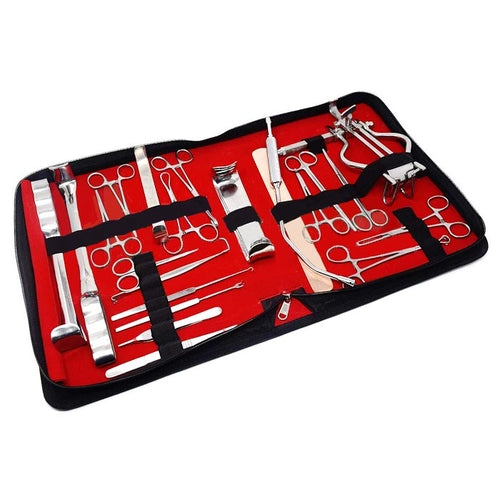
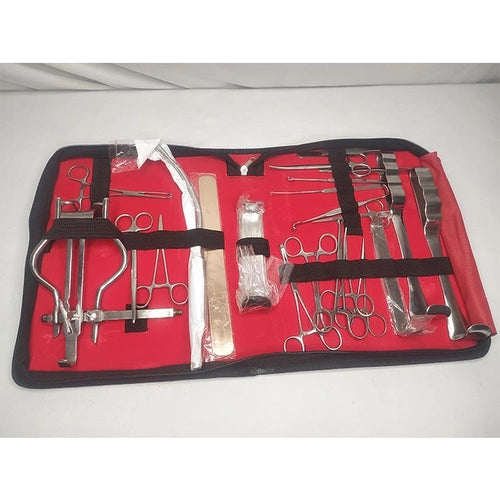
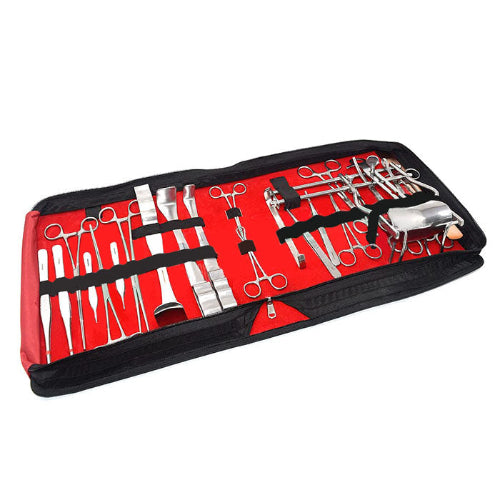
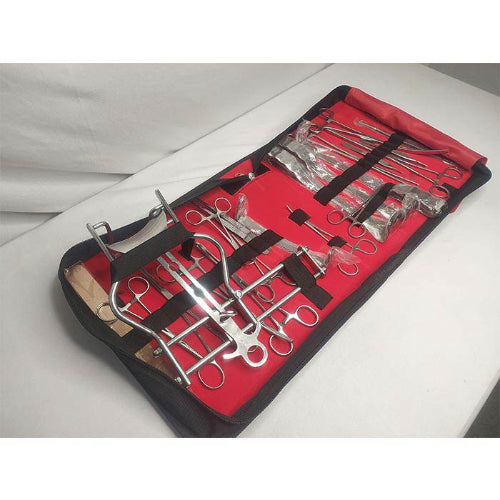
Laparotomy Pediatric Instruments Kit
Type: Surgical Scissors
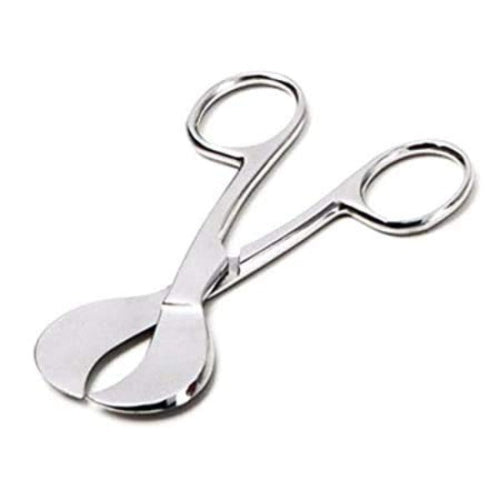
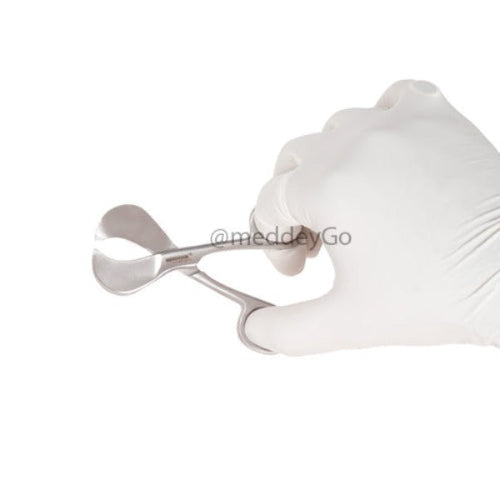
Umbilical Cord Cutting Scissor
Type: Instruments
Laparotomy Surgical Instrument Set for Adults
Type: Instruments
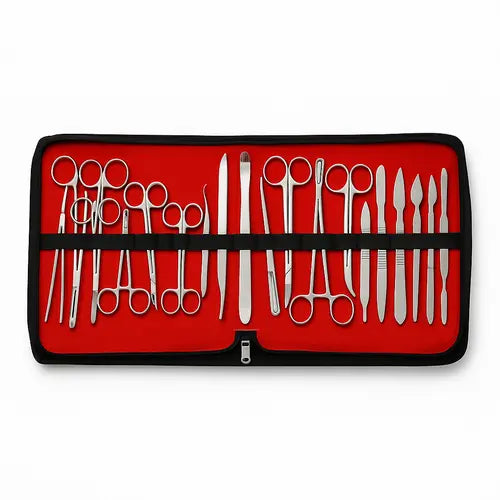
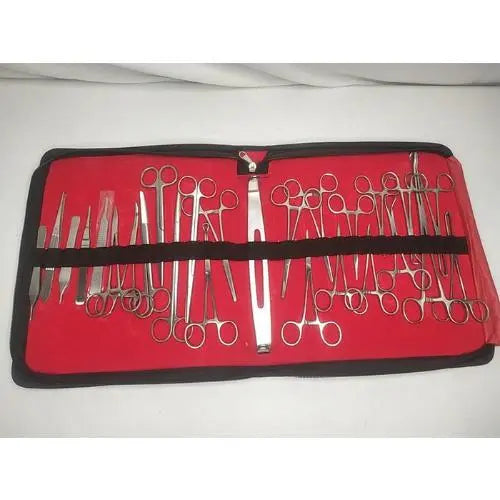
Appendectomy Instrument Kit
Collection:
Understanding Surgical Right Angle Clamps Usage
In the intricate world of surgical procedures, precision is paramount. Among the myriad of tools that surgeons rely on, surgical right angle clamps stand out for their unique design and functionality. In this article, we will delve into the usage of these critical instruments, exploring their significance in surgical settings and offering insights into their applications.
Summary
Right angle clamps are specialized surgical instruments with a right-angled tip that enable precise access to hard-to-reach areas, supporting meticulous dissection, hemostasis, and tissue control. They are widely used across vascular, general, and orthopedic surgeries to improve efficiency, reduce risk, and protect delicate structures. Advances in materials, ergonomics, and technology have further enhanced their durability, comfort, and data-informed precision. Optimal outcomes rely on rigorous sterilization and maintenance, comprehensive training, and partnerships with trusted suppliers.

Surgical right angle clamps, also known as right angle forceps, are specialized instruments used in various medical procedures. These clamps are designed with a distinct right-angled tip, allowing surgeons to reach around structures and access areas that are otherwise difficult to navigate with straight instruments. This design makes them indispensable in surgeries that require meticulous dissection and control.
Design and Structure
The design of surgical right angle clamps is meticulously crafted to enhance surgical precision. The right-angled tip is engineered to access areas that are hard to reach with traditional straight instruments, allowing for more precise operations. The clamps' construction often includes high-quality materials like stainless steel, which provides both durability and resistance to wear and tear. The stainless steel not only ensures longevity but also maintains sterility, which is crucial for preventing infections.
Material Composition
Typically made from high-grade stainless steel, surgical right angle clamps offer resistance to corrosion, a vital property given their exposure to bodily fluids and sterilization processes. Advanced manufacturing techniques ensure the clamps' structural integrity, allowing them to withstand the rigors of repeated use. This material composition is not only about durability but also about maintaining the instrument's precision over time, ensuring that each procedure can be performed with the utmost accuracy.
Ergonomic Considerations
The ergonomic design of these clamps plays a critical role in surgical procedures. The handles are crafted to fit comfortably in a surgeon's hand, reducing fatigue during long operations. This ergonomic grip is essential for maintaining precision and control, which is particularly important when dealing with delicate tissues and structures. The design considerations extend to the balance and weight of the clamps, which are optimized to provide the surgeon with a natural and intuitive tool.
What Are Right Angle Clamps Used For in Surgery?
Right angle clamps are versatile tools used in numerous surgical applications. Their primary function is to secure blood vessels, tissues, or ducts during procedures, preventing bleeding or leakage.
Vascular Surgery Applications
In vascular surgery, right angle clamps are indispensable for their ability to manipulate and secure blood vessels with minimal trauma. They allow surgeons to isolate and control blood flow during critical procedures, such as bypass operations or aneurysm repairs. The precise control afforded by these clamps is crucial in minimizing blood loss and ensuring the success of vascular interventions.
General Surgery Uses
Within general surgery, right angle clamps facilitate access to deep or hard-to-reach areas, making them essential for procedures involving the abdomen or thoracic cavity. Their unique design allows surgeons to maneuver around organs and other structures without causing unnecessary damage. This capability is particularly valuable in laparoscopic surgeries, where limited space demands precise instrument handling.
Orthopedic Surgery Functions
In orthopedic surgery, right angle clamps are employed to navigate around bones and secure soft tissues during joint repairs or reconstructions. Their ability to reach around complex anatomical structures without compromising the surrounding tissue is vital for successful outcomes. These clamps are especially useful in procedures involving the spine or intricate joint surgeries, where precision and control are paramount.
Importance of Surgical Clamps

Surgical clamps, including right angle clamps, play a crucial role in enhancing surgical efficiency and patient outcomes. Their ability to provide secure grip and control is vital in maintaining hemostasis and tissue integrity.
Maintaining Hemostasis
The primary role of surgical clamps is to maintain hemostasis, or the stopping of blood flow during surgery. Right angle clamps are particularly effective in this role due to their precise gripping capabilities. By controlling blood flow, they help prevent excessive bleeding, which is essential for patient safety and successful surgical outcomes. The precision offered by these clamps ensures that tissues are not damaged, maintaining their integrity throughout the procedure.
Enhancing Surgical Efficiency
Right angle clamps contribute significantly to surgical efficiency by allowing surgeons to perform complex maneuvers with ease. Their design facilitates quick and accurate dissection, reducing the time required for procedures. This efficiency not only benefits the patient by shortening anesthesia times but also enhances the overall workflow within the operating room. By streamlining surgical processes, these clamps help reduce the risk of complications and improve recovery times.
Reducing Surgical Risks
The precision and control provided by right angle clamps are pivotal in minimizing surgical risks. Their ability to navigate around delicate structures without causing damage reduces the likelihood of postoperative complications. This is especially important in surgeries involving vital organs or intricate anatomical areas. By facilitating careful and controlled tissue manipulation, these clamps play a crucial role in ensuring patient safety.
Advancements in Surgical Tools
The healthcare industry is constantly evolving, and surgical tools are no exception. Recent advancements in technology have led to the development of innovative surgical instruments that enhance precision and efficiency.
Innovations in Material Science
Modern surgical right angle clamps are crafted using cutting-edge materials that offer superior strength and durability. Innovations in material science have led to the development of alloys that are lighter yet stronger, improving the overall performance of surgical instruments. These advancements not only enhance the longevity of the tools but also contribute to their precision, allowing for more accurate surgical procedures.
Ergonomic Enhancements
Recent advancements have also seen significant improvements in the ergonomic design of surgical clamps. New handle designs reduce hand fatigue and improve the surgeon's grip, allowing for more precise control during lengthy procedures. The incorporation of soft-touch materials and adjustable handles has further enhanced comfort, making these tools more user-friendly and effective.
Technological Integration
The integration of technology in surgical tools has revolutionized the field. Some right angle clamps are now equipped with sensors and connectivity features, allowing for real-time monitoring and data collection during procedures. This integration enhances surgical precision and provides valuable insights for postoperative analysis. By combining traditional surgical techniques with modern technology, these advanced tools offer new possibilities for improving patient outcomes.
Best Practices for Using Surgical Clamps

To maximize the effectiveness of surgical right angle clamps, it's essential to follow best practices during their use. Here are some key considerations:
Ensuring Proper Sterilization
Proper sterilization is critical to prevent infections and ensure patient safety. Surgical right angle clamps must undergo rigorous sterilization processes before each use. This involves cleaning, disinfecting, and sterilizing the instruments according to established protocols. Regular sterilization not only protects patients but also prolongs the life of the instruments by preventing corrosion and wear.
Conducting Regular Maintenance
Regular maintenance checks are essential to ensure the continued functionality of surgical clamps. This includes inspecting the clamps for signs of wear, damage, or malfunction. Any issues should be addressed promptly to maintain the instruments' precision and reliability. Routine maintenance not only ensures the instruments' longevity but also contributes to optimal surgical outcomes by ensuring the tools are in peak condition.
Providing Comprehensive Training
Surgeons and operating room staff should receive comprehensive training in the use of right angle clamps. This training should cover the proper handling, sterilization, and maintenance of the instruments. Proficiency in these areas is vital to ensuring optimal outcomes and minimizing surgical risks. Ongoing education and training programs can help keep surgical teams up-to-date with the latest advancements and best practices.
Collaborating with Trusted Suppliers
Hospitals and healthcare facilities should collaborate with reputable medical equipment distributors to source high-quality surgical tools. Working with trusted suppliers ensures access to the latest advancements and compliance with regulatory standards. By partnering with reliable suppliers, healthcare organizations can ensure they have the best tools available for their surgical teams, contributing to better patient care and outcomes.
Conclusion
Surgical right angle clamps are indispensable tools in the operating room, offering unparalleled precision and control. Their unique design and versatility make them suitable for a wide range of surgical applications, from vascular to orthopedic procedures. By understanding their usage and staying informed about advancements in surgical tools, healthcare professionals can enhance patient care and optimize surgical outcomes.
As the healthcare landscape continues to evolve, staying abreast of the latest trends and innovations in surgical equipment is essential. By leveraging cutting-edge technology and collaborating with trusted partners, hospitals and medical equipment distributors can ensure the highest standards of care and efficiency in surgical procedures.
In summary, surgical right angle clamps are more than just instruments; they are vital components of modern surgical practice, contributing to improved patient outcomes and advancing the field of medicine. The ongoing development and refinement of these tools highlight the importance of continuous learning and adaptation in the ever-evolving world of healthcare.
Q&A
Question: What makes right angle clamps different from straight instruments, and why are they preferred in certain scenarios?
Short answer: Right angle clamps have a distinct right-angled tip that lets surgeons reach around and behind structures that straight instruments can’t easily access. This geometry enables precise dissection and secure control of vessels, tissues, and ducts in confined or complex spaces. Because they minimize unnecessary manipulation of surrounding anatomy, they’re favored when meticulous hemostasis and tissue protection are critical—such as near vital organs, deep cavities, or dense vascular networks.
Question: In which surgeries are right angle clamps most useful, and what do they help accomplish?
Short answer: They are widely used across vascular, general, and orthopedic procedures. In vascular surgery, they isolate and control blood flow with minimal trauma during tasks like bypasses or aneurysm repairs. In general surgery, they facilitate access and maneuvering in deep abdominal or thoracic areas, including space-limited laparoscopic cases. In orthopedics, they navigate around bones to secure soft tissues during joint repairs or spine work. Across these settings, they help maintain hemostasis, streamline dissection, reduce operative time, and lower the risk of injury to delicate structures.
Question: How do materials and manufacturing influence the performance and longevity of right angle clamps?
Short answer: High-grade stainless steel provides corrosion resistance and structural strength, allowing clamps to withstand repeated exposure to bodily fluids and rigorous sterilization without degrading. Advanced manufacturing techniques preserve tip geometry and alignment, so precision is maintained over time. The result is durable instruments that remain accurate and reliable across many cycles, supporting consistent surgical outcomes and sterility.
Question: What ergonomic features matter, and how do they affect surgical precision and fatigue?
Short answer: Ergonomic handles shaped to the surgeon’s grip, balanced weight distribution, and refined instrument geometry reduce hand strain during long cases and enhance fine control. Newer designs may include soft-touch surfaces and adjustable handles for comfort and stability. These features translate to steadier movements, more accurate tissue handling, and less fatigue—benefits that can improve efficiency and reduce the likelihood of errors.
Question: What best practices ensure safe, effective use of right angle clamps throughout their lifecycle?
Short answer: Follow rigorous sterilization protocols (cleaning, disinfecting, and sterilizing before each use) to prevent infection and protect instrument integrity. Conduct routine maintenance checks to spot wear, damage, or malfunction and address issues promptly to preserve precision. Provide comprehensive, ongoing training for surgeons and OR staff on handling, sterilization, and maintenance. Finally, collaborate with trusted suppliers to access high-quality instruments, ergonomic and technological advancements, and ensure regulatory compliance—all of which support optimal patient outcomes.