Skip to content

India’s Go to Platform for Medical Supplies Procurement

allies-forcep

Type: Instruments

Allis Tissue Forceps Surgical Instrument

Regular price From Rs. 413
Sale price From Rs. 413 Regular price Rs. 552
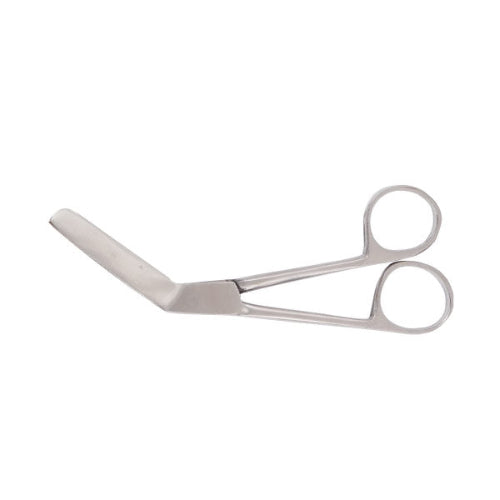
Dressing Surgical Scissor Straight

Type: Medansh

Dressing Surgical Scissor Straight

Regular price Rs. 275
Sale price Rs. 275 Regular price Rs. 368
babcock_forcep

Type: Instruments

Babcock Forcep Surgical Instrument

Regular price From Rs. 579
Sale price From Rs. 579 Regular price Rs. 782
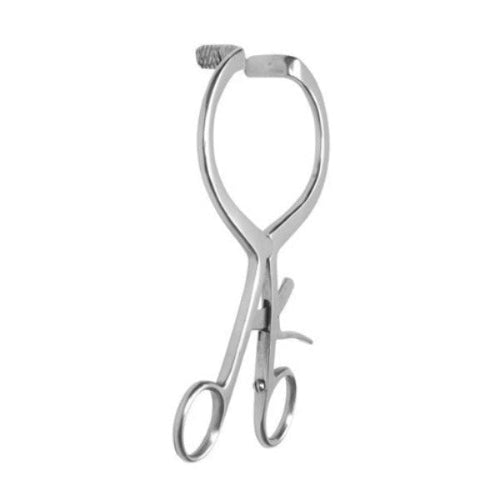
vaginal-retractor-meddeygo

Type: Instruments

Vaginal Wall Retractor Surgical Instrument

Regular price Rs. 460
Sale price Rs. 460 Regular price Rs. 644
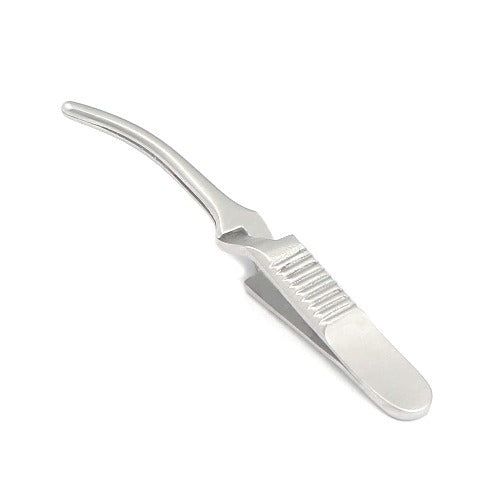
Punctum Dialator Surgical Punctum Dialator (Pack of 2)

Type: Instruments

Punctum Dialator Surgical Punctum Dialator (Pack of 2)

Regular price Rs. 469
Sale price Rs. 469 Regular price Rs. 644
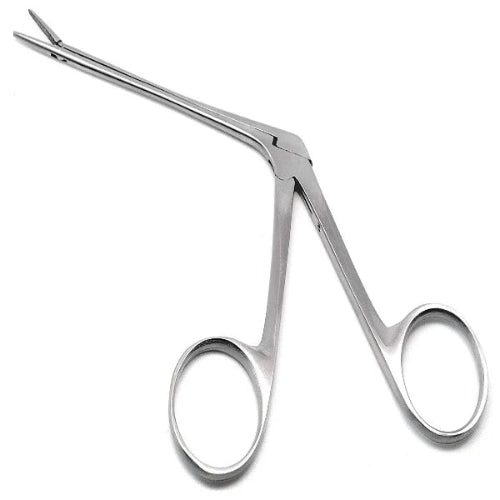
crocodile forcep meddeygo

Type: MeddeyGo

Crocodile Ear Forceps Surgical Instrument

Regular price Rs. 1,012
Sale price Rs. 1,012 Regular price Rs. 1,380
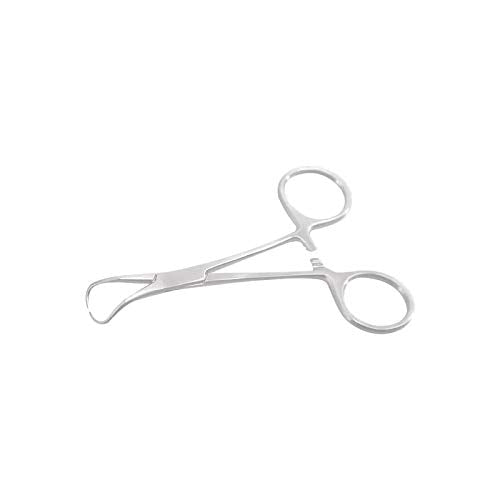
Towel Clamp Forceps 5 inch Surgical Instrument

Type: General Instruments

Towel Clamp Forceps 5 inch Surgical Instrument

Regular price Rs. 543
Sale price Rs. 543 Regular price Rs. 827
Intestinal clamp Surgical Instrument

Type: Instruments

Intestinal clamp Surgical Instrument

Regular price Rs. 1,070
Sale price Rs. 1,070
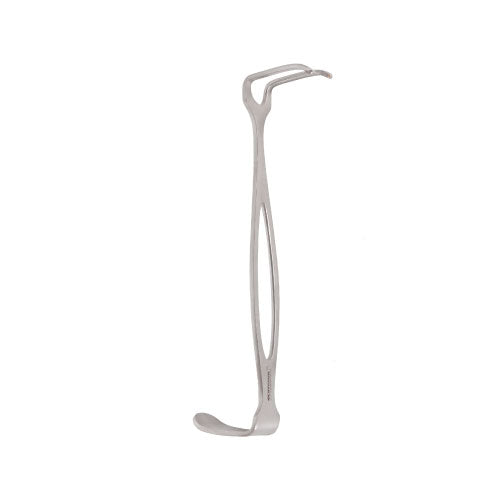
Deaver Retractor Surgical Instrument 2.5 Inch

Type: Instrument

Deaver Retractor Surgical Instrument 2.5 Inch

Regular price Rs. 643
Sale price Rs. 643 Regular price Rs. 736
bull dog clamp instrument

Type: General Instruments

Premium Bulldog Clamp Surgical Instrument

Regular price From Rs. 873
Sale price From Rs. 873 Regular price Rs. 1,104
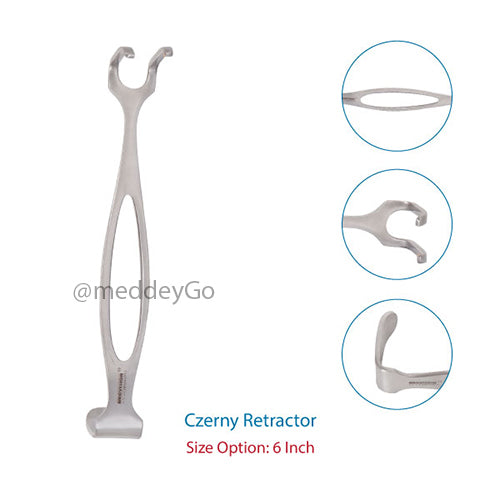
Czerny Retractor Surgical Instrument

Type: MeddeyGo

Czerny Retractor Surgical Instrument

Regular price Rs. 413
Sale price Rs. 413 Regular price Rs. 827
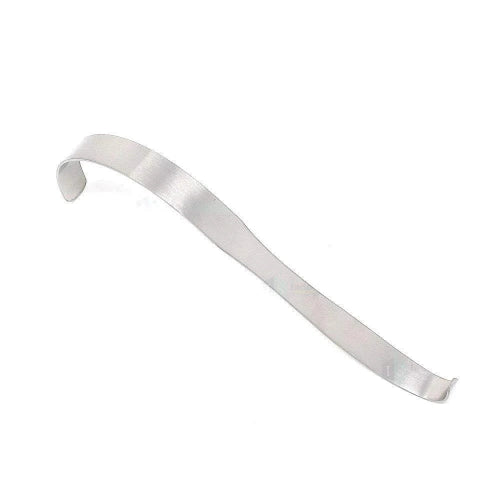
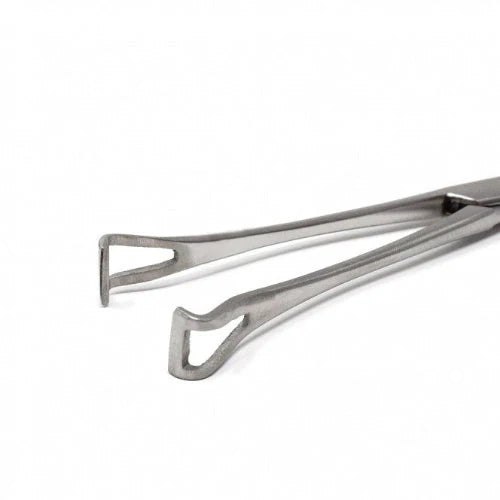
Tenaculum Forceps 10 Inch Surgical Instrument

Type: General Instruments

Tenaculum Forceps 10 Inch Surgical Instrument

Regular price Rs. 717
Sale price Rs. 717 Regular price Rs. 1,104
Mobile Examination Surgical Light

Type: Operating Room

Mobile Examination Surgical Light 76 LEDs 125K Lux HEX M4

Regular price Rs. 29,499
Sale price Rs. 29,499 Regular price Rs. 40,000
IUCD Hook Surgical Instrument (Pack of 2)

Type: Gyne Instruments

IUCD Hook Surgical Instrument (Pack of 2)

Regular price Rs. 331
Sale price Rs. 331 Regular price Rs. 736
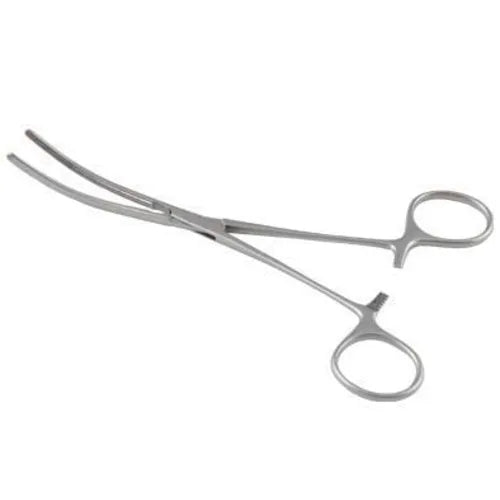
mouth-gag-adult-child-meddeygo

Type: Instruments

Doyen Mouth Gag Surgical Instrument

Regular price From Rs. 1,149
Sale price From Rs. 1,149 Regular price Rs. 1,656

Collection: Surgical Instruments & General Surgery Kits

Quick Facts:

  1. Core Material: High-grade 400-series Stainless Steel.
  2. Sterilization Standard: Class B Autoclaving is mandatory.
  3. Primary Categories: Cutting, Grasping, Clamping, and Retracting.
  4. 2026 Trend: Tungsten Carbide (TC) inserts for 5x longer edge life.
  5. Safety Protocol: "Time-out" checks for instrument counts post-closure.

1. The Foundation of the Operating Room

General surgery is a discipline of absolute precision. The success of any invasive procedure relies heavily on the quality of the surgical instruments utilized. In 2026, the transition toward minimally invasive techniques and high-durability alloys has redefined the standard for modern medical equipment.

This guide serves as a definitive general surgery instruments list, providing healthcare professionals with the technical insights required to manage a high-performance Operation Theater (OT).

2. Cutting & Dissecting: The Scalpel and Beyond

The surgical journey begins with access. Cutting instruments are designed to penetrate various tissue densities—from tough epidermal layers to delicate internal membranes—with minimal trauma.

The Scalpel (B.P. Handle)

The scalpel remains the primary tool for initial incisions. While disposable scalpels are common, most 2026 surgical setups prioritize high-grade reusable B.P. Handles paired with precision-engineered surgical blades.

  • No. 10 Blade: Used for large incisions in skin and muscle.
  • No. 11 Blade: Triangular blade for "stab" incisions and vascular procedures.
  • No. 15 Blade: Small, curved edge for precise, short incisions.

Surgical Scissors

Surgical scissors are classified by their tip (blunt/sharp) and blade curvature. Mayo scissors are essential for cutting sutures and heavy fascia, whereas Metzenbaum scissors allow for deep, delicate tissue dissection without damaging surrounding structures.

3. Grasping and Holding: Secure Tissue Manipulation

Manipulation of tissues requires instruments that provide a non-slip grip while preventing mechanical injury. Forceps and needle holders are the core components of this category in any general surgery instruments set.

Instrument Name Clinical Function 2026 Quality Standard
Tissue Forceps Grasping skin edges during closure. Serrated tips for trauma-free grip.
Needle Holder Driving needles through tissue. Gold-handle Tungsten Carbide (TC) inserts.
Allis Clamps Holding slippery or heavy tissues. Self-locking ratchet mechanism.

4. Hemostasis: Managing the Surgical Field

Maintaining a bloodless field is critical for visualization. Hemostats and arterial forceps are used to clamp blood vessels. In modern OTs, these are often supplemented by Electrosurgical Cautery machines to seal vessels permanently.

Equipping Your OT for 2026?

Browse India's most trusted range of hospital-grade surgical instruments and OT equipment.

5. Retractors: Achieving Maximum Visibility

In the world of general surgery, visibility is synonymous with safety. Retractors are the unsung heroes of the operating theater, designed to hold back skin, fat, and muscle layers so the surgeon can focus on the target organ. Without high-quality retractors, even a minor procedure can become dangerous due to poor site exposure.

Handheld vs. Self-Retaining Systems

Retractors are classified into two main categories based on their mechanical design:

  • Handheld Retractors: These require an assistant to maintain tension. Examples include the Richardson Retractor (for deep abdominal walls) and the Senn Retractor (for small skin incisions).
  • Self-Retaining Retractors: These feature a locking ratchet mechanism that keeps the incision open without human intervention. The Weitlaner and Gelpi retractors are staples in 2026 surgical kits, allowing the primary surgeon to work with both hands free.

6. Trocars: The Gateway to Laparoscopy

Modern surgery has shifted toward minimally invasive procedures. The Trocar is a specialized instrument used to puncture the abdominal wall, acting as a portal for the laparoscope and other long-shafted tools.

In 2026, trocars have advanced to include "Optical Tips," allowing surgeons to see the tissue layers as they pass through them, significantly reducing the risk of accidental organ puncture. For any facility performing laparoscopic surgery, choosing the right trocar diameter (5mm, 10mm, or 12mm) is essential for instrument compatibility.

7. Suction Devices: Clearing the Field

During surgery, blood, irrigation saline, and smoke from electrosurgical cautery can obscure the surgeon's view. Suction devices are vital for fluid management and maintaining a clean "surgical field."

Suction Tip Name Best Use Case Clinical Advantage
Yankauer Suction Oral and superficial suction. Bulbous tipprevents tissue damage.
Poole Suction Deep abdominal cavities. Multiple holes prevent clogging by fat/organs.
Frazier Suction Fine orthopedic or neurosurgery. Angled design for precision in small spaces.

8. Professional Classification: Organizing the OT Table

Efficient surgical workflow depends on how instruments are organized. Hospitals typically classify their medical equipments based on their functional role. This ensures that the surgical nurse can provide the right tool at the right second.

Cutting / Dissecting

Scalpels, Scissors, Curettes, and Bone Cutters.

Clamping / Occluding

Hemostats, Vascular Clamps, and Intestinal Clamps.

Grasping / Holding

Forceps, Allis Clamps, and Needle Holders.

Retracting / Exposing

Handheld Retractors and Self-Retaining Frames.

9. Why Instrument Integrity is Non-Negotiable

In 2026, the cost of surgical complications is higher than ever. Using substandard surgical instruments can lead to:

  • Tissue Trauma: Dull scissors or poorly serrated forceps can crush delicate membranes.
  • Infection Risks: Low-grade steel may develop micro-pitting, where bacteria can survive the sterilization process.
  • Surgical Delay: A needle holder that "slips" during wound closure can add 20% more time to a procedure.

When you buy medical supplies online from MeddeyGo, you are investing in instruments manufactured from surgical-grade stainless steel that exceeds international ISO standards, ensuring long-term reliability in high-volume hospitals.


Need a Customized OT Instrument Set?

From **Minor Surgery Kits to Advanced Laparoscopy Sets, MeddeyGo specialists help you select the right tools for your specific clinical needs.

Speak to a MeddeyGo Expert Today

10. Surgical Clamps: Precision Occlusion and Stability

While hemostats are used for small vessels, surgical clamps are engineered for larger structures like the intestines, major arteries, and bronchus. In 2026, the design of these clamps has shifted toward "Atraumatic Serrations," which allow for a firm grip without crushing the delicate internal lining (intima) of vessels or the mucosal layer of organs.

Specialized Clamps You Must Know

  • Satinsky Clamps: Specifically designed for partial occlusion of the Vena Cava. Its unique side-curved shape allows blood to flow through the rest of the vessel while the surgeon works on a specific segment.
  • Doyen Intestinal Clamps: These feature long, thin, longitudinal serrations. They are used to temporarily close the bowel during an anastomosis to prevent spillage without causing tissue necrosis.
  • Bulldog Clamps: Small, cross-action clamps used primarily in vascular surgery to stop flow in small arteries. These are essential for any 2026 cardiac or vascular surgical instruments set.

11. Material Engineering: Why 400-Series Steel Matters

The quality of a surgical instrument is determined at the molecular level. Most high-end instruments are forged from **Martensitic Stainless Steel (400 Series)**. This specific alloy provides the perfect balance between hardness (to maintain a sharp edge) and corrosion resistance.

In 2026, the industry standard for "Premium" tools involves **Tungsten Carbide (TC) inserts**. You can identify these by their **gold-plated handles**. TC is much harder than stainless steel, meaning a needle holder with TC jaws will not wear down even after thousands of uses, and **TC scissors** stay sharp up to 5 times longer than standard steel versions.

12. Sterilization Science: Protecting the Patient

The most expensive medical equipment is useless if it causes a Surgical Site Infection (SSI). Proper maintenance of surgical instruments follows a strict "Decontamination-to-Sterilization" cycle.

The 4-Step Maintenance Protocol

  1. Pre-Cleaning: Instruments should be rinsed with enzymatic cleaner immediately after use to prevent bio-burden (dried blood) from hardening.
  2. Ultrasonic Cleaning: This uses sound waves to create microscopic bubbles that "blast" debris out of the hinges and ratchets of forceps and clamps.
  3. Lubrication: Often called "Surgical Milk," this water-soluble lubricant keeps the joints moving smoothly and prevents "stiffening" during autoclaving.
  4. Autoclaving: Exposure to saturated steam at 134°C for at least 3.5 minutes (Class B) ensures total microbial destruction.

13. Advanced FAQ: Expert Insights for 2026

Q: How do I identify a "Toothed" vs. "Non-Toothed" forceps in a surgical kit?

Toothed forceps (like the **Rat-Tooth**) have interlocking teeth at the tip to grip tough skin. Non-toothed forceps have smooth or serrated tips for handling delicate organs or vessels without puncturing them.

Q: Why are some instruments "Titanium" instead of "Stainless Steel"?

Titanium is 40% lighter and non-magnetic. It is used in 2026 for **Micro-surgery** and procedures performed near MRI machines, though it is significantly more expensive than standard steel.

Q: What is the lifespan of a high-quality surgical instrument?

With proper sterilization and "surgical milk" lubrication, a forged stainless steel instrument from MeddeyGo can last 10 to 15 years in a high-volume hospital setting.

14. Procurement Strategy: Setting Up a Modern OT

When you buy medical supplies online, procurement managers should focus on "Value per Use" rather than the initial price. A cheaper, low-grade instrument will rust after 20 autoclave cycles, whereas a professional-grade tool will serve your facility for a decade.

Facility Type Recommended Set Key Features to Look For
Small Clinic / Day Care Minor Surgery Kit (15-20 pcs) Basic 400-series steel, matte finish.
Multispecialty Hospital Laparotomy / Major Sets TC Inserts, specialized vascular clamps.
Diagnostic Center Biopsy / Access Kits Single-use or high-precision trocars.

15. Conclusion: Precision in Every Stitch

From the initial incision made by a scalpel to the final placement of a suture using a needle holder, the quality of your surgical instruments defines the safety of your patient and the success of your procedure.

At MeddeyGo, we are committed to providing the Indian healthcare sector with authentic, high-precision instruments that meet the rigorous demands of 2026 surgical standards. Whether you are restocking a massive hospital network or opening a new clinic, our curated general surgery instruments list ensures you have the right tool for every clinical challenge.

Partner with MeddeyGo for Surgical Excellence

Trust India's leading distributor for surgical medical supplies. We provide authorized warranties, competitive hospital equipment prices, and pan-India logistics support.