
Filter
10 products


Type: Anesthesia
VentiFlex Tracheostomy Mask with Tubing


Type: Nonwovens
VentiFlex High Concentration NRB Mask with Bag (Pack of 10)


Type: Anesthesia
Anesthesia Antistatic Face Mask Set of 3 Pieces (Size 2,3,4)


Type: Masks
3 Ply Surgical Pollution Mask with Nose Pin

Type: Anesthesia
Venturi Mask with Single Diluter
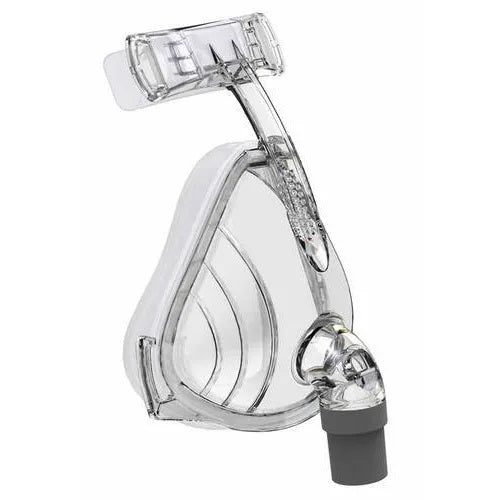
Type: Respiratory
Vented CPAP BIPAP Mask

Type: Anesthesia
Anesthesia Antistatic Face Mask (Set of 3)
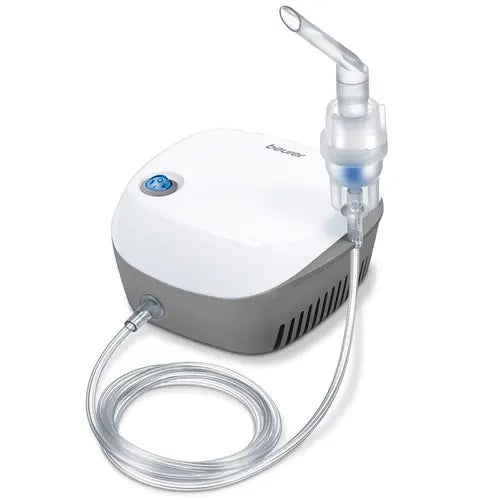
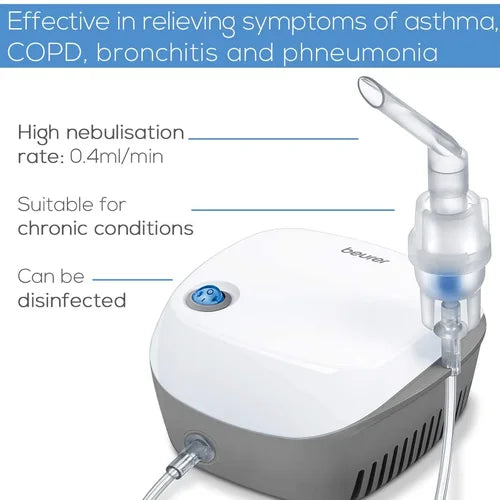
Type: Home Healthcare
Beurer Nebulizer with 2 Masks Made in Germany

Type: Respiratory
Oxygen Mask Premium Quality - Pack of 6

Type: Anesthesia
Oxygen Mask Premium Quality (Pack of 25)
Collection:
Surgical Mask Guide: Uses, N95 Comparison, Price & Safety
Introduction: Surgical Masks in Healthcare and Everyday Protection
A surgical mask is a disposable medical face covering designed primarily to help block splashes, droplets and respiratory secretions from reaching the wearer's nose and mouth, while also reducing the spread of respiratory droplets from the wearer to others. Surgical masks are widely used in hospitals, clinics, dental practices, laboratories and procedure areas.
Users may search for disposable mask, medical mask, surgical face mask, mask for doctors, corona mask, branded face mask, masks online or the best surgical mask in India. These terms often overlap, but the exact level of protection depends on the product standard, fit, layers and intended use.
A surgical mask is not the same as an N95 respirator. Surgical masks are loose-fitting and do not form the tight facial seal required for reliable respiratory protection from airborne infectious particles. For healthcare workers exposed to suspected or confirmed tuberculosis, CDC guidance recommends at least a NIOSH-approved N95 respirator or higher-level respiratory protection rather than a surgical mask.
This Meddeygo.com guide explains surgical-mask construction, three-layer materials, proper fit, uses, disposable-mask safety, surgical mask versus N95, TB protection, price, buying factors, mask quality and frequently asked questions.
Hospitals & Clinics
Used as source control and fluid-barrier face protection in many patient-care situations.
Doctors & Dental Teams
Commonly worn during examinations and procedures where droplets or splashes may occur.
Public & Home Use
Disposable medical masks may be used for respiratory hygiene when appropriate.
What Is a Surgical Mask?
A surgical mask is a medical face mask designed to cover the nose and mouth. It is usually made from multiple layers of nonwoven material and is secured using ear loops or ties. A flexible nose strip helps improve fit around the bridge of the nose.
Medical masks are generally designed as disposable products. Their main functions include reducing outward respiratory droplet spread and providing a physical barrier against larger droplets, splashes and sprays. The exact fluid-resistance and filtration performance depends on the product standard.
Simple Definition
A surgical mask is a disposable medical face covering used for droplet source control and barrier protection against splashes and larger respiratory droplets.
Surgical Mask Structure and Materials
| Layer / Part | Typical Material or Design | Purpose |
|---|---|---|
| Outer Layer | Water-resistant nonwoven fabric | Helps repel splashes and larger droplets. |
| Middle Layer | Meltblown filter material | Provides the main particle-filtering layer. |
| Inner Layer | Soft moisture-absorbing nonwoven | Improves comfort and handles moisture from breathing. |
| Nose Pin | Flexible metal or polymer strip | Shapes mask around the nose bridge. |
| Ear Loops / Ties | Elastic loops or fabric ties | Secure the mask to the face. |
What Is a Surgical Mask Used For?
- Reducing spread of respiratory droplets from the wearer
- Providing barrier protection against splashes and sprays
- Routine patient-care tasks according to infection-control precautions
- Medical and dental procedures where a surgical mask is appropriate
- Respiratory hygiene for symptomatic patients in selected settings
- Source control during some infectious-disease situations
- General disposable face covering where a medical mask is required
Droplet Barrier
Helps block larger droplets and splashes.
Source Control
Reduces outward spread of respiratory secretions from the wearer.
Disposable Design
Single-use construction reduces the need for laundering.
Comfortable Fit
Soft inner layers and flexible nose strip support routine wear.
Three-Ply Surgical Mask
A three-ply mask typically uses an outer fluid-resistant layer, a central meltblown filtration layer and a soft inner layer. The phrase 'three-ply' describes layer count, but it does not by itself prove a specific level of bacterial filtration, fluid resistance or respiratory protection.
For professional healthcare procurement, review the applicable standard and manufacturer performance data rather than buying only because the listing says three layers.
Surgical Mask vs Disposable Mask
All surgical masks are disposable medical masks, but not every disposable face mask is a surgical mask. A basic non-medical disposable mask may resemble a medical mask but may not be tested to the same healthcare standards.
Hospitals should verify product classification, test reports and intended use. For casual community use, the required standard may differ from a product used during surgery or procedures with fluid exposure.
Surgical Mask vs N95
| Point | Surgical Mask | N95 Respirator |
|---|---|---|
| Fit | Loose fitting | Designed to seal closely to the face |
| Primary Role | Droplet source control and splash barrier | Respiratory protection against airborne particles when properly fitted |
| Fit Testing | Not usually fit-tested | Healthcare occupational use generally requires fit testing |
| Air Leakage | Air can pass around edges | Designed to minimise edge leakage |
| TB Protection for Healthcare Worker | Not adequate as respiratory protection | N95 or higher-level respirator recommended |
| Fluid Resistance | Medical surgical masks may provide fluid resistance | Surgical N95 models may combine respiratory and fluid protection |
Is a Surgical Mask Enough for TB?
No. A standard surgical mask is not considered sufficient respiratory protection for healthcare personnel caring for patients with suspected or confirmed tuberculosis. TB can spread through airborne particles, and CDC guidance specifies at least a NIOSH-approved N95 filtering facepiece respirator for occupational exposure.
A patient with infectious TB may be asked to wear a surgical or procedure mask for source control when being transported or around others, but staff protection requires a respirator appropriate to the risk.
TB Protection Warning
A surgical mask is not a substitute for a fit-tested N95 or higher-level respirator when respiratory protection from airborne TB is required.
Surgical Mask for Doctors
A mask for doctors should be selected according to the clinical task. For routine droplet precautions or procedures involving splash risk, an appropriate medical surgical mask may be used. For airborne precautions such as TB, a suitable respirator is required.
Healthcare facilities should follow infection-prevention policies and use the correct PPE combination, which may also include eye protection, gowns and gloves depending on exposure.
How to Wear a Surgical Mask Correctly
- Clean hands before touching the mask.
- Inspect the mask for tears, contamination or damage.
- Identify the top edge with the flexible nose strip.
- Place the mask over nose, mouth and chin.
- Secure ear loops or ties without leaving large side gaps.
- Mould the nose strip gently around the bridge.
- Avoid touching the front surface during use.
- Replace the mask when wet, visibly soiled or damaged.
- Remove using ear loops or ties without touching the front.
- Discard in the appropriate waste stream and clean hands again.
Which Side of a Surgical Mask Faces Out?
Many three-ply surgical masks use a coloured outer layer and a lighter inner layer, but colour is not a universal rule. The side designed to face outward should be identified from the manufacturer's instructions, packaging or physical features such as the nose strip and pleat direction.
For professional use, do not rely only on colour because manufacturers can use different materials and colours.
When Should a Surgical Mask Be Replaced?
Disposable surgical masks should generally be replaced when they become wet, heavily soiled, damaged, difficult to breathe through or after the use period defined by infection-control policy. A single-use mask should not be washed and reused as if it were a washable cloth mask.
In healthcare settings, replacement may also be required between patients or procedures depending on standard, transmission-based precautions and facility policy.
Surgical Mask Safety
- Do not use a damaged mask.
- Ensure the mask covers both nose and mouth.
- Avoid wearing it below the nose or under the chin during exposure.
- Do not touch the front unnecessarily.
- Do not share a used disposable mask.
- Do not wash a single-use surgical mask.
- Use an N95 or higher respirator when airborne respiratory protection is required.
- Supervise children if masks are used and follow age-appropriate guidance.
- Seek medical advice if wearing a mask causes significant breathing difficulty related to a health condition.
Surgical Mask Standards and Quality
Surgical masks may be tested for bacterial filtration efficiency, differential pressure or breathability, splash resistance and particulate filtration depending on the standard. Common international frameworks include ASTM classifications and EN 14683 in Europe.
A buyer searching for the 'best surgical mask in India' should therefore focus on documented performance and regulatory status instead of appearance, colour or number of layers alone.
Which Surgical Mask Is Best in India?
There is no single surgical mask that is best for every task. For healthcare use, select a medical mask that meets the performance level required for the procedure. Fluid-resistant products are particularly important when splash exposure is expected.
- Clear manufacturer and product identification
- Documented applicable medical-mask standard
- Adequate bacterial filtration performance
- Good breathability
- Fluid resistance where clinically required
- Secure nose clip and ear loops or ties
- Comfortable non-irritating inner layer
- Intact hygienic packaging
- Batch and expiry information where applicable
Surgical Mask Manufacturer: What Buyers Should Check
When comparing a surgical mask manufacturer, institutional buyers should review regulatory documentation, quality-system information, test results, packaging and batch traceability. Reliable supply and complaint handling are also important for hospitals and clinics.
A very low-cost mask may not provide good value if loops break, nose clips fail or filtration claims are unsupported.
Corona Mask: Is a Surgical Mask Useful?
The phrase corona mask became common during COVID-19. Surgical masks can reduce respiratory droplet spread and provide some wearer protection, but respirators provide higher filtration and a closer fit when properly worn.
Current infection-control recommendations depend on setting, individual risk and local public-health guidance. For healthcare procedures with airborne risk, respirator selection should follow professional policy.
Mask for Women and Face Fit
Searches such as mask online for women often reflect concern about fit. Surgical masks are usually not specifically male or female; face size and shape matter more. A mask should cover the nose, mouth and chin without excessive side gaps.
People with smaller faces may need a smaller medical mask or different ear-loop design. Tying knots in loops can improve fit in some community settings, but healthcare staff should use approved fitting practices.
Surgical Mask Price
Mask price depends on medical classification, filtration and fluid-resistance level, packaging, brand, manufacturing scale and pack quantity. Individually wrapped masks may cost more than bulk hospital cartons.
| Price Factor | Why It Matters |
|---|---|
| Medical Standard | Tested performance can affect manufacturing cost. |
| Fluid Resistance | Higher splash protection may increase price. |
| Packaging | Individual wrapping adds material and handling. |
| Ear Loop / Tie Design | Construction and strength vary. |
| Brand / Manufacturer | Quality systems and traceability influence value. |
| Pack Quantity | Bulk procurement changes per-piece cost. |
How to Buy Masks Online
- Confirm whether the product is medical/surgical or non-medical.
- Review the stated standard and performance level.
- Check layer construction and meltblown filter information.
- Check fluid-resistance requirement for professional use.
- Review nose clip, ear loops and dimensions.
- Check pack quantity and per-mask cost.
- Confirm manufacturer, batch and expiry information where applicable.
- For TB or airborne hazards, buy an appropriate respirator instead of relying on a surgical mask.
Common Surgical Mask Mistakes
| Mistake | Problem | Better Practice |
|---|---|---|
| Wearing below nose | Reduces intended coverage | Cover nose, mouth and chin. |
| Touching front repeatedly | Hands may become contaminated | Handle mainly by loops or ties. |
| Using for TB exposure | Insufficient respiratory protection | Use fit-tested N95 or higher respirator. |
| Reusing a wet mask | Reduced comfort and hygiene | Replace when wet or soiled. |
| Buying only by ply count | May not reflect tested performance | Check medical standard and test data. |
| Loose side gaps | Lower practical barrier performance | Choose a better-fitting size/design. |
Buying Surgical Masks Online from Meddeygo.com
Meddeygo.com offers medical consumables, PPE and healthcare products for clinics, hospitals and individual buyers. Compare surgical masks by performance standard, fluid resistance, layer structure, fit and pack quantity.
For occupational respiratory hazards such as tuberculosis, select the respirator required by the applicable infection-control programme rather than substituting a surgical mask.
Surgical Mask Fit and Facial Hair
Surgical masks do not depend on a tight seal in the same way as N95 respirators, but large side gaps still reduce practical barrier performance. The nose strip should be moulded and the mask should sit comfortably over the chin. Facial hair can increase gaps, especially around the sides.
For N95 respirators, facial hair that crosses the sealing surface can prevent an adequate seal. Healthcare workers who require respiratory protection should follow their occupational fit-testing programme rather than trying to compensate with a surgical mask over a poorly fitting respirator.
Storage of Surgical Masks
Store unopened masks in a clean, dry area away from splash contamination, excessive humidity and crushing. Ear loops and nose strips can deform when cartons are tightly compressed. Healthcare facilities should rotate stock by expiry date and maintain batch traceability.
Once a mask is removed from clean packaging, avoid placing it on contaminated surfaces. Single-use masks should be discarded according to the setting's waste policy.
Surgical Masks for Clinics and Dental Practices
Dental and outpatient clinics should choose masks according to splash and droplet exposure. Procedures that generate aerosols may require higher respiratory protection based on the pathogen and local infection-control policy. Eye protection is also important where splashes are likely.
High-volume clinics should consider ear-loop strength, breathability and consistent supply because poor comfort can lead to frequent mask adjustment, which increases hand-to-face contact.
How to Compare Mask Packs Online
Compare the number of masks per box, individual wrapping, standard, fluid-resistance level and manufacturer rather than only the total box price. A pack of 100 lower-specification masks cannot be compared directly with a smaller pack of a higher medical classification.
For institutional buying, request documentation that supports performance claims. Terms such as 'premium', '5-layer' or 'anti-virus' are marketing descriptions unless they are backed by an applicable standard.
Surgical Mask Breathability
When considering surgical mask for comfort during extended wear, the first step is to match the product to the actual use rather than relying only on a popular keyword or appearance. Check the manufacturer's specification, intended user, fit or size information, and any safety limitations that apply. A product that works well in one situation may be unsuitable in another because body size, duration of use, clinical condition and user technique can change the result. For home use, keep the instructions available and review the product periodically for wear, damage or reduced performance. For professional purchasing, documentation, batch traceability and consistent supply are also important.
Ear Loop vs Tie-On Masks
A practical way to evaluate different securement styles is to separate comfort features from functional requirements. Comfort can improve adherence, but it should not replace correct sizing, material quality or appropriate clinical selection. Compare dimensions and performance details in measurable terms wherever possible. If the product is being used because of persistent pain, fever, swelling, incontinence, respiratory risk or another ongoing health problem, the underlying condition may need assessment even when the product provides short-term convenience. The goal is to use surgical mask as part of sensible care rather than as a substitute for diagnosis or professional advice.
Fluid-Resistant Surgical Masks
Buyers often compare procedure splash protection mainly by price, but total value also includes durability, ease of use, replacement needs and the consequences of poor fit or poor performance. A slightly higher purchase price can be reasonable when it provides better material quality, clearer instructions or more reliable use. At the same time, expensive branding alone does not prove that a product is superior. Read the exact specification and choose the simplest option that safely meets the intended requirement. When several people will use the product, consider hygiene, cleaning and whether separate user-specific items are needed.
Surgical Masks for Dental Clinics
When considering surgical mask for droplet and splash workflow, the first step is to match the product to the actual use rather than relying only on a popular keyword or appearance. Check the manufacturer's specification, intended user, fit or size information, and any safety limitations that apply. A product that works well in one situation may be unsuitable in another because body size, duration of use, clinical condition and user technique can change the result. For home use, keep the instructions available and review the product periodically for wear, damage or reduced performance. For professional purchasing, documentation, batch traceability and consistent supply are also important.
Surgical Masks for OPD Use
A practical way to evaluate high-volume routine patient contact is to separate comfort features from functional requirements. Comfort can improve adherence, but it should not replace correct sizing, material quality or appropriate clinical selection. Compare dimensions and performance details in measurable terms wherever possible. If the product is being used because of persistent pain, fever, swelling, incontinence, respiratory risk or another ongoing health problem, the underlying condition may need assessment even when the product provides short-term convenience. The goal is to use surgical mask as part of sensible care rather than as a substitute for diagnosis or professional advice.
Mask Storage in Hospitals
Buyers often compare clean dry inventory management mainly by price, but total value also includes durability, ease of use, replacement needs and the consequences of poor fit or poor performance. A slightly higher purchase price can be reasonable when it provides better material quality, clearer instructions or more reliable use. At the same time, expensive branding alone does not prove that a product is superior. Read the exact specification and choose the simplest option that safely meets the intended requirement. When several people will use the product, consider hygiene, cleaning and whether separate user-specific items are needed.
Mask Fit for Small Faces
When considering surgical mask for reducing side gaps, the first step is to match the product to the actual use rather than relying only on a popular keyword or appearance. Check the manufacturer's specification, intended user, fit or size information, and any safety limitations that apply. A product that works well in one situation may be unsuitable in another because body size, duration of use, clinical condition and user technique can change the result. For home use, keep the instructions available and review the product periodically for wear, damage or reduced performance. For professional purchasing, documentation, batch traceability and consistent supply are also important.
Medical Mask Documentation
A practical way to evaluate reviewing standards and test claims is to separate comfort features from functional requirements. Comfort can improve adherence, but it should not replace correct sizing, material quality or appropriate clinical selection. Compare dimensions and performance details in measurable terms wherever possible. If the product is being used because of persistent pain, fever, swelling, incontinence, respiratory risk or another ongoing health problem, the underlying condition may need assessment even when the product provides short-term convenience. The goal is to use surgical mask as part of sensible care rather than as a substitute for diagnosis or professional advice.
Surgical Mask Pack Sizes
Buyers often compare per-piece cost and clinical inventory mainly by price, but total value also includes durability, ease of use, replacement needs and the consequences of poor fit or poor performance. A slightly higher purchase price can be reasonable when it provides better material quality, clearer instructions or more reliable use. At the same time, expensive branding alone does not prove that a product is superior. Read the exact specification and choose the simplest option that safely meets the intended requirement. When several people will use the product, consider hygiene, cleaning and whether separate user-specific items are needed.
Masks for Patients with Respiratory Symptoms
When considering surgical mask for source control and respiratory hygiene, the first step is to match the product to the actual use rather than relying only on a popular keyword or appearance. Check the manufacturer's specification, intended user, fit or size information, and any safety limitations that apply. A product that works well in one situation may be unsuitable in another because body size, duration of use, clinical condition and user technique can change the result. For home use, keep the instructions available and review the product periodically for wear, damage or reduced performance. For professional purchasing, documentation, batch traceability and consistent supply are also important.
Surgical Mask Waste
A practical way to evaluate single-use disposal practices is to separate comfort features from functional requirements. Comfort can improve adherence, but it should not replace correct sizing, material quality or appropriate clinical selection. Compare dimensions and performance details in measurable terms wherever possible. If the product is being used because of persistent pain, fever, swelling, incontinence, respiratory risk or another ongoing health problem, the underlying condition may need assessment even when the product provides short-term convenience. The goal is to use surgical mask as part of sensible care rather than as a substitute for diagnosis or professional advice.
When a Respirator Is Needed
Buyers often compare recognising airborne-hazard situations mainly by price, but total value also includes durability, ease of use, replacement needs and the consequences of poor fit or poor performance. A slightly higher purchase price can be reasonable when it provides better material quality, clearer instructions or more reliable use. At the same time, expensive branding alone does not prove that a product is superior. Read the exact specification and choose the simplest option that safely meets the intended requirement. When several people will use the product, consider hygiene, cleaning and whether separate user-specific items are needed.
Counterfeit or Poor-Quality Masks
When considering surgical mask for checking manufacturer and traceability, the first step is to match the product to the actual use rather than relying only on a popular keyword or appearance. Check the manufacturer's specification, intended user, fit or size information, and any safety limitations that apply. A product that works well in one situation may be unsuitable in another because body size, duration of use, clinical condition and user technique can change the result. For home use, keep the instructions available and review the product periodically for wear, damage or reduced performance. For professional purchasing, documentation, batch traceability and consistent supply are also important.
Hover Quick Guide
Neeche highlighted terms par cursor le jao:
Surgical MaskDisposable medical mask jo droplets aur splashes ke against barrier provide karta hai. Meltblown LayerMiddle filtration layer jo particles ko trap karne mein important hoti hai. N95 RespiratorClose-fitting respirator jo airborne particles se respiratory protection ke liye designed hai. TB ProtectionHealthcare TB exposure mein surgical mask ke bajay N95 ya higher respirator required hota hai.
Frequently Asked Questions
What is a surgical mask used for?
It is used for droplet source control and barrier protection against larger droplets, splashes and sprays.
What is a surgical mask vs N95?
A surgical mask is loose-fitting; an N95 is a close-fitting respirator designed for airborne particle filtration.
Which surgical mask is best in India?
Choose a medical mask with documented applicable standard, good fit, breathability and fluid resistance appropriate to the task.
Is a surgical mask enough for TB?
No. Healthcare workers exposed to suspected or confirmed TB need at least an N95 or higher-level respirator.
What is a three-ply mask?
It usually contains outer, filter and inner layers, but ply count alone does not prove performance.
Can surgical masks be reused?
Most are single-use and should not be washed or routinely reused.
When should I replace a surgical mask?
Replace when wet, soiled, damaged or according to infection-control policy.
Which side faces outside?
Follow manufacturer instructions; outer colour is common but not universal.
Can doctors use surgical masks?
Yes, for tasks where a medical mask is appropriate. Airborne hazards may require a respirator.
What is a medical mask?
A medical mask is a face mask intended for healthcare use and manufactured to relevant performance requirements.
What is a disposable mask?
It is a mask designed for single-use rather than washing and repeated wear.
Can a surgical mask protect from COVID-19?
It provides droplet source control and some wearer protection; respirators generally provide higher filtration and fit.
Does a surgical mask filter bacteria?
Medical masks may be tested for bacterial filtration efficiency under applicable standards.
Can I wash a surgical mask?
No, washing can damage the filter structure of disposable masks.
What affects surgical mask price?
Standard, filtration, fluid resistance, packaging, brand and quantity affect price.
Can women use the same surgical masks?
Yes. Fit depends on face size and shape rather than gender label.
Are branded face masks better?
Brand alone does not prove performance; verify the applicable standard and test claims.
Can surgical masks protect against smoke?
They are not designed as respiratory protection against fine smoke particles.
Why does my mask fog glasses?
Air may be escaping around the nose; mould the nose strip and improve fit.
Where can I buy surgical masks online?
Medical masks can be compared at Meddeygo.com by standard, pack size and intended use.
Conclusion
A surgical mask is primarily a disposable medical barrier for droplets, splashes and source control. Product quality should be judged by applicable standards and fit, not layer count alone.
A surgical mask is not a substitute for an N95 respirator when airborne respiratory protection is required, including occupational exposure to tuberculosis.
Explore surgical masks, respirators and medical PPE online at Meddeygo.com according to the protection level required for the intended setting.