
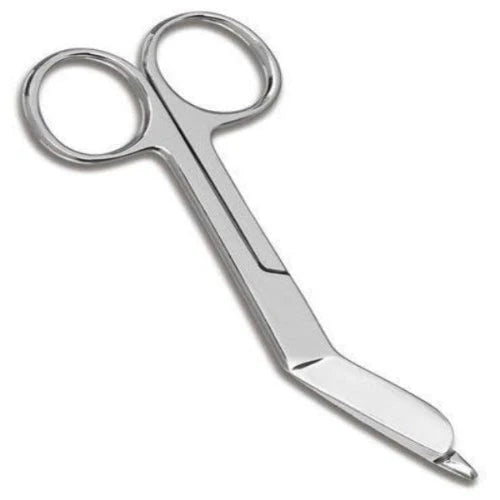
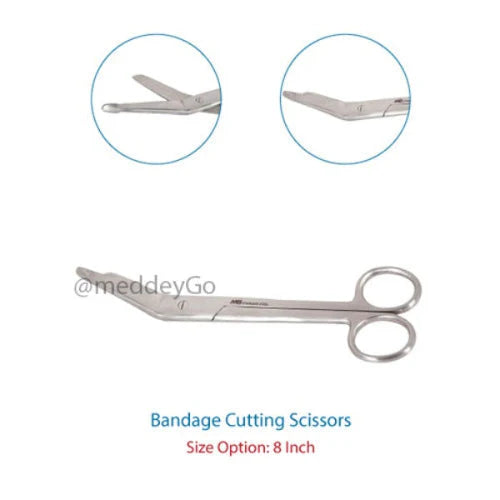
Type: Instruments
Bandage and Plaster Cutting Scissor 7.5 Inch

Type: Instruments
Knapp Iris Scissor Straight SS
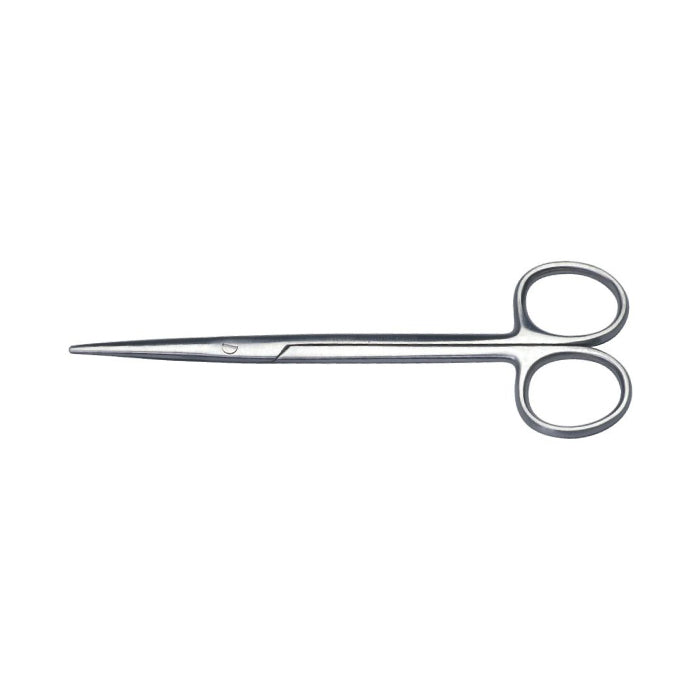
Type: General Instruments
Metzenbaum Scissor Surgical Instrument
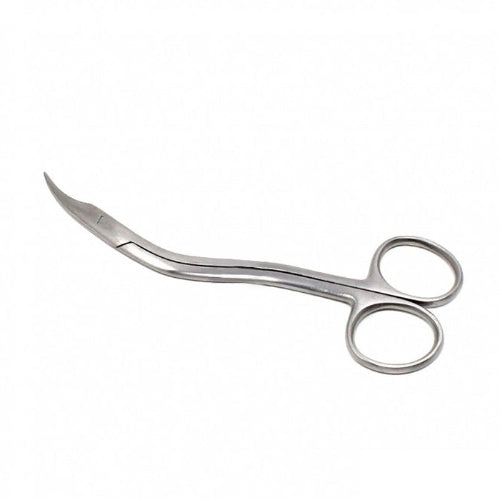
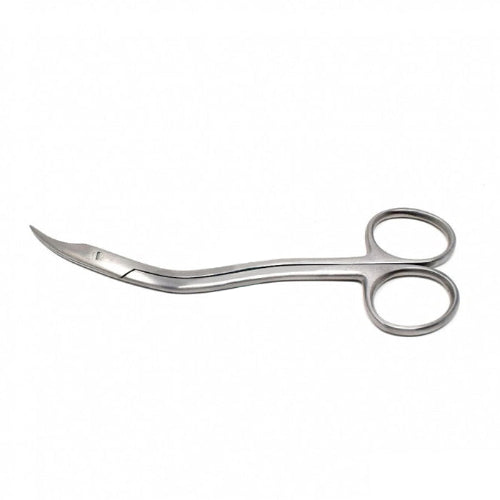
Type: General Instruments
Suture Cutting Scissors SS Delux Quality
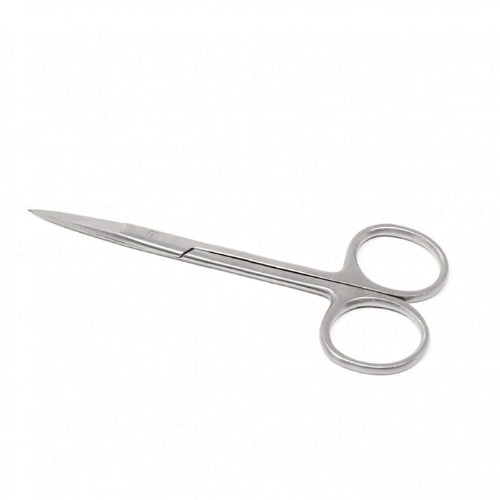
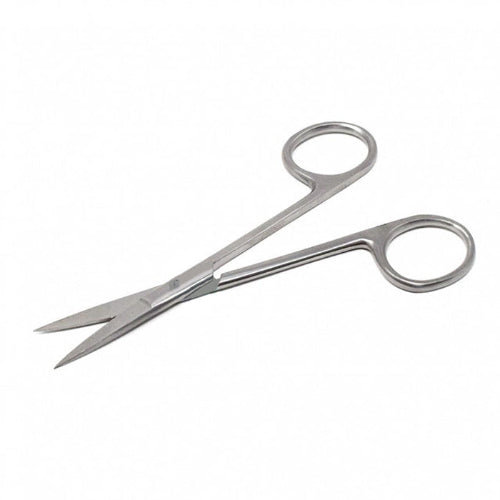
Type: Instrument
Cuticle Scissors (Straight)


Type: General Instruments
Suture Cutting Scissor Stainless Steel 6 Inch
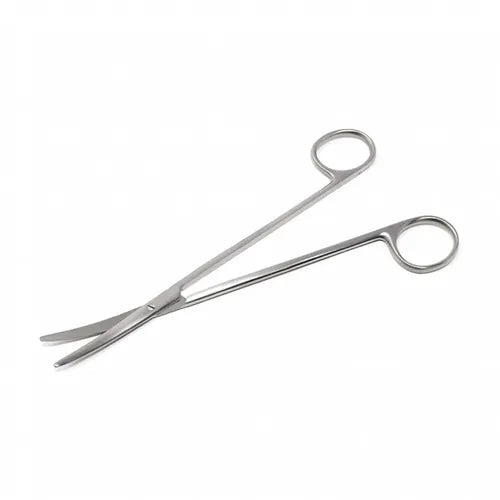
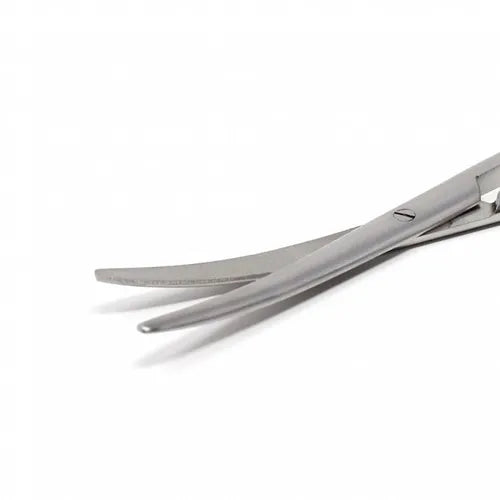
Type: Instruments
Tonsil Scissors (Curved)

Type: MeddeyGo
Mayo Scissor Surgical Instrument


Type: Medansh
Dressing Surgical Scissor Straight


Type: Dental Instruments
Dressing Scissor Sharp Blunt Curved


Type: General Instruments
Tonsil Scissors (Straight)


Type: Surgical Scissors
Tube Milking Forceps
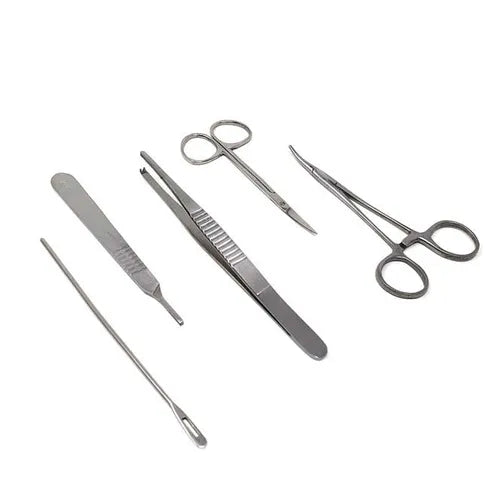
Type: Instrument
Debridement Instrument kit
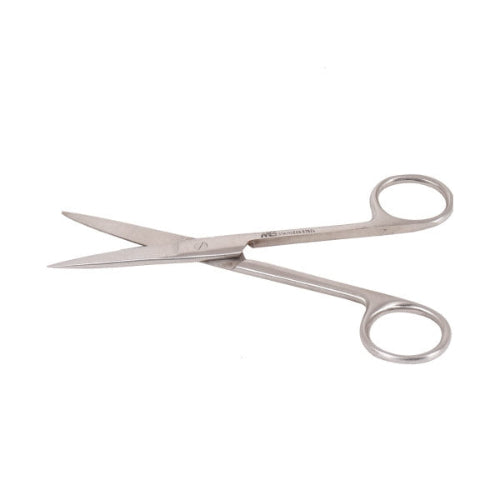
Type: Instruments
Dressing Scissor Sharp 4 Inch
Collection:
Surgical Scissors & Instruments
In medical dramas, a surgeon calls for "scalpel!" and the operation begins. But what about the other twenty surgical instruments on the tray? The real story often starts after that first cut, with a silent team of highly specialized tools taking center stage, each one critical for a successful outcome.
Think of that instrument tray as the ultimate toolbox. You wouldn't use a sledgehammer to hang a picture frame, and in practice, a surgeon doesn't use one type of forceps for every task. Every tool is designed with a singular job in mind, from gently holding tissue to carefully navigating around vital organs. This principle of specialization is what makes modern surgery both safe and effective.
The baffling variety of common operating room tools stems from this principle. Have you ever wondered why some surgical scissors are curved, while others are straight? Or what those scissor-like clamps that don't cut are actually for? The unique shape of each instrument is a deliberate, life-saving solution to a very specific problem a surgeon faces deep inside the human body.
This guide decodes that toolbox for you. By exploring the simple logic behind why each tool is shaped the way it is, you'll be able to follow the action far beyond the first incision. The world of surgery is complex, but understanding its tools is much simpler than you think.
Summary
Modern surgical instruments are purpose-built, with form following function to cut, grasp, clamp, retract, and suture safely beyond the first scalpel incision. Scissors vary by shape and tip design—straight vs. curved, sharp vs. blunt—with Mayo for tough tissues and Metzenbaum for delicate dissection. Forceps range from toothed (Adson) for firm skin grip to atraumatic (DeBakey) for fragile structures, while ratcheted hemostats (Kelly, Crile, Mosquito) clamp vessels to control bleeding. Retractors create exposure and needle holders drive sutures; materials (surgical steel, titanium, tungsten carbide inserts) balance durability, precision, and fatigue. Rigorous cleaning and autoclaving ensure sterility so these specialized tools perform reliably.
What Is a Scalpel Really For? The First and Cleanest Cut
When a TV surgeon calls for a "scalpel," they're asking for the first and most precise tool in their kit. But a scalpel isn't a single object. It's actually a two-part system, much like an artist's craft knife: a reusable metal handle (often called a BP handle) and a single-use, sterile blade that snaps onto it. This combination ensures the handle can be perfectly weighted for the surgeon's hand while the blade is always new and flawlessly sharp.
Surgeons don't just ask for "a blade"; they request a specific one by number. You may have heard of the famous "10 blade"---this is the classic, large curved blade used for making long, straight incisions in the skin. Other numbers correspond to different shapes and sizes, each designed for a particular job, from tiny, pointed blades for delicate work to specialized shapes for unique angles. This numbering system lets the surgeon choose the exact tool for the task at hand.
The incredible sharpness of a scalpel blade isn't just about cutting easily. Its main purpose is to create the cleanest incision possible, parting tissue with minimal damage to surrounding cells. Think of slicing a tomato with a sharp versus a dull knife; one cuts cleanly, while the other crushes. A cleaner incision heals faster and with less scarring. This precision makes the scalpel the ideal tool for the first step, but for more complex cutting inside the body, surgeons often turn to another familiar instrument: scissors.
Straight vs. Curved: Why Do Surgical Scissors Have Different Shapes?
Once a scalpel has made the initial incision, a surgeon often needs a tool for more varied cutting. While scissors seem straightforward, their shape is a critical design choice. Straight surgical scissors are the most intuitive type, acting much like the scissors in your junk drawer. They are perfect for direct, surface-level tasks where the surgeon has a clear line of sight, such as snipping a suture (stitch) or trimming a piece of medical mesh. Their simplicity makes them ideal for straightforward jobs.
The real genius in surgical design, however, becomes clear with curved surgical scissors. Imagine trying to cut something at the bottom of a narrow jar---a straight tool would force your hand to block your own view. The curve in operating room scissors solves this exact problem. It allows a surgeon to gently reach around an organ or other delicate structure, cutting tissue on the far side while keeping their hand up and out of the way. This design dramatically improves visibility and precision in tight or deep spaces.
The choice between the two main surgical scissors types comes down to one thing: access. Is the target in a clear, open path, or is it tucked away behind an obstacle? Selecting the right shape is a fundamental step in ensuring a safe, accurate procedure. The blade's curve is only half the story; the design of the very tips provides another essential layer of control.
Blunt vs. Sharp Tips: A Surgeon's Built-In Safety Feature
Beyond the blade's curve, the design of the scissor tips provides another crucial layer of surgical control. Sharp-tipped scissors do exactly what you'd expect: their pointed ends can pierce tissue to start a cut, much like using an awl to start a hole in leather. These are used when a surgeon needs to cut through tough, fibrous layers with precision.
The real innovation, however, lies with blunt-tipped scissors . Imagine trying to separate two delicate pages of an old book stuck together. You wouldn't use a knife; you'd gently slide your finger or a butter knife between them to spread them apart. This is the principle behind a technique called blunt dissection. A surgeon can insert the closed, rounded tips of the scissors and then gently open them, pushing tissues apart along their natural planes without cutting. This is an incredibly safe way to navigate around delicate nerves and blood vessels.
The decision between sharp and blunt tips is a critical safety decision based on whether the job requires aggressive cutting or gentle separation. Understanding these variations in surgical cutting tools shows how every design element is a deliberate choice, helping surgeons perform their work safely and effectively.
Mayo Scissors: The Heavy-Duty Cutters of the Operating Room
Now that we've seen how tips and curves can change a scissor's job, let's talk about sheer power. Just as a mechanic has different wrenches for different bolts, a surgeon needs scissors with varying levels of strength. When the task involves cutting through dense, tough material, they reach for the workhorse of the operating room: Mayo scissors. Think of these as the heavy-duty utility shears in a surgeon's toolkit, built for durability and force.
Visibly sturdier than other types, Mayo scissors feature a robust frame and shorter blades relative to their handles. This design provides excellent leverage, allowing them to cleanly slice through thick tissues like muscle and fascia (the body's tough, fibrous connective tissue). Their job isn't about delicate navigation; it's about applying controlled strength exactly where it's needed. Both straight and curved versions exist, but their shared purpose is powerful cutting.
Of course, using these powerful scissors on fragile lung tissue or a delicate blood vessel would be like using garden shears to snip a single thread. This "power versus finesse" distinction is critical in surgery. While Mayo scissors tackle the heavy lifting, surgeons need an entirely different instrument for fine, intricate work, which brings us to their more delicate counterpart.

Metzenbaum Scissors: The Artists of Delicate Dissection
If Mayo scissors are the sturdy utility shears of surgery, then Metzenbaum scissors are the fine-tipped embroidery scissors. When a surgeon's goal shifts from cutting through tough structures to navigating fragile ones, they exchange power for precision. Metzenbaums, often affectionately called "Metz," are the go-to instrument for finesse, designed to work on delicate tissues like the stomach, intestines, or bladder without causing unintended damage.
Look closely at a pair and you'll immediately notice their signature design: long, slender handles paired with very short, fine blades. This isn't for show; it's a brilliant solution for performing deep dissection---the careful separation of tissues deep inside the body. The extended handles allow the surgeon's hands to remain well outside the surgical area, preventing them from blocking their own view. At the same time, the small tips ensure that every movement is minimal and exact, making them perfect for navigating around vital organs and blood vessels.
This specialization means Metzenbaums are strictly reserved for their delicate purpose. Using them to cut a tough piece of fascia or, even worse, a suture (stitch material) would be like trying to cut a zip tie with craft scissors. It would quickly dull and misalign the fine blades, ruining them for the intricate work they were built to do. This strict division of labor is key, but of course, cutting is only half the battle. What happens when a surgeon needs to hold tissue securely without cutting it at all?
What Are Forceps and Why Are They Not Just Tweezers?
The answer to holding tissue securely lies in a family of tools called forceps. At first glance, they look like highly engineered tweezers or small pliers, and in principle, that's exactly what they are. Their fundamental job is to grasp, hold, and manipulate things within the body. Whether a surgeon needs to delicately lift a piece of tissue, hold a blood vessel out of the way, or pass a surgical needle, forceps are the instruments they use. The goal isn't just to hold on tight---it's to do so with the perfect amount of pressure, preventing any damage to the surrounding structures.
This is where the comparison to your bathroom tweezers ends. While a simple pair of tweezers is designed for a single task like removing a splinter, surgical forceps are incredibly specialized. Holding a tough muscle requires a completely different instrument than gently grasping a delicate nerve. Because of this, a basic surgical instruments set list will never have just one type of forceps; it will have a whole collection. This variety is crucial for a surgeon to adapt to the different textures and strengths of tissues throughout the human body.
The incredible variety and purpose-built design are why forceps are not "just tweezers." Knowing what are forceps used for in a specific context is the key to understanding them. The instrument's length, shape, and tension are all carefully considered, but the most important specialization is often found at the very end of the tool. The design of the tips---whether they are smooth, serrated, or even toothed---is the secret to how they interact so precisely with tissue.
The Secret in the Tips: Toothed vs. Smooth Forceps
The real genius of forceps design is found at the very tip. To understand why, imagine trying to pick up a tough, slippery piece of fabric with two smooth spoons---it would be frustrating. Now, imagine using two forks. This is the exact principle behind toothed forceps . These instruments, such as Adson forceps, have tiny, interlocking teeth that provide a secure, non-slip grip. They are one of the most common operating room tools because they are perfect for holding strong, durable tissues like skin while a surgeon is stitching a wound closed.
Of course, using a toothed instrument on a delicate blood vessel or nerve would be a disaster. For fragile structures, surgeons turn to atraumatic forceps , which literally means they are designed to not cause injury. Instead of teeth, their tips have very fine, parallel ridges. A classic example is the DeBakey forceps, which can gently hold an artery without puncturing or crushing it. The goal here is a secure hold with minimal pressure, much like carefully picking up a single, cooked spaghetti noodle.
For these tools, surgical instrument identification often starts by looking at the tips. The decision between toothed or smooth is a fundamental choice a surgeon makes based on the tissue's strength, constantly balancing the need for a firm grip against the risk of causing damage. This simple difference helps clarify what are forceps used for with much greater precision: they don't just grab things, they grab them in exactly the right way for the job.

What's a Hemostat? The Tool That Safely Stops Bleeding
One of the most critical tasks during any surgery is controlling bleeding. While forceps grab and scissors cut, surgeons need a tool that can safely pinch a blood vessel closed. This is the job of the hemostat . The name itself provides a perfect clue to its purpose: hemo (for blood) and stasis (to halt or stop). Understanding hemostats and their function is simple: they are specialized locking clamps designed to gently squeeze a vessel or tissue, holding it securely.
What makes a hemostat so brilliant is its built-in locking system. If you look near the finger rings, you'll see a series of interlocking teeth called a ratchet lock. As a surgeon closes the handles, these teeth click together, holding the jaws tightly shut without requiring constant hand pressure. This simple but crucial part of the hemostatic forceps frees the surgeon's hands to continue the operation. It works much like a zip-tie, providing a secure hold that can be precisely applied and later released.
Because of this vital clamping role, hemostats are a cornerstone of every basic surgical instruments set list. It's easy to mistake their scissor-like shape, but their blunt jaws are designed for gripping, not cutting---a clear distinction from the various medical scissors uses. They are a type of forceps, but one dedicated to the specific task of stopping flow. Of course, the tiny clamp needed for a delicate procedure is very different from a sturdier one, which is why surgeons have a whole family of these instruments ready.

Not All Clamps Are Equal: Meet the Kelly, Crile, and Mosquito
Just as a mechanic needs different-sized wrenches for different bolts, a surgeon needs a variety of hemostats for different-sized blood vessels. While they all share the same locking design, their size and jaw shape are tailored for specific tasks. This variation is a perfect example of how to identify surgical instruments based on subtle but critical design differences. The core principle of hemostats and their function remains the same---to clamp---but the tool must fit the job perfectly.
For most situations involving medium-to-large vessels, surgeons rely on two workhorses: the Kelly and Crile hemostats. They look very similar and are the all-purpose clamps of the surgical world. The main distinction lies in the parts of a hemostatic forceps---specifically, the serrations inside their jaws. Crile hemostats have serrations running the full length of the jaw for a complete grip, while Kelly hemostats have serrations that only go halfway. This seemingly minor detail allows for different types of grip on different tissues.
Then there's the opposite end of the spectrum. When working on the most fragile structures, like the tiny vessels in a child's body or in delicate facial surgery, a surgeon reaches for a Mosquito hemostat. As its name suggests, this instrument is much smaller and finer than a Kelly or Crile. Just as a surgeon needs surgical scissors small and delicate for fine cutting, they need an equally precise clamp for the smallest, most delicate vessels where a larger instrument would be clumsy and cause damage.
The choice between a Crile, Kelly, or Mosquito isn't random; it's a deliberate decision based on the size and strength of the tissue being handled. Stopping bleeding is only part of the story. Once a surgeon has a clear field, how do they hold tissue open to see, or guide a needle to close the wound? For that, they turn to a different set of unsung heroes: retractors and needle holders.
The Unsung Heroes: What Do Retractors and Needle Holders Do?
Once a surgeon has controlled bleeding, they face a new challenge: how to actually see the area they need to work on. After an incision is made, layers of tissue naturally fall back into place, obscuring the view. This is where a retractor comes in. Think of it as a dedicated assistant whose only job is to hold things open. These common operating room tools range from simple, hand-held hooks to more complex, self-locking frames that act as a "third hand," giving the surgeon a clear, stable view deep inside the body.
After the procedure is complete, the surgeon must carefully close everything back up. This process, called suturing , is essentially stitching tissues back together with a surgical needle and thread. But you can't push a tough, curved needle through tissue with your fingers, and regular forceps aren't strong enough. For this, surgeons use a needle holder. It looks a bit like a hemostat, but its jaws are short, sturdy, and often have a textured grip. It's built like a pair of specialized pliers, designed for one purpose: to grip a needle with incredible force and control.
To keep these two critical but different jobs clear, it helps to remember their core functions, which are essential parts of any basic surgical instruments set list:
- Retractors: Hold tissue OPEN to create a clear view.
- Needle Holders: Drive the needle to CLOSE the wound.
These supporting instruments may not get the same attention as scalpels, but surgery would be impossible without them. Visibility and closure are just as important as the cutting itself. The design of these tools is one part of the story; the other is the material they are made from, which can dramatically affect their performance and lifespan.
Why Material Matters: Stainless Steel vs. Titanium
The vast majority of surgical instruments, from forceps to the best surgical scissors, are crafted from surgical-grade stainless steel. This isn't the same metal as your kitchen fork; it's a specific alloy engineered to be incredibly durable, hold a razor-sharp edge, and withstand constant, high-temperature sterilization without a hint of rust. For most procedures, this tough, reliable, and cost-effective material is the undisputed standard, providing the strength and cleanliness modern medicine demands.
For procedures that require ultimate precision or last for many hours, surgeons may opt for titanium instruments. Titanium is a remarkable material that is as strong as steel but about 40% lighter. While a few grams might seem trivial, that weight difference significantly reduces a surgeon's hand fatigue over the course of a long operation, allowing for steadier hands and greater focus. As a bonus, titanium is completely non-magnetic, which means it can be safely used around powerful diagnostic machines like MRIs.
So why isn't every tool made of titanium? The choice between stainless steel vs. titanium instruments involves a practical trade-off. The higher cost of titanium means it's typically reserved for situations where its unique benefits---reducing surgeon fatigue or ensuring MRI compatibility---are most critical. But sometimes, surgeons need the best of both worlds: the affordability of a steel instrument combined with an exceptionally hard and durable cutting edge. For that, manufacturers often add a little golden touch.
The Golden Touch: What Are Tungsten Carbide Inserts?
That "golden touch" mentioned earlier isn't just for decoration. If you ever spot a pair of surgical scissors or forceps with distinctive gold-plated finger rings, you're looking at a tool with a high-performance secret. The gold is a universal code in the operating room, instantly signaling to the surgical team that the instrument is enhanced with tungsten carbide (TC) inserts. This small detail points to a significant upgrade in strength and durability right where it matters most.
So, what is tungsten carbide? It's a remarkably hard, ceramic-like material---far harder than surgical steel itself. Think of the ultra-strong tip on a professional drill bit designed to bore through concrete. Instead of making an entire instrument from this expensive material, manufacturers cleverly bond a razor-thin layer, the "insert," directly onto the working surfaces. This hybrid approach gives surgeons the best of both worlds: the trusted, resilient body of a stainless steel instrument with the superior power of tungsten carbide on its cutting edge or gripping jaw.
The practical benefits are immense. Surgical scissors with tungsten carbide inserts can stay sharp up to five times longer than their standard steel counterparts, ensuring cleaner and more precise cuts. For a needle holder, those TC jaws provide a powerful, non-slip grip that prevents a suture needle from twisting or slipping during delicate stitching. But whether an instrument is simple steel or TC-enhanced, it must undergo a critical process to ensure it is perfectly safe for patient use.
How Are Surgical Tools Cleaned and Made Safe?
Ensuring an instrument is safe for surgery goes far beyond a simple wash. While every tool is first meticulously scrubbed by hand to remove all visible residue---a critical part of any guide to surgical instrument care---being "clean" isn't enough. For patient safety, an instrument must be completely sterile, meaning it is 100% free of all living microorganisms, including bacteria, viruses, and spores that can cause infection. This requires a much more powerful approach.
To achieve this absolute sterility, hospitals rely on a device called an autoclave. Think of it as a highly sophisticated pressure cooker. After being cleaned and packaged, instruments are sealed inside, and the machine fills with high-pressure steam, raising the temperature to levels far beyond boiling water (often up to 270°F or 132°C). This combination of intense heat and pervasive steam is lethal to any microbe, guaranteeing every surface, crack, and hinge on the tool is completely sterilized.
This aggressive process is precisely why the quality of surgical instruments is so vital. Cheaper metals would quickly rust, warp, or degrade under such repeated, extreme conditions. The tough, corrosion-resistant nature of "surgical-grade" steel is essential, allowing an instrument to survive hundreds of these high-pressure steam baths without fail. This hidden resilience is just as important to a surgeon as a sharp edge or a firm grip.
From the OR to Your TV Screen: Putting It All Together
What was once a blur of steel on a surgical tray now has a clear and elegant logic. Before, words like "forceps" and "clamp" were just sounds from a medical drama. Now, you can see past the names and recognize the purpose built into the very shape of each instrument, understanding the difference between tools that cut, grasp, or hold.
This new framework is your key to understanding surgical tools. Whether an instrument is straight or curved, long or short, sharp or blunt, you can now ask the most important question: what problem is this shape designed to solve? This simple shift from memorizing names to appreciating function is the foundation of your new knowledge.
The next time you watch a show or read about a medical procedure, listen for the names of common operating room tools. When a surgeon calls for "Mets" or a hemostat, you won't just hear jargon. You'll be able to picture the specific instrument and, more importantly, understand why it was chosen for that exact moment in the procedure.
The world of surgical scissors & instruments is no longer an intimidating mystery, but a showcase of quiet ingenuity. You now see these tools not as scary objects, but as a collection of clever, purpose-built solutions that make the delicate, life-saving work of modern surgery possible.
Q&A
Question: What exactly is a scalpel, and why do surgeons ask for blade numbers like “10”? Short answer: A scalpel is a two-part system—a reusable, weighted handle (BP handle) plus a single-use sterile blade that snaps on. Blade numbers refer to specific shapes and sizes for different tasks. For example, a 10 blade is the classic curved blade for long skin incisions. The ultra-sharp edge makes the cleanest first cut, minimizing tissue damage so wounds heal faster with less scarring; deeper, varied cutting is typically handled with scissors.
Question: How do straight vs. curved blades and sharp vs. blunt tips change how surgical scissors are used?
Short answer: Straight scissors excel at surface-level, direct cuts with a clear line of sight (e.g., snipping sutures or trimming mesh). Curved scissors improve access and visibility in tight or deep spaces, allowing the surgeon’s hand to stay out of the visual field while cutting around structures. Sharp-tipped scissors can pierce tougher, fibrous layers to start precise cuts. Blunt-tipped scissors enable blunt dissection: inserting closed, rounded tips and gently opening them to separate tissues along natural planes—safer around nerves and vessels.
Question: What’s the difference between Mayo and Metzenbaum scissors, and why can’t Metzenbaums cut sutures?
Short answer: Mayo scissors are heavy-duty cutters with a stout build and shorter blades for leverage—ideal for dense tissues like fascia and muscle. Metzenbaum (“Metz”) scissors trade power for finesse: long, slender handles with short, fine blades for delicate, deep dissection around fragile organs and vessels. Using Metzenbaums on tough tissue or sutures quickly dulls and misaligns their fine edges, ruining them for the precise work they’re designed to do.
Question: Why are some forceps toothed while others are smooth, and when would you pick Adson vs. DeBakey?
Short answer: Tip design controls grip vs. tissue safety. Toothed forceps (e.g., Adson) have interlocking teeth that securely grasp strong tissue like skin without slipping—great for wound closure. Atraumatic forceps (e.g., DeBakey) have fine, parallel ridges that gently hold fragile structures (like vessels and nerves) with minimal pressure, reducing the risk of puncture or crush injury. Surgeons choose based on tissue strength and the need to balance grip with gentleness.
Question: What is a hemostat, how does the ratchet work, and how do Kelly, Crile, and Mosquito differ?
Short answer: A hemostat is a locking clamp used to stop bleeding by gently compressing vessels. Its ratchet lock—interlocking teeth near the finger rings—clicks shut to hold the jaws closed without continuous hand pressure, freeing the surgeon’s hands. Crile hemostats have full-length jaw serrations for a complete grip; Kelly hemostats have serrations on only the distal half for a different bite. Mosquito hemostats are smaller and finer for clamping tiny, delicate vessels where larger clamps would be too traumatic.