


Type: Occupational
Platform Swing Deluxe Quality


Type: Occupational
Tube Swing Deluxe Quality for Therapy Use

Type: Occupational
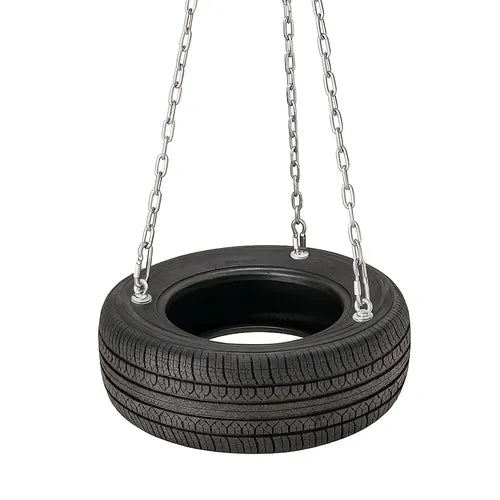
Tyre Swing Delux Quality


Type: Occupational
Platform Swing Deluxe Quality - 24 x 32 Inch
Type: Occupational
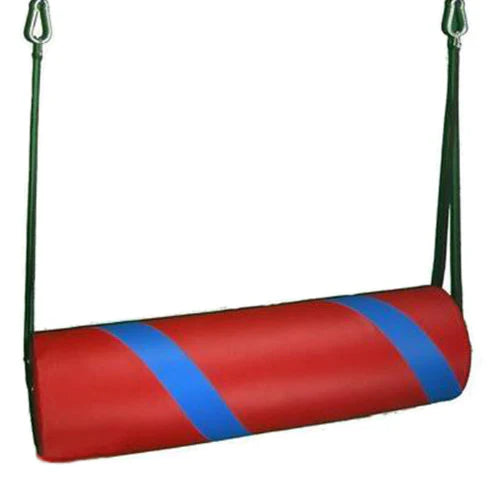
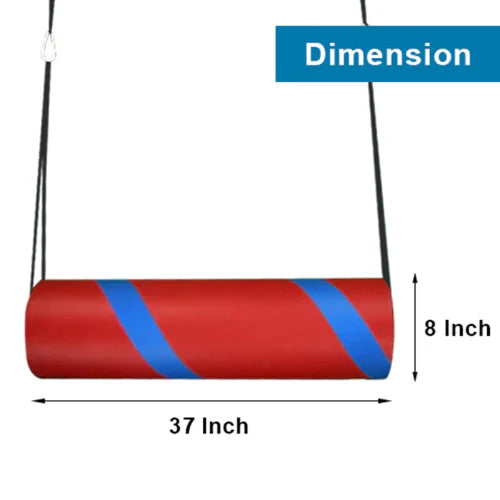
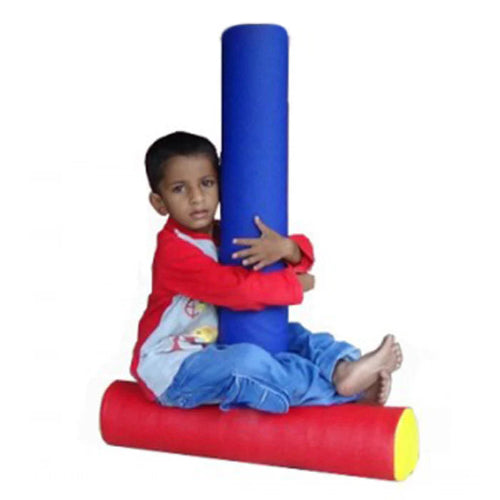
Bolster Swing with Rope and Hooks Delulx Quality


Type: Occupational
Nest Swing Deluxe Quality
Type: Occupational
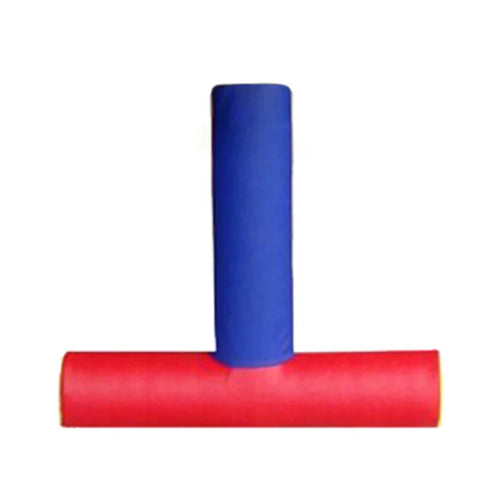
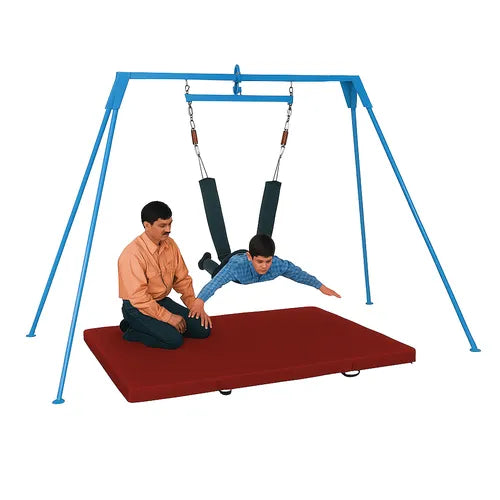
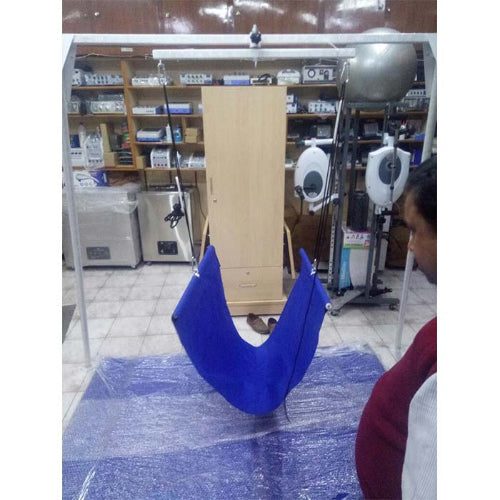
T Swing Delux Quality
Type: Occupational
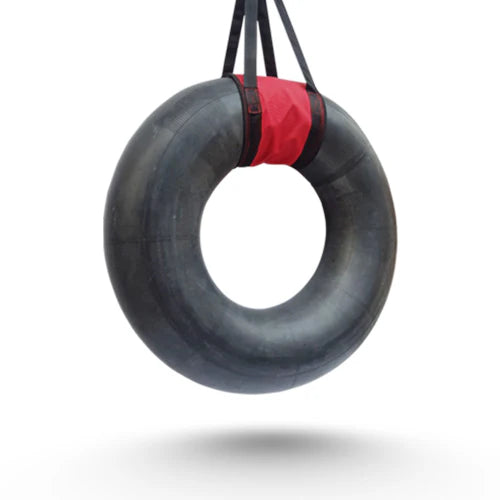
Vestibular Swing System

Type: Occupational
Tube Swing For Occupation Therapy


Type: Occupational Equipment
Bolster Swing Deluxe Quality


Type:
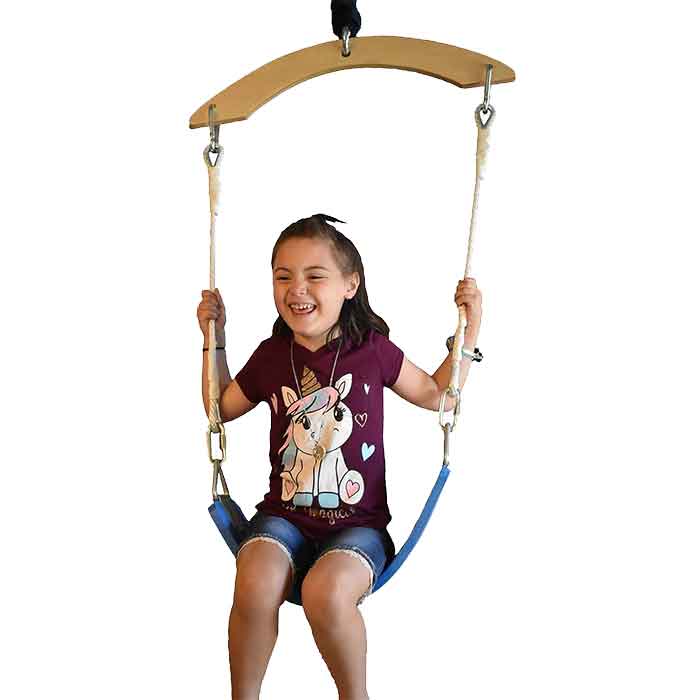
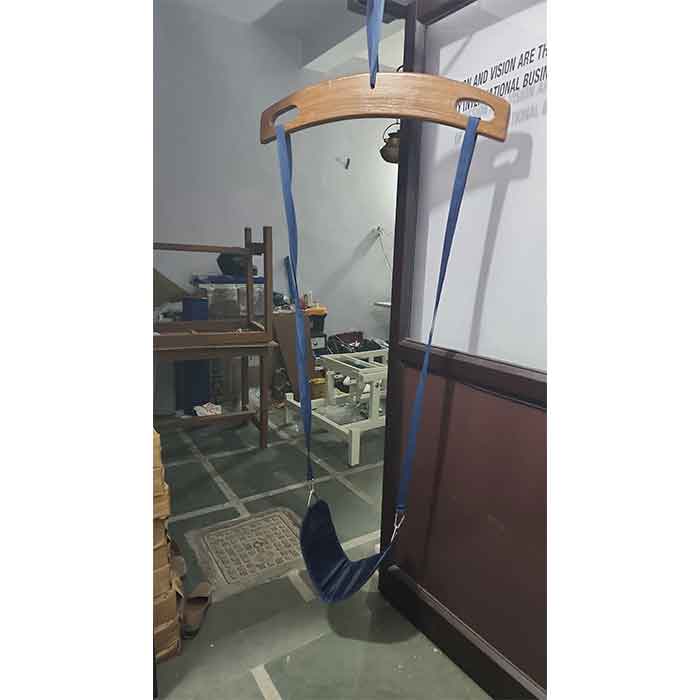
Bolster Swing Halfpipe | Bolster Horse Swing for Kids
Type: Occupational
Frog Swing Delux Quality


Type: Occupational
Large Round Nest Swing | Hanging Round Kids Swing


Type:
Halfpipe Bolster Swing Sensory Therapy Equipment

Type:
Adjustable Suspension Bolster Sensory Therapy Swing
Collection:
Benefits of OT Sensory Swing Therapy
In the realm of healthcare and therapeutic interventions, sensory integration therapy has emerged as a pivotal approach, particularly for individuals with sensory processing disorders. This therapeutic method has opened new pathways for helping individuals, especially children, to navigate their sensory environments more effectively. At the heart of this therapy lies the use of sensory swings, an integral tool in occupational therapy (OT) settings. Sensory swings are not just pieces of equipment; they are gateways to profound therapeutic outcomes. This article delves into the multifaceted benefits of OT sensory swing therapy, exploring its applications and the profound impact it has on patients, thereby shedding light on why it has become a cornerstone in sensory integration therapy.

OT sensory swing therapy, often referred to simply as "swing therapy," is a component of sensory integration techniques used by occupational therapists. It plays a unique role in addressing sensory processing disorders by engaging the vestibular system through various swinging motions. But what exactly is a therapy swing called? Often, these swings are termed "sensory integration swings" due to their primary function of helping individuals integrate sensory information more effectively. They are designed in various forms, each catering to specific therapeutic needs, such as cocoon swings, platform swings, and lycra swings.
What is OT Sensory?
Occupational therapy (OT) sensory therapy aims to help individuals who experience difficulties processing sensory information, a common challenge among those with sensory processing disorders. This therapeutic approach includes helping them respond more appropriately to sensory input such as sights, sounds, textures, and movements. It involves a comprehensive assessment of the individual's sensory profile to tailor interventions that can aid in enhancing sensory processing. The therapy not only focuses on alleviating sensory discomfort but also aims to build resilience and adaptability to sensory inputs.
How Does a Sensory Swing Work?
A sensory swing works by providing vestibular input, which is sensory information from the inner ear that helps with balance and spatial orientation. This vestibular stimulation is crucial for individuals with sensory processing issues as it aids in establishing a sense of equilibrium and spatial awareness. By swinging, patients receive rhythmic vestibular stimulation, which can help calm and organize the nervous system, making it a powerful tool for individuals who struggle with sensory processing. The repetitive motion of swinging can have a soothing effect, promoting relaxation and reducing anxiety, which is often beneficial for therapeutic progress.
Types of Sensory Swings
Various types of sensory swings are used in OT settings, each serving different therapeutic purposes. Cocoon swings provide a snug, enclosed space that can help individuals feel secure and reduce sensory overload. Platform swings, on the other hand, offer a broader base that can be used for standing or sitting exercises to improve balance and coordination. Lycra swings, with their stretchy fabric, allow for dynamic movement and provide deep pressure, which can be calming and grounding for users. Each type of swing offers unique benefits and can be selected based on the specific sensory needs of the patient.
The Core Benefits of Sensory Swing Therapy
Sensory swing therapy offers numerous benefits, particularly for children with autism spectrum disorder (ASD), attention-deficit/hyperactivity disorder (ADHD), and other sensory processing challenges. The therapy's versatility makes it applicable to a wide range of sensory issues, providing a dynamic approach to intervention.
Enhancing Sensory Integration

Sensory integration swings help in processing and integrating sensory information, which can be particularly beneficial for those with sensory processing disorders. This therapy encourages the brain to respond to sensory input more effectively, enhancing the individual's ability to interpret and react to their environment. By promoting better integration of sensory inputs, individuals can experience improvements in daily functioning and interactions. This enhanced integration can lead to better academic performance, social interactions, and overall quality of life.
Improving Focus and Attention
The rhythmic motion of a swing can significantly increase a child's ability to focus and pay attention. This is particularly useful for children with ADHD, as it can help reduce hyperactivity and improve concentration. The calming effect of the swinging motion can help regulate arousal levels, making it easier for children to engage in tasks that require sustained attention. Additionally, regular use of sensory swings in therapy can lead to long-term improvements in attention span and task completion, contributing to academic success and behavioral regulation.
Boosting Motor Skills
Swing therapy can improve both fine and gross motor skills, essential for daily living and recreational activities. The act of swinging requires coordination and balance, which strengthens motor planning and execution. As children engage with swings, they develop better body awareness and control, which can translate to improved performance in sports, play, and academic tasks. Moreover, the dynamic movements involved in swinging can enhance muscle tone and strength, providing a holistic boost to physical development.
Emotional Regulation and Relaxation
Swinging provides a soothing effect, which can help in emotional regulation, a critical aspect for individuals who experience frequent meltdowns or emotional outbursts. The gentle motion of a swing can stimulate the production of calming neurotransmitters, promoting relaxation and reducing stress levels. This therapeutic benefit is invaluable for children who struggle with emotional dysregulation, as it provides a safe and effective way to manage emotions. Over time, regular exposure to sensory swings can foster greater emotional resilience, enabling individuals to handle stress and emotional challenges more effectively.
Enhancing Social Skills
Sensory swing therapy can also play a role in enhancing social skills. Group therapy sessions involving swings can encourage interaction and cooperation among peers. As children share the experience of swinging, they learn to take turns, communicate, and empathize with each other. These interactions provide a foundation for building social connections and developing essential interpersonal skills, which are crucial for long-term success in social settings.
Key Aspects of Sensory Swing Therapy
What Are the 8 Sensory Types?
To fully appreciate the scope of sensory swing therapy, it's important to understand the eight sensory types involved in sensory processing. These sensory systems work together to create a comprehensive understanding of our environment:
- Visual: Sight, crucial for recognizing and interpreting visual stimuli in the environment.
- Auditory: Hearing, essential for communication and responding to auditory cues.
- Tactile: Touch, important for feeling textures and temperature, and for physical interaction.
- Olfactory: Smell, which plays a role in taste and environmental awareness.
- Gustatory: Taste, involved in eating and the enjoyment of food.
- Vestibular: Movement and balance, fundamental for coordination and spatial orientation.
- Proprioceptive: Body awareness, helping individuals understand body position and movement.
- Interoceptive: Internal body sensations, crucial for recognizing hunger, thirst, and other internal states.
Swing therapy primarily targets vestibular and proprioceptive senses, providing essential input that can help integrate these sensory experiences into daily activities, thereby enhancing overall sensory processing.
What is an OT Sensory Assessment?
An OT sensory assessment is a comprehensive evaluation performed by an occupational therapist to identify sensory processing issues. This assessment involves a series of tests and observations to determine how an individual processes sensory information. It examines responses to various sensory inputs, identifies strengths and challenges, and evaluates the impact of sensory processing on daily life. The insights gained from this assessment help in creating a personalized therapy plan that includes the use of sensory swings, tailored to the individual's specific sensory needs.
Examples of Sensory Issues
Common sensory issues that might benefit from swing therapy include:
- Over-sensitivity: Heightened reactions to sensory stimuli (e.g., loud noises, bright lights) that can lead to distress and avoidance behaviors.
- Under-sensitivity: Diminished responses to sensory input, often resulting in a need for more intense stimulation to engage with the environment.
- Difficulty with balance and coordination: Challenges with activities that require these skills, impacting daily tasks and physical activities.
Addressing these sensory issues through swing therapy can lead to significant improvements in how individuals interact with their environment, enhancing their overall quality of life.
Customizing Sensory Swing Therapy
Customization is key in sensory swing therapy to meet the unique needs of each individual. Therapists design specific swing activities that align with the sensory profile of the patient. For instance, a child with over-sensitivity might benefit from slow, gentle swinging, while a child with under-sensitivity might respond better to fast, dynamic movements. This tailored approach ensures that each session is effective and engaging, maximizing therapeutic outcomes.
Why Do OTs Use Swings?
Occupational therapists use swings as part of a broader sensory integration strategy to address sensory processing issues. The swings offer a controlled and safe environment for patients to experience and process vestibular input, aiding in sensory integration. Swings provide a unique opportunity for therapists to observe and adjust therapeutic interventions based on real-time responses, making them an invaluable tool in OT.
Use of Swings in Occupational Therapy
In an OT setting, swings are used to:
- Provide vestibular stimulation: Essential for balance and coordination, helping to improve motor skills and spatial awareness.
- Enhance sensory processing: By offering controlled sensory input, swings help individuals process and integrate sensory information more effectively.
- Improve balance and coordination: Swing activities encourage the development of these critical skills, which are fundamental for daily activities and physical health.
- Facilitate emotional regulation: The calming effects of swings can help manage stress and anxiety, promoting emotional well-being.
Integrating Swings with Other Therapies
Swings are often integrated with other therapeutic activities to enhance their effectiveness. For example, therapists might incorporate music therapy, where rhythmic sounds complement the swinging motion, or art therapy, where creative tasks are performed while swinging. This multidisciplinary approach enriches the sensory experience, fostering comprehensive development and healing.
Safety and Supervision
Safety is paramount in sensory swing therapy. Therapists ensure that swings are securely installed and that the environment is free from hazards. Supervision is critical, especially for children, to ensure that swing activities are conducted safely and effectively. Proper safety measures and supervision allow patients to fully benefit from the therapeutic potential of swings without risk.
OT Sensory Swing Therapy Exercises
Therapists often integrate specific exercises with swing therapy to maximize its benefits. These exercises are designed to challenge and engage different sensory systems, promoting holistic development.
Swinging in Different Directions
Swinging in different directions---forward, backward, and side-to-side---stimulates various sensory responses. Each movement pattern targets different aspects of the vestibular system, enhancing balance and coordination. By varying the directions, therapists can tailor the sensory experience to meet individual needs, ensuring comprehensive sensory integration.
Reaching and Grabbing Tasks
Incorporating reaching and grabbing tasks into swing therapy can improve hand-eye coordination and fine motor skills. These tasks involve reaching for objects while swinging, which requires precise motor planning and execution. Such exercises not only enhance physical coordination but also promote cognitive development, as they involve problem-solving and spatial awareness.
Balance Challenges
Encouraging patients to maintain balance while swinging enhances proprioceptive and vestibular feedback. Balance challenges might include standing on a platform swing or performing tasks that require shifting weight and adjusting body position. These activities strengthen core muscles and improve postural control, contributing to better overall physical stability.
Incorporating Play into Therapy
Play is an integral part of sensory swing therapy, as it makes the experience enjoyable and engaging. Therapists often incorporate games and playful activities into swing sessions, fostering motivation and active participation. Play-based therapy not only enhances the therapeutic benefits of swings but also promotes a positive attitude towards therapy, encouraging long-term engagement and progress.
Conclusion
OT sensory swing therapy is a powerful tool in the arsenal of occupational therapists, playing a crucial role in the treatment of sensory processing disorders. By understanding the workings and benefits of sensory swings, healthcare providers can better integrate these tools into therapy regimens, ensuring that patients receive the most effective and comprehensive care possible. The versatility and effectiveness of swing therapy make it an indispensable part of modern therapeutic practices.
Whether you are a hospital administrator optimizing procurement strategies, a medical equipment distributor exploring market opportunities, or a healthcare technology consultant staying abreast of industry trends, recognizing the value of sensory swing therapy is essential. This knowledge not only enhances patient outcomes but also contributes to the evolving landscape of healthcare technology and therapy solutions. As awareness of sensory processing disorders continues to grow, the demand for innovative therapeutic interventions like sensory swing therapy is likely to increase, highlighting its importance in the future of healthcare.
Q&A
Question: What is OT sensory swing therapy, and how does it work?
Short answer: OT sensory swing therapy is a sensory integration technique that uses swinging motions to provide vestibular input—sensory information from the inner ear that supports balance and spatial orientation. Rhythmic, controlled movement can calm and organize the nervous system, improve spatial awareness, and reduce anxiety. In the broader eight-sense framework, swing therapy primarily targets the vestibular and proprioceptive systems to help individuals process and integrate sensory input more effectively.
Question: Who benefits most from sensory swing therapy, and what outcomes can they expect?
Short answer: Children with sensory processing challenges—especially those with autism spectrum disorder (ASD) and ADHD—often benefit, though the approach can help others with similar needs. Reported outcomes include improved sensory integration, better focus and attention, gains in fine and gross motor skills, enhanced emotional regulation and relaxation, and stronger social skills. These changes can translate into improvements in daily functioning, academic participation, and peer interactions.
Question: What are the main types of sensory swings, and how do they differ?
Short answer: Common options include cocoon swings, platform swings, and lycra swings. Cocoon swings offer an enclosed, snug space that can reduce sensory overload and promote a sense of security. Platform swings provide a broad, stable base for sitting or standing, supporting balance, coordination, and motor planning. Lycra swings use stretchy fabric to allow dynamic movement and provide deep pressure, which many users find calming and grounding. Therapists select the type based on the individual’s sensory profile and goals.
Question: How do occupational therapists customize swing therapy for each person?
Short answer: Customization starts with an OT sensory assessment that evaluates how a person processes different types of input and how this affects daily life. Based on findings, therapists tailor movement patterns (e.g., slow, gentle swinging for over-sensitivity; faster, more dynamic input for under-sensitivity), choose the swing type, and design tasks. Common activities include swinging in multiple directions, reaching and grabbing for objects to build coordination, balance challenges to strengthen core and postural control, and play-based games to keep sessions engaging and goal-directed.
Question: How do therapists ensure safety, and can swings be combined with other therapies?
Short answer: Safety is prioritized through secure installation, a hazard-free environment, and active supervision—especially for children. Therapists monitor real-time responses and adjust intensity or activities as needed. Swings are often integrated with complementary approaches, such as music therapy (using rhythm with motion) or art tasks performed while swinging, to enrich sensory input and support comprehensive developmental goals.