Filter
7 products
Type: Needle Terminator
Syringe Needle Terminator Electric Economy
Type: syringe pump
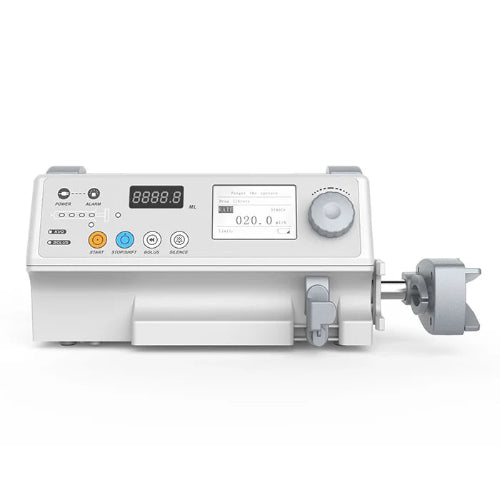
Syringe Pump SP08
Type: Needle Terminator
Electric Needle Destroyer Syringe Terminator Deluxe
Type: Medansh
Syringe Needle Destroyer - Manual Economy
Type: Syringe Pump
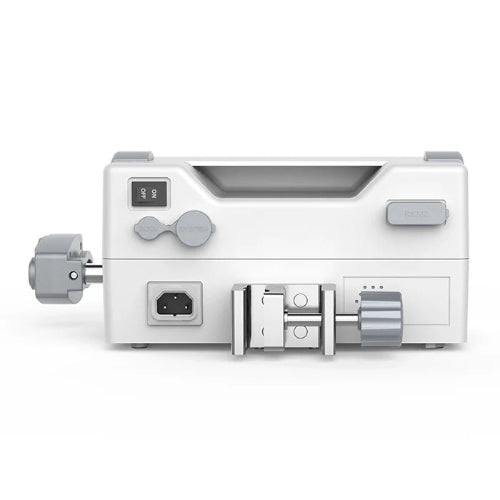
Syringe Pump for Hospital Use
Type: syringe pump
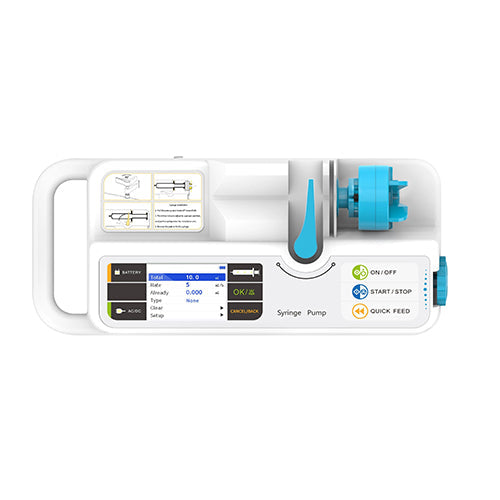
Byond Syringe Pump
Type:
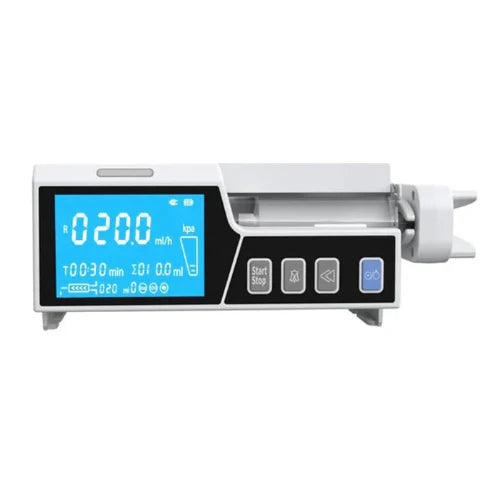
BPL Syringe Pump
Collection:
Syringes Pump: Precision & Safety Guaranteed
Syringes are one of the most essential tools in modern medical practice. From administering medication and vaccines to drawing blood, irrigating wounds, and delivering highly controlled drug therapy through pump systems, syringes support a wide range of routine and advanced clinical procedures. Because different treatments require different volumes, routes, and levels of dosing precision, the medical field relies on multiple syringe types rather than one standard design.
Choosing the right syringe is important for both patient safety and treatment effectiveness. A standard medical syringe may be suitable for injections and blood collection, while an insulin syringe is designed for precise subcutaneous dosing. In the same way, dental syringes, Asepto syringes, Toomey syringes, and specialized syringe pumps all serve very different clinical purposes. Understanding these differences helps healthcare providers, administrators, distributors, and consultants make better decisions in daily use as well as equipment planning.
This guide explains the main types of syringes, their common uses, the difference between syringe pumps and infusion pumps, safety and disposal considerations, and the market trends shaping syringe purchasing decisions.
General Medical Use
Supports injections, vaccinations, blood collection, and medication delivery.
Specialized Clinical Use
Used in diabetes care, dentistry, irrigation, feeding, and precise drug delivery.
Hospital Technology
Includes syringe pumps and infusion systems for controlled treatment support.
Standard Medical Syringes
Standard medical syringes are the most commonly used syringe type in healthcare. They are available in a wide range of sizes, usually from 1 ml to 60 ml, and are used for multiple purposes such as medication administration, vaccinations, and blood collection. Their flexibility makes them a basic but highly important part of hospital and clinic practice.
One of the biggest strengths of standard syringes is their versatility. They can be paired with different needle sizes and are suitable for both intravenous and intramuscular applications depending on clinical need. This flexibility is especially valuable in fast-moving settings where staff need dependable and familiar devices.
Most standard syringes are made from plastic and are intended for single use. This reduces the risk of cross-contamination and supports cost-effective routine care. Their clear barrel design helps clinicians read fluid volume more accurately, while the plunger design supports smoother and more controlled dosing.
In recent years, standard syringe design has also improved through safety-oriented innovations. Some syringes now include safety caps and more ergonomic handling features to improve usability and reduce accidental needlestick risk during clinical work.
Clinical Value
Standard syringes remain the foundation of everyday injection practice because they are simple, adaptable, and suitable for a broad range of medical procedures.
Insulin Syringes
Insulin syringes, especially U-100 insulin syringes, are designed specifically for subcutaneous insulin administration. They are critical for diabetic patients who require regular insulin dosing and need reliable support for safe self-management.
Precision is one of the most important features of insulin syringes. Accurate dosing helps patients maintain better blood glucose control and reduces the risk of underdosing or overdosing. Because many diabetic patients use these syringes frequently, comfort also becomes important. For this reason, insulin syringes often feature ultra-fine needles that reduce discomfort during repeated injections.
Some models also include lubrication to make entry smoother and improve comfort further. Beyond the device itself, patient education is essential. When patients understand how to handle the syringe correctly and use proper injection technique, they are more likely to feel confident and follow treatment more consistently.
Dental Syringes
Dental syringes are designed for oral procedures and are used primarily to deliver local anesthetic into gum tissue. Their long and narrow needle design supports more targeted anesthetic placement, helping dentists perform procedures with better comfort and precision.
These syringes are especially important for treatments such as extractions, fillings, and other procedures where effective local numbness is necessary. Their design may also include angled tips, which help clinicians reach more difficult areas in the mouth.
Sterility is very important in dental care. Dental syringes are often single-use, and any reusable components must be managed according to strict sterilization standards to protect patient safety.
Asepto Syringes
Asepto syringes are generally larger syringes used in wound or cavity irrigation. They are often used in surgical settings and may hold larger fluid volumes, sometimes up to around 120 ml. Their structure allows clinicians to flush wounds or surgical areas efficiently while maintaining cleaner handling.
These syringes are particularly helpful where cleansing, irrigation, or fluid movement is needed. Their bulbous design and wide opening support easier control during use and faster fluid delivery when required.
Although often associated with surgery, Asepto syringes can also be useful in post-operative care and other medical situations where controlled flushing is necessary.
Toomey Syringes
Toomey syringes are used in situations where larger volumes of fluid must be moved quickly. Their large bore and strong plunger design make them useful for feeding, irrigation, and procedures that require faster fluid transfer.
These syringes are often chosen in settings where rapid handling matters and where standard syringe sizes are not practical. They are also adaptable to tubing and catheter attachments, which expands their usefulness in both acute and long-term care contexts.
Their robust design helps ensure dependable performance in demanding clinical environments.
Tommy Syringes
Tommy syringes are referred to as specialized syringes used mainly in veterinary and non-human medical applications. They are designed according to animal care needs and may be adapted to match different species, body sizes, and treatment requirements.
In veterinary practice, correct syringe selection matters just as much as it does in human medicine. Species-specific needs, dosing accuracy, and safer administration all depend on choosing the right design. These syringes help support routine animal vaccination, treatment administration, and veterinary procedures more effectively.
Syringe Pumps vs Infusion Pumps
Syringe pumps and infusion pumps are both used to deliver medications and fluids, but they are designed for different clinical purposes. Understanding the difference between the two is important when selecting equipment for patient care.
Syringe Pumps
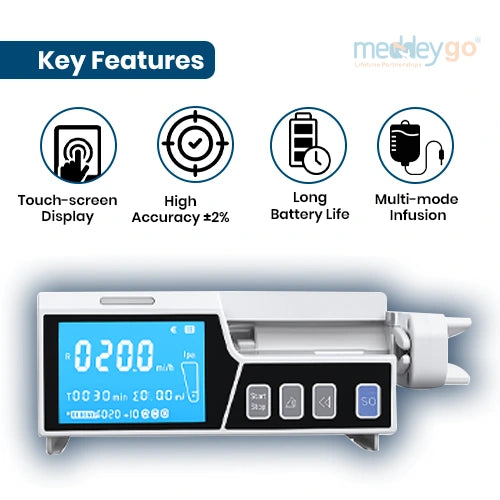
Syringe pumps are best suited for very precise, small-volume delivery. They are often used in situations where exact dosing is critical, such as neonatal care, pediatrics, anesthesia, and oncology. Their main advantage is precision. They allow clinicians to control medication flow very accurately, which is essential in high-risk or dose-sensitive cases.
Infusion Pumps
Infusion pumps are typically used for larger volumes and longer-duration therapies. These may include hydration, nutrition, chemotherapy, and other continuous fluid therapies. Infusion pumps are valued for their ability to support longer treatment periods with less manual intervention.
Choosing the Right Pump
The decision between a syringe pump and an infusion pump depends on the level of dose precision required, the total fluid volume, the treatment duration, and the care setting. In general, syringe pumps are chosen for accuracy at low volumes, while infusion pumps are more suitable for sustained or higher-volume delivery.
| Device Type | Main Use | Strength | Typical Setting |
|---|---|---|---|
| Syringe Pump | Small-volume drug delivery | High precision | NICU, anesthesia, oncology, pediatrics |
| Infusion Pump | Larger-volume fluid delivery | Long-duration therapy support | General wards, chemotherapy, hydration, home care |
Safe Syringe Use and Pain Management
Safe syringe use depends on choosing the right device, following correct technique, and maintaining proper disposal and infection-control practices. One common patient concern is pain during injection. Advances in needle design, including ultra-fine and coated needles, help reduce discomfort and improve the overall injection experience.
In addition to better needle design, providers may use topical anesthetics, distraction techniques, and patient education to reduce anxiety and improve tolerance. For frequent-use patients, such as those in diabetic care, these details matter significantly.
Correct disposal is another key part of syringe safety. Used syringes should be discarded in designated sharps containers according to established safety protocols. This reduces the risk of needlestick injury and infection transmission in healthcare environments.
Proper training is equally important. Healthcare workers must understand syringe selection, handling, injection technique, aseptic practice, and disposal standards. Ongoing audits and competency checks help maintain safer clinical use over time.
Safety Reminder
Syringe safety is not only about the device itself. It also depends on correct training, single-use discipline, sharps disposal, and strong infection-control practice.
Market Trends and Pricing
The syringe market is continuously evolving. In disposable syringes, the growing focus on infection control has increased demand for single-use products. In pump systems, demand is rising for digital, programmable, and more connected devices that improve precision and usability.
Syringe pump prices vary according to features, brand, user interface, and technology level. Pumps with advanced programming options, alarms, and connectivity tend to cost more, but they may also provide greater long-term value in settings where dosing accuracy and workflow efficiency are priorities.
Sustainability is also influencing purchasing decisions. Many buyers are now considering eco-friendlier options and disposal practices while still prioritizing safety, infection control, and regulatory compliance.
For hospital administrators and distributors, this means procurement decisions must balance clinical need, safety features, regulatory expectations, budget, and long-term operational value.
Strategic Insights for Healthcare Stakeholders
For hospital administrators, syringe purchasing involves balancing quality, safety, and cost. Selecting products with strong usability and clinical relevance can improve efficiency while supporting better patient outcomes.
For medical equipment distributors, the syringe market offers opportunities to differentiate products through safety features, ergonomic design, pump technology, and even sustainability positioning. Understanding customer needs is essential in a crowded field.
For healthcare technology consultants, staying informed about syringe pump innovation and market shifts is important for advising facilities on equipment integration and strategic purchasing.
Administrators
Need to balance budget, safety, and clinical value when procuring syringe products and pumps.
Distributors
Can grow market share by understanding product differentiation and user needs.
Consultants
Support technology integration and informed equipment selection across care settings.
Frequently Asked Questions
What is the main difference between a syringe pump and an infusion pump?
A syringe pump is used for highly precise, small-volume drug delivery, while an infusion pump is more suitable for larger-volume and longer-duration fluid therapies such as hydration or chemotherapy.
How do standard syringes differ from Asepto and Toomey syringes?
Standard syringes are used for injections and blood collection, while Asepto syringes are designed for irrigation and flushing. Toomey syringes are built for rapid high-volume fluid transfer and are often connected to tubing or catheters.
Why are insulin syringes specially designed?
Insulin syringes are made for precise subcutaneous insulin dosing and often include ultra-fine needles to reduce discomfort during regular use.
How do dental syringes help in oral procedures?
Dental syringes allow localized anesthetic delivery into gum tissue using long, thin needles that support better precision and patient comfort.
What improves syringe safety and reduces injection pain?
Ultra-fine needles, coated needle designs, safety caps, ergonomic handling, correct aseptic technique, and proper patient education all help improve comfort and safety.
Why is syringe disposal so important?
Proper disposal in designated sharps containers prevents needlestick injuries and reduces the risk of infection transmission in healthcare settings.
What affects syringe pump pricing?
Syringe pump pricing depends on the feature set, programming capability, safety systems, connectivity options, brand reputation, and overall technology level.
Are sustainability concerns affecting syringe purchasing decisions?
Yes. Many facilities now consider eco-friendly disposal and sustainable product options while still maintaining strict standards for infection control and patient safety.
Conclusion
Syringes remain a fundamental part of modern healthcare because they support everything from routine injections and diabetic care to irrigation, veterinary use, and highly controlled medication delivery through syringe pumps. Understanding the different syringe types, their clinical roles, and the safety practices associated with them is essential for better patient care and smarter healthcare planning. When combined with awareness of market trends, technology developments, and purchasing strategy, this knowledge helps hospitals, clinics, and healthcare providers choose solutions that are both safe and effective.