


Type: Modalities
IFT Machine Combo TENS Muscle Stimulator 3-in-1


Type: Modalities
Auto 4 Channel TENS Machine for Physiotherapy Use


Type: Medansh
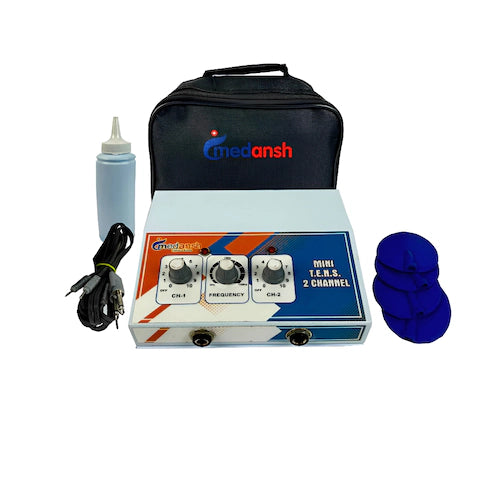
Medansh Automode 4 Chennal Tens
Type: Modalities
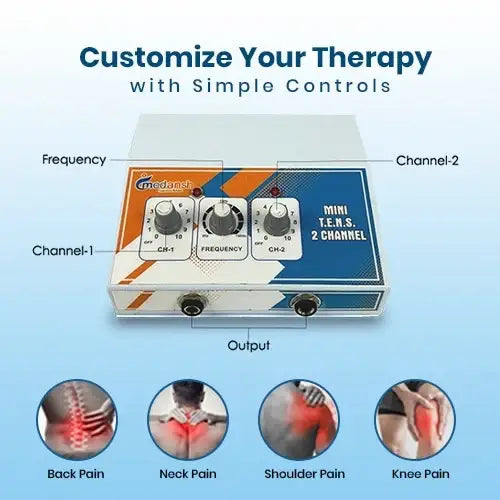
Medansh Dual Channel TENS for Period Pain Relief


Type: Modalities
Muscle Stimulator Machine EMS TENS Therapy Device


Type: Modalities
Medansh Delux Digital Ultrasonic Machine with 1 year warranty


Type: Modalities
Physio Studio Machine 6 in 1 Physiotherapy Combo Clinic Unit


Type: Modalities
Medansh Cervical Lumbar Digital Traction Machine Delux with 1year warranty
Type: Modalities
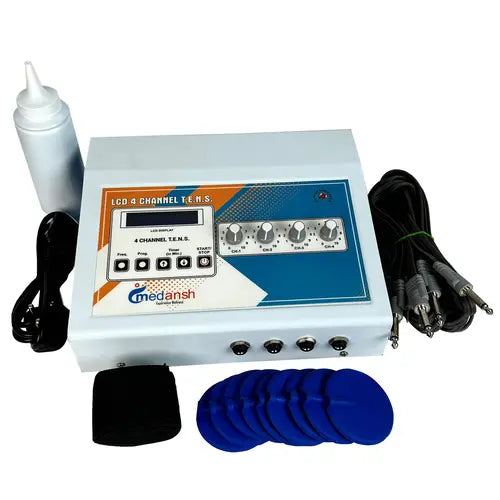
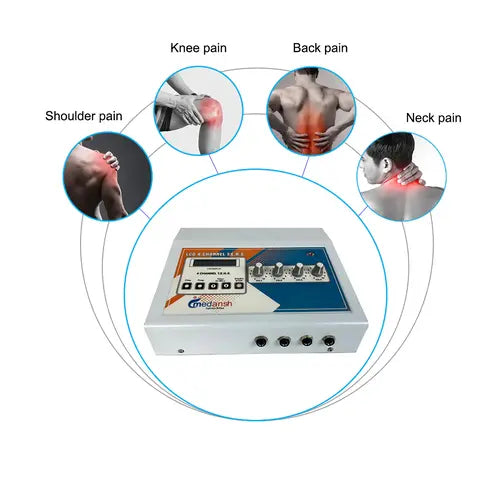
Medansh 4 CHANNEL Tens Machine LCD non-invasive low-risk nerve stimulation- reduce pain with 1 year warranty


Type: Modalities
Medansh Physio Studio 6 in 1 Delux with 1 year warranty
Collection:
TENS and Electrical Stimulation Devices
That nagging ache in your lower back. The stiff shoulder that won't quit. For many of us, persistent pain is a frustrating part of daily life that interferes with work, hobbies, and even a good night's sleep. Sound familiar?
While pain pills can have side effects and other treatments are often expensive, you've probably seen another option advertised: a TENS unit. But what is this little device, really? And could something that uses gentle electrical pulses actually provide effective pain management? The short answer is yes, for many people---if you know what you're doing.
This guide cuts through the hype to give you clear, simple answers. We'll explain how Transcutaneous Electrical Nerve Stimulation, or TENS therapy, works as a form of drug-free chronic pain management that many physical therapists recommend. You'll learn who it's for, whether it's safe for you, and how to use it correctly.
Forget the confusing jargon and miracle claims. By the end, you'll understand not just the basic science but the practical steps for finding relief and regaining control to live more comfortably.
What Is a TENS Unit, and How Does It Fit in Your Hand?
Let's start by decoding the name: TENS stands for Transcutaneous Electrical Nerve Stimulation. That sounds complex, but it simply means using gentle electrical signals that pass through the skin (transcutaneous) to soothe your nerves. A modern TENS unit is a small, portable, battery-powered device, often no bigger than a small phone or remote control. Its entire job is to deliver these mild pulses to a targeted area, offering a drug-free way to manage your pain right where it starts.
This simple system has three main parts. First is the TENS unit itself---the handheld controller where you adjust the feelings and intensity. Connecting to it are thin lead wires , which act like tiny extension cords. These wires then snap onto sticky, reusable pads called electrodes, which you place directly onto your skin over the sore or painful area. There are no needles and nothing breaks the skin; the pads just sit on the surface.
Together, these pieces create a personal pain relief system that literally fits in your palm. Because a portable TENS is so compact, you can use it while relaxing at home or sitting at your desk. The device generates the signal, the wires carry it, and the electrodes deliver it precisely where you need relief. But how can a gentle tingling sensation actually block something as powerful as pain? It all comes down to some clever science that works with your body.

The Science of Relief: How TENS "Closes the Gate" on Pain Signals
So, how can a mild buzzing sensation possibly overpower a deep, throbbing ache? The answer lies in a principle called the gate control theory of pain. Imagine your nerves are pathways leading to a "gate" in your spinal cord, which then connects to your brain. When you're injured, slow-moving pain signals travel down these pathways, pass through the gate, and tell your brain, "Ouch!" This is your body's standard alert system.
This is where the TENS unit cleverly intervenes. The gentle electrical pulses it creates are a different kind of signal---a non-painful, tingling sensation. These signals travel along the very same nerve pathways but are much faster than the sluggish pain signals. They essentially rush to the gate first, creating a sensory "traffic jam" that closes it before most of the pain messages can get through. It's the same reason rubbing your shin after you've bumped it helps---the rubbing sensation distracts the nerves. This is precisely how TENS works to provide effective pain relief for everything from back pain to sciatica.
Ultimately, the device isn't fixing the source of your pain, but it is changing how your brain experiences it by running interference. By successfully blocking these signals, it gives your body a much-needed break from the constant barrage of discomfort. This "gate closing" effect is the primary way TENS provides immediate relief. But blocking pain signals is only half the story. At certain settings, TENS can do something even more remarkable: it can prompt your body to release its own natural painkillers.
Beyond Blocking Pain: How TENS Can Release Your Body's Natural Painkillers
While blocking pain signals offers fantastic short-term relief, what if a TENS session could help you feel better long after you've turned the device off? This is where the second major benefit of TENS therapy comes into play, moving beyond just running interference to actively changing your body's chemistry for the better. This effect is particularly useful for managing nagging, chronic pain.
This secondary benefit comes from your body's own amazing pharmacy. Using a different setting---often a slower, more rhythmic pulse---the gentle electrical stimulation encourages your brain to release its own natural painkillers called endorphins. If you've ever felt that mood-boosting sensation after a good workout, often called a "runner's high," you've experienced what endorphins can do. They are powerful, natural chemicals that not only relieve pain but also promote a sense of well-being.
The wonderful thing about this endorphin release is that the relief often outlasts the treatment itself. While the "gate-blocking" effect stops when you turn the machine off, endorphins can remain in your system for hours, providing a longer-lasting cushion of comfort. This dual-action approach is what makes TENS such a versatile tool. But with all this talk of different signals and effects, you might be wondering: What does TENS therapy actually feel like? (Hint: It's not a shock).
What Does TENS Therapy Actually Feel Like? (Hint: It's Not a Shock)
Let's get one common fear out of the way: a TENS unit won't shock you like a jolt of static electricity. The feeling is controlled, gentle, and designed for comfort. Most users describe the sensation as a pleasant tingling, a light buzzing, or a soft pulsing, similar to "pins and needles" but without the discomfort. Different portable TENS machine settings will create different sensations; some feel like a steady current, while others mimic a gentle tapping or massage. The key is that you are in complete control of what you feel.
The secret to a successful TENS session lies in one simple rule: the intensity should be "strong but comfortable." This is the golden rule of TENS pain relief. "Strong" means you've turned the intensity up high enough that the tingling sensation overrides the feeling of pain. If it's too low, you won't get the benefit. "Comfortable" means the sensation is pleasant and soothing, never painful, sharp, or causing your muscles to contract forcefully. It's a therapeutic feeling, not an uncomfortable one.
Finding that perfect intensity level---your unique "sweet spot"---is the entire goal. You'll start with the device on its lowest setting and slowly increase the power until you reach that strong-but-comfortable zone. It should feel active and effective, but you should be able to relax, read a book, or watch TV while the unit is working. Now that you understand the feeling you're aiming for, let's put it into practice.
How to Use a TENS Unit for Back Pain: A 5-Step Starter Guide
Now that you know the "strong but comfortable" feeling to aim for, where do you actually place the pads? For a common issue like lower back pain, the strategy is simple: you want to "bracket" the source of the ache. This means placing the sticky electrode pads around the area of pain, not directly on top of it. This technique, a core part of any good TENS unit electrode placement guide, allows the gentle electrical pulses to surround the painful spot and intercept the signals before they can reach your brain. For back pain, this typically means placing one pad on each side of your spine, as shown in the image.
Ready to try it? Using TENS devices for pain is straightforward when you follow a few simple steps.
- Prep Your Skin: Make sure the area is clean and dry. Lotions or oils can prevent the pads from sticking properly.
- Place the Pads: Position two pads on your lower back, one on each side of your spine. Never place electrodes directly on your spinal column.
- Connect the Wires: Snap the lead wires onto the pads, then plug them into the TENS unit.
- Power On & Adjust: Turn the device on at the lowest setting. Slowly increase the intensity until you feel that "strong but comfortable" tingle.
- Set the Timer: A typical session lasts between 20 to 30 minutes. Most devices have an automatic timer for convenience.
Once your session starts, the soothing sensation should begin to provide relief. Remember, the goal is pain management, not muscle contraction. If you feel your muscles twitching forcefully, you might be using the wrong type of device or setting for this purpose. It's crucial to know whether your device is designed for nerve pain or muscle conditioning.

TENS vs. EMS: Why Using the Wrong Device Won't Help Your Pain
If that last point about forceful muscle twitching sounded familiar, you've stumbled upon the most common point of confusion in the world of electrical stimulation. Many devices look nearly identical but are built for entirely different purposes. Using the wrong one is like trying to use a screwdriver to hammer a nail---it's simply not the right tool for the job, and you won't get the results you want. Knowing the difference is crucial for both safety and effective relief.
A TENS (Transcutaneous Electrical Nerve Stimulation) machine is designed to target your nerves. Its primary goal is to interrupt or block pain signals from reaching your brain, providing relief from aches and soreness. The sensation is a gentle tingling or buzzing, not a powerful muscle contraction. Think of it as running interference on your body's pain hotline, keeping the distress calls from getting through.
An Electrical Muscle Stimulator (EMS), on the other hand, has a completely different job. Its purpose is direct muscle stimulation, causing your muscles to contract and relax. This process is used to help strengthen weak muscles, reduce swelling, or improve recovery after a workout. The electrical muscle stimulator benefits athletes and physical therapy patients, but it doesn't primarily focus on blocking pain signals like a TENS unit does.
The simplest way to remember the distinction is this: TENS is for Nerves (pain relief), while EMS is for Muscles (contraction). While some combo units offer both functions, understanding their separate roles ensures you use the right setting for your needs. But TENS and EMS are just the beginning; there are other types of electrical stimulation designed for even more specific purposes.
What Are the Four Main Types of Electric Stimulation?
While TENS and EMS are the most common electrotherapy devices you'll find for home use, they are just two players on a much larger team. The world of electrical stimulation includes several other specialized technologies, each designed to accomplish a very specific goal. Understanding these helps clarify that "e-stim" isn't a one-size-fits-all solution.
For most people, these four types cover the vast majority of what you'll encounter:
- TENS (Transcutaneous Electrical Nerve Stimulation): The pain blocker. Its job is to distract nerves and stop pain signals from reaching the brain.
- EMS (Electrical Muscle Stimulation): The muscle contractor. Its goal is to make muscles tighten and relax, often for strengthening or recovery.
- IFT (Interferential Current): The deep-reach pain reliever. Think of IFT and TENS devices as similar, but IFT uses a special method to penetrate deeper, making it effective for pain in larger joints or deep within muscle tissue.
- FES (Functional Electrical Stimulation): The movement helper. This is a more clinical tool that stimulates nerves to activate muscles in a specific sequence, helping someone perform a task they otherwise couldn't, like grasping an object or taking a step.
You can see how different the goals are. While TENS offers a tingling sensation to mask pain, and EMS creates visible muscle twitches, FES is a sophisticated therapy often used to restore function after a stroke or spinal cord injury. IFT, which you might find in some high-end consumer devices, simply offers a more comfortable way to treat pain that feels like it's buried far below the surface.
Knowing these differences empowers you to ask the right questions. It helps you recognize that not all buzzing pads are the same and that the technology must match the therapeutic goal. But no matter which type of device you're considering, the most important question always comes first: is it safe for you?
Are Home Electrical Stimulation Devices Safe? The Critical "Do Not Use" List
For the vast majority of people seeking relief from common aches, the answer is a resounding yes. When used correctly, the side effects of using a TENS machine are rare and usually limited to mild skin irritation from the electrode pads. Think of it like driving a car: as long as you follow a few critical, non-negotiable safety rules, you can operate it with confidence.
These rules are not suggestions; they are absolute contraindications designed to prevent serious harm. Before you ever attach an electrode pad, you must confirm that you are not in a high-risk group and that you avoid placing pads on specific anatomical danger zones.
The Golden Rules of E-Stim Safety
Memorize this list. If any of these apply to you, do not use an electrical stimulation device without explicit approval from your doctor.
- DO NOT USE IF: You have a pacemaker, implanted defibrillator, or another electronic implant.
-
DO NOT USE IF: You are pregnant (the only exception is sometimes during labor, under medical supervision).
- NEVER PLACE PADS:On the front or sides of your neck or throat.
- Directly over your heart or across your chest.
- Over your eyes, mouth, or on your head.
- On skin that is numb, broken, or over a cancerous lesion.
Outside of these crucial warnings, TENS and EMS are considered very safe tools for managing pain in areas like the lower back, shoulders, arms, and legs. Now that you understand the essential safety checks, you can focus on finding a device that's right for your needs.
How to Choose the Best Over-the-Counter TENS Unit for You
A quick online search for a TENS unit can feel overwhelming, with countless devices ranging from cheap gadgets to complex machines. While flashy features might catch your eye, knowing how to choose an electrotherapy device comes down to a few core principles of safety, control, and convenience. Focusing on the right criteria will help you find a reliable tool instead of a disappointing toy.
Before you even look at price, there's one non-negotiable feature you must check for: FDA clearance. This means the U.S. Food and Drug Administration has reviewed the device to ensure it meets established safety and quality standards for over-the-counter sale. It's your single best indicator that the product is legitimate and built with your well-being in mind. Without this clearance, you have no guarantee of the device's safety or effectiveness.
Once you've confirmed a device is cleared for sale, you can compare features that fit your personal needs. Look for these key attributes:
- Multiple Modes: A good unit offers several pre-set programs (like "tapping," "kneading," or "constant") to target different pain sensations.
- Adjustable Intensity: You need precise control to find a level that is strong but comfortable. More levels mean more fine-tuning.
- Rechargeable vs. Battery: Rechargeable units are more convenient and eco-friendly, while models with disposable batteries may have a lower initial cost.
- Quality Electrode Pads: The included pads should be durable and reusable. High-quality pads provide better connection and last longer.
Ultimately, the best over-the-counter TENS unit is one that is FDA-cleared, fits your budget, and gives you the flexibility to manage your specific pain. But once you have your device, what do all those buttons and modes actually mean? Let's decode the settings.
Decoding Your TENS Settings: What Do "Mode" and "Intensity" Really Mean?
Once you have your device in hand, the array of buttons labeled "Mode" can seem intimidating. Think of these not as complex medical programs, but as different massage styles. Your TENS machine is designed with variety because different types of pain respond to different sensations. The goal of TENS therapy is finding the pattern that feels most soothing for your specific ache, whether it's a dull throb or a sharp twinge. Experimenting is key to discovering what provides you with the most relief.
For example, a "Tapping" mode feels like a rhythmic drumming that's great for tense muscles. A "Constant" mode delivers a steady tingling, which works well to "distract" persistent nerve pain by overwhelming pain signals. Other settings might mimic kneading, creating slower pulses for deep aches. You don't need to understand the science behind these portable TENS machine settings; just listen to your body and choose the feeling that works for you.
After selecting a mode, you'll adjust the intensity. The golden rule is a level that is strong but comfortable. You should feel a distinct buzzing or pulsing, but it should never be painful, sharp, or cause unpleasant muscle spasms. Start low and slowly increase the power until you hit that therapeutic sweet spot. Mastering this balance is crucial for how to use a TENS unit effectively. To ensure you're getting the best results, let's look at the three most common mistakes and how to avoid them.
The 3 Most Common TENS Unit Mistakes (And How to Avoid Them)
Feeling like your TENS unit isn't delivering the relief you expected? The issue often isn't the device, but how it's being used. One of the most frequent errors is electrode placement. Many people simply stick the pads directly on the most painful spot, but for TENS to work its magic, the pads often need to surround the area of pain, not cover it. A proper TENS unit electrode placement guide will show you how to position the pads to intercept the pain signals before they reach your brain, which can make a world of difference.
Another common pitfall is cranking the intensity too high, believing that "more is better." While you need a strong sensation, pushing it into painful territory is counterproductive. This can over-stimulate the area, lead to muscle soreness, and cause skin irritation. These are the most common side effects of using a TENS machine, and they are almost always avoidable by following the "strong but comfortable" rule and giving your skin a break between sessions.
Finally, many users are tempted to leave the device on for hours or even wear it to bed. This leads to the question, can you use a TENS unit while sleeping? The answer is a firm no. During sleep, you can't monitor the sensation, and if the pads shift to a sensitive area (like the front of your neck), it can be dangerous. It also significantly increases the risk of skin burns or irritation from prolonged stimulation. For best results, limit sessions to 30-60 minutes at a time.
Avoiding these three simple mistakes---improper placement, excessive intensity, and overuse---is the key to unlocking consistent and safe pain relief. By using the device correctly, you move from just experimenting to taking an active, effective role in your own wellness.
Your Path to Smarter Pain Management
What once may have seemed like a mysterious gadget is now a clear and understandable tool. You no longer have to guess if electrical stimulation is all hype; you know that a TENS unit is a practical device that can help block pain signals and encourage your body's natural defenses. This foundation empowers you to approach your own pain management with new confidence and a powerful, drug-free option.
Knowledge is most powerful when put into action. To safely explore this form of home therapy and take control of your journey with chronic pain, here is your clear, three-step plan.
- 1. Talk to an expert. Before you begin, discuss TENS with your doctor or physical therapist. They can confirm it's a safe choice for your specific condition and help you create an effective plan.
- 2. Choose a safe device. If you get the green light, look for an FDA-cleared TENS unit. This ensures the device meets established safety and quality standards for home use.
- 3. Start low and slow. When you begin, follow all instructions carefully. Always start with the lowest intensity and find a level that feels strong but comfortable, never painful. Listen to your body.
You are now equipped to have an informed conversation with a healthcare provider and educate yourself on the best path forward. Remember, the goal is not simply to reduce discomfort---it's to regain a piece of your life. You have the power to take a safe, proactive step toward turning up the volume on the activities you love.
Frequently Asked Questions
Question: Does a TENS unit really work for pain, and what’s the science behind it?
Short answer: Yes—many people get meaningful relief because TENS works with your nervous system in two ways. First, its gentle, non-painful signals travel faster than pain signals and “close the gate” in the spinal cord so fewer pain messages reach your brain. That’s the immediate, on‑the‑device relief. Second, at certain settings (often slower, rhythmic pulses), TENS can prompt your body to release endorphins—your natural painkillers—which can extend relief for hours after the session ends. TENS doesn’t fix the underlying cause, but it changes how your brain perceives pain in a drug‑free way.
Question: How should I use a TENS unit for lower back pain?
Short answer: “Bracket” the sore spot instead of placing pads right on top of it. Clean and dry your skin, then place one electrode on each side of your spine (never directly on the spinal column). Connect the leads, power on at the lowest setting, and slowly increase until the sensation is strong but comfortable—tingling or pulsing without sharpness or forceful muscle twitching. Typical sessions last 20–30 minutes. If you feel strong contractions, you may be on the wrong device or mode—TENS should soothe nerves, not make muscles jump.
Question: What’s the difference between TENS and EMS (and other e‑stim types)? Which do I need?
Short answer: TENS targets nerves to reduce pain; it feels like gentle tingling and aims to block pain signals. EMS targets muscles to contract and relax them for strengthening or recovery; it produces visible twitches. A simple memory: TENS = Nerves (pain), EMS = Muscles (contraction). Two other types you may encounter: IFT (interferential current) for deeper‑feeling pain relief, and FES (functional electrical stimulation) used clinically to assist movement. For pain relief, choose TENS (or the TENS mode on a combo unit).
Question: Is a home TENS device safe for me, and where should I never place pads?
Short answer: TENS and EMS are very safe for most people when used correctly, with side effects usually limited to mild skin irritation. Do not use any e‑stim device if you have a pacemaker/implanted defibrillator or other electronic implant, or if you are pregnant (exceptions during labor only under medical supervision). Never place pads on the front/sides of your neck, over your heart/across your chest, on your head/eyes/mouth, or on numb/broken skin or over a cancerous lesion. Don’t use TENS while sleeping, and limit sessions to 30–60 minutes to avoid skin irritation.
Question: What should I look for when buying an over‑the‑counter TENS unit?
Short answer: First, verify FDA clearance—it’s your best indicator of safety and build quality. Then choose features that fit your needs: multiple modes (tapping, kneading, constant) to match different pain sensations; fine‑grained intensity control to hit the “strong but comfortable” sweet spot; your preferred power option (rechargeable vs. disposable batteries); and quality, reusable electrode pads. The “best” unit is FDA‑cleared, within budget, and gives you the control and comfort to manage your specific pain.