
Filter
19 products


Type: Modalities
Auto 4 Channel TENS Machine for Physiotherapy Use
Type: Modalities
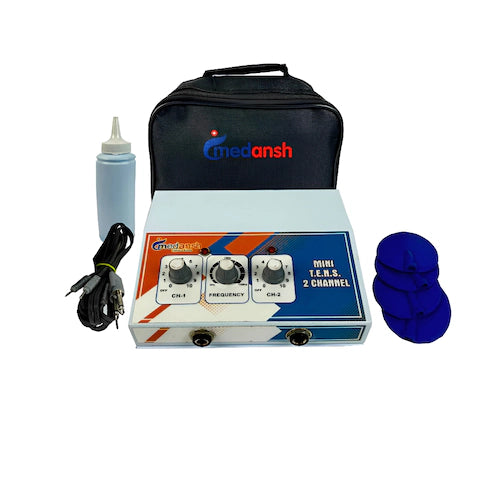
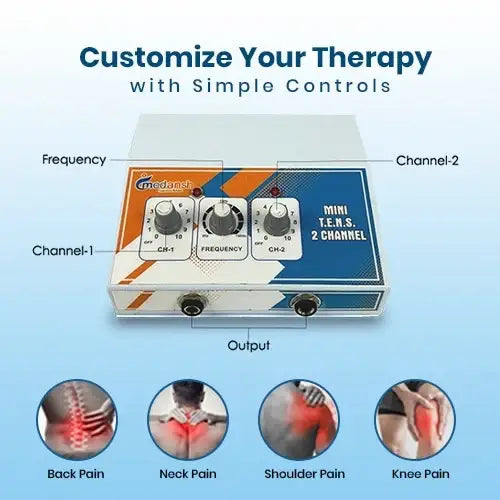
Medansh Dual Channel TENS for Period Pain Relief
Type: Modalities
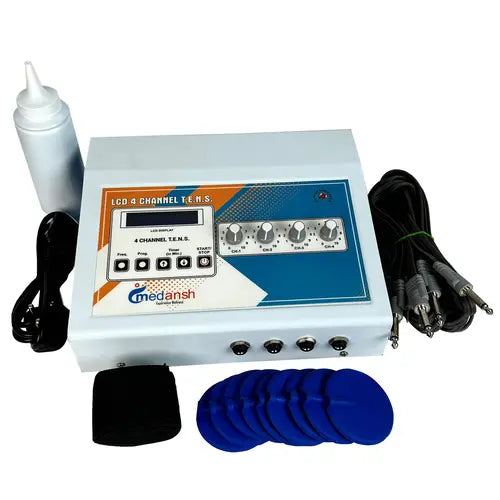
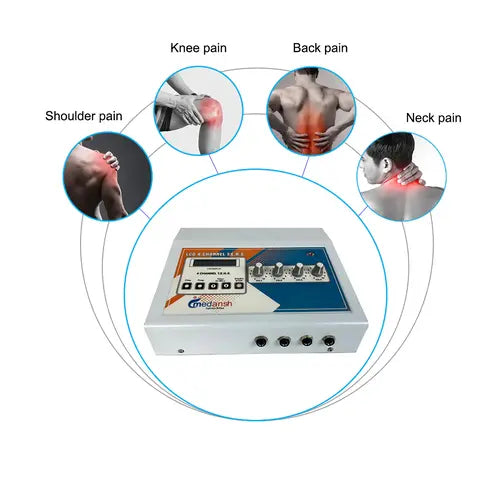
Medansh 4 CHANNEL Tens Machine LCD non-invasive low-risk nerve stimulation- reduce pain with 1 year warranty


Type: Physiotherapy
12 Channel TENS Machine Slimming EMS Therapy Device
Collection:
What is a TENS Machine? Uses, Types, Benefits & Price Explained
Pain management is one of the most common challenges in modern healthcare, affecting patients across all age groups and clinical conditions. From chronic lower back pain and arthritis to post-surgical discomfort and sports injuries, managing pain effectively is essential for recovery and quality of life. Among non-invasive treatment options, the TENS machine has emerged as a widely used and clinically accepted solution in physiotherapy and rehabilitation.
A TENS therapy machine offers a drug-free approach to pain relief by using controlled electrical stimulation. It is commonly used by physiotherapists, doctors, and even patients at home for managing musculoskeletal and nerve-related pain. Whether referred to as a tens massager, nerve stimulator machine, or physio tens machine, the principle remains the same—stimulating nerves to reduce pain signals.
This detailed guide explains everything about the TENS machine, including how it works, types of TENS, applications, benefits, safety, comparison tables, pricing insights, and expert FAQs for healthcare professionals.
Quick Facts
- TENS stands for Transcutaneous Electrical Nerve Stimulation.
- It is widely used in tens physiotherapy for pain relief.
- Non-invasive and drug-free pain management solution.
- Commonly used for back pain, arthritis, and nerve-related conditions.
- Portable devices allow home-based therapy.
What is a TENS Machine?
A TENS machine is a small electronic device that delivers low-voltage electrical impulses through electrodes placed on the skin. These impulses stimulate nerves and help reduce pain signals sent to the brain. In clinical terms, TENS electrotherapy is used as a supportive treatment in physiotherapy to manage acute and chronic pain.
The term tens medical abbreviation stands for Transcutaneous Electrical Nerve Stimulation, which literally means electrical stimulation delivered through the skin. Unlike invasive treatments, TENS is safe, easy to use, and suitable for repeated sessions.
How Does TENS Therapy Work?
The working mechanism of a tens therapy machine is based on two key principles—pain gate theory and endorphin release. When electrical impulses are delivered to the nerves, they interfere with pain signals before they reach the brain. This is known as the "pain gate mechanism."
Additionally, TENS stimulation promotes the release of natural painkillers called endorphins. These chemicals help reduce discomfort and create a soothing effect on the body.
- Blocks pain signals from reaching the brain
- Stimulates nerve fibers
- Releases endorphins
- Improves blood circulation
Types of TENS Machine
There are different types of TENS machines available based on usage and functionality:
| Type | Description | Use Case |
|---|---|---|
| Conventional TENS | High frequency, low intensity | Acute pain relief |
| Acupuncture-like TENS | Low frequency, high intensity | Chronic pain management |
| Burst Mode TENS | Combination of both modes | Deep muscle pain |
| Portable TENS | Compact and battery operated | Home use |
Health Conditions Treated with TENS
Transcutaneous Electrical Nerve Stimulation (TENS) is widely used in modern physiotherapy and pain management to address both acute (short-term) and chronic (long-term) conditions. Due to its non-invasive nature and ability to reduce pain without medication, TENS therapy has become a preferred option for many healthcare professionals and patients.
A TENS machine works by stimulating nerve pathways and reducing pain perception, making it suitable for a variety of musculoskeletal, neurological, and vascular conditions. Below are some of the most commonly treated health conditions using TENS therapy:
- Back Pain: One of the most common uses of a TENS machine for back pain is to relieve lower and upper back discomfort caused by muscle strain, poor posture, or spinal conditions.
- Osteoarthritis: TENS therapy helps reduce joint pain and stiffness associated with osteoarthritis by improving circulation and blocking pain signals.
- Fibromyalgia: Patients with fibromyalgia benefit from TENS due to its ability to manage widespread muscle pain and tenderness without increasing medication dependency.
- Tendinitis: Inflammation of tendons, often caused by repetitive movements, can be effectively managed with TENS electrotherapy by reducing pain and promoting healing.
- Bursitis: TENS therapy helps relieve pain and inflammation in joints affected by bursitis, especially in shoulders, elbows, and hips.
- Chronic Pelvic Pain: TENS is sometimes used as part of a multidisciplinary approach to manage persistent pelvic pain conditions.
- Diabetic Neuropathy: For patients experiencing nerve pain due to diabetes, a nerve stimulator machine can help reduce tingling, burning, and discomfort sensations.
- Peripheral Artery Disease (PAD): TENS may assist in improving blood flow and reducing pain associated with PAD, particularly during movement or exercise.
Because of its versatility, safety profile, and effectiveness, TENS physiotherapy continues to play a significant role in rehabilitation programs and pain management strategies across clinical and home settings.
Uses of TENS Machine
The tens machine for back pain is one of the most common applications, but its use extends to various conditions:
- Lower back pain and neck pain
- Arthritis and joint pain
- Sports injuries
- Post-operative pain
- Nerve pain (neuropathy)
- Muscle spasms
TENS Machine vs Other Pain Therapy
| Feature | TENS Therapy | Medication | Heat Therapy |
|---|---|---|---|
| Pain Relief | Effective | Effective | Moderate |
| Side Effects | Minimal | Possible | None |
| Portability | High | High | Low |
TENS Machine Price in India
The tens machine price varies depending on features, brand, and type:
- Basic models: ₹1,500 – ₹3,000
- Mid-range devices: ₹3,000 – ₹7,000
- Advanced physiotherapy machines: ₹7,000 – ₹20,000+
Factors affecting tens physiotherapy machine price include channel modes, intensity levels, battery type, portability, and build quality.
Features to Look in the Best TENS Machine
- Multiple intensity levels
- Dual channel output
- Portable and lightweight design
- Rechargeable battery
- Pre-set therapy modes
- Durable electrode pads
What TENS is Used For
TENS therapy is commonly used to relieve both short-term (acute) and long-term (chronic) pain. It provides a non-invasive and drug-free approach to pain management, making it widely used in physiotherapy and home care settings.
A TENS machine can help manage various types of pain, including:
- Period pain: Helps reduce menstrual cramps and discomfort.
- Labour pain: Sometimes used during pregnancy under medical supervision.
- Sports injuries: Supports recovery from muscle strain and injury.
- Arthritis pain: Reduces joint stiffness and inflammation.
- Endometriosis pain: Helps manage chronic pelvic discomfort.
TENS is believed to work by stimulating the release of natural pain-relieving chemicals called endorphins, while also blocking pain signals from reaching the brain through nerve pathways.
However, it is important to understand that TENS therapy does not work for everyone, and its effectiveness can vary depending on the condition and individual response.
If you are unsure about the cause of your pain, it is always recommended to consult a healthcare professional before using a TENS device.
⚠ Important Safety Warning
Do NOT use a TENS machine if:
- You have epilepsy (without medical supervision)
- You have a pacemaker or implanted electrical device
- You are pregnant, unless advised by your doctor or midwife
Why Choose TENS Machine from Meddeygo.com
Choosing the right tens device is essential for effective pain management, and Meddeygo.com offers a trusted platform for sourcing high-quality physiotherapy equipment. With a wide selection of physio tens machine options, users can compare features, pricing, and specifications in one place.
Meddeygo.com ensures access to reliable brands, competitive pricing, and convenient delivery, making it easier for healthcare professionals and home users to find the best tens machine suited to their needs. The platform also simplifies decision-making by providing clear product information and helping users choose devices based on clinical requirements rather than guesswork.
Frequently Asked Questions (FAQ)
Conclusion
The TENS machine has become a valuable and widely trusted solution in modern pain management, particularly within physiotherapy and rehabilitation practices. As a non-invasive and drug-free therapy, it offers a practical way to manage both acute and chronic pain while minimizing the risks associated with long-term medication use. Its ability to stimulate nerves, block pain signals, and promote natural endorphin release makes it an effective supportive treatment across a wide range of conditions.
From clinical settings to home care environments, the growing adoption of TENS therapy reflects its convenience, safety, and versatility. Patients recovering from injuries, managing long-term musculoskeletal disorders, or seeking relief from everyday discomfort can benefit significantly from its use when applied correctly.
Ultimately, selecting the right tens therapy machine based on individual needs, usage frequency, and clinical requirements plays a crucial role in achieving optimal results. With proper guidance and consistent use, a TENS device can enhance comfort, improve mobility, and support a better quality of life.