
Filter
3 products


Type: Instruments
4mm Cannulated Cancellous Screw Instruments Set
Type: Nursing
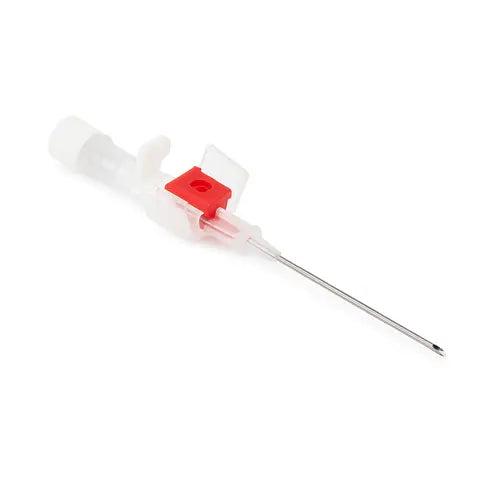
BD Arterial Cannula for Peripheral Arteries


Type: Instruments
7mm Cannulated Cancellous Screw Instruments Set
Collection:
Three Way Cannula Guide: Stopcock Uses, Ports, Safety & Price
Introduction: Understanding Three Way Cannula
In medical-supply searches, three way cannula often refers to a three-way stopcock rather than the peripheral IV catheter that sits inside a vein. A three-way stopcock is a small sterile valve body with three luer ports and a rotating handle that opens or closes communication between selected pathways.
For online buyers, three way cannula listings can appear interchangeable even when they differ in size, material, intended use, performance and care requirements. A reliable buying decision starts by defining who will use the product, where it will be used and which specifications are essential.
This MeddeyGo guide explains three way cannula from a practical healthcare perspective. It covers common uses, product types, specifications, safety, comparisons, price, maintenance, common mistakes, institutional buying and frequently asked questions without relying on repeated filler sections.
IV Therapy
Provides additional controllable connection points in an IV circuit.
Anaesthesia & Critical Care
Useful in complex line setups that require multiple syringes, infusions or monitoring connections.
Pressure Monitoring
Pressure-rated stopcocks may form part of arterial or central venous monitoring circuits.
What Is Three Way Cannula?
In practical terms, three way cannula should be understood through its stated purpose and measurable specifications. The product name alone does not tell a buyer enough about size, materials, performance limits, maintenance or whether the item is intended for home, clinical or professional use.
The manufacturer’s intended-use statement should guide how three way cannula is selected and used. Similar-looking items may belong to different medical, home-care or industrial categories, so the exact label matters more than a broad marketplace name.
Simple Selection Rule
Choose three way cannula by intended use, correct specification, user comfort and safety before considering discount or brand popularity.
Common Uses of Three Way Cannula
- Connecting an IV line and syringe
- Adding an extension line
- Opening or closing selected fluid pathways
- Providing medication access according to protocol
- Connecting monitoring components
- Reducing repeated manipulation of the primary catheter hub when configured correctly
These uses describe the category rather than guaranteeing that every three way cannula product is suitable for every user. The exact application should match the manufacturer’s instructions and, when relevant, the clinician’s care plan.
Main Types of Three Way Cannula
Standard Three-Way Stopcock
Three luer ports with a central rotating valve.
Stopcock With Extension Tube
Moves the connection point away from the cannula or catheter.
High-Pressure Stopcock
Engineered for specified pressure applications.
Lipid-Resistant Stopcock
Uses material selected for compatibility with certain infusates.
Needle-Free Three-Way Connector
Adds valve-based needle-free access depending on design.
Key Features to Compare Before Buying Three Way Cannula
Purpose
Confirm the product category and intended user.
Specification
Check size, material, capacity, connector or support level.
Handling
Look for practical setup, cleaning and storage.
Supply
Check accessories, replacements, warranty and seller continuity.
How Three Way Cannula Works
The useful feature of three way cannula is determined by its design. Understanding the working principle helps buyers identify which specifications matter and prevents the mistake of choosing a visually impressive product that does not perform the required job.
Before first use, compare the item in hand with the ordered model or prescribed specification. Confirm dimensions, accessories, package condition and instructions so that a mismatch is discovered before the product enters routine use.
Three Way Cannula Size, Capacity and Specification Guide
| Selection Point | Why It Matters | What to Verify |
|---|---|---|
| Intended user | Adult, child, home and professional requirements can differ | Age group and care setting |
| Size or capacity | Wrong dimensions can cause leakage, poor fit or reduced performance | Brand chart or technical range |
| Material | Material affects comfort, durability and compatibility | Manufacturer specification |
| Accessories | The product may depend on matching components | Included and replacement parts |
| Use cycle | Disposable and reusable products need different planning | Label and maintenance instructions |
Safety Guidelines for Three Way Cannula
- Trace every line before turning the handle
- Understand which port closes in each handle position
- Disinfect access ports before connection
- Keep unused ports capped
- Avoid unnecessary stopcock manipulation
- Use only pressure-rated devices for pressure applications
- Check medicine and material compatibility
- Replace according to manufacturer and infection-control policy
Safety Reminder
Stop using three way cannula when it causes unexpected injury, loss of function or a serious warning sign. A healthcare product should not delay necessary medical assessment.
Comparison: Choosing the Right Three Way Cannula Type
| Feature | Three-Way Stopcock | Simple Extension Set |
|---|---|---|
| Number of pathways | Three controllable ports | Single continuous pathway |
| Flow selection | Rotating valve | No directional valve |
| Complexity | Higher | Lower |
| Dead space | Can be greater | Usually lower |
| Best use | Multiple controlled connections | Moving connection point away from catheter |
Three Way Cannula Price and Cost Factors
Three way cannula price varies with luer configuration, pressure rating, extension tubing, needle-free features, material, protective caps, sterile packaging and pack size. A high-pressure monitoring stopcock should not be compared directly with a basic low-pressure connector.
| Cost Driver | Why the Price Changes |
|---|---|
| Design complexity | Specialised functions or safety features add manufacturing cost |
| Materials | Higher-grade or specialty materials can cost more |
| Size / quantity | Larger dimensions or more pieces change package value |
| Accessories | Included components change the complete-system cost |
| Quality documentation | Testing, certification and traceability can influence price |
| Supply format | Retail packs and institutional cartons have different unit economics |
How to Buy Three Way Cannula Online
- Verify three-port luer arrangement
- Check male/female connection pattern
- Review handle markings
- Confirm pressure rating
- Check extension length if included
- Review lipid or drug compatibility
- Choose sterile single-use pack
- Confirm protective caps
- Compare internal volume
- Check manufacturer traceability
Online Buying Tip
Save the exact three way cannula model, size and specification before checkout so a similar-looking substitute is not ordered accidentally.
Common Mistakes With Three Way Cannula
| Mistake | Why It Matters | Better Approach |
|---|---|---|
| Choosing only by price | The product may not match the required specification | Compare function and fit first |
| Ignoring the size chart | Incorrect size can reduce performance | Measure before ordering |
| Skipping instructions | Important safety details may be missed | Read the label and manual |
| Using damaged items | Integrity or hygiene can be compromised | Inspect before use |
| Making improvised modifications | Changes can defeat the intended design | Use approved accessories and setup |
| Buying bulk before trial | Large stock may be unsuitable | Test a representative pack first |
Cleaning, Storage and Maintenance of Three Way Cannula
Care requirements depend on whether three way cannula is disposable, washable, sterile, electronic or made from an elastomer or foam. Follow the product-specific cleaning method instead of applying one universal routine.
- Inspect before use
- Keep storage dry and protected
- Follow approved washing or wiping instructions
- Allow reusable items to dry fully
- Rotate expiring stock
- Replace items that lose structural integrity
- Keep model and batch details when relevant
Three-Way Stopcock Port Arrangement
Ports may include one male luer lock and two female luer connections, but configurations vary. Buyers should inspect the exact product drawing.
Reading the Stopcock Handle
The handle position determines flow. Staff should never rotate it by memory in a complex circuit without tracing the source and destination first.
Three-Way Stopcock Dead Space
Internal volume can delay medicine delivery or retain potent drugs. Dead space is especially relevant in paediatrics and vasoactive infusions.
Stopcock With Extension Tubing
An extension moves handling away from the IV insertion site and can reduce traction, but it increases circuit length and internal volume.
High-Pressure Stopcocks
Arterial monitoring and power injection can involve higher pressures. Only products specifically rated for those conditions should be used.
Lipid Compatibility
Some plastic components can crack or weaken with lipid-containing solutions or particular medicines. Material compatibility should be checked.
Needle-Free Stopcock Designs
Integrated needle-free valves can simplify syringe access but still require hub disinfection and careful line tracing.
Stopcock Infection Risk
Every additional connector adds manipulation points. Keep the circuit as simple as clinically practical and access it only when needed.
Stopcock Use in Pressure Transduction
When used in arterial pressure monitoring, the circuit must also be levelled, zeroed and kept free of air according to monitoring protocol.
Three-Way Cannula Buying Error
A frequent mistake is ordering a stopcock when the clinician actually requested a peripheral IV cannula, or vice versa. Clarify the terminology before purchase.
Three Way Cannula: Patient or User Suitability
The three way cannula should be matched to the actual user rather than a generic buyer profile. Age, mobility, skin condition, anatomy, diagnosis, care environment and caregiver capability can all change what is practical.
For three way cannula, the practical implication of patient or user suitability is specific: define the requirement before purchase, check it against the manufacturer data, and verify it again during first use. This avoids treating patient or user suitability as a vague preference and turns it into a measurable buying or care criterion.
Three Way Cannula: Materials and Construction
Material choice influences comfort, durability, chemical compatibility, cleaning and disposal. Buyers should identify the material stated by the manufacturer instead of relying on appearance.
For three way cannula, the practical implication of materials and construction is specific: define the requirement before purchase, check it against the manufacturer data, and verify it again during first use. This avoids treating materials and construction as a vague preference and turns it into a measurable buying or care criterion.
Three Way Cannula: Size and Measurement
Correct sizing is a functional requirement, not only a comfort preference. Measure according to the brand’s chart and repeat the measurement when swelling, growth or body shape changes.
For three way cannula, the practical implication of size and measurement is specific: define the requirement before purchase, check it against the manufacturer data, and verify it again during first use. This avoids treating size and measurement as a vague preference and turns it into a measurable buying or care criterion.
Three Way Cannula: Home Use Considerations
Home users often need simpler handling, clear storage and easy reordering. A professional feature can be unnecessary if it complicates everyday care.
For three way cannula, the practical implication of home use considerations is specific: define the requirement before purchase, check it against the manufacturer data, and verify it again during first use. This avoids treating home use considerations as a vague preference and turns it into a measurable buying or care criterion.
Three Way Cannula: Hospital and Clinic Considerations
Clinical settings may prioritise standardisation, traceability, compatibility, infection control and staff training over decorative features.
For three way cannula, the practical implication of hospital and clinic considerations is specific: define the requirement before purchase, check it against the manufacturer data, and verify it again during first use. This avoids treating hospital and clinic considerations as a vague preference and turns it into a measurable buying or care criterion.
Three Way Cannula: Caregiver Workflow
A product that is technically suitable can still fail if caregivers cannot fit, clean, empty, connect or monitor it consistently. Workflow should be tested before bulk purchase.
For three way cannula, the practical implication of caregiver workflow is specific: define the requirement before purchase, check it against the manufacturer data, and verify it again during first use. This avoids treating caregiver workflow as a vague preference and turns it into a measurable buying or care criterion.
Three Way Cannula: Procurement Documentation
Model numbers, lot information, expiry dates, manufacturer details and invoices make reordering, complaints and audits easier.
For three way cannula, the practical implication of procurement documentation is specific: define the requirement before purchase, check it against the manufacturer data, and verify it again during first use. This avoids treating procurement documentation as a vague preference and turns it into a measurable buying or care criterion.
Three Way Cannula: Storage Conditions
Heat, sunlight, moisture and physical compression affect different healthcare materials. Follow storage instructions rather than keeping every product in the same cupboard.
For three way cannula, the practical implication of storage conditions is specific: define the requirement before purchase, check it against the manufacturer data, and verify it again during first use. This avoids treating storage conditions as a vague preference and turns it into a measurable buying or care criterion.
Three Way Cannula: Replacement Timing
Replacement should be based on the three way cannula label, wear, hygiene and performance. A reusable label does not mean a three way cannula lasts indefinitely.
For three way cannula, the practical implication of replacement timing is specific: define the requirement before purchase, check it against the manufacturer data, and verify it again during first use. This avoids treating replacement timing as a vague preference and turns it into a measurable buying or care criterion.
Three Way Cannula: When to Stop Use
Unexpected pain, skin injury, leakage, disconnection, poor performance or patient deterioration should trigger reassessment instead of repeated adjustment.
For three way cannula, the practical implication of when to stop use is specific: define the requirement before purchase, check it against the manufacturer data, and verify it again during first use. This avoids treating when to stop use as a vague preference and turns it into a measurable buying or care criterion.
Three Way Cannula: Comparing Brands
Two brands can use the same category name yet differ in dimensions, materials and accessories. Compare specifications line by line.
For three way cannula, the practical implication of comparing brands is specific: define the requirement before purchase, check it against the manufacturer data, and verify it again during first use. This avoids treating comparing brands as a vague preference and turns it into a measurable buying or care criterion.
Three Way Cannula: Evaluating Online Reviews
Reviews are most useful for practical issues such as sizing, packaging and durability. They are less reliable for diagnosing conditions or judging clinical effectiveness.
For three way cannula, the practical implication of evaluating online reviews is specific: define the requirement before purchase, check it against the manufacturer data, and verify it again during first use. This avoids treating evaluating online reviews as a vague preference and turns it into a measurable buying or care criterion.
Three Way Cannula: Bulk Buying Strategy
Test a smaller quantity before committing to bulk stock, especially when fit, skin tolerance or connector compatibility is important.
For three way cannula, the practical implication of bulk buying strategy is specific: define the requirement before purchase, check it against the manufacturer data, and verify it again during first use. This avoids treating bulk buying strategy as a vague preference and turns it into a measurable buying or care criterion.
Three Way Cannula: Total Cost of Ownership
Initial price can be a small part of overall cost. Include consumables, laundry, batteries, replacements, service and staff time.
For three way cannula, the practical implication of total cost of ownership is specific: define the requirement before purchase, check it against the manufacturer data, and verify it again during first use. This avoids treating total cost of ownership as a vague preference and turns it into a measurable buying or care criterion.
Three Way Cannula: Sustainability Considerations
Reusable options reduce some disposable waste but require water, energy and validated cleaning. Sustainability comparisons should consider the whole use cycle.
For three way cannula, the practical implication of sustainability considerations is specific: define the requirement before purchase, check it against the manufacturer data, and verify it again during first use. This avoids treating sustainability considerations as a vague preference and turns it into a measurable buying or care criterion.
Three Way Cannula: Travel and Portability
Travel changes storage, charging, disposal and spare-supply needs. Portable care requires planning for failure as well as normal use.
For three way cannula, the practical implication of travel and portability is specific: define the requirement before purchase, check it against the manufacturer data, and verify it again during first use. This avoids treating travel and portability as a vague preference and turns it into a measurable buying or care criterion.
Three Way Cannula: Older Adult Considerations
Reduced dexterity, vision, sensation and skin resilience may change which design is safest. Simpler products can be superior to feature-heavy ones.
For three way cannula, the practical implication of older adult considerations is specific: define the requirement before purchase, check it against the manufacturer data, and verify it again during first use. This avoids treating older adult considerations as a vague preference and turns it into a measurable buying or care criterion.
Three Way Cannula: Paediatric Considerations
Children often require smaller sizes, gentler materials and closer supervision. Adult products should not be improvised into paediatric use.
For three way cannula, the practical implication of paediatric considerations is specific: define the requirement before purchase, check it against the manufacturer data, and verify it again during first use. This avoids treating paediatric considerations as a vague preference and turns it into a measurable buying or care criterion.
Three Way Cannula: Training Requirements
A clear demonstration is often more useful than written instructions alone. Users should be able to explain warning signs and correct setup.
For three way cannula, the practical implication of training requirements is specific: define the requirement before purchase, check it against the manufacturer data, and verify it again during first use. This avoids treating training requirements as a vague preference and turns it into a measurable buying or care criterion.
Three Way Cannula: Troubleshooting Principles
Start by checking size, orientation, connection, damage and instructions. Repeated improvised fixes usually indicate a mismatch or unresolved cause.
For three way cannula, the practical implication of troubleshooting principles is specific: define the requirement before purchase, check it against the manufacturer data, and verify it again during first use. This avoids treating troubleshooting principles as a vague preference and turns it into a measurable buying or care criterion.
Three Way Cannula: Hygiene and Infection Control
Clean handling matters even for products that do not enter the body. Moisture, shared contact surfaces and repeated handling can create contamination risks.
For three way cannula, the practical implication of hygiene and infection control is specific: define the requirement before purchase, check it against the manufacturer data, and verify it again during first use. This avoids treating hygiene and infection control as a vague preference and turns it into a measurable buying or care criterion.
Three Way Cannula: Skin and Pressure Checks
Wearable or bed-contact products should be checked for pressure, moisture and friction. Reduced sensation increases the need for regular inspection.
For three way cannula, the practical implication of skin and pressure checks is specific: define the requirement before purchase, check it against the manufacturer data, and verify it again during first use. This avoids treating skin and pressure checks as a vague preference and turns it into a measurable buying or care criterion.
Three Way Cannula: Label Reading
Marketing terms such as premium or hospital grade are less informative than measurable specifications. Read the intended-use statement and technical data.
For three way cannula, the practical implication of label reading is specific: define the requirement before purchase, check it against the manufacturer data, and verify it again during first use. This avoids treating label reading as a vague preference and turns it into a measurable buying or care criterion.
Three Way Cannula: What the Cheapest Option Misses
Low price can be appropriate when specifications are met, but hidden compromises may include weaker seals, poor fit, unavailable replacements or inconsistent supply.
For three way cannula, the practical implication of what the cheapest option misses is specific: define the requirement before purchase, check it against the manufacturer data, and verify it again during first use. This avoids treating what the cheapest option misses as a vague preference and turns it into a measurable buying or care criterion.
Three Way Cannula: When Premium Pricing Makes Sense
Higher cost may be justified by validated performance, better materials, safer connectors, improved ergonomics or reliable service when those features solve a real need.
For three way cannula, the practical implication of when premium pricing makes sense is specific: define the requirement before purchase, check it against the manufacturer data, and verify it again during first use. This avoids treating when premium pricing makes sense as a vague preference and turns it into a measurable buying or care criterion.
Three Way Cannula: Reordering Without Mistakes
Record the exact size, model and SKU after a successful purchase. Similar product photographs can hide meaningful specification changes.
For three way cannula, the practical implication of reordering without mistakes is specific: define the requirement before purchase, check it against the manufacturer data, and verify it again during first use. This avoids treating reordering without mistakes as a vague preference and turns it into a measurable buying or care criterion.
Three Way Cannula: Common User Expectations
Healthcare products often support a task rather than cure a condition. Setting realistic expectations reduces misuse and disappointment.
For three way cannula, the practical implication of common user expectations is specific: define the requirement before purchase, check it against the manufacturer data, and verify it again during first use. This avoids treating common user expectations as a vague preference and turns it into a measurable buying or care criterion.
Three Way Cannula: Professional Review Triggers
Persistent symptoms, recurrent device problems, neurological changes, breathing difficulty, bleeding or unexplained deterioration require professional assessment.
For three way cannula, the practical implication of professional review triggers is specific: define the requirement before purchase, check it against the manufacturer data, and verify it again during first use. This avoids treating professional review triggers as a vague preference and turns it into a measurable buying or care criterion.
Three Way Cannula: Making a Final Shortlist
Reduce choices to products that meet every essential requirement, then compare comfort, convenience and price. Extras should be considered only after essentials are satisfied.
For three way cannula, the practical implication of making a final shortlist is specific: define the requirement before purchase, check it against the manufacturer data, and verify it again during first use. This avoids treating making a final shortlist as a vague preference and turns it into a measurable buying or care criterion.
Three Way Cannula: Final Quality Check Before First Use
Before opening or fitting, confirm package integrity, size, model, accessories and expiry where relevant. Correcting a mismatch is easier before the three way cannula is put into service.
For three way cannula, the practical implication of final quality check before first use is specific: define the requirement before purchase, check it against the manufacturer data, and verify it again during first use. This avoids treating final quality check before first use as a vague preference and turns it into a measurable buying or care criterion.
Hover Quick Guide
Intended UseCheck the exact purpose for which this three way cannula was designed.Size / FitCorrect dimensions and compatibility can change real-world performance.SafetyUnexpected pain, damage, leakage or deterioration should trigger reassessment.PriceCompare complete specification and cost per use, not only the headline price.
Frequently Asked Questions
What is a three way cannula?
The phrase usually refers to a three-way IV stopcock or connector rather than the catheter inside the vein.
How does a three-way stopcock work?
The rotating handle changes which ports communicate with one another.
Does the handle point to the closed port?
Many stopcocks are designed that way, but users must confirm the exact product and training.
Can a three-way stopcock be reused?
Standard sterile IV stopcocks are intended for single-patient use according to the label and clinical policy.
What are its three ports used for?
They may connect vascular access, tubing, syringes or monitoring components depending on the circuit.
Can I use any stopcock for contrast injection?
No. High-pressure applications require a device specifically rated for the pressure.
What is dead space?
It is the internal volume of fluid contained within a connector or tubing segment.
Why are stopcock ports disinfected?
Every access point can become a route for microorganisms into the bloodstream.
What affects three-way stopcock price?
Pressure rating, material, extension tubing, valves and quantity influence cost.
Who should manipulate an IV stopcock?
Trained healthcare personnel who understand the connected lines and prescribed therapy.
Why Buy Three Way Cannula from MeddeyGo?
MeddeyGo.com focuses on medical equipment, healthcare consumables, rehabilitation products and home-care solutions. Buyers can compare available three way cannula options by brand, size, design, accessories and intended use before ordering.
- Healthcare-focused catalogue
- Options for home and professional buyers
- Product specifications for comparison
- Multiple configurations when available
- Online ordering across India
- Support for clinic and institutional procurement
Three Way Cannula: First-Use Preparation
For three way cannula, first-use preparation deserves a separate decision because it changes how the item performs outside a product listing. Identify the likely failure points at this stage, decide what acceptable performance looks like, and note which change would require adjustment, replacement or professional advice.
A practical standard for first-use preparation with three way cannula is to record one observable check before use and one check after use. This produces useful feedback about fit, function, hygiene, supply or comfort without recycling the same general purchasing language across the article.
Three Way Cannula: Daily Routine Planning
For three way cannula, daily routine planning deserves a separate decision because it changes how the item performs outside a product listing. Identify the likely failure points at this stage, decide what acceptable performance looks like, and note which change would require adjustment, replacement or professional advice.
A practical standard for daily routine planning with three way cannula is to record one observable check before use and one check after use. This produces useful feedback about fit, function, hygiene, supply or comfort without recycling the same general purchasing language across the article.
Three Way Cannula: Caregiver Handover
For three way cannula, caregiver handover deserves a separate decision because it changes how the item performs outside a product listing. Identify the likely failure points at this stage, decide what acceptable performance looks like, and note which change would require adjustment, replacement or professional advice.
A practical standard for caregiver handover with three way cannula is to record one observable check before use and one check after use. This produces useful feedback about fit, function, hygiene, supply or comfort without recycling the same general purchasing language across the article.
Three Way Cannula: Documentation and Reordering
For three way cannula, documentation and reordering deserves a separate decision because it changes how the item performs outside a product listing. Identify the likely failure points at this stage, decide what acceptable performance looks like, and note which change would require adjustment, replacement or professional advice.
A practical standard for documentation and reordering with three way cannula is to record one observable check before use and one check after use. This produces useful feedback about fit, function, hygiene, supply or comfort without recycling the same general purchasing language across the article.
Conclusion
Three Way Cannula should be selected by intended use, correct specification, safety and real-world handling rather than by price alone.
Compare types, size, materials, maintenance, accessories and supplier support before purchasing.
Explore suitable three way cannula options and related healthcare products at MeddeyGo.com.