
Type: Patient Transfer
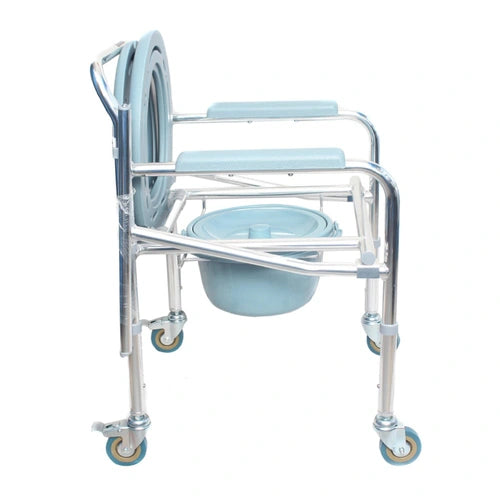
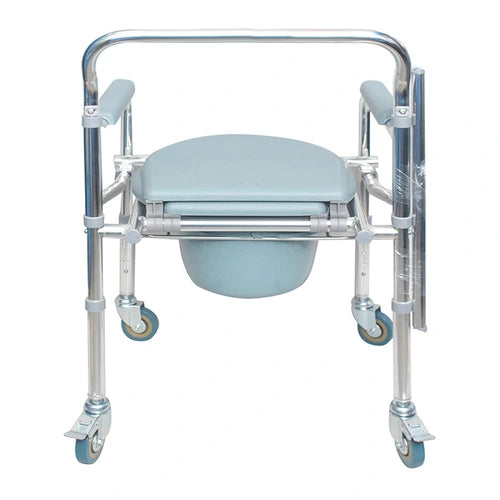
Karma Rainbow 11 Foldable Aluminum Commode Chair
Collection:
Toilet Chairs: Comfort and Accessibility Solutions
For many, a simple task like using the bathroom can become a daily source of anxiety. If the challenge of getting on and off a low toilet has become a concern for you or a loved one, you are not alone. This is an incredibly common issue, and the good news is that simple, effective solutions exist to restore safety and independence.That feeling of uncertainty when searching for a solution, however, is also common. You might hear vague terms like "toilet chair" or "commode" but feel unsure what they mean or which one is right. This general confusion is precisely why a dedicated toilet aid can be a difficult purchase. Many people delay finding a solution, not because of the problem, but because of the overwhelming number of choices.
This guide is designed to clear up that confusion by breaking down the three main types of solutions. While often grouped together, a raised toilet seat (which adds height), a toilet safety frame (which adds supportive arms), and a bedside commode (a portable, standalone toilet) each serve a very different purpose. Understanding their unique functions is the key to choosing the correct one.
Our goal is to give you the confidence to make the right decision. By the end of this guide, you will understand what separates these options, which questions to ask before you buy, and how to choose the perfect fit for your specific needs.
The 3 Main Types of Toilet Aids: A Quick Visual Guide
When you hear the term "toilet chair," it can mean a few different things, making it hard to know where to start. The three most common solutions solve different problems, from adding height to providing full portability. Understanding the basic job of each one is the first step toward choosing the right aid for your family.

The simplest solution is the Raised Toilet Seat (sometimes called a toilet riser ), which acts like a booster seat for your toilet bowl, making it taller. Next is the Toilet Safety Frame , which provides a set of sturdy handles around the toilet to help a person push up to a standing position safely. Finally, the Bedside Commode is a complete, portable commode chair with a built-in bucket, designed to be used in a bedroom or any other room.
Each of these designs serves a distinct purpose. If the main challenge is simply bending down due to stiff knees or recent hip surgery, a raised seat might be enough. If the issue is more about balance or strength when standing up, a safety frame offers crucial support. And for situations where the journey to the bathroom itself is the biggest hurdle, a bedside commode provides safety and convenience right where it's needed most.
Solution 1: For a Simple Boost---The Raised Toilet Seat
Getting up from a very low couch can be a strain on your knees and hips, and the same is true for a standard toilet. Most toilets are just 15 to 17 inches high, forcing you into a deep squat that can be painful, difficult, or even unsafe if you have stiff joints or limited mobility. The primary challenge, in this case, isn't a lack of strength but rather the sheer distance you have to travel to sit down and stand back up.
A raised toilet seat tackles this problem head-on. By attaching directly to your toilet bowl, this simple device adds 3 to 5 inches of height, instantly transforming a low toilet into one that's much more accessible. Think of it this way: less bending means less pressure on your joints. This makes it a popular post surgery toilet aid, especially after hip or knee procedures where bending past a certain angle is discouraged by doctors. It eases the strain and helps maintain independence during recovery.
But how do you know if just adding height is enough for you? Here's a quick way to check. Find a comfortable kitchen or dining room chair---one that you can get in and out of with relative ease. That height is likely your sweet spot.
While adding height is a game-changer for many, it doesn't address challenges with balance or the need for arm support. If the main issue is feeling unsteady or lacking the upper body strength to push off, a raised seat alone might not be sufficient.
Solution 2: For Stability and Support---The Toilet Safety Frame
While a raised seat solves the "height" problem, what if your challenge is more about balance or strength? Pushing yourself up requires a surprising amount of power, and feeling unsteady can turn a simple bathroom trip into a source of anxiety. This is precisely where a toilet safety frame shines, shifting the focus from adding height to providing reliable support.
A safety frame is essentially a set of sturdy handles that either attach directly to your toilet or stand independently around it. Think of them as the armrests of your favorite living room chair, placed exactly where you need them most. Instead of relying solely on leg strength, you can use your arms and shoulders to push up, giving you the leverage needed to stand safely and with confidence. You might wonder how this differs from permanent grab bars installed on the wall. The key advantage of a toilet aid like a safety frame is its simplicity and flexibility. There's no need for drills or finding studs in the wall; most frames are assembled and positioned in minutes, making them ideal for renters or for temporary needs. Because they aren't bolted into the wall, they are designed specifically to support the upward push of standing up.
So, if your main struggle is a lack of strength to push yourself up from a seated position, a safety frame is likely the right choice. It directly addresses the need for secure handholds and leverage. But what if the issue isn't just the toilet itself, but the journey to get there, especially in the middle of the night? For that, an even more versatile solution may be needed.
Solution 3: For Nighttime or Roomside Use---The Bedside Commode
What happens when the biggest risk isn't the toilet, but the journey to get there? For many, waking up in the middle of the night and navigating a dark hallway to the bathroom is a major source of fall risk. This is where a bedside commode offers a powerful and immediate solution.
At its core, a bedside commode (sometimes called a bedside toilet chair) is a portable, standalone toilet. It's a sturdy chair with a toilet seat and a frame that can be placed right next to a bed, in the living room, or wherever it's most convenient. Instead of requiring a person to walk all the way to the bathroom, it brings the toilet to them, drastically shortening a potentially hazardous trip and providing peace of mind throughout the night.
The key to its function is a simple but effective design. Underneath the seat rests a removable pail or bucket, complete with a lid to contain odors and make cleanup straightforward. Most commodes also come with a splash guard, which is a funnel-like piece used in place of the pail. This component is essential if you want to use the commode frame directly over your existing toilet.
By providing a safe and accessible option right in the room, the bedside commode directly tackles the danger of nighttime falls, fatigue, and urgency. It's an invaluable tool for anyone who finds the walk to the bathroom challenging, whether due to weakness, balance issues, or recovery from an operation. But its utility doesn't stop at being just a portable toilet; many of these chairs are designed for incredible versatility.
The Ultimate All-in-One: What is a 3-in-1 Commode?
The most versatile design is the 3-in-1 commode. It's the Swiss Army knife of toilet aids and is often the most practical and economical choice for many families. Instead of forcing you to choose between a bedside commode, a safety frame, or a raised seat, this single piece of equipment can function as all three, adapting as your needs change over time.
The secret is its simple, modular design. A 3-in-1 commode chair can be used in three distinct ways:
- 1. As a Bedside Commode: With the pail and lid inserted, it's a convenient and safe standalone toilet for use in a bedroom or living area, perfect for nighttime.
- 2. As a Toilet Safety Frame: By removing the pail, you can place the entire frame directly over your standard toilet. The sturdy armrests provide crucial support for sitting down and standing up.
- 3. As a Raised Toilet Seat: In this same over-the-toilet position, the commode's seat adds several inches of height, reducing the distance a person has to bend and effectively acting as a raised seat with built-in arm support.

This versatility makes it an excellent investment. For instance, a person might rely on it as a bedside commode immediately after surgery, then, as they regain strength, transition to using the same device over the main toilet for support. This solves the bedside commode vs raised toilet seat dilemma by providing both. You get the right support for today and the flexibility for whatever tomorrow brings, all in one purchase.
Because of this adaptability, if you're ever uncertain about which type of aid will be best, a 3-in-1 commode is almost always the safest and most cost-effective starting point. However, no matter which type you choose, its most critical feature for safety is how well it fits the user.
Key Feature 1: Why Adjustable Height is Non-Negotiable for Safety
Beyond all other features, getting the height right is the single most important factor for ensuring safety and independence. An improperly sized commode can create new hazards instead of solving old ones. The goal for safe seating is simple: the person's feet should rest flat on the floor while their thighs remain roughly parallel to the ground. This position creates a stable base, making it much easier and safer to sit down and, more importantly, stand back up.
Think of it like a dining chair. If a chair is too high, your feet dangle, creating an unsteady feeling and a risk of sliding off. If it's too low, you have to use significant muscle strength to push yourself up, which can strain weak joints and increase the risk of a fall. A toilet aid that is too low defeats its own purpose, while one that's too high is a serious stability risk.
So, how do you find the perfect height? Here's a simple trick. Have the person who will be using the chair sit in a standard dining room chair where their feet are flat on the floor. Then, measure the distance from the floor to the back of their knee or thigh. This number is your target seat height. Look for a commode with an adjustable range that includes your measurement. The benefits of an adjustable height commode are clear: it guarantees a custom, secure fit.
Key Feature 2: Choosing the Right Armrests for Comfort and Transfers
After you've determined the correct height, the armrests are the next most important feature. They provide the stable leverage needed to sit down and stand up safely. Most commodes come with fixed, hard plastic armrests that are durable and easy to clean. However, a couple of key variations can make a world of difference depending on the user's needs.
For anyone who uses a wheelchair, one feature is absolutely essential: the drop-arm . A drop-arm commode has one or both armrests designed to pivot down and out of the way. This creates a clear, unobstructed path for a person to perform a lateral transfer---the act of sliding sideways from their wheelchair seat directly onto the commode. Without this feature, transferring from a wheelchair becomes extremely difficult and unsafe. This single detail can be the deciding factor for maintaining independence in the bathroom.

Beyond transfers, the material of the armrests affects daily comfort. While easy-to-clean plastic is practical, especially on the best shower commode chair models, it can be hard on sensitive skin or bony elbows. If the user relies heavily on their arms to push themselves up, a commode with a padded seat and back---and padded armrests---can significantly reduce discomfort. The soft padding helps distribute pressure and provides a warmer, more comfortable grip.
Key Feature 3: Understanding Weight Capacity (Standard vs. Bariatric)
Beyond height and armrests, the single most important safety specification for any commode is its weight capacity. This number, determined by the manufacturer, is a non-negotiable measure of the chair's strength and stability. Standard commodes are typically rated to safely support between 250 to 350 pounds. This capacity is sufficient for many users, but it's crucial to confirm this number before purchasing, as underestimating a user's needs can lead to equipment failure and serious injury.
For individuals who require greater support and stability, manufacturers offer bariatric models. A heavy duty bariatric commode is specifically engineered with a reinforced frame, often a steel toilet chair design, to handle significantly more weight---usually starting at 500 pounds and going up to 1,000 pounds. These models, a key category of Durable Medical Equipment (DME), also feature a wider seat and a more generous space between the armrests. This isn't just for a higher weight capacity; it provides a more comfortable and less restrictive fit for larger-framed individuals.
When choosing a commode, the rule is simple: always check the listed weight capacity and build in a margin of safety. Select a model that is rated to support at least 20 to 50 pounds more than the user's current weight. This buffer accounts for the added force exerted when a person sits down.
Key Feature 4: Materials and Portability (Steel vs. Aluminum)
The material a commode is made from directly affects its durability and how easy it is to handle. Most frames are constructed from either steel or aluminum, and each has distinct advantages. A steel toilet chair provides the ultimate in strength and stability, which is why it's the standard for heavy-duty bariatric models. While incredibly durable, steel is also heavy, making these chairs better suited for a permanent spot in a room rather than for frequent moving. For most standard-capacity needs, aluminum offers a fantastic balance of strength and lightweight convenience.
This choice has a direct impact on the chair's portability. If you or a loved one will need to move the commode between the bedroom and bathroom, or even take it on trips, a lighter aluminum frame is the ideal choice. Many aluminum models are designed as a foldable toilet chair , collapsing down for easy storage or transport. Some are even marketed as a portable commode for camping, highlighting just how mobile they can be. For users who need maximum stability and won't be moving the chair, the heft of a steel frame provides an extra sense of security.
Regardless of whether you choose steel or aluminum, pay close attention to the tips of the legs. They must be capped with wide, non-slip rubber feet. This is a critical safety feature that prevents the chair from sliding on slick bathroom floors, especially when wet. Hard plastic feet can easily slip on tile or vinyl, but soft rubber grips the surface, ensuring the commode stays firmly in place when you sit down and stand up.
How to Use a Bedside Commode Safely and Hygienically
Using a commode chair properly is about more than just convenience; it's about ensuring safety and maintaining dignity. Whether it's for yourself or a loved one, a few simple steps can make the experience far more secure and less stressful. The key is to create a consistent routine, starting with a quick safety check before every use.
This pre-use check is crucial and only takes a moment.
- Even Legs: Ensure all four leg extensions are locked securely into the same height setting.
- No Wobbling: Give the chair a gentle push. It should feel solid and not rock back and forth.
- Stable Surface: The commode must be on a flat, level floor, with a clear path to it from the bed.
- Locked Wheels: If the model has wheels, make sure they are locked so the chair cannot roll.
Proper placement is just as important as the chair's stability. For nighttime use, position the commode right next to the bed on the side the person normally gets out. Make sure there's enough room for them to turn and sit down comfortably, and if a caregiver is assisting, leave space for them to stand and help without tripping.
One of the biggest concerns people have is how to manage the waste bucket hygienically. A simple but effective trick is to pour about an inch of water into the clean, empty bucket before use. This prevents waste from sticking to the bottom, making it much easier to empty and clean. For an even cleaner solution, consider using disposable commode liners . These are essentially durable bags that fit inside the bucket, often containing a special gelling powder that turns liquid waste into a solid, odor-free gel.
After use, the bucket should be emptied into the toilet as soon as possible. The liner can be tied up and disposed of in the trash, making the entire process quicker and more discreet. Once the bucket is empty, the next step is to ensure the commode chair is thoroughly cleaned.
How to Clean and Sanitize a Commode Chair Properly
After emptying the bucket, a consistent cleaning routine is the key to preventing odors and ensuring a hygienic environment. Understanding how to clean and sanitize a commode isn't complicated; it's a simple two-part process. First, you clean away any visible mess, and second, you disinfect to kill invisible germs that can cause illness. This second step is especially critical when the user has a compromised immune system.
To do the job right, it helps to have a dedicated cleaning kit ready. This avoids having to search for supplies and makes the task quicker. You'll want to have:
- Disposable gloves
- Disinfectant wipes or a hospital-grade spray
- Paper towels or a dedicated cleaning cloth
- A toilet brush used only for the commode bucket
With your supplies handy, cleaning the bucket is a straightforward, three-step task. First, rinse the bucket with water in the toilet bowl. Second, spray the inside with disinfectant and scrub thoroughly with your dedicated brush. Finally, rinse it one last time in the toilet and dry it completely with paper towels before placing it back in the commode chair.
Don't forget the rest of the chair! Germs can easily transfer to the frame, seat, and armrests. Use disinfectant wipes or spray to wipe down every surface the person touches.While the bucket needs cleaning after every use, a full wipe-down of the frame can be done daily or every few days, unless a spill occurs. This simple habit maintains safety, dignity, and peace of mind.
Your Decision Checklist: 5 Questions to Ask Before You Buy
With so many options, picking the right one can feel overwhelming. The key is to shift the focus from the products themselves to the specific person who will be using them. Instead of getting lost in features, ask yourself a few simple questions. This decision checklist will help you clarify your needs and confidently determine how to choose a commode or toilet aid that's just right.
Answering these questions will help you zero in on the perfect solution, whether you're debating a bedside commode vs raised toilet seat or need specific safety features.
- What is the main problem to solve? If the toilet is just too low, a simple raised toilet seat may be enough. If the person needs sturdy handles to push up from, a toilet safety frame is key. If walking to the bathroom at night is the issue, a bedside commode is the best choice.
- Where will it be used? Will it stay in the bathroom over the toilet, or does it need to function as a portable toilet in the bedroom? A versatile 3-in-1 commode can do both jobs.
- How will the person get on and off? If they can stand and pivot, standard armrests are fine. If they need to slide from a wheelchair, a model with drop-arms that swing out of the way is essential for a safe transfer.
- What is the user's height and weight? Look for a chair with adjustable height to ensure their feet can rest flat on the floor for stability. Always check the weight capacity to guarantee the frame is strong enough for safe use.
- Will it need to be moved or stored? If you need to travel with it or store it away for guests, look for a lightweight aluminum or a foldable model. Heavier steel frames offer more stability but are harder to move.
Does Medicare Cover Commode Chairs? A Simple Explanation
It's a common and important question that many families face: does Medicare cover commode chairs? The short answer is yes, often it does. However, coverage through Medicare Part B depends on a few key requirements, as these items must be deemed essential for your health, not just for convenience.
To be covered, a commode must be classified as Durable Medical Equipment (DME). Because a commode serves a distinct medical purpose and is built for repeated use, it typically falls into this category. Equipment like a simple raised toilet seat, however, is often not covered as it's considered a "convenience item."
This is where the concept of "medical necessity" becomes critical. For Medicare to help pay for the commode, a doctor must determine that a person's medical condition makes them unable to safely reach or use a standard toilet. For example, if someone is confined to their bed or a single room, a bedside commode is no longer a convenience---it's a necessity. This judgment must be documented in a formal prescription from the doctor.
Therefore, your first and most important step is to speak with the doctor. Discuss the mobility challenges and ask if a commode is medically necessary. If they agree, they will write a prescription, which is the key to unlocking potential coverage from Medicare. With that official order in hand, you can then find a medical equipment supplier that accepts Medicare to get the right chair.
A Safer Bathroom: More Than Just a Chair
The world of toilet aids no longer needs to be confusing. You can now look at a raised seat, a safety frame, or a commode and know exactly who it's for and how it helps. You've replaced uncertainty with the confidence to select the right tool, making an informed decision that directly supports safety and dignity.
Think of the toilet chair as the cornerstone of an effective fall prevention strategy. Once you've addressed toilet safety, you can apply this same deliberate approach to the rest of the space. Look next at adding non-slip mats for secure footing and installing sturdy grab bars near the shower and toilet to provide reliable support throughout the room.
Ultimately, these changes transform the bathroom from a source of anxiety into a space of security. The goal is not just to prevent a fall, but to foster the independence and peace of mind that make a home feel like a sanctuary. You now have the knowledge to create that environment, one thoughtful and empowering choice at a time.
Q&A
Question: How should I set up and position a bedside commode for safe nighttime use?
Short answer: Place it on the side of the bed the person normally exits, with a clear, well-lit path and enough room to turn and sit. Do a quick pre-use safety check every time: confirm all four legs are at the same locked height, the chair doesn’t wobble, the floor is flat, and any wheels are locked. Adjust seat height so feet rest flat and thighs are roughly parallel to the floor. If a caregiver assists, leave space for them to stand safely without tripping.
Question: How do I use a 3‑in‑1 commode over the toilet without the bucket?
Short answer: Remove the pail and insert the splash guard (the funnel-like piece) into the seat opening. Position the frame over your existing toilet, then adjust the legs so the seat height fits the user and all rubber feet sit flat and stable. In this setup, the commode acts as both a raised toilet seat and a safety frame, providing added height plus sturdy arm support.
Question: When are drop‑arms necessary, and what armrest options improve comfort?
Short answer: Drop‑arms are essential for wheelchair users who perform lateral transfers—lowering an armrest creates a clear sideways path from chair to commode. If the user can stand and pivot, standard fixed armrests are typically sufficient. For those who rely heavily on their arms or have sensitive skin, look for padded armrests and a commode with a padded seat/back to reduce pressure and improve grip comfort.
Question: Should I choose a steel or aluminum frame, and how does that affect portability?
Short answer: Steel offers maximum strength and stability (the norm for heavy‑duty/bariatric models) but is heavier and best for a fixed location. Aluminum provides a strong yet lighter frame that’s easier to move, often foldable for storage or travel—ideal if you’ll relocate the chair between rooms or take it on trips. In all cases, make sure the legs have wide, non‑slip rubber feet for secure traction on bathroom floors.
Question: What’s the best way to manage the bucket hygienically and control odors?
Short answer: Before use, pour about an inch of water into the clean bucket to prevent sticking, or use disposable commode liners with gelling powder to solidify liquids and contain odors. Empty the bucket into the toilet promptly; tie and discard liners in the trash. For cleaning, wear gloves and follow a two‑step routine: rinse, then disinfect and scrub the bucket with a dedicated brush, rinse again, and dry completely. Wipe down the seat, armrests, and frame with disinfectant daily (or after any spill) to maintain hygiene and reduce infection risk.