
Filter
6 products
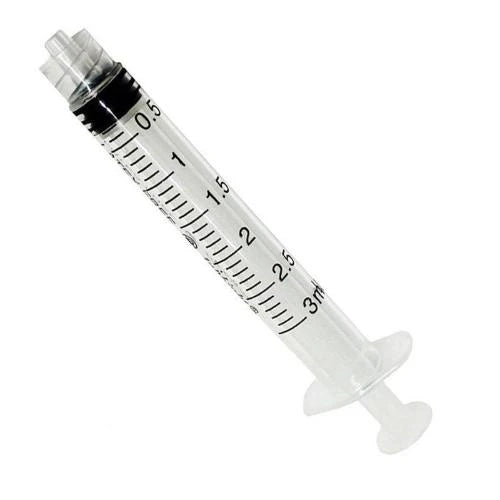
Type: Nursing
BD Syringe 3ml Luer Lock (Pack of 100)


Type: Instruments
Ear Syringe SS Delux Quality
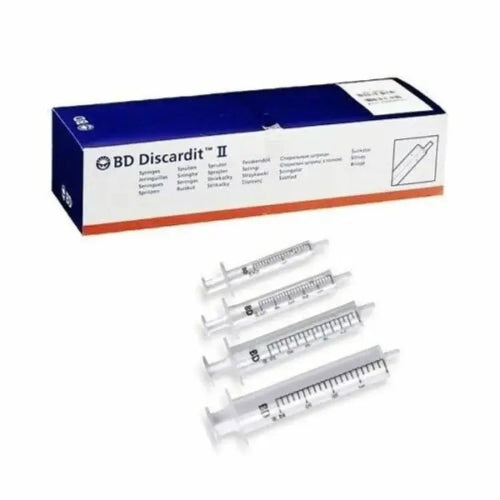
Type: Nursing
BD Discardit II Syringe 20ml (Pack of 80)
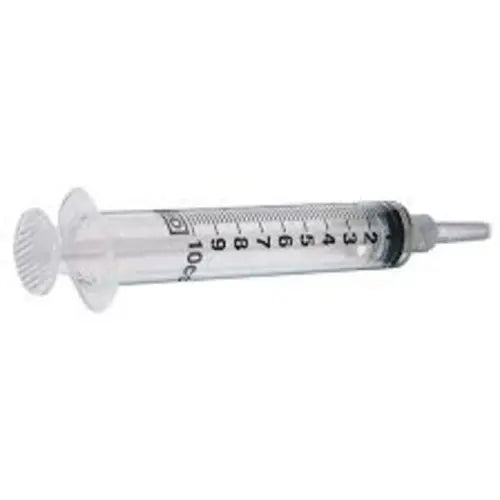
Type: Nursing
BD Luer-Lock Syringe 10ml (Pack of 100)
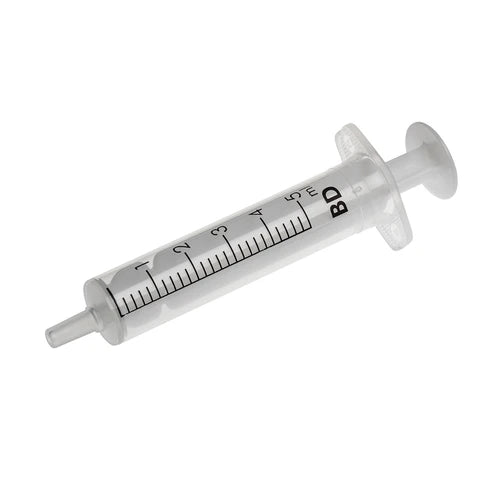
Type: Nursing
BD Discardit II Syringe 5ml (Pack of 100)
Type: Instruments
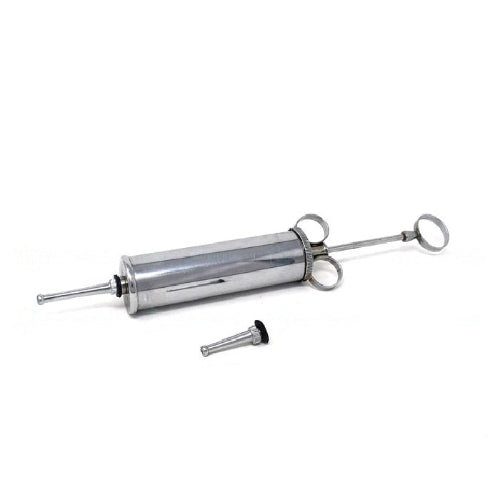
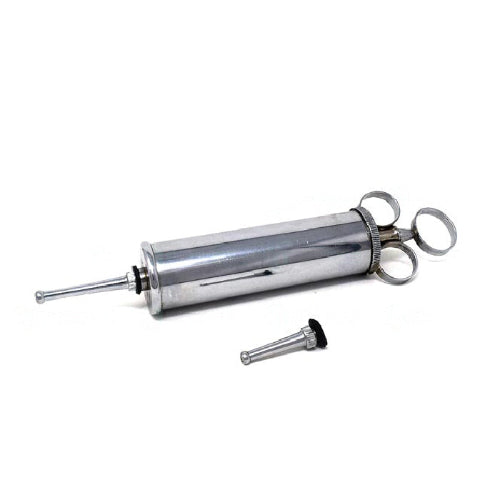
Ear Syringe SS Metal
Collection:
Toomey Syringe: Uses, Types, Bladder Wash Role, and Complete Buying Guide
Introduction: Why the Toomey Syringe Is Still So Important
The Toomey syringe remains one of the most practical and recognizable irrigation syringes used in hospitals, clinics, urology care, and bedside nursing procedures. Even though it is a simple device compared with many advanced instruments, it continues to play a very important role in irrigation-related workflows where controlled fluid delivery or aspiration is required. It is especially relevant in catheter-associated care, bladder irrigation-related settings, and other procedural situations where a syringe with a wide irrigation-oriented tip makes more sense than a standard medication syringe.
Many people search terms such as bladder wash syringe name, tumi syringe, and toomey syringe because they hear the device name in practical ward language before they fully understand its formal use. In some nursing and clinical settings, a Toomey syringe is almost automatically associated with bladder wash or catheter irrigation. That association is so strong that many users informally treat the two ideas as the same. While the syringe is not limited to bladder-related work alone, bladder irrigation is one of the most recognized use areas for it.
Current product pages from major medical suppliers describe the Toomey syringe as an irrigation syringe, often around 60 or 70 cc/mL in capacity, with a catheter-oriented or Toomey-style tip and piston design that supports irrigation use. This practical market positioning explains why it is still so frequently chosen in hospital supply chains.
This article explains what a Toomey syringe is, why it is sometimes called a bladder wash syringe, how it differs from standard syringes, what its common uses are, what “tumi syringe” usually refers to, and how doctors, nurses, hospitals, and procurement teams should evaluate the right product for real clinical use.
Hospitals & Wards
Useful for catheter-related irrigation, bedside procedural support, and controlled fluid handling.
Urology & Bladder Care
Commonly associated with bladder wash, catheter irrigation, and post-procedure fluid management.
Nursing & Clinical Training
Important for understanding the difference between medication syringes and irrigation syringes.
What Is a Toomey Syringe?
A Toomey syringe is a large-volume irrigation syringe designed for controlled fluid instillation or aspiration in clinical settings. It is different from a standard medication syringe because it is built more for irrigation-related functions than for precise injection dosing. Current supplier descriptions commonly show it as a sterile, disposable irrigation syringe with a Toomey or catheter-oriented tip and a larger barrel, often around 60–70 cc or mL.
The design of a Toomey syringe usually includes a broad barrel, a piston-style plunger movement, and a tip meant to connect more appropriately with catheter or irrigation setups rather than fine medication-delivery connections. Some current product pages also describe included tip adapters, such as catheter tip and luer tip adapters, which highlights its role as a versatile irrigation device rather than just a generic syringe.
In simple terms, the Toomey syringe is a practical clinical syringe built for washing, flushing, irrigating, or aspirating rather than conventional needle-based medication injection.
Simple Meaning
A Toomey syringe is a large irrigation syringe used for flushing or washing procedures, especially where catheter-related fluid handling is needed.
Why Is It Called a Bladder Wash Syringe?
The phrase bladder wash syringe name very often leads to the answer Toomey syringe because one of the best-known uses of this syringe is bladder irrigation or bladder wash-related care. In practical hospital and nursing language, when a clinician asks for a bladder wash syringe, they often mean a Toomey syringe because it has the right volume and tip style for such work.
This does not mean the Toomey syringe is only for bladder irrigation. But bladder wash is one of the most recognizable clinical situations where the device is used. The wide irrigation-oriented format makes it much more suitable than a smaller medication syringe for introducing or withdrawing irrigation fluid in a catheter-based setup.
That is why the two names often become linked in everyday practice: Toomey syringe as the formal product name, and bladder wash syringe as the use-based name.
Urology Association
The Toomey syringe is strongly associated with bladder irrigation and catheter washing workflows.
Irrigation Design
Its larger barrel and irrigation-friendly tip suit flushing-related bedside procedures.
Ward Familiarity
Many nursing and hospital teams recognize it immediately as a bladder wash syringe type.
Broader Utility
Although linked with bladder wash, it can support other irrigation and aspiration tasks too.
Toomey Syringe vs Standard Syringe
A Toomey syringe is different from a standard medication syringe in both purpose and construction. A standard syringe is usually intended for medication preparation, dosing, and injection-related use. A Toomey syringe, by contrast, is built for irrigation-oriented tasks where volume, flow, and compatibility with catheter-style connections matter more than injection precision.
Current supplier listings illustrate this well. Cardinal Health’s Monoject pages specifically separate Toomey syringes as “for irrigation,” while their regular luer-compatible syringe families are presented more generally for medication and fluid preparation or female-luer device connections.
The Toomey syringe often has:
- A larger capacity such as 60–70 cc/mL
- A wider irrigation-oriented tip
- A piston-style plunger feel
- More suitability for flushing, washing, and aspiration tasks
This makes it more procedure-specific than a general injection syringe.
| Syringe Type | Main Purpose | Typical Tip Logic | Usual Use Style |
|---|---|---|---|
| Toomey Syringe | Irrigation and washing | Toomey / catheter-oriented | Bladder wash, catheter irrigation, flushing |
| Standard Luer Syringe | Medication and fluid handling | Luer or luer-lock | Injection, medication prep, conventional clinical use |
| Catheter Tip Syringe | General flushing and catheter-style connections | Catheter tip | Irrigation and larger-bore connection use |
Common Uses of the Toomey Syringe
The most common use associated with the Toomey syringe is bladder irrigation. However, its practical use is broader than that. The syringe is chosen in situations where a clinician needs to instill or withdraw fluid in a controlled way through a wider-bore or catheter-oriented connection.
Typical use categories include:
- Bladder wash or bladder irrigation support
- Urinary catheter flushing in selected clinical contexts
- General irrigation tasks requiring a larger syringe volume
- Controlled aspiration of fluid through suitable setups
- Procedure tray support where an irrigation syringe is required
Current Medline and Cardinal Health supplier listings reinforce this irrigation-focused identity by describing the Toomey format specifically for irrigation and showing large-volume sterile disposable options.
Use Principle
The Toomey syringe is most useful where irrigation, flushing, or controlled fluid movement is needed — not where small precise drug dosing is the goal.
Toomey Syringe in Bladder Irrigation and Catheter Care
In urology and urinary catheter care, the Toomey syringe is especially valued because of its practical compatibility with irrigation workflows. Bladder irrigation may be needed in selected post-procedure, blockage-related, clot-related, or catheter-maintenance situations depending on clinical judgment. In such workflows, the syringe’s broad capacity and irrigation-friendly connection style are far more appropriate than a standard fine-tip syringe.
This is also why the term bladder wash syringe name so often leads back to the Toomey syringe. In practical settings, the device is part of a bedside or urology tray where fluid needs to be moved in a controlled and clinically useful volume.
It is important to keep the focus on professional context. Bladder irrigation is a clinical procedure, so the Toomey syringe should be understood as a hospital or trained-care instrument rather than a casual home-use item.
Clinical Context Reminder
A Toomey syringe is a procedure-use device. Its best-known role in bladder wash and catheter irrigation belongs within trained clinical care rather than casual self-use.
What Does “Tumi Syringe” Usually Mean?
The phrase tumi syringe is usually just a spelling variation, pronunciation-based typing, or informal transcription of Toomey syringe. In practical search behavior, users often type phonetically, especially when they know the device by sound from ward conversation rather than by exact spelling.
So if someone searches “tumi syringe,” they are almost always referring to the same irrigation syringe family as “Toomey syringe.” The meaning does not change. Only the typing style does.
This is an important clarification for procurement, retail, and education contexts because it prevents buyers from assuming these are two different devices.
Current Product Characteristics in the Market
Current supplier and product pages show several features that define the market identity of the Toomey syringe. Medline currently lists a sterile disposable 70 cc Toomey irrigation syringe with a thumb ring and contro-piston design, along with a catheter tip adapter and luer tip adapter. Cardinal Health’s Monoject pages describe Toomey syringes as irrigation syringes and separate them from standard luer-based syringe families.
This means current market positioning strongly emphasizes:
- Sterile single-use design
- Larger 60–70 cc / mL capacity range
- Toomey or catheter-oriented tip logic
- Irrigation rather than injection role
- Procedure support in hospital or clinical environments
These are the features buyers should care about more than brand label alone.
Large Capacity
Often sold around 60–70 cc/mL, making it useful for irrigation-related tasks.
Toomey / Catheter Tip Logic
Designed for irrigation-style connections rather than only medication-style luer applications.
Single-Use Sterile Format
Commonly supplied as a sterile disposable item for procedure readiness and hygiene control.
Procedure-Oriented Build
The piston and barrel design support practical flushing and aspiration work.
How Hospitals and Clinics Should Choose a Toomey Syringe
Hospitals and clinics should choose a Toomey syringe according to actual irrigation workflow rather than simply ordering the cheapest large syringe available. The most important buying factors usually include tip compatibility, sterile packaging, single-use format, barrel volume, plunger handling, and whether the product fits the institution’s urology or bedside procedure needs.
Good procurement questions usually include:
- Is the syringe truly intended for irrigation use?
- Does it have the correct Toomey or catheter-oriented tip compatibility?
- Is the capacity appropriate for the facility’s standard workflow?
- Is it sterile and single-use as required by protocol?
- Does the plunger design support practical bedside handling?
In other words, the right Toomey syringe is the one that fits the clinical setup, not just the one with a familiar name.
How Nurses and Students Should Understand the Toomey Syringe
For nursing students and junior clinical staff, the Toomey syringe is an important learning device because it helps distinguish between different syringe categories. Many learners begin by thinking all syringes are basically the same with different sizes. The Toomey syringe teaches that syringe selection depends heavily on the procedure.
A medication syringe, a luer-lock syringe, a catheter tip syringe, and a Toomey syringe each reflect different practical needs. Once the student understands that the Toomey syringe is designed for irrigation-related work, the logic becomes clearer: larger volume, broader functional tip, and procedure-oriented use.
That is why this device remains a good teaching point in urology, nursing procedures, and bedside care education.
Learning Shortcut
If the procedure is about washing, flushing, or irrigation rather than drug injection, the Toomey syringe category makes far more sense than a standard medication syringe.
Frequently Asked Questions
What is a Toomey syringe?
A Toomey syringe is a large-volume irrigation syringe used for flushing, washing, and aspiration-related clinical tasks.
What is the bladder wash syringe name?
In many clinical settings, the bladder wash syringe is commonly referred to as a Toomey syringe because it is widely used for bladder irrigation-related workflows.
Is Tumi syringe the same as Toomey syringe?
Yes. “Tumi syringe” is usually just a spelling or pronunciation variation of “Toomey syringe.”
What is a Toomey syringe used for?
It is used for irrigation, flushing, and controlled fluid instillation or aspiration, especially in catheter-related or bladder wash settings.
How is a Toomey syringe different from a standard syringe?
A Toomey syringe is designed for irrigation-related tasks, has a larger capacity, and uses a tip style better suited to catheter or flushing workflows than a standard medication syringe.
What size is a Toomey syringe usually?
Current supplier pages commonly show Toomey irrigation syringes around 60–70 cc or mL in capacity.
Is a Toomey syringe used for medication injection?
It is mainly an irrigation syringe, not a standard fine-dose medication injection syringe.
Why do hospitals prefer a Toomey syringe for bladder irrigation?
Because its larger barrel and irrigation-oriented tip make it more practical for washing and catheter-related fluid movement than a standard small syringe.
Conclusion
The Toomey syringe remains an essential irrigation instrument because it solves a specific clinical need extremely well. Whether it is referred to by its formal name, called a bladder wash syringe, or searched phonetically as a tumi syringe, its role stays the same: controlled irrigation and fluid handling in procedure-based care. For hospitals, nurses, urology teams, and procurement professionals, the best understanding of the Toomey syringe comes from seeing it not as “just another syringe,” but as a dedicated clinical tool built for washing, flushing, and irrigation support.