


Type: Surgical
Cautery Machine for Minor Surgical Procedures



Type: 3 para monitor
3 Para Patient Monitor Bedside with 1 Year Warranty

Type: Personal Protective Gear
C Arm Cover ETO Sterile Disposable
Type: Instruments
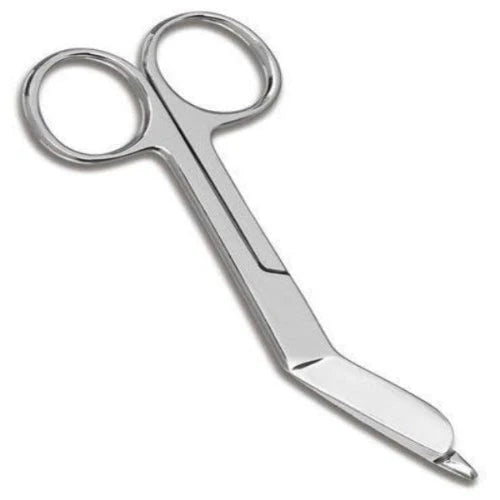
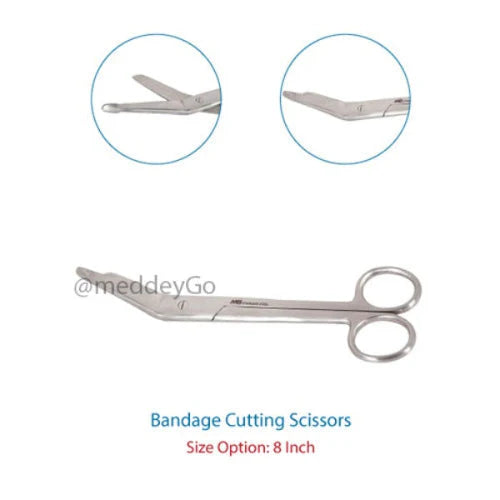
Bandage and Plaster Cutting Scissor 7.5 Inch
Type: Instruments
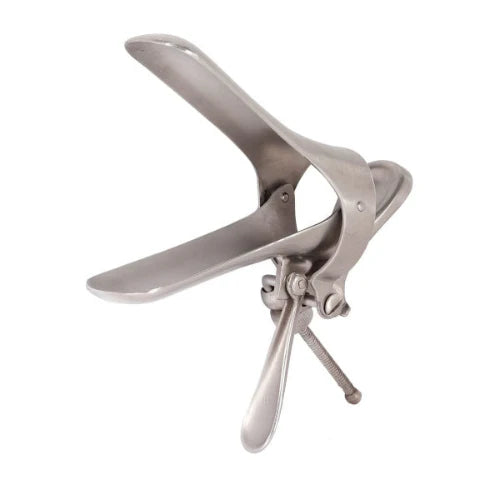
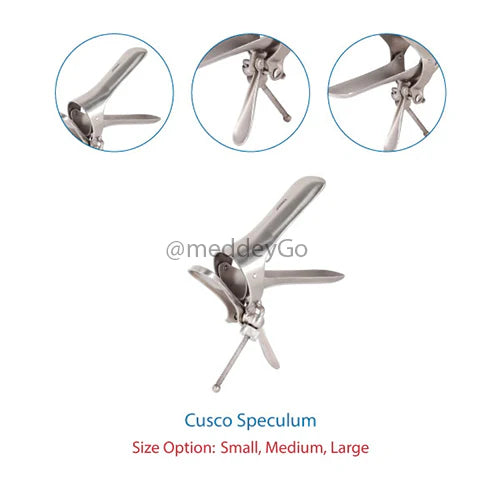
Cusco Speculum Delux Quality

Type: General
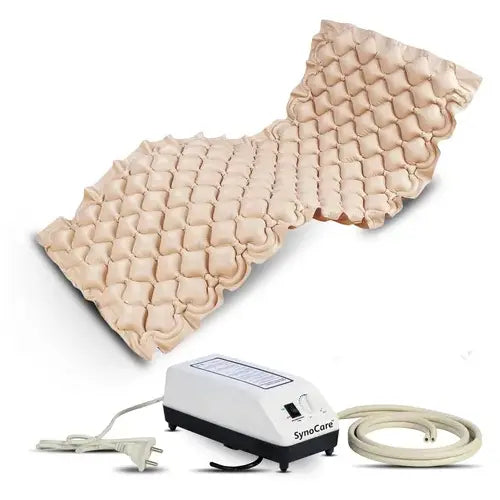
Anti Bedsore Bubble Air Mattress Portable - ROHS Compliant
Type: Surgical
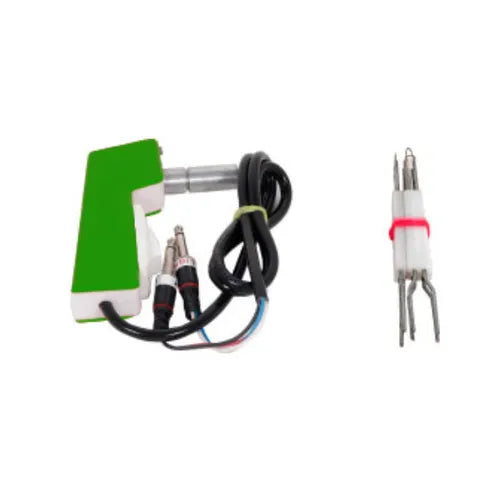
Electro Surgical Cautery Machine Accessories


Type: Electric Sterlizers
Electric Sterlizer 16 Inch for Surgical and Examination Instruments
Type: Gloves
Powder Free Surgical Gloves Sterile

Type: Nonwovens
Medansh Disposable Surgical Gown Delux Sterile with Indicator


Type: Anesthesia
Ambu Bag Silicone Premium Quality

Type: Surgical Accessories
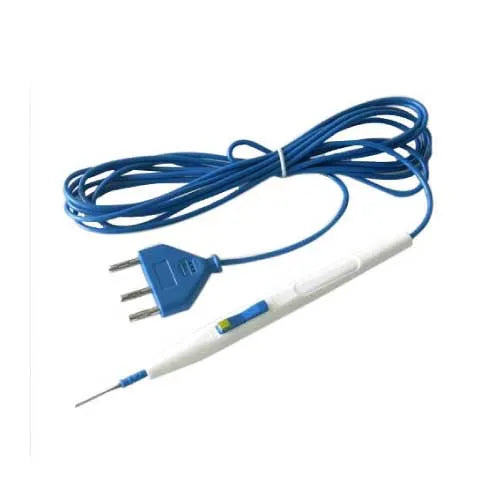
Disposable Cautery Pencil 3 PIN Connector
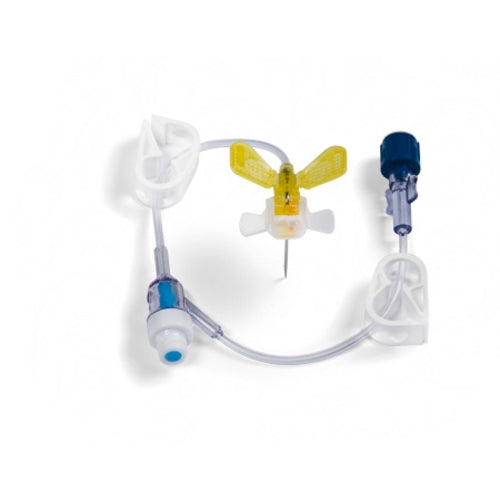
Type: Nursing
BARD Winged Infusion Set
Collection:
Understanding Different Types of Surgical Procedures
Hearing the words "you need surgery" can be overwhelming. Your mind likely jumps to images of long hospital stays and large scars, but modern medicine is often far less intimidating. The first step in turning fear into a feeling of control is understanding the different types of surgical procedures available today.
At its core, most surgery falls into one of two main approaches: traditional open surgery , which uses a single, larger incision to give the surgeon a direct view, and minimally invasive surgery---what some call "keyhole surgery"---where a surgeon operates using a tiny camera and specialized instruments passed through a few very small punctures.
The choice of technique directly impacts everything from post-operative pain and scarring to how quickly you can return to daily life. Learning the language your doctor uses is crucial when preparing for surgery, empowering you to ask smarter questions and feel more like an active partner in your own care.
Summary
This guide explains the main surgical approaches—open surgery and minimally invasive options (laparoscopic, endoscopic, and robotic-assisted)—and how they affect pain, scarring, and recovery. It outlines when open surgery is preferred, how techniques like laparoscopy (including insufflation) and endoscopy work, and clarifies who decides the safest approach. You’ll also learn how surgeries are timed (elective, urgent, emergency), whether they’re diagnostic or therapeutic, what anesthesia options exist, and the basics of common instruments. Finally, it shows how recovery varies by method and offers key questions to help you partner confidently with your surgical team.
The Two Main 'Roadmaps' for Surgery: Open vs. Minimally Invasive
When you picture a surgical operation, you likely imagine what doctors call open surgery. This is the traditional approach, where a surgeon makes a single, larger incision to directly see and work on the area of concern. For generations, this was the only way to perform most procedures, giving surgeons a clear, hands-on view.
In contrast, minimally invasive surgery (MIS) takes a completely different route. Instead of one large opening, the surgeon makes a few small ones. Through one of these "ports," they insert a tiny camera that sends a magnified view to a video monitor. Through the other ports, they use long, thin instruments to perform the operation. This approach often results in smaller scars, less pain, and a quicker return to normal activities.
The decision between these two approaches isn't about choosing between "old" and "new." It's a careful medical choice made by your surgeon based on your specific condition, your overall health, and the nature of the procedure itself. The goal is always to select the safest and most effective path for the best possible outcome.
When is Traditional 'Open' Surgery the Right Choice?
With all the advantages of minimally invasive techniques, you might wonder why a surgeon would ever choose the traditional open approach. The answer is simple: to provide the safest and most effective treatment for a specific situation. Sometimes, the clearest path to success is through a direct, unobstructed view, which is often the case during major emergencies, complex cancer removals, or extensive heart surgeries.
An open approach gives the surgeon two powerful advantages: a wide, direct field of vision and the ability to use their hands to feel the tissues. This sense of touch provides vital information about an organ's texture or a tumor's exact boundaries. This method is the established gold standard for many procedures, chosen specifically because it offers the surgeon the most control, which is essential for reducing surgical risks.
Because it involves a larger incision through skin and muscle, the recovery from open surgery is naturally longer and almost always requires an inpatient hospital stay. Your body has more healing to do, so you can expect a slower, more gradual return to your daily activities. Choosing open surgery is a deliberate decision made to give you the most thorough and safest operation possible.
The 'Keyhole' Revolution: What Minimally Invasive Surgery Means for You
The goal of minimally invasive surgery (MIS) is to fix a problem with the least possible disruption to your body. Instead of creating a large incision, a surgeon makes a few small punctures, often no larger than a dime. Through one opening, they insert a tiny high-definition camera, which projects a magnified view onto a monitor. Through the others, they use long, thin instruments to perform the operation.
This modern approach offers several clear advantages for patients. The benefits of minimally invasive surgery directly translate to a better recovery experience:
- Less post-operative pain: Smaller incisions mean less damage to skin and muscle tissue.
- Smaller, less noticeable scars: Instead of one long scar, you're left with a few tiny marks that often fade significantly.
- Faster return to normal activities: With less healing to do, most patients can get back to their lives, jobs, and hobbies much sooner.
These benefits have made MIS the standard for many common outpatient surgical procedures , such as gallbladder removal and hernia repair. Whether performed with handheld tools (laparoscopic surgery ) or with the aid of a surgeon-controlled console (robotic surgery), the result is often a shorter hospital stay---or even returning home the same day.
Laparoscopy Explained: How Surgeons Operate in Your Abdomen Through Tiny Incisions
The key to this "keyhole" technique is a remarkable piece of technology called a laparoscope. This thin, tube-like instrument, containing a powerful light and a tiny high-definition camera, is inserted through one of the small incisions. It sends a magnified, detailed view of the surgical area to a monitor, allowing the surgeon to see your organs with incredible clarity.
To use these tools effectively, surgeons need a clear, unobstructed space to work. Before the procedure begins, they gently inflate the abdomen with a small amount of carbon dioxide gas. This process, known as insufflation, safely lifts the abdominal wall away from the organs below, like pitching a tent. This step is essential for giving the surgeon the room and visibility needed to operate precisely. After the surgery, the gas is released.
This combination of a clear camera view and an open workspace has made laparoscopic surgery the preferred method for many common abdominal procedures, including gallbladder removal, appendix removal, and hernia repair.

Endoscopy: The 'No-Incision' Approach to Investigation and Treatment
While laparoscopy dramatically shrinks incisions, some procedures can be done without any external cuts at all. This is achieved by using the body's own natural pathways, like the mouth or rectum, as an entry point. The tool for the job is an endoscope---a long, thin, flexible tube equipped with its own light and camera. A surgeon carefully guides this instrument to investigate or treat issues deep inside the body, eliminating the need for skin incisions.
Perhaps the most familiar example is a colonoscopy. Initially, this is a diagnostic procedure, meaning its goal is to find a problem, such as a polyp. But these tools are more than just cameras. If a surgeon finds a polyp, they can often pass tiny instruments through a channel in the endoscope to remove it on the spot. At that moment, the procedure becomes therapeutic---it has shifted from simply looking for a problem to actively fixing it.
This "no-incision" method is a powerful form of endoscopic surgery, with growing applications for problems in the stomach, esophagus, and other internal areas. For even greater precision in both endoscopic and laparoscopic surgery, many surgeons now use a new kind of partner in the operating room.
Is a Robot Really Operating on Me? Demystifying Robotic-Assisted Surgery
That "new partner" is a surgical robot, but let's be clear: the robot is never acting on its own. Your surgeon is in complete control 100% of the time, guiding every movement from a high-tech surgeon console nearby. It is an incredibly precise tool that enhances the surgeon's natural abilities.
Robotic-assisted surgery is best understood as a highly advanced form of laparoscopic surgery. Instead of watching on a flat 2D monitor, the surgeon looks into the console and sees a magnified, high-definition, 3D view. This immersive vision restores the depth perception that is lost in standard laparoscopic procedures.
Beyond the enhanced view, the technology acts as a powerful link between the surgeon's hands and the instruments. It intelligently filters out natural hand tremors, ensuring the tool's tip remains perfectly steady. Furthermore, the robotic instruments have tiny "wrists" that can bend and rotate far more than a human wrist, allowing for extremely delicate movements in tight spaces.
This remarkable control makes the robotic approach particularly beneficial for complex procedures in confined areas, like certain prostate or gynecological surgeries.

Why Your Surgery is Scheduled: Understanding Elective, Urgent, and Emergency Procedures
The timing of an operation depends on its medical urgency. Surgeons classify procedures into three categories that signal how quickly the operation needs to happen: elective, urgent, and emergency.
Many procedures fall under the heading of elective surgery. This term can be misleading; it does not mean the surgery is optional or unimportant, but rather that it is not an immediate emergency and can be scheduled in advance. This allows you and your doctor to "elect" a time that works best. Common examples include a knee replacement for chronic pain or a hernia repair, providing a crucial window to prepare.
In contrast, urgent and emergency surgeries operate on a much faster clock. An urgent procedure must happen within a day or two to prevent a condition from worsening, like removing an infected gallbladder. An emergency surgery is for immediate, life-threatening situations where every minute counts, such as repairing an aortic aneurysm or addressing major trauma.
What's the Goal? Diagnostic vs. Therapeutic Surgery
Beyond its urgency, every operation has a fundamental mission. Most surgical procedures are therapeutic, meaning their purpose is to treat a known medical issue. Repairing a torn ligament or removing a problematic gallbladder are classic examples.
Sometimes, however, a surgeon's primary goal isn't to fix something, but to figure out what is wrong. This is known as diagnostic surgery . The most common example is a biopsy, where the surgeon removes a small piece of tissue for laboratory analysis. A biopsy isn't the treatment itself; it's a critical information-gathering step that guides future medical decisions.
Interestingly, the line between diagnostic and therapeutic surgery can blur. A surgeon might begin a procedure to investigate pain (diagnostic), only to discover an obstruction they can remove on the spot (therapeutic). Once the goal is set, the next step involves making you comfortable and pain-free.
The Role of Anesthesia: What Happens Before the First Incision?
Before any surgery begins, the priority is ensuring you feel no pain. This is the crucial role of anesthesia. Your anesthesiologist will work with your surgeon to select the safest and most effective method for you and your specific procedure.
The three main categories are designed to match the scale of the procedure:
- General Anesthesia: You are put into a state of controlled unconsciousness. You will have no awareness or memory of the surgery. This is used for major operations like heart surgery.
- Regional Anesthesia: This method numbs a large section of your body, such as from the waist down, while you may remain awake or lightly sedated. An epidural is a common example.
- Local Anesthesia: Only a small, specific area of the body is numbed. You are fully awake. This is common for minor procedures like getting stitches.
Choosing the most appropriate, least invasive option is a key part of reducing surgical risks and ensuring a smoother recovery. With pain safely managed, the surgical team can focus on the task at hand.
A Look Inside the Surgeon's Toolkit: Demystifying Common Surgical Instruments
The image of a tray filled with gleaming steel instruments can be intimidating. However, nearly all surgical instruments are designed to perform one of three basic jobs: cutting, grasping, or retracting (holding tissue out of the way). Think of it as a highly specialized kit where every item has a clear purpose.
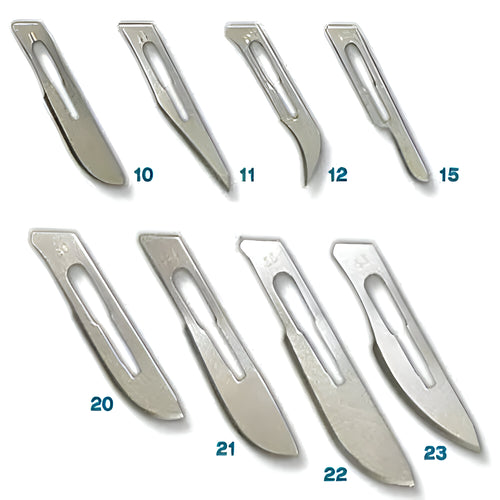
Of all the tools, the most recognizable is the scalpel , a small, sharp blade for making clean, precise incisions. Alongside scalpels, specialized surgical scissors are used for carefully cutting tissue. To hold tissue steady, surgeons use forceps, which are essentially very precise, sterile tweezers.
Other instruments, known as retractors, are used to gently hold layers of tissue apart, giving the surgeon a clear view. Every instrument on the tray is chosen to help the surgical team work carefully, safely, and efficiently, setting the stage for a smooth recovery.

What to Expect After: How Your Surgical Procedure Type Affects Recovery
The moment you wake up from surgery, the main question is often: "When will I be back on my feet?" The answer depends heavily on the surgical method. Open surgery , with its larger incision, requires cutting through layers of muscle. Minimally invasive surgery, however, uses small punctures that allow tools to slide between muscle fibers. With less muscle disruption, MIS patients typically experience less pain and require shorter hospital stays.
Regardless of the technique, your role in healing is vital. Your surgeon will provide detailed post-operative care instructions ---your personal roadmap to a successful recovery. This guide covers everything from how to care for your surgical dressing to managing pain and knowing when to resume activities.
Following these instructions is the most important thing you can do to prevent complications. Just as medical teams prioritize safety standards, your commitment to your care instructions is essential for your own recovery.
Your Next Step: How to Have a Confident Conversation With Your Surgeon
Not long ago, the word "surgery" might have brought a single, intimidating image to mind. You now see the landscape for what it truly is: a roadmap with different routes, from the traditional "open" approach to "minimally invasive" techniques that use tiny cameras or robotic assistance. This knowledge is your most important tool for turning uncertainty into clarity.
As you prepare for surgery, use these questions as a conversation starter with your doctor:
- Is this procedure planned as open or minimally invasive?
- If it's minimally invasive, will it be laparoscopic or robotic?
- What kind of recovery time should I expect with this specific approach?
- What are the most important post-operative instructions I need to follow?
Asking these questions does more than get you answers about recovery timelines or hospital stays. It fundamentally changes your role from a passive recipient of care to an active participant in your own health journey. By opening this dialogue, you're not just a patient; you're a partner.
Frequently Asked Questions
Question: How do open and minimally invasive surgeries differ, and who decides which approach I get?
Short answer: Open surgery uses a single, larger incision that lets the surgeon directly see and feel the area, while minimally invasive surgery (MIS) uses a few small incisions (or natural body openings) with a camera and long instruments. MIS typically means less pain, smaller scars, and faster recovery. The choice isn't about "old vs. new"---your surgeon recommends the safest, most effective method based on your condition, overall health, and the specific procedure.
Question: If minimally invasive surgery has so many benefits, why would a surgeon still recommend open surgery?
Short answer: Open surgery provides a wide, direct view and allows the surgeon to use their hands to feel tissues---critical advantages in major emergencies, complex cancer operations, or extensive heart surgeries. These situations often demand maximum control and tactile feedback to reduce risk. While recovery is longer due to the larger incision, the open approach is chosen deliberately to deliver the most thorough and safest result for certain cases.
Question: What's the difference between laparoscopy, endoscopy, and robotic-assisted surgery---and is a robot ever operating on its own?
Short answer:
- Laparoscopy: Small incisions in the abdomen are made to insert a camera (laparoscope) and instruments. The abdomen is gently inflated with carbon dioxide (insufflation) to create space, enabling precise work with a magnified view.
- Endoscopy: No external incisions; a flexible camera is guided through natural pathways (like the mouth or rectum) to diagnose or treat issues from the inside.
- Robotic-assisted surgery: An advanced form of laparoscopy where the surgeon controls instruments from a console with a high-definition 3D view, tremor filtration, and wristed tools for fine movements in tight spaces. The robot never acts on its own---the surgeon is in complete control 100% of the time.
Question: What do "elective," "urgent," and "emergency" surgeries mean?
Short answer:
- Elective: Scheduled in advance---not because it's optional, but because it isn't an immediate threat. Examples include knee replacement or hernia repair.
- Urgent: Needs to happen within a day or two to prevent worsening---like removing an infected gallbladder.
- Emergency: Immediate, life-saving operations when every minute counts---such as repairing an aortic aneurysm or treating major trauma.
Question: What's the difference between diagnostic and therapeutic surgery---and can one turn into the other?
Short answer: Diagnostic surgery aims to find answers (for example, a biopsy to analyze tissue), while therapeutic surgery treats a known problem (like removing a troublesome gallbladder). The line can blur: a procedure may start diagnostic and become therapeutic if the surgeon can fix an issue found during the operation---such as removing a polyp discovered during a colonoscopy.
Question: How is minimally invasive surgery actually performed in the abdomen, and what is insufflation?
Short answer: In minimally invasive (laparoscopic) surgery, the surgeon makes a few small punctures to insert a camera (laparoscope) and long, thin instruments. To create a clear working space, the abdomen is gently inflated with carbon dioxide gas---a step called insufflation---which lifts the abdominal wall like a tent. This provides a magnified, detailed view and room to operate precisely. At the end, the gas is released, leaving only small incisions that typically heal faster and with less pain.
Question: What's the difference between laparoscopy and endoscopy, and when might each be used?
Short answer: Laparoscopy uses small external incisions to place a camera and instruments into the abdomen, often for procedures like gallbladder removal or hernia repair. Endoscopy uses natural body openings (such as the mouth or rectum) to guide a flexible camera inside without external cuts, commonly for diagnostic exams like colonoscopy. Both can be therapeutic too---for example, removing a polyp during a colonoscopy---so they're chosen based on the location of the problem and the goal of the procedure.
Question: Does robotic-assisted surgery mean a robot is operating on me?
Short answer: No. In robotic-assisted surgery, your surgeon is in complete control 100% of the time, operating from a console that provides a magnified, high-definition 3D view. The system filters natural hand tremors and uses wristed instruments that allow very fine movements in tight spaces. These features can be especially helpful for complex procedures in confined areas, such as certain prostate or gynecologic surgeries.
Question: How will the type of surgery influence my recovery?
Short answer: Open surgery involves a larger incision through muscle, so recovery is typically longer and usually requires a hospital stay. Minimally invasive surgery uses small punctures that disturb less tissue, often resulting in less pain and a faster return to normal activities. Regardless of approach, following your personalized post-operative instructions---wound care, pain control, and activity guidelines---is critical to prevent complications and support healing.
Question: Who decides whether my surgery is elective, urgent, or emergency, and what do those terms mean?
Short answer: Your surgical team classifies the timing based on medical urgency. Elective surgeries are scheduled ahead---not because they're optional, but because they don't require immediate action (e.g., knee replacement, hernia repair). Urgent surgeries should occur within a day or two to prevent worsening (like an infected gallbladder). Emergency surgeries are immediate, life-saving operations when every minute counts, such as repairing an aortic aneurysm or treating major trauma.
Question: What's the key difference between open and minimally invasive surgery (MIS), and who decides which I get?
Short answer: Open surgery uses one larger incision so the surgeon can directly see and feel the tissues. MIS uses a few small incisions (or natural body openings) with a camera and long instruments, which typically means less pain, smaller scars, and a faster return to daily life. Your surgeon recommends the approach that offers the safest, most effective outcome for your specific condition, overall health, and the procedure being done.
Question: If MIS speeds recovery, why would a surgeon still choose an open operation?
Short answer: Some situations demand the widest, most direct view and the ability to feel tissues by hand---advantages of open surgery. This is common in major emergencies, complex cancer operations, or extensive heart procedures where maximal control helps reduce risk. While recovery is usually longer, open surgery is a deliberate, safety-first choice when it offers the best chance of success.
Question: How do laparoscopy, endoscopy, and robotic-assisted surgery differ---and is a robot ever "operating on its own"?
Short answer: Laparoscopy uses small abdominal incisions to insert a camera (laparoscope) and instruments; the abdomen is gently inflated with carbon dioxide (insufflation) to create space and a clear view. Endoscopy goes through natural openings (like the mouth or rectum) with a flexible camera; it can diagnose problems and often treat them on the spot (for example, removing a polyp). Robotic-assisted surgery is an advanced form of laparoscopy: the surgeon controls wristed instruments from a console with a magnified 3D view and tremor filtration. The robot never acts independently---the surgeon is in complete control 100% of the time.
Question: What do "elective," "urgent," and "emergency" surgeries mean, and who sets the timing? Short answer: These labels describe how quickly an operation should happen. Elective surgeries are planned in advance because they're not immediate threats (e.g., hernia repair, knee replacement). Urgent surgeries should occur within a day or two to prevent worsening (such as an infected gallbladder). Emergency surgeries are immediate, life-saving procedures. Your surgical team determines the timing based on medical urgency.
Question: How will the surgical approach affect my recovery, and what's my role after surgery?
Short answer: Open surgery's larger incision usually means more tissue disruption, more pain, and a longer hospital stay. MIS typically involves small punctures, less pain, and a quicker return to normal activities. Regardless of technique, carefully following your personalized post-operative instructions---wound care, pain management, and activity guidelines---is the most important thing you can do to prevent complications and heal well.
Question: How does the surgical approach (open vs. minimally invasive) affect pain, scarring, and recovery time?
Short answer: Open surgery uses a larger incision, which typically means more tissue disruption, more postoperative pain, larger scars, and a longer hospital stay. Minimally invasive surgery (MIS) uses a few small punctures with a camera and long instruments, so there's less tissue damage, usually less pain, smaller scars, and a faster return to normal activities. Your surgeon chooses the approach that offers the safest, most effective outcome for your specific situation.
Question: Is minimally invasive surgery always an outpatient (same-day) procedure?
Short answer: Not always. MIS often leads to a shorter hospital stay---and many common procedures can be done as same-day outpatient operations---but whether you go home the same day depends on the specific procedure, your overall health, and how you're doing after surgery. Your team will set expectations based on your case.
Question: What exactly is insufflation in laparoscopy, and what happens to the gas afterward?
Short answer: During laparoscopic (minimally invasive) surgery on the abdomen, the surgeon gently inflates the area with carbon dioxide gas---a step called insufflation. This lifts the abdominal wall like a tent, creating space and a clear, magnified view for precise work. When the operation is finished, the gas is released before the small incisions are closed.
Question: How do laparoscopy, endoscopy, and robotic-assisted surgery differ?
Short answer: Laparoscopy uses small external incisions to insert a camera (laparoscope) and instruments into the abdomen, often with insufflation for space. Endoscopy uses natural body openings (like the mouth or rectum) to guide a flexible camera inside without external cuts; it can diagnose---and often treat---issues during the same procedure. Robotic-assisted surgery is an advanced form of laparoscopy in which the surgeon operates from a console with a magnified 3D view; the system filters tremors and uses wristed instruments for fine movements. The robot never acts on its own---the surgeon is in complete control at all times.
Question: Who decides which type of anesthesia I'll receive, and what are the main options?
Short answer: Your anesthesiologist, in collaboration with your surgeon, selects the safest, most appropriate option for your procedure and health. The main categories are: general anesthesia (you're unconscious, used for major operations), regional anesthesia (numbs a larger area such as from the waist down; you may be awake or lightly sedated), and local anesthesia (numbs a small, specific area; you're fully awake, common for minor procedures). Choosing the least invasive effective option helps reduce risk and smooth recovery.
Question: How do open and minimally invasive surgeries differ, and who decides which approach I get? Short answer: Open surgery uses one larger incision so the surgeon can directly see and feel the area, while minimally invasive surgery (MIS) uses a few small incisions—or natural body openings—with a camera and long instruments. MIS often leads to less pain, smaller scars, and a faster return to normal activities. Your surgeon recommends the safest, most effective approach based on your condition, overall health, and the procedure’s goals.
Question: If MIS has advantages, why would a surgeon still recommend open surgery? Short answer: Some situations require the widest, most direct view and the ability to feel tissues by hand—key advantages of open surgery. This is common in major emergencies, complex cancer operations, or extensive heart procedures where maximal control reduces risk. Although recovery is typically longer due to a larger incision, open surgery is a deliberate, safety-first choice when it offers the best chance of success.
Question: What exactly is laparoscopy, and what does “insufflation” mean? Short answer: Laparoscopy is MIS performed through small abdominal incisions. A camera (laparoscope) provides a magnified view, and long, thin instruments do the work. To create safe operating space and visibility, the abdomen is gently inflated with carbon dioxide—a step called insufflation—which “tents” the abdominal wall away from the organs. The gas is released at the end of surgery.
Question: How do endoscopy and laparoscopy differ, and can a diagnostic procedure become therapeutic? Short answer: Laparoscopy enters the abdomen through small external incisions; endoscopy uses natural body pathways (like the mouth or rectum) with a flexible camera and no external cuts. Both can diagnose and treat problems. For example, a colonoscopy may start as diagnostic (looking for polyps) and become therapeutic if a polyp is removed during the same procedure.
Question: Is a robot ever operating on its own in robotic-assisted surgery? Short answer: No. In robotic-assisted surgery, the surgeon is in complete control 100% of the time from a console with a magnified 3D view. The system filters natural hand tremors and uses wristed instruments for precise movements in tight spaces—features that can be especially helpful in complex procedures.
Question: How will the surgical approach affect my recovery, and what’s my role after surgery? Short answer: Open surgery’s larger incision usually means more tissue disruption, more pain, and a longer hospital stay. MIS typically involves small punctures, less pain, and a quicker return to normal activities. Regardless of approach, following your personalized post-operative instructions—wound care, pain control, and activity guidelines—is the most important thing you can do to prevent complications and support healing.