


Type: Modalities
Medansh Mini Ultrasonic Machine With 2 Year Warranty
Type: Modalities
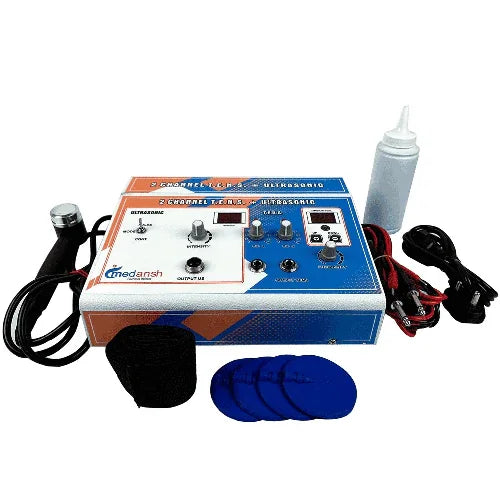
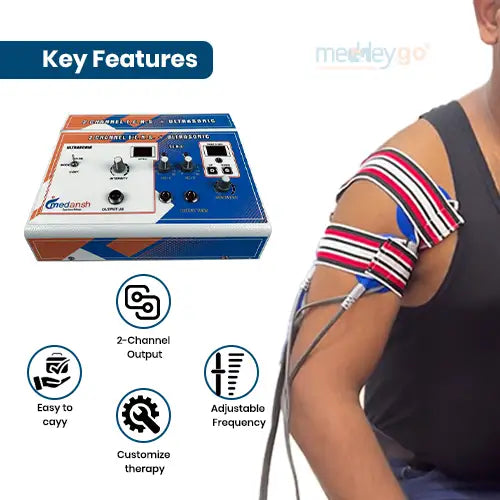
Medansh Ultrasonic TENS Machine 2 Channel 1MHz with 1 year warranty


Type: Modalities
Medansh Delux Digital Ultrasonic Machine with 2 year warranty

Type: Physio Accessories
Ultrasound GeL 5 Ltr Jar Premium Quality


Type: Modalities
TENS 2 channel Combo Machine with Ultrasonic Therapy


Type: Modalities
Medansh TENS Ultrasound Machine 4 Channel with 2 Year Warranty

Type: Ultrasound Gel
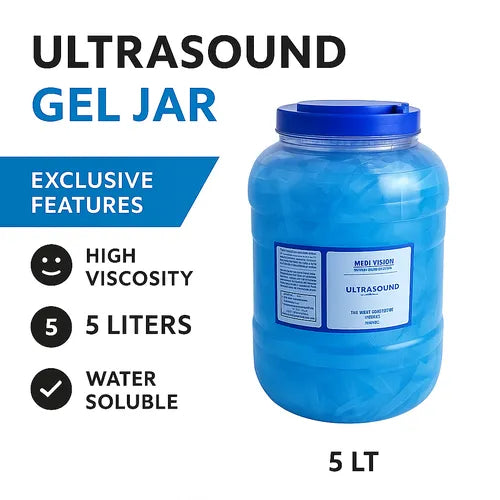
Ultrasound Gel Jar 5L


Type: Medansh
Medansh Portable Digital Ultrasonic Machine with 1year warranty


Type: Modalities
Ultrasonic Physiotherapy Machine 1MHz 3MHz – Medansh


Type: Accessories
Ultrasound Gel 250ml (Pack of 4)


Type: Modalities
Medansh Digital Ultrasonic Therapy Machine for Pain Relief
Type: Modalities
Medansh Delux Digital Ultrasonic Machine with 1 year warranty

Type: Physio Accessories
Ultrasound Gel, 250 ml
Collection:
How Ultrasound Therapy Works in Healing
Ultrasound therapy, a staple in modern physiotherapy, leverages sound waves to promote healing and alleviate pain. This non-invasive treatment harnesses the power of ultrasound waves to stimulate tissue repair and reduce inflammation. But how does it work, and what makes it so effective?
In this article, we will delve into the mechanics of ultrasound therapy, explore its benefits, applications, and limitations, and provide insights into how it can be integrated into healthcare settings effectively.

Ultrasound therapy, also known as therapeutic ultrasound, involves the use of high-frequency sound waves to treat various medical conditions. These sound waves penetrate deep into the tissues, providing a micro-massage that enhances blood flow and promotes the healing process.
What is Therapeutic Ultrasound?
Therapeutic ultrasound is a specialized form of treatment that uses sound waves beyond the range of human hearing. These waves are emitted through a transducer and directed into the body tissues, where they produce various physiological effects. This technique has been used in clinical settings for decades, providing relief for numerous conditions.
The technology behind ultrasound therapy involves converting electrical energy into sound waves. These waves, when applied to the body, create vibrations in the tissues, which in turn generate therapeutic effects. This process not only helps in pain alleviation but also in enhancing the healing capabilities of the body.
Historical Background
The use of ultrasound in medicine dates back to the early 20th century. Initially, it was employed for diagnostic purposes, but the therapeutic applications soon followed. Over the years, advancements in technology have refined the methods and increased the efficacy of ultrasound therapy, making it a cornerstone in physiotherapy.
Historically, ultrasound therapy has evolved from basic sound wave applications to sophisticated techniques that allow for precise targeting of affected areas. This evolution has been driven by continuous research and development, resulting in safer and more effective treatment options for patients.
The Science Behind the Sound Waves
The fundamental principle behind ultrasound therapy is the transmission of sound waves through the skin and into the tissues. These waves cause the tissues to vibrate, generating heat and mechanical energy.
- Thermal Effects: The heat generated by ultrasound waves helps to increase blood flow, relax muscles, and reduce pain. This thermal effect is beneficial in conditions such as muscle spasms and joint stiffness. The warmth produced by the sound waves encourages vasodilation, which enhances nutrient and oxygen delivery to the affected areas, promoting recovery.
- Mechanical Effects: The mechanical energy from ultrasound waves promotes cellular activity and tissue regeneration. This is particularly useful in accelerating the healing of soft tissue injuries. The vibrations induced by the waves aid in breaking down scar tissue and promoting the synthesis of collagen, a crucial protein for tissue repair.
- Cavitation: Ultrasound therapy also induces cavitation, which involves the formation and collapse of tiny bubbles in the tissue fluids. This process enhances cell membrane permeability and improves the exchange of nutrients and waste products, facilitating faster healing. Cavitation helps in softening adhesions and increasing the flexibility of tissues, contributing to overall treatment efficacy.
Applications of Ultrasound Therapy
Ultrasound therapy is a versatile treatment modality with applications in various medical fields. Here are some of the common conditions treated using ultrasound therapy:
1. Musculoskeletal Injuries
Ultrasound therapy is widely used in the treatment of musculoskeletal injuries, including sprains, strains, and tendonitis. It helps reduce inflammation and accelerates tissue repair.
Sprains and Strains
Sprains and strains are common injuries that can benefit significantly from ultrasound therapy. The therapy aids in reducing swelling and improving the range of motion, leading to quicker recovery. By enhancing blood flow to the injured area, ultrasound therapy facilitates the removal of inflammatory mediators, reducing pain and discomfort.
Tendonitis Treatment
Tendonitis, characterized by inflammation of the tendons, can be effectively managed with ultrasound therapy. The treatment helps in breaking down adhesions and promoting tissue repair, reducing recovery time. Regular sessions of ultrasound therapy can help in preventing the recurrence of tendonitis by maintaining the flexibility and strength of tendons.
Joint Health
Joint injuries, such as those affecting the knees, elbows, and shoulders, can also benefit from ultrasound therapy. The therapy reduces stiffness and improves joint mobility, enhancing overall joint function. By targeting deep tissues, ultrasound therapy provides relief from chronic joint pain, making it easier for patients to engage in rehabilitation exercises.
2. Pain Management
For conditions such as arthritis and bursitis, ultrasound therapy provides significant pain relief by enhancing blood circulation and reducing muscle tension.
Arthritis Relief
Arthritis, a condition characterized by joint inflammation, can cause significant pain and discomfort. Ultrasound therapy aids in reducing inflammation and improving joint mobility, providing much-needed relief. The thermal effects of ultrasound therapy help in softening the tissues around the joints, reducing stiffness and pain.
Managing Bursitis
Bursitis, the inflammation of the bursae, can also be managed effectively with ultrasound therapy. The treatment reduces swelling and enhances the healing process, leading to reduced pain. By targeting the inflamed bursae, ultrasound therapy helps in restoring normal function and preventing future flare-ups.
Chronic Pain Conditions
Ultrasound therapy is also beneficial for managing chronic pain conditions, such as fibromyalgia and chronic lower back pain. The therapy provides a non-invasive option for pain relief, reducing the reliance on medication. By addressing the root causes of pain, ultrasound therapy contributes to long-term pain management and improved quality of life.
3. Post-Surgical Recovery
Ultrasound therapy can be an integral part of post-surgical rehabilitation. It aids in reducing scar tissue formation and promoting faster recovery.
Scar Tissue Management
Scar tissue can limit mobility and cause discomfort. Ultrasound therapy helps in breaking down scar tissue and improving tissue elasticity, enhancing recovery outcomes. By promoting collagen remodeling, ultrasound therapy reduces the thickness and visibility of scars, contributing to better cosmetic results.
Reducing Post-Operative Swelling
Post-operative swelling can hinder recovery and increase discomfort. Ultrasound therapy aids in reducing swelling and promoting lymphatic drainage, accelerating the healing process. The therapy's ability to enhance circulation helps in removing excess fluids and reducing inflammation.
Enhancing Rehabilitation
Ultrasound therapy supports rehabilitation by improving tissue flexibility and reducing pain, allowing patients to engage in physical therapy more effectively. The therapy complements other rehabilitation modalities, such as exercise and manual therapy, enhancing overall recovery outcomes.
4. Sports Injuries
Athletes often use ultrasound therapy to recover from injuries such as tennis elbow and runner's knee. The therapy's ability to target deep tissues makes it highly effective for sports-related injuries.
Tennis Elbow Treatment
Tennis elbow, a common overuse injury, can be effectively managed with ultrasound therapy. The treatment reduces inflammation and promotes tissue repair, speeding up recovery. By targeting the affected tendons, ultrasound therapy helps in restoring strength and function to the elbow joint.
Runner's Knee Recovery
Runner's knee, characterized by knee pain, can benefit from ultrasound therapy's targeted approach. The therapy reduces pain and improves joint mobility, facilitating a quicker return to activity. By enhancing the healing of the patellar tendon, ultrasound therapy supports athletes in maintaining their performance levels.
Preventing Re-Injury
Athletes are prone to re-injury, which can be minimized with ultrasound therapy. The treatment strengthens tissues and enhances flexibility, reducing the risk of future injuries. Regular ultrasound therapy sessions contribute to maintaining optimal tissue health, allowing athletes to train and compete with confidence.
The Role of Coupling Media

For ultrasound waves to be effectively transmitted into the body, a coupling medium is used. This is typically a gel applied to the skin, which eliminates air pockets that can reflect ultrasound waves and reduce their effectiveness.
Importance of Gel Application
The application of gel serves as a crucial step in ultrasound therapy, ensuring the efficient transmission of sound waves into the body. Without a proper coupling medium, the effectiveness of the treatment is significantly diminished. The gel acts as a bridge between the ultrasound transducer and the skin, allowing for optimal energy transfer.
Types of Coupling Media
Various types of coupling media are available, each with its unique properties. The most common is the water-based gel, which is non-staining and easy to apply. Other options include oils and lotions, which may be used depending on the treatment area and patient preference. The choice of coupling medium can influence the comfort and effectiveness of the therapy session.
Application Techniques
Proper application techniques are essential for maximizing the benefits of ultrasound therapy. The gel should be applied evenly, covering the entire treatment area. The transducer should be moved continuously to prevent overheating and ensure even distribution of sound waves. Adequate training in application techniques is crucial for healthcare providers to deliver effective and safe treatment.
Treatment Parameters
Intensity and Frequency
The intensity of ultrasound therapy is measured in watts per square centimeter (W/cm²). The frequency, typically ranging from 1 to 3 MHz, determines how deeply the sound waves penetrate the tissue. Higher frequencies target superficial tissues, while lower frequencies reach deeper structures.
Choosing the Right Intensity
Selecting the appropriate intensity is key to achieving the desired therapeutic effects. Higher intensities are used for deeper tissues, while lower intensities are suitable for superficial conditions. The intensity should be adjusted based on the patient's condition and treatment goals, ensuring optimal results.
Frequency Considerations
The frequency of ultrasound therapy influences the depth of penetration. Lower frequencies (1 MHz) are ideal for treating deep-seated conditions, such as hip joint issues, while higher frequencies (3 MHz) are suitable for superficial problems, such as skin conditions. Understanding the relationship between frequency and tissue depth is essential for effective treatment planning.
Customizing Treatment Plans
Each patient is unique, requiring customized treatment plans that consider intensity and frequency. Factors such as the patient's age, overall health, and specific condition should be taken into account when designing a treatment protocol. Tailoring the therapy to individual needs enhances its efficacy and patient satisfaction.
Continuous vs. Pulsed Ultrasound
- Continuous Mode: Delivers a constant stream of ultrasound waves, providing a thermal effect that is useful for chronic conditions.
Benefits of Continuous Mode
Continuous mode is particularly beneficial for chronic conditions, as it provides a steady thermal effect that enhances circulation and tissue relaxation. This mode is suitable for conditions like chronic arthritis and long-standing muscle spasms. The constant delivery of sound waves ensures sustained therapeutic effects, promoting long-term healing.
- Pulsed Mode: Delivers waves intermittently, minimizing heat production and focusing on the mechanical effects, suitable for acute injuries.
Advantages of Pulsed Mode
Pulsed mode is ideal for acute injuries, as it reduces the risk of overheating and focuses on mechanical effects. This mode is effective for treating recent sprains, acute tendonitis, and fresh injuries. By minimizing heat production, pulsed mode prevents additional inflammation and accelerates tissue repair.
Combining Modes for Optimal Outcomes
In some cases, a combination of continuous and pulsed modes may be used to achieve optimal treatment outcomes. This approach allows for the benefits of both thermal and mechanical effects, addressing different aspects of the condition. Skilled practitioners can tailor the treatment mode based on the patient's progress and response to therapy.
Benefits of Ultrasound Therapy
Ultrasound therapy offers numerous benefits, making it a popular choice in rehabilitation and pain management.
- Non-Invasive: A key advantage of ultrasound therapy is its non-invasive nature, reducing the need for medication or surgical interventions.
Reducing Dependency on Medication
Ultrasound therapy provides an alternative to medication, reducing the reliance on painkillers and anti-inflammatory drugs. This non-invasive approach minimizes the risk of side effects associated with long-term medication use. Patients can experience relief without the concerns of drug interactions or dependency.
- Targeted Treatment: The therapy allows precise targeting of affected areas, ensuring maximum efficacy.
Precision in Treatment
The ability to target specific areas is a hallmark of ultrasound therapy, allowing for precise treatment of affected tissues. This targeted approach enhances the effectiveness of the therapy, ensuring that the therapeutic effects are concentrated where they are needed most. Patients benefit from focused treatment, leading to faster and more noticeable improvements.
- Accelerated Healing: By enhancing cellular activity and blood flow, ultrasound therapy accelerates the natural healing process.
Boosting the Body's Healing Mechanisms
Ultrasound therapy stimulates the body's natural healing processes, promoting cell regeneration and tissue repair. The therapy enhances the delivery of nutrients and oxygen to the affected areas, supporting the body's efforts to heal itself. This accelerated healing process translates to shorter recovery times and improved outcomes for patients.
Potential Side Effects and Limitations
While ultrasound therapy is generally safe, it is essential to be aware of its potential side effects and limitations.
Side Effects
Most patients experience minimal side effects. However, incorrect application can lead to burns or tissue damage. It is crucial to ensure that only trained professionals administer the therapy.
Mitigating Risks
To minimize the risk of side effects, proper training and adherence to treatment protocols are essential. Practitioners should be knowledgeable about the correct application techniques and parameters to ensure patient safety. Continuous monitoring during sessions can prevent complications and enhance treatment outcomes.
Addressing Patient Concerns
Patients may have concerns about the potential side effects of ultrasound therapy. Providing clear information and addressing their questions can alleviate anxieties and build trust. Transparency about the safety measures in place can enhance patient confidence and satisfaction with the treatment.
Limitations
Ultrasound therapy may not be suitable for everyone. Patients with certain conditions, such as pacemakers or fractures, should avoid this treatment. Additionally, its effectiveness can vary depending on the condition being treated.
Identifying Contraindications
Identifying contraindications is critical to ensuring patient safety. Practitioners should conduct thorough assessments to determine if a patient is a suitable candidate for ultrasound therapy. Understanding the limitations of the therapy allows for informed decision-making and the selection of appropriate alternative treatments.
Managing Expectations
Setting realistic expectations is important for both patients and practitioners. While ultrasound therapy offers numerous benefits, it is not a cure-all solution. Educating patients about the potential outcomes and limitations of the therapy can prevent disappointment and encourage adherence to the treatment plan.
Integrating Ultrasound Therapy in Healthcare Settings

For hospital administrators, understanding the role and benefits of ultrasound therapy can aid in the effective integration of this technology within healthcare facilities. Here are some considerations:
Equipment Procurement
Investing in high-quality ultrasound therapy machines is crucial. Evaluate the ultrasound therapy machine price against its features and capabilities to ensure value for money.
Assessing Equipment Needs
Healthcare facilities should assess their specific needs and patient demographics when selecting ultrasound therapy equipment. Factors such as the volume of patients, types of conditions treated, and available budget should guide purchasing decisions. Choosing the right equipment ensures optimal utilization and return on investment.
Evaluating Technology Advancements
Staying informed about advancements in ultrasound technology can enhance the effectiveness of treatment options. Investing in state-of-the-art machines with advanced features can improve patient outcomes and streamline treatment processes. Regular equipment updates and maintenance are essential for delivering high-quality care.
Training and Certification
Ensure that healthcare providers are adequately trained and certified to administer ultrasound therapy, maximizing patient safety and treatment efficacy.
Comprehensive Training Programs
Healthcare facilities should implement comprehensive training programs for practitioners administering ultrasound therapy. Training should cover equipment operation, treatment protocols, and patient safety measures. Ongoing education and certification ensure that providers remain up-to-date with best practices and emerging trends.
Promoting Professional Development
Encouraging professional development among healthcare providers fosters a culture of excellence and continuous improvement. Facilities can support staff by offering opportunities for advanced training and certification in ultrasound therapy. This commitment to professional growth enhances the quality of care provided to patients.
Patient Education
Educate patients about the benefits and process of ultrasound therapy to enhance their understanding and compliance.
Informative Consultations
Providing detailed consultations helps patients understand the treatment process, benefits, and potential outcomes of ultrasound therapy. Patients who are well-informed are more likely to adhere to their treatment plans and engage actively in their recovery process. Educating patients empowers them to make informed decisions about their care.
Utilizing Educational Materials
Healthcare facilities can utilize educational materials, such as brochures, videos, and online resources, to supplement patient education efforts. These materials can provide valuable information about ultrasound therapy and reinforce key messages discussed during consultations. Accessible and engaging educational resources contribute to patient satisfaction and compliance.
Conclusion
Ultrasound therapy is a powerful tool in the realm of physiotherapy and rehabilitation. Its ability to promote healing and alleviate pain non-invasively makes it an attractive option for both patients and healthcare providers. By understanding its workings, benefits, and limitations, healthcare professionals can effectively incorporate ultrasound therapy into their treatment protocols, enhancing patient outcomes and optimizing care delivery.
Whether you're a hospital administrator, medical equipment distributor, or healthcare technology consultant, staying informed about advancements in therapeutic ultrasound can position you for success in the evolving healthcare landscape. Embracing this innovative technology can lead to improved patient care, increased efficiency, and a competitive advantage in the healthcare industry.
Q&A
Question: How does therapeutic ultrasound actually promote healing inside the body?
Short answer: Therapeutic ultrasound uses high-frequency sound waves to create three main effects in tissues. Thermal effects gently heat the area, increasing blood flow, relaxing muscles, and easing pain—useful for issues like spasms and stiffness. Mechanical effects stimulate cellular activity and collagen synthesis, helping break down scar tissue and speed soft-tissue repair. Cavitation—the formation and collapse of tiny bubbles in tissue fluid—increases cell membrane permeability, improving nutrient delivery and waste removal. Together, these effects enhance circulation, reduce inflammation, and accelerate tissue regeneration.
Question: How do frequency and intensity settings influence treatment outcomes?
Short answer: Frequency determines depth: 1 MHz targets deeper structures (e.g., hips), while 3 MHz focuses on superficial tissues (e.g., near-surface problems). Intensity (in W/cm²) modulates the strength of the effect—higher intensities are typically used for deeper targets and lower intensities for superficial areas. Effective plans customize both settings to the patient’s condition, age, health status, and goals to optimize penetration, safety, and therapeutic impact.
Question: When should continuous versus pulsed ultrasound be used?
Short answer: Continuous mode delivers a steady stream of waves that primarily produces thermal effects, making it well-suited for chronic conditions such as long-standing arthritis or persistent muscle spasm where tissue warming and circulation are beneficial. Pulsed mode emits waves intermittently, minimizing heat and emphasizing mechanical effects—ideal for acute problems like recent sprains or tendonitis to avoid exacerbating inflammation. Clinicians may combine modes over a course of care to capture both thermal and mechanical benefits as the condition evolves.
Question: Why is coupling gel necessary, and how should it be applied?
Short answer: Air reflects ultrasound, so a coupling medium—most commonly a water-based, non-staining gel—is essential to transmit sound waves efficiently from the transducer into the body. For effective application, the gel should cover the entire treatment area evenly, and the transducer should be kept moving continuously to ensure even energy distribution and prevent overheating. While gels are standard, other media like oils or lotions may be chosen based on the body region and patient comfort.
Question: What are the main risks and limitations of ultrasound therapy? Who should avoid it?
Short answer: Ultrasound therapy is generally safe, but improper use can cause burns or tissue damage—one reason it should be administered by trained professionals who follow evidence-based parameters and monitor patients during sessions. It isn’t appropriate for everyone; for example, patients with certain conditions such as pacemakers or fractures should avoid it. Effectiveness can also vary by diagnosis. Thorough screening for contraindications, clear patient education, and adherence to protocols help minimize risks and set realistic expectations.