
Filter
3 products
Type: Devices
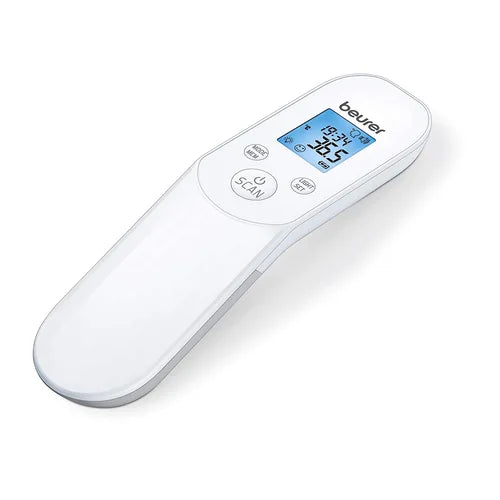
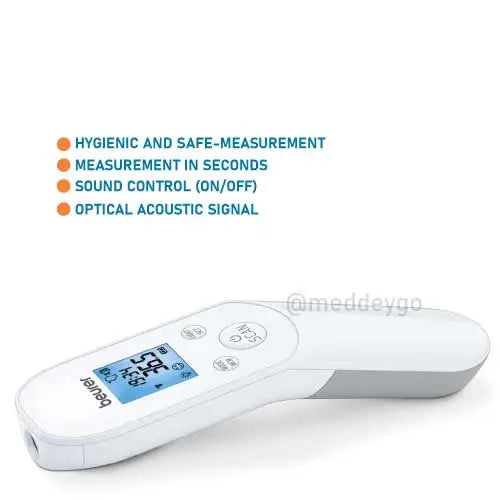
Beurer FT 85 Clinical Non Contact Thermometer


Type: Home Healthcare
Infrared Non Contact Thermometer with 1 year warranty
Type: Home Healthcare
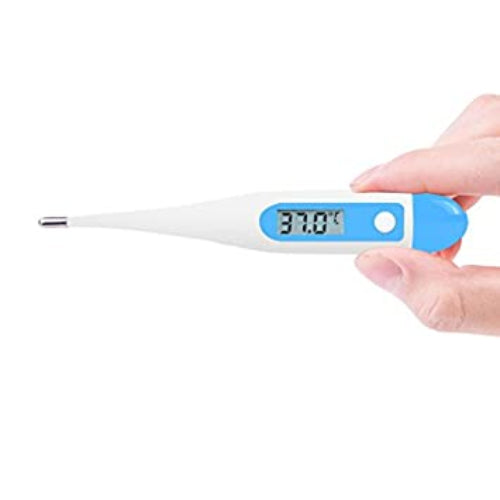
Digital Thermometer Fixed Tip
Collection:
Uses of Thermometer: Guide to 4 Types of Thermometer
In today's health-conscious world, the uses of thermometer technology have expanded far beyond simple fever checks. Whether it is monitoring a child's health, ensuring food safety in the kitchen, or managing complex industrial processes, a thermometer has become one of the most important tools in the modern first aid kit and professional toolkit.
The primary uses of thermometer instruments are to give quick and accurate assessments of body temperature, monitor room environments, and measure body heat during illness. With rapid advancements in infrared and sensor technology, we now have access to 4 types of thermometer models—and many more—designed to meet specific clinical and industrial needs. In this blog, we shall explore the different types available and how each one promotes better health and safety.
What is a Thermometer?
A thermometer is a specialized medical instrument used to measure temperature. It is the frontline tool for identifying fever, managing body temperature, and monitoring environmental conditions in both clinic and home settings. Over time, these devices have evolved from traditional mercury-based tubes to advanced, contactless 4 types of thermometer systems that provide digital precision in seconds.
How to use a digital thermometer:
To ensure accuracy, place the device under the tongue (oral), in the armpit (axillary), or in the rectum (rectal) depending on the patient's age. Simply wait for the electronic beep and read the displayed temperature on the LCD screen.
Why Do We Need a Thermometer?
A thermometer is necessary to track body temperature, especially during infections, post-surgery care, or periods of high fever. It plays an important role in early diagnosis, helping caregivers respond quickly to potential health crises. Just as people compare BP machine prices before buying, choosing the right thermometer based on reliability and comfort is essential.
The 4 Essential Types of Medical Thermometers
1. Digital Thermometer (The Gold Standard)
A digital thermometer is an electronic device used to measure body temperature quickly and accurately. It uses heat sensors to display results on a screen within seconds. Primary Use: Oral, rectal, or armpit measurements in homes and clinics.
2. Electronic Ear (Tympanic) Thermometer
This device measures infrared heat generated from the ear canal. It is incredibly fast and mainly used for kids and infants who may be restless. Primary Use: Pediatric care where speed is essential.
3. Forehead (Infrared) Thermometer
Commonly seen in airports and malls, this is a non-contact device. It is highly hygienic but can be slightly less accurate than internal digital models due to external environmental factors. Primary Use: Mass screening and quick home checks.
4. Pacifier Thermometer
Specifically designed for infants, this measures temperature while the baby sucks on the pacifier. It is convenient for parents but requires the baby to remain relatively still for an accurate reading. Primary Use: Babies over three months old.
Quick Comparison: Medical Thermometer Accuracy
| Type | Accuracy Level | Best For |
|---|---|---|
| Digital | Very High | All ages / Daily home use |
| Infrared Forehead | Moderate | Public screening / Hygiene |
| Tympanic (Ear) | High | Infants and Toddlers |
The Evolution of Glass: From Mercury to Modern Liquid Models
While digital technology dominates, understanding the history and specialized uses of thermometer tools in glass form is essential for both medical history and specific laboratory applications.
1. Mercury Thermometer (The Phased-Out Classic)
A traditional device consisting of a glass tube filled with mercury. While highly accurate, they are now rarely used due to extreme safety concerns. If the glass breaks, it poses a high risk of mercury poisoning and environmental contamination. Consequently, many countries have banned their sale for home use in favor of safer alternatives.
2. Liquid-in-Glass Thermometer
A safer alternative to mercury, these contain colored alcohol or specially designed non-toxic liquids inside a sealed tube. The liquid expands and contracts with temperature changes. These are cost-effective and don’t require batteries, making them reliable for long-term monitoring where power isn't available.
Beyond the Body: Environmental and Laboratory Tools
Temperature monitoring isn't just about human health; it's about the safety of our surroundings and the precision of our science.
Specialized Scientific Models:
- Laboratory Thermometer: Used in scientific and industrial settings to measure temperatures far beyond the human body's range, such as boiling and freezing points of chemicals.
- Plastic Strip Thermometer: A simple strip that changes color on the forehead. While convenient, it only provides an approximate indication and is considered unreliable for precise medical diagnosis.
- Bimetallic Strip Thermometer: Consists of two different metals bonded together. It is widely used in HVAC systems and ovens because it is durable and does not require a digital display to function.
Why Do We Need a Variety of Thermometers?
The uses of thermometer variations exist because "one size does not fit all." For instance, a forehead thermometer is perfect for rapid screening in a mall, but a digital thermometer is required for a precise medical reading during an illness. Understanding the 4 types of thermometer standards helps in making timely medical decisions, similar to how clinicians rely on accurate BP machine price comparisons to equip their clinics effectively.
Quick Facts: Non-Medical Thermometers
| Thermometer Type | Primary Environment | Safety Status |
|---|---|---|
| Mercury | Historic Clinics | ⚠️ High Risk (Toxic) |
| Laboratory | Research Labs | Safe for Lab Use |
| Bimetallic | HVAC / Ovens | Very Durable |
Precision Engineering: Industrial & Professional Thermometers
In professional and industrial sectors, the uses of thermometer technology extend to measuring extreme heat or cold where standard digital sensors would fail. These devices are built for durability, speed, and scientific-grade precision.
1. Thermocouple Thermometer
A thermocouple measures temperature using two different metals joined at one end. This junction produces a small voltage that changes based on the heat level. Primary Use: Extremely versatile, they are used in high-temperature industrial applications, such as kilns, gas turbine exhausts, and scientific research.
2. Pyrometer Thermometer
The pyrometer is a remote-sensing thermometer that measures temperature from a distance based on the thermal radiation emitted by an object. Unlike standard infrared thermometers, pyrometers are designed for intense heat. Primary Use: Measuring moving objects or extremely hot surfaces (exceeding 2000°C) in metal foundries and glass manufacturing.
3. Platinum Resistance Thermometer (PRT)
These use a fine platinum wire whose electrical resistance changes predictably with temperature. While they respond slower than thermocouples, they are significantly more stable and accurate. Primary Use: Laboratory calibration and high-precision industrial processes.
Cooking Safety: The Role of the Probe Thermometer
Food safety relies heavily on reaching specific internal temperatures to kill harmful bacteria. This is where the probe thermometer becomes an essential kitchen tool.
Key Features of Probe Thermometers:
- Pointed Sensors: Features a sharp metal probe to measure the internal temperature of meats, poultry, and baked goods.
- Fixed vs. Wired: Available as handheld "instant-read" units or wired probes that stay in the oven during the cooking process.
- Accuracy: Essential for professional chefs and food safety inspectors to prevent foodborne illnesses.
Quick Guide: Industrial Thermometer Applications
| Type | Temp Range | Key Advantage |
|---|---|---|
| Thermocouple | -200°C to 1800°C | Fast response time |
| Pyrometer | Up to 3000°C+ | Non-contact for extreme heat |
| Probe | -50°C to 300°C | Sanitary internal measuring |
A Tool for Every Environment: Summary of Uses
As we have explored, the uses of thermometer instruments are vast and varied. While the core technology remains centered on measuring thermal energy, the application defines the device:
- Health Monitoring: Using a digital thermometer to check for fever is the first step in diagnosing infections. By placing it orally, rectally, or under the arm, you get a reliable reading that informs medical decisions.
- Cooking Safety: Food thermometers ensure that poultry and meats reach safe internal temperatures, effectively preventing foodborne illnesses.
- Industrial Precision: Tools like thermocouples and pyrometers allow for the safe monitoring of high-heat machinery and chemical reactions.
Understanding Thermometer Price & Value
When looking to buy, you will notice that thermometer prices vary based on type, sensor accuracy, and specialized features. A basic digital thermometer is highly affordable for every household, whereas professional infrared pyrometers or laboratory-grade platinum resistance thermometers are significant investments. Much like comparing BP machine prices, it is important to choose a thermometer that offers the best balance of reliability and ease of use for your specific needs.
Frequently Asked Questions (FAQ)
1. Which of the 4 types of thermometer is most accurate for babies?
For infants, rectal readings with a digital thermometer are considered the most accurate. However, for quick screening, tympanic (ear) or forehead infrared models are widely preferred by parents for their speed.
2. Can I use a forehead thermometer for cooking?
No. Medical infrared thermometers are calibrated for human skin temperature (approx. 30°C to 45°C). For cooking, you need a probe thermometer designed for much higher ranges.
3. Why is the mercury thermometer being banned?
Mercury is a potent neurotoxin. If a glass thermometer breaks, the mercury vaporizes and can cause serious health issues and environmental damage. Modern digital alternatives are safer and equally accurate.
4. How do I clean my digital thermometer?
Clean the tip with 70% isopropyl alcohol before and after every use. Never submerge the entire electronic device in water unless it is explicitly labeled as waterproof.
5. Does room temperature affect infrared thermometer readings?
Yes. If you move a forehead thermometer from a cold room to a warm one, let it acclimate for 15-20 minutes for the most accurate result.
Why Choose MeddeyGo.com for Your Health Tools?
At MeddeyGo.com, we believe that accurate health data is the foundation of wellness. Whether you are looking for the best thermometer price or professional-grade diagnostic equipment, we offer:
- ✅ Certified Accuracy: All our thermometers are tested for clinical reliability and safety standards.
- ✅ Wide Selection: From non-contact infrared models to high-speed digital sensors, we cater to homes and hospitals alike.
- ✅ Expert Guidance: Our platform helps you understand the uses of thermometer types so you make the right choice the first time.
Conclusion
From the kitchen to the clinic, the uses of thermometer technology are fundamental to modern life. By understanding the different 4 types of thermometer standards and their specialized industrial counterparts, you can better protect your family's health and ensure safety in your professional environment. Stay informed, stay accurate, and stay healthy.