


Type: Anesthesia
VentiFlex Sodalime for Ventilator CO2 Color Change

Type: Anesthesia
Pediatric Test Lung for Ventilator Calibration & Hospital Use
Type: MeddeyGo
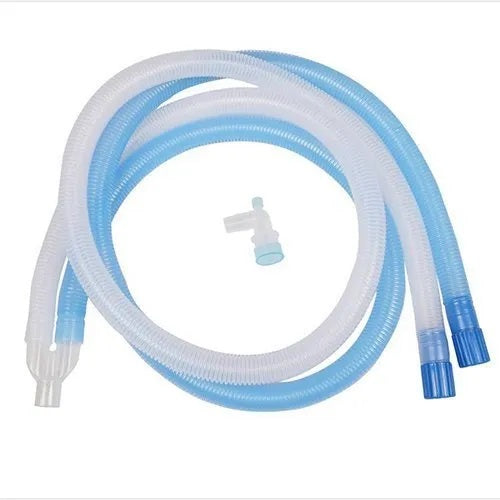
Ventilator Disposable Double Water trap Circuit
Type: Anesthesia
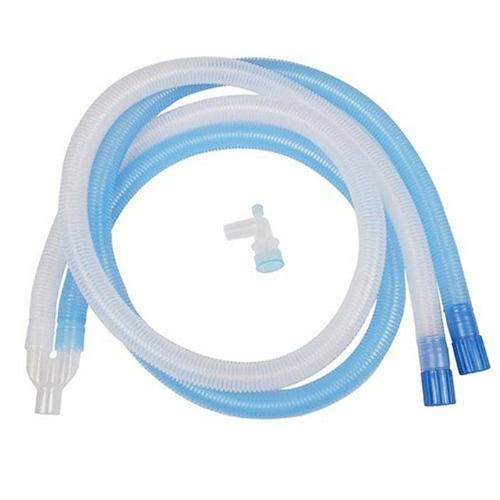
VentiFlex Ventilator Circuit Plain Dual Limb Adult


Type: General
Ventilator Circuit Plain Delux


Type: Anesthesia
T Connectors for Anesthesia Circuits


Type: Anesthesia
Neonatal Test Lung for Hospital Use

Type: Anesthesia
Ventilator Tubing with Double Water Trap Breathing Circuit


Type: Anesthesia
Single Heated Wire Circuit without Chamber (Pack of 2)


Type: Operating Room
Advanced Anesthesia Workstation for OT & ICU Use
Collection:
Understanding Different Types of Ventilators

A ventilator is a medical device designed to assist or replace spontaneous breathing by delivering air into a patient's lungs. It is commonly used in intensive care units (ICU) for patients experiencing respiratory failure, providing life-saving support by ensuring adequate oxygenation and carbon dioxide removal. Ventilators can be classified into different types based on their mode of operation and application.
Importance of Ventilators in Healthcare
Ventilators are indispensable tools in healthcare, especially in critical care settings. They ensure that patients who are unable to breathe adequately on their own receive the necessary oxygen. This is crucial not only for maintaining life but also for preventing further complications associated with inadequate oxygenation, such as organ failure. In emergency scenarios, ventilators can be the difference between life and death, underscoring their importance in modern medical practice.
Historical Evolution of Ventilators
The concept of mechanical ventilation dates back to the early 20th century with the development of the iron lung, which was primarily used during the polio epidemics. Over the decades, advancements in technology have led to the development of more sophisticated and efficient ventilators. Today's ventilators are equipped with advanced features that allow for precise control of breathing parameters, enhancing patient safety and comfort.
Ventilators in Pandemic Situations
The COVID-19 pandemic highlighted the critical role of ventilators in managing severe respiratory illnesses. During the pandemic, ventilators were in high demand worldwide, emphasizing their importance in treating patients with acute respiratory distress syndrome (ARDS) caused by the virus. This situation also brought to light the need for adequate ventilator production and distribution to meet global healthcare demands.
How Does a Ventilator Function?
The primary function of a ventilator is to facilitate breathing by pushing air, often with increased oxygen content, into the lungs. It regulates the flow of air and controls the timing and volume of breaths, allowing the lungs to expand and contract efficiently. Ventilators can be adjusted to provide varying levels of support, depending on the patient's condition and the type of ventilator used.
Mechanisms of Air Delivery
Ventilators deliver air to patients through different mechanisms, such as volume-controlled, pressure-controlled, and dual-controlled modes. In volume-controlled ventilation, a preset volume of air is delivered with each breath, while pressure-controlled ventilation ensures that air is delivered until a preset pressure is reached. Dual-controlled modes combine features of both, optimizing patient comfort and safety.
Monitoring and Adjustments
Modern ventilators are equipped with sophisticated monitoring systems that track various parameters, including tidal volume, respiratory rate, and oxygen saturation. These systems enable healthcare professionals to make real-time adjustments to the ventilator settings, ensuring that the patient's respiratory needs are met effectively. Such adjustments are crucial for minimizing potential complications and enhancing patient outcomes.
Patient-Ventilator Synchrony
Achieving synchrony between the patient's natural breathing efforts and the ventilator's support is essential for effective ventilation. Poor synchrony can lead to discomfort, increased work of breathing, and potential lung injury. Ventilators have advanced features like trigger sensitivity adjustments and adaptive support modes to enhance synchrony and optimize patient comfort.
Types of Ventilators
Ventilators come in various types, each designed to meet specific clinical needs. Understanding these types helps in selecting the appropriate ventilator for different patient conditions.
Invasive Ventilators
Invasive ventilators are used when a patient requires mechanical ventilation through an endotracheal tube or tracheostomy. This type of ventilation is typically used in critical care settings for patients with severe respiratory distress or failure.
Applications of Invasive Ventilators
Invasive ventilators are crucial in managing patients with conditions like ARDS, severe pneumonia, and after major surgeries. They provide controlled ventilation, ensuring adequate gas exchange and reducing the work of breathing. This type of ventilation is essential in stabilizing critically ill patients and providing long-term respiratory support.
Risks Associated with Invasive Ventilators
While life-saving, invasive ventilation carries risks such as ventilator-associated pneumonia (VAP) and barotrauma. VAP occurs when bacteria enter the lungs through the ventilation tube, necessitating strict infection control practices. Barotrauma can result from excessive pressure, leading to lung injury, highlighting the need for careful monitoring of ventilator settings.
Invasive Ventilation in Pediatric Care
Invasive ventilation is also used in pediatric care for infants and children with severe respiratory conditions. Pediatric ventilators are specifically designed to meet the unique physiological needs of younger patients. They provide gentle ventilation with smaller tidal volumes and pressures, ensuring safe and effective support for young lungs.
Mechanical Ventilation
Mechanical ventilators are designed to provide continuous and controlled support to patients who cannot breathe on their own. They are essential in ICUs for managing life-threatening conditions and ensuring optimal respiratory function.
Features of Mechanical Ventilators
Mechanical ventilators are equipped with advanced features that allow for precise control over various ventilation parameters. They offer modes such as assist-control ventilation, synchronized intermittent mandatory ventilation, and pressure support ventilation. These features enable personalized ventilation strategies tailored to the patient's specific needs.
Mechanical Ventilation in Trauma Care
In trauma care, mechanical ventilators play a critical role in stabilizing patients with chest injuries or neurological impairments. They ensure adequate oxygenation and ventilation, preventing secondary complications from hypoxia. Mechanical ventilation is an integral part of the comprehensive care provided to trauma patients.
Innovations in Mechanical Ventilation
Recent innovations in mechanical ventilation include the development of lung-protective strategies and automated weaning protocols. Lung-protective ventilation aims to minimize ventilator-induced lung injury by using lower tidal volumes and pressures. Automated weaning protocols facilitate the gradual reduction of ventilator support, promoting successful liberation from mechanical ventilation.
Non-Invasive Ventilators

Non-invasive ventilators deliver air through a mask or nasal prongs, avoiding the need for an invasive procedure. This type of ventilation is often used for patients with less severe respiratory issues or in situations where invasive ventilation is not feasible.
Benefits of Non-Invasive Ventilation
Non-invasive ventilation (NIV) offers several advantages, including reduced risk of infection and increased patient comfort. NIV is less intrusive, allowing patients to speak and eat while receiving respiratory support. It is often used in cases of exacerbations of chronic respiratory diseases, providing effective support without the need for intubation.
Non-Invasive Ventilation in Home Care
NIV is increasingly being used in home care settings for patients with chronic respiratory conditions. Portable non-invasive ventilators enable patients to receive continuous respiratory support in the comfort of their homes, improving their quality of life. Home NIV is particularly beneficial for patients with conditions like COPD and neuromuscular diseases.
Challenges of Non-Invasive Ventilation
While beneficial, NIV comes with challenges such as ensuring proper mask fit and managing air leaks. An ill-fitting mask can lead to discomfort and reduced efficacy of ventilation. Healthcare providers must carefully select and fit masks to optimize patient comfort and ventilation effectiveness.
Non-Invasive Positive Pressure Ventilation (NIPPV)
NIPPV is a common form of non-invasive ventilation that uses a mask to deliver positive pressure to support breathing. It is frequently used for conditions like chronic obstructive pulmonary disease (COPD) and sleep apnea.
Clinical Applications of NIPPV
NIPPV is widely used in managing acute exacerbations of COPD, providing effective support without the need for intubation. It is also beneficial in treating sleep apnea, where it helps maintain airway patency during sleep. NIPPV is an essential tool in both acute and chronic respiratory care.
NIPPV in Emergency Settings
In emergency settings, NIPPV can be rapidly deployed to stabilize patients with acute respiratory distress. Its quick setup and non-invasive nature make it an ideal choice for providing immediate respiratory support. NIPPV can help prevent the need for intubation in emergency scenarios, reducing associated risks.
Advancements in NIPPV Technology
Advancements in NIPPV technology have led to the development of more comfortable and efficient interfaces. Modern NIPPV devices offer features like automatic pressure adjustment and humidification, enhancing patient comfort and adherence. These innovations continue to expand the applications and effectiveness of NIPPV.
High-Frequency Ventilators
High-frequency ventilators operate at very high rates with small tidal volumes, making them suitable for specific clinical situations such as neonatal care or severe acute respiratory distress syndrome (ARDS).
Role of High-Frequency Ventilators in Neonatal Care
In neonatal care, high-frequency ventilators are used to support premature infants with underdeveloped lungs. These ventilators deliver rapid, low-volume breaths, reducing the risk of lung injury. High-frequency ventilation is a critical component of neonatal intensive care, providing gentle and effective respiratory support for vulnerable infants.
Applications in ARDS Management
High-frequency ventilation is also utilized in managing severe cases of ARDS, where traditional ventilation may be inadequate. By delivering small, rapid breaths, high-frequency ventilators help improve oxygenation while minimizing lung injury. This mode of ventilation is particularly beneficial in complex respiratory cases.
Challenges and Considerations
Despite their benefits, high-frequency ventilators require careful monitoring and expertise to manage effectively. The unique ventilation strategy necessitates specialized training and equipment. Healthcare providers must be knowledgeable about the indications and limitations of high-frequency ventilation to optimize patient outcomes.
Portable Ventilators
Portable ventilators are compact and designed for use outside the traditional ICU setting. They are ideal for patients who require ongoing respiratory support but wish to maintain mobility or are being transferred between facilities.
Advantages of Portable Ventilators
Portable ventilators offer the flexibility of providing respiratory support in various settings, including homes, ambulances, and during patient transport. They are lightweight and battery-operated, making them suitable for patients who need continuous ventilation while on the move. This portability enhances patient independence and mobility.
Portable Ventilators in Home Care
In home care, portable ventilators enable patients with chronic respiratory conditions to receive consistent support without being confined to a hospital. These devices allow patients to participate in daily activities while ensuring adequate ventilation. Home use of portable ventilators has been shown to improve patient quality of life and reduce hospital readmissions.
Considerations for Use
When using portable ventilators, considerations include ensuring reliable power sources and regular maintenance. Battery life and device durability are crucial factors in selecting suitable portable ventilators. Healthcare providers must educate patients and caregivers on proper device operation and troubleshooting to ensure safe and effective use.
Ventilator Uses in Critical Care
Ventilators are indispensable in critical care for a variety of medical conditions, including:
Acute Respiratory Distress Syndrome (ARDS)
Ventilators provide essential support by maintaining adequate oxygenation in patients with ARDS. This condition is characterized by severe inflammation and fluid accumulation in the lungs, impairing gas exchange. Mechanical ventilation is a cornerstone in the management of ARDS, helping to stabilize patients and improve outcomes.
Chronic Obstructive Pulmonary Disease (COPD)
Non-invasive ventilation can improve breathing and reduce the need for hospitalization in patients with COPD. During exacerbations, ventilators support respiratory function by alleviating the burden on weakened respiratory muscles. NIV is an effective strategy for managing COPD, enhancing patient comfort and reducing healthcare utilization.
Pneumonia and Severe Infections
Ventilators assist in maintaining respiratory function during severe infections that compromise lung capacity. In cases of severe pneumonia, mechanical ventilation supports gas exchange while the underlying infection is treated. Timely ventilator support is crucial in preventing respiratory failure and facilitating recovery from severe infections.
Postoperative Care
In the postoperative setting, ventilators play a vital role in supporting patients recovering from major surgeries. Anesthesia and surgical procedures can impact respiratory function, necessitating temporary ventilatory support. Ventilators ensure adequate oxygenation and ventilation during the critical postoperative period, promoting safe recovery.
Alternatives to Ventilator Support
While ventilators are a cornerstone of critical care, alternative treatments may be considered for certain patients. These include:
Oxygen Therapy
For patients with mild respiratory issues, supplemental oxygen can sometimes suffice. Oxygen therapy provides additional oxygen to the lungs, improving oxygenation without the need for mechanical ventilation. It is commonly used in patients with chronic lung diseases or during recovery from acute respiratory illnesses.
Continuous Positive Airway Pressure (CPAP)
Used primarily for sleep apnea, CPAP provides a constant stream of air to keep airways open. This therapy is effective in preventing airway collapse during sleep, enhancing breathing and reducing apnea events. CPAP is also utilized in managing certain respiratory conditions, offering non-invasive support for airway patency.
Extracorporeal Membrane Oxygenation (ECMO)
A more advanced option for severe cases where ventilators are insufficient, ECMO oxygenates blood outside the body. ECMO is used in life-threatening respiratory or cardiac failure, providing support while underlying conditions are treated. This complex therapy requires specialized equipment and expertise, reserved for critical scenarios.
Maintenance and Risks Associated with Ventilators

Proper maintenance of ventilators is crucial to ensure their effective and safe operation. Regular checks and servicing can prevent malfunctions and extend the lifespan of the equipment.
Maintenance Requirements
Cleaning and Disinfection
Regular cleaning of ventilator components is essential to prevent infections. Components such as tubing, masks, and humidifiers should be cleaned and disinfected according to manufacturer guidelines. Effective cleaning protocols reduce the risk of ventilator-associated infections, ensuring patient safety.
Calibration and Testing
Periodic calibration ensures the accuracy and reliability of ventilator settings. Calibration involves adjusting the ventilator to deliver precise volumes and pressures, minimizing the risk of malfunctions. Routine testing of alarm systems and backup power sources is also critical for ensuring device readiness.
Software Updates
Keeping the device's software up-to-date enhances functionality and security. Manufacturers regularly release software updates to address potential vulnerabilities and improve device performance. Healthcare facilities must implement procedures for timely software updates to maintain optimal ventilator operation.
Potential Risks
While ventilators are life-saving devices, they come with potential risks, including:
Infections
Invasive ventilation can increase the risk of infections, such as ventilator-associated pneumonia (VAP). VAP is a serious complication that requires vigilant infection control practices. Healthcare providers must adhere to strict hygiene protocols to minimize the risk of infections in ventilated patients.
Lung Injury
High pressures or volumes can cause lung damage if not carefully monitored. Ventilator-induced lung injury (VILI) can result from excessive mechanical forces, necessitating careful adjustment of ventilator settings. Lung-protective ventilation strategies are employed to minimize the risk of VILI.
Dependency
Prolonged use of ventilators may lead to respiratory muscle weakness, complicating weaning efforts. Patients on long-term ventilation may experience difficulty transitioning to spontaneous breathing. Weaning protocols and rehabilitation programs are essential for successful liberation from mechanical ventilation.
Strategic Considerations for Healthcare Stakeholders
For Hospital Administrators
Understanding the types and uses of ventilators is vital for optimizing procurement strategies and ensuring the availability of high-quality equipment. By streamlining purchasing procedures and investing in advanced ventilators, administrators can enhance patient care delivery and meet critical care demands efficiently.
Procurement Strategies
Hospital administrators must develop procurement strategies that prioritize the acquisition of versatile and reliable ventilators. These strategies involve evaluating vendor reliability, device performance, and cost-effectiveness. By conducting thorough market research and negotiating favorable contracts, administrators can ensure a steady supply of high-quality ventilators.
Training and Education
Investing in staff training and education is crucial for optimizing ventilator use. Hospital administrators should implement training programs that equip healthcare professionals with the skills needed to operate and maintain ventilators effectively. Continuous education ensures that staff remain updated on the latest advancements in ventilator technology and best practices.
Resource Allocation
Effective resource allocation is essential for ensuring that ventilators are available when needed. Hospital administrators must balance the distribution of ventilators across departments, considering patient acuity and demand. Strategic resource allocation minimizes the risk of shortages and ensures that critical care needs are met.
For Medical Equipment Distributors
Staying informed about the latest advancements in ventilator technology allows distributors to effectively position their products and meet market demands. By differentiating products and leveraging strategic distribution channels, distributors can increase market share and capitalize on emerging opportunities.
Market Research and Analysis
Medical equipment distributors must conduct comprehensive market research to identify trends and opportunities in the ventilator industry. This research involves analyzing competitor strategies, customer preferences, and regulatory changes. By understanding market dynamics, distributors can tailor their offerings to meet evolving customer needs.
Product Differentiation
To stand out in a competitive market, distributors should focus on product differentiation. This can be achieved by offering unique features, value-added services, and competitive pricing. By highlighting the advantages of their products, distributors can attract and retain customers, driving business growth.
Strategic Partnerships
Building strategic partnerships with manufacturers and healthcare providers can enhance distribution efforts. Collaborations with manufacturers can provide access to the latest technologies, while partnerships with healthcare providers can facilitate direct feedback and product customization. These alliances strengthen distributor networks and expand market reach.
For Healthcare Technology Consultants
Providing clients with insights into ventilator technology and industry trends can significantly enhance decision-making capabilities. By offering recommendations on technology integration and procurement strategies, consultants can help healthcare organizations navigate the complex landscape of medical equipment distribution.
Technology Integration
Healthcare technology consultants play a critical role in guiding organizations through the integration of new ventilator technologies. This involves assessing existing infrastructure, identifying compatibility issues, and recommending solutions for seamless integration. Effective technology integration enhances operational efficiency and patient care.
Procurement Advisory
Consultants provide valuable advisory services in the procurement of ventilators. By evaluating client needs and market offerings, consultants can recommend suitable ventilator models and vendors. This guidance enables healthcare organizations to make informed purchasing decisions that align with their clinical and financial goals.
Trend Analysis and Forecasting
Staying ahead of industry trends is vital for healthcare technology consultants. By analyzing market trends and forecasting future developments, consultants can provide clients with strategic insights. These insights help organizations anticipate changes in demand and adapt their strategies accordingly.
Conclusion
Ventilators are essential tools in modern healthcare, offering critical support to patients with respiratory failure. By understanding the different types of ventilators, their uses, and associated risks, healthcare professionals can make informed decisions that improve patient outcomes. With strategic procurement and effective maintenance, ventilators can continue to play a pivotal role in enhancing the quality of care in critical settings. As technology advances, the role of ventilators in healthcare will continue to evolve, offering new opportunities for improving patient care and outcomes.
Q&A
Question: What’s the difference between volume-controlled, pressure-controlled, and dual-controlled ventilation modes?
Short answer: In volume-controlled ventilation, the ventilator delivers a preset tidal volume with each breath. In pressure-controlled ventilation, it delivers air until a preset pressure is reached. Dual-controlled modes blend both approaches to help achieve a target volume while limiting pressure. Modern ventilators monitor parameters like tidal volume and respiratory rate in real time, allowing clinicians to adjust settings for safety, comfort, and better patient-ventilator synchrony.
Question: How do invasive and non-invasive ventilators differ, and what are the main pros and cons of each?
Short answer: Invasive ventilators support breathing via an endotracheal tube or tracheostomy and are used for severe respiratory failure (e.g., ARDS, severe pneumonia, post‑major surgery, and in pediatrics). They enable precise, long-term support but carry risks like ventilator-associated pneumonia and barotrauma, requiring strict monitoring and infection control. Non-invasive ventilators use masks or nasal prongs, offering respiratory support with greater comfort and lower infection risk. They’re useful in exacerbations of chronic respiratory diseases and home care, but require careful mask fitting and leak management to be effective.
Question: When is NIPPV used, and how is it different from CPAP?
Short answer: Non-invasive positive pressure ventilation (NIPPV) delivers positive pressure through a mask to support breathing and is commonly used for acute COPD exacerbations and sleep apnea. CPAP provides a constant stream of air to keep the airway open, used primarily for sleep apnea and some airway support needs. In short, CPAP focuses on maintaining airway patency with continuous pressure, while NIPPV provides ventilatory assistance by actively supporting breaths.
Question: In which situations are high-frequency ventilators preferred, and what should clinicians consider?
Short answer: High-frequency ventilators are used in neonatal care for premature infants with underdeveloped lungs and in severe ARDS when conventional ventilation may be inadequate. They deliver very rapid, low-volume breaths to improve oxygenation while minimizing lung injury. Effective use requires specialized training, close monitoring, and appropriate equipment due to the unique ventilation strategy and its specific indications and limitations.
Question: What maintenance steps keep ventilators safe and reliable, and how do they reduce risks?
Short answer: Key steps include regular cleaning and disinfection of components (tubing, masks, humidifiers) per manufacturer guidelines to lower infection risk (e.g., VAP), periodic calibration and testing to ensure accurate volumes, pressures, and alarm function (reducing lung injury and malfunction), and timely software updates to enhance performance and security. Consistent maintenance supports device readiness and safer patient care across settings, including portable and home use.