
Filter
5 products

Type: Core Strengthening
Premium Weight Cuff Combo 0.5, 1.0, 2.0Kg

Type: Medansh
Premium Weight Cuff 0.5Kg

Type: Weight Cuff
Weight Cuff Premium Quality 4Kg

Type: Core Strengthening
Premium Weight Cuff 1.0Kg
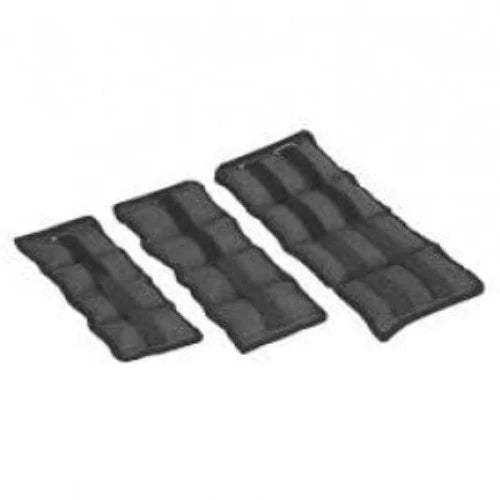
Type: Accessories
Weight Cuff Premium Quality 2Kg
Collection:
Weight Cuff
Weight Cuffs for Physiotherapy, Rehab and Home Exercise
A weight cuff is one of the simplest tools for adding safe resistance to rehab and fitness routines. On MeddeyGo, you get clinic-grade cuff weights in several sizes, from light starter options to heavier loads for stronger users. In this collection, you will see popular options like weight cuff 1 kg, along with heavier pairs and practical combo sets. Each weighted cuff is designed for physiotherapy, strengthening after injury, sports rehab and home workouts. As a result, these weighted cuffs suit Indian clinics, hospitals, rehab centres and home-care setups that need reliable, easy-to-clean equipment every day.
Product Overview
To put it simply, a weight cuff is a soft strap with evenly distributed weight pockets. It wraps around the ankle, wrist, leg or forearm and, once fixed, adds small and controlled resistance to normal movements. Consequently, exercises stay simple while muscles still get a meaningful challenge.
In this category, you will find:
- Individual cuff weights in loads such as 0.5 kg, weight cuff 1 kg, 2 kg, 3 kg, 4 kg and 5 kg
- Combo sets that combine three common loads (for example 0.5 + 1 + 2 kg) for graded programs
- Value models for basic use and premium versions with extra padding for comfort
Moreover, most products follow the same basic design. Each weighted cuff uses a wrap-around strap with secure closure. In addition, vertical pockets hold the weight close to the joint and let it move freely. Therefore, the same pair can usually be used on the ankle, knee, elbow and wrist, which gives very good flexibility to the therapist.
Overall, these cuffs are commonly used for:
- Pre- and post-surgery rehab (knee, hip, ankle, shoulder)
- Muscle strengthening after casts and immobilisation
- Sports recovery and return-to-play conditioning
- Strength and balance work in older adults
- Routine home exercise and tele-rehab plans
Key Features & Benefits
Design Features
Adjustable wrap-around strap
Firstly, the strap has a hook-and-loop (Velcro-style) closure and can fit different limb sizes. Consequently, it is quick to tighten or loosen between patients.
Vertical weight pockets
Secondly, weight is stitched into vertical sections along the cuff. This design gives a slim profile, spreads the load evenly and keeps the weighted cuff stable during movement.
Snug, non-slip fit
Additionally, once fixed, the cuff sits close to the joint and does not slip easily. Therefore, patients can achieve a greater range of movement and maintain better control during exercises.
Soft padded outer fabric
Furthermore, padded material improves comfort, especially over bony areas like the ankle or wrist. This feature matters during longer sessions or when using heavier loads.
Multi-joint use
Finally, a single pair can be used around the ankle, lower leg, wrist or forearm. As a result, clinics can reduce the number of different devices they need to keep in stock.
Clinical and Practical Benefits
Progressive strengthening
With loads from 0.5 kg up to 5 kg, the range supports step-wise progress. Patients may start with a light weight cuff 1 kg and then move up as strength improves.
Hands-free resistance
Because the strap is worn on the body, the hands remain free. For this reason, it is ideal for walking drills, balance tasks and functional movements, and often simpler than using dumbbells.
Better acceptance by patients
Many people, especially older adults, find soft cuff weights less intimidating than large metal weights. As a result, they usually follow the exercise plan more consistently.
Space-saving equipment
A small rack of cuffs covers many resistance levels. Therefore, they are useful for clinics and homes that do not have room for big gym machines.
Cost-effective for clinics
Combo packs with 0.5 kg, weight cuff 1 kg and 2 kg give three important steps in one purchase. Thus, clinics get a full progression without a huge investment.
Technical Specifications
| Feature | Typical Specification | What It Means for You |
|---|---|---|
| Available weights | 0.5 kg, weight cuff 1 kg, 2 kg, 3 kg, 4 kg, 5 kg | Covers early rehab to advanced strengthening |
| Combo sets | 0.5 + 1 + 2 kg (pair each, in many models) | One pack gives three stages of load progression |
| Design | Adjustable, wrap-around weighted cuff with pockets | Stable fit, close to the joint, smooth, controlled movement |
| Outer material | Soft padded fabric | Comfortable for longer sessions and sensitive skin |
| Closure type | Hook-and-loop (Velcro-style) strap | Quick on/off and easy adjustment between patients |
| Joints covered | Ankle, knee, elbow, wrist, forearm, sometimes shoulder | One set of cuff weights used across several body parts |
| Intended use | Physiotherapy, rehab, sports recovery, home exercise | Suitable for clinics, hospitals, gyms and home users |
| Typical user groups | Adults, older adults, post-surgery patients, athletes | Flexible for many types of patients |
| Country of supply | Supplied via MeddeyGo in India | GST-compliant billing and pan-India delivery |
Applications / Use Cases
Pre- and Post-Surgery Rehabilitation
After knee, hip or ankle surgery, muscle strength reduces very fast. However, a light strap with resistance lets therapists begin safe activation in bed or standing.
Common examples:
- Straight-leg raises with 0.5 kg to weight cuff 1 kg
- Hip abduction and hip extension with light cuff weights
- Short-arc quadriceps exercises over a bolster
- Controlled marching and step-ups with support
Together, these drills help maintain and rebuild strength without putting too much stress on the joint.
Neurological and Stroke Rehab
In stroke and other neurological conditions, a weighted cuff on the wrist or ankle can improve awareness of the limb. The light resistance offers sensory feedback and mild load.
Typical uses include:
- Guided reaching and lifting with wrist cuffs
- Step training and marching with light ankle straps
- Sit-to-stand practice with around 1 kg on both ankles
When used correctly, this setup supports better control and endurance in affected limbs.
Sports Injury and Return-to-Play
For sports injuries such as ligament sprains or muscle strains, these cuffs act as a bridge between simple rehab exercises and full gym loading.
Examples:
- Ankle sprain: side steps, step-ups and balance tasks with 1–2 kg around the ankle
- ACL rehab: straight-leg raises, hip drills and early step drills with graded loads
- Shoulder injury: rotator cuff endurance work with a light weighted cuff at the wrist
Because the resistance is small and controlled, it fits well into early and mid-stage return-to-play plans.
Geriatric Strength and Balance Training
Older adults often need gentle, controlled extra load. Therefore, a 0.5 kg or weight cuff 1 kg on the ankles can turn simple movements into very effective strength and stability work.
Useful drills:
- Heel raises while holding a support
- Marching in place with cuff weights
- Sit-to-stand from a chair
- Step-ups on a low platform
Thanks to the soft, padded design, the equipment feels less scary than heavy gadgets, which helps people stay consistent.
Home Exercise and Tele-Rehab
For home programs, a single pair of cuffs can be enough. Patients can use the same style they tried in the clinic, and therapists can guide them remotely.
A typical tele-rehab flow might be:
- First, start with 0.5 kg for 1–2 weeks.
- Next, move to weight cuff 1 kg for the following stage.
- Finally, progress to 2 kg if movement stays smooth and pain-free.
Because resistance is worn on the body, users do not need a large workout space or heavy equipment.
Why Choose This Range from MeddeyGo?
MeddeyGo focuses on practical, clinic-ready products for Indian healthcare. Accordingly, the resistance-strap category follows that same approach.
Key reasons to choose this collection:
-
Rehab-first selection
Products are chosen with physiotherapy and rehab in mind, rather than random consumer fitness gadgets. -
Wide weight range
From 0.5 kg to 5 kg, the range supports early activation, mid-stage strengthening and final conditioning. -
Deluxe and premium lines
Clinics can mix value-oriented cuffs and more padded premium cuff weights where comfort is a priority. -
High-utility combo packs
Sets with 0.5, weight cuff 1 kg and 2 kg are ideal for new clinics, satellite centres and serious home users. -
Institution-ready supply
MeddeyGo supports GST billing, bulk ordering and pan-India delivery, so multiple branches can standardise the same models. -
Trusted healthcare marketplace
The platform already serves hospitals, clinics and physiotherapists across India with a broad rehab and equipment portfolio.
Comparison Table
| Option Type | Typical Weights | Best For | Example Use |
|---|---|---|---|
| Deluxe 1 kg cuff | 1 kg (single or pair) | New clinics, early rehab, older adults | Straight-leg raises, hip abduction, simple arm lifts |
| Premium single weighted cuff | 0.5, 1, 2, 3, 4, 5 kg | Busy physio centres, sports rehab, higher comfort | ACL protocols, shoulder rehab, progressive leg strengthening |
| Premium combo cuff weights | 0.5 + 1 + 2 kg (pairs) | Start-up clinics, tele-rehab, serious home users | Complete progression from early activation to strength |
| Heavy premium options | 3, 4, 5 kg | Sports centres, strong patients, conditioning zones | Step-ups, lunges, dynamic warm-ups, power prep |
Buying Guide / Expert Tips
-
Decide the main purpose first
To start, think about whether you need these cuffs mainly for post-surgery rehab, older adults, sports rehab or general home fitness. Then choose lighter loads for rehab and heavier ones for athletic users. -
Start lighter than you think
In most cases, it is wise to begin with 0.5 kg or weight cuff 1 kg. Later, you can add load once form is good and pain is under control. -
Plan a full progression, not a single load
For clinics, it is useful to have at least three levels (for example 0.5, 1 and 2 kg). Afterwards, you can add 3–5 kg weighted cuffs for strong or sporty patients. -
Match cuff length to body part
Longer cuffs wrap better around ankles and lower legs. By contrast, shorter ones are more comfortable for wrists and forearms. Always check product dimensions where available. -
Check comfort and cleaning instructions
In busy OPD and rehab environments, padded outer fabric that can be wiped clean is essential. Therefore, always review cleaning guidelines before purchase. -
Standardise internal protocols
Within a clinic, agree on simple rules: when to use 0.5 kg, when to shift to around 1 kg, how many reps to start with and when to progress. This approach keeps treatment consistent across therapists. -
Keep patient education simple
Finally, teach patients how to fasten the strap, how tight it should be and when to stop a movement. Clear guidance reduces the risk of misuse at home.
Frequently Asked Questions
What is a weight cuff used for in physiotherapy?
Generally, it is used to add small amounts of resistance to basic movements like leg raises, marches, hip abduction, arm lifts and step-ups. This helps build strength and endurance without large machines.
Is a weight cuff 1 kg enough for most patients?
For early rehab, older adults and people with low fitness, weight cuff 1 kg is often enough. Later, stronger patients can move to heavier cuff weights such as 2 kg or 3 kg once they show good control.
How is a weighted cuff different from a dumbbell?
Typically, a weighted cuff wraps around the ankle or wrist and leaves the hands free. This is ideal for walking drills, balance exercises and functional tasks like sit-to-stand. Dumbbells must be held in the hands and can limit certain movements.
Can I use the same pair of cuff weights on ankle and wrist?
In many cases, yes. As long as the strap tightens properly and feels comfortable, the same pair can be used on both ankles and wrists. However, for very small wrists, a shorter cuff may feel better.
How many weighted cuffs does a small clinic need?
Usually, a small clinic can start with a combo set (0.5, weight cuff 1 kg, 2 kg) and add a few 3–5 kg options for stronger patients. This mix covers most typical rehab and strengthening needs.
Are cuff weights safe for home use?
Light straps with resistance can be safe at home if a physiotherapist has taught the correct exercises first. Still, patients should follow the given plan, avoid sharp pain and check with the therapist before increasing the load.
How should I clean and maintain a weight cuff?
Most cuff weights can be wiped with a mild disinfectant or damp cloth. Afterwards, they should be dried properly before storage. You should avoid soaking them in water or using harsh chemicals that can damage the fabric and stitching.