


Type: Patient Transfer
Premium Rollator Walker
Type: Accessories
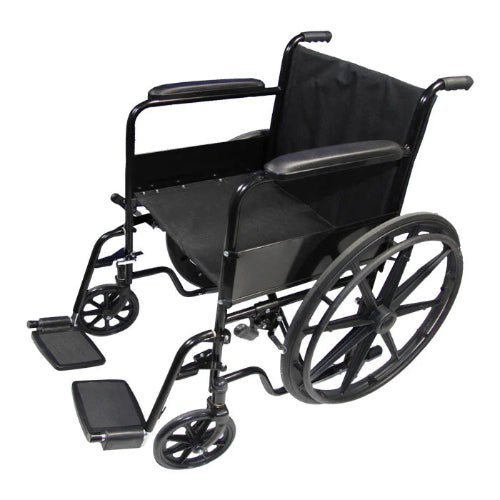
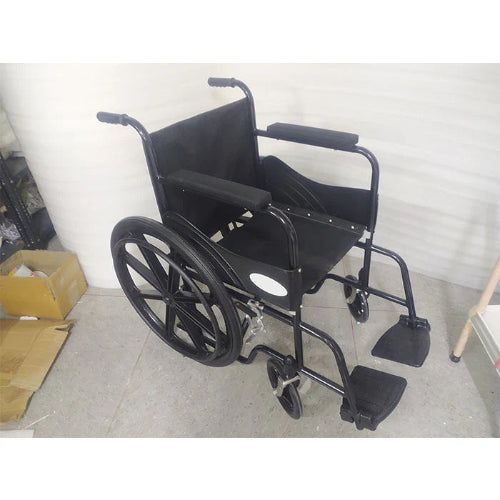
Mag Wheel Regular Foldable Wheelchair


Type: Patient Transfer
Karma Champion 200 Foldable Wheelchair Orange for Home Use
Type: Patient Transfer
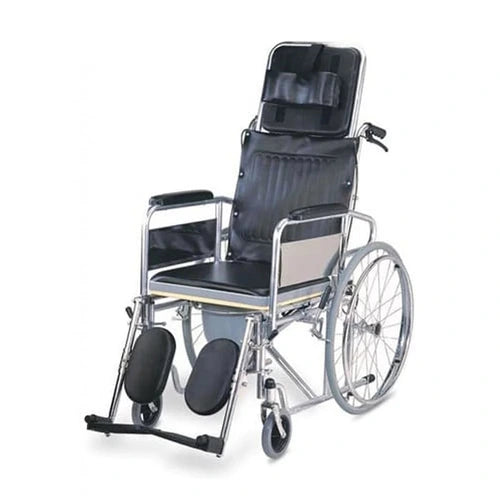
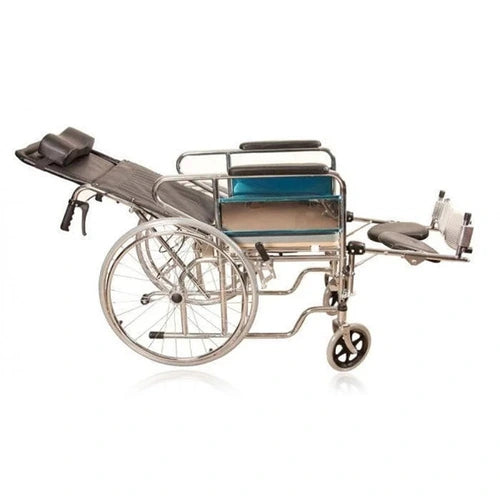
Karma Rainbow 8 Reclining Wheelchair with Commode


Type: Patient Transfer
Karma TC 20 Patient Transfer Chair with Hydraulic Lift & Commode Function


Type: Patient Transfer
Karma TV 30 Manual Transit Wheelchair with Hand Brakes & Foldable Frame


Type: Patient Transfer
Karma Aurora 4 Reclining Wheelchair with Elevating Leg Rests & Detachable Arms
Type: Patient Transfer
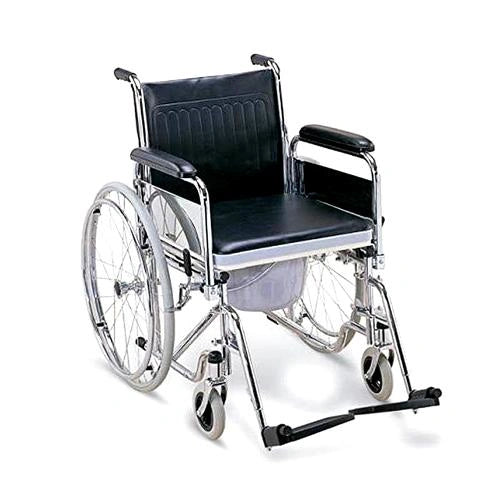
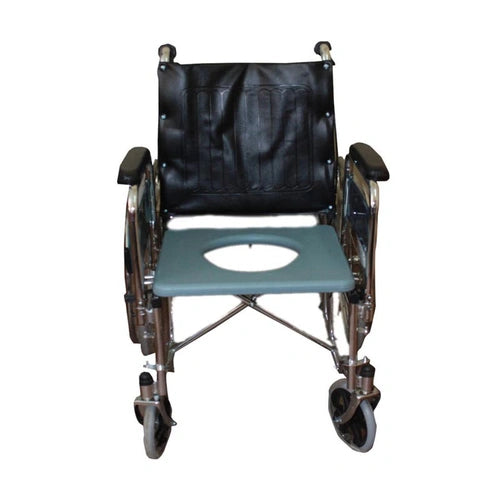
Karma Rainbow 6 Commode Chair Wheelchair with 24 Inch Rear Wheels & Pan


Type: Patient Transfer
Invacare Action 3NG Self Propelled Wheelchair with Adjustable Seating & Foldable Frame


Type: Patient Transfer
Invacare Action 2NG Wheelchair with Fixed/Foldable Backrest & 15 kg Frame


Type: Patient Transfer
Wheelchair Commode for Patient Care Yuwell Mobility Aid

Type: karma
Folding Wheelchair for Patients Manual Hospital Wheelchair


Type: Patient Transfer
Yuwell Power Electric Wheelchair with 20km Range & 18 Inch Seat


Type: Patient Transfer
Karma Ryder 31 Ultralight Power Wheelchair with Foldable Frame
Type: Patient Transfer
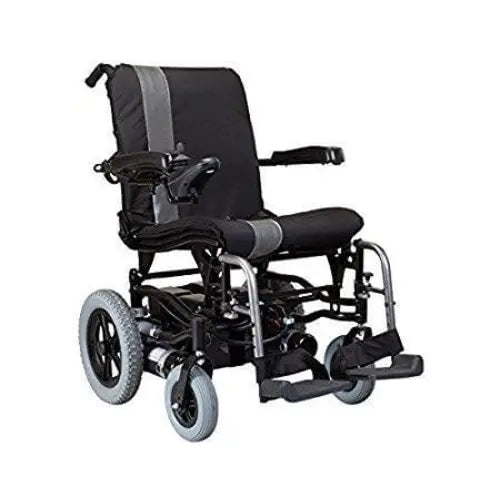
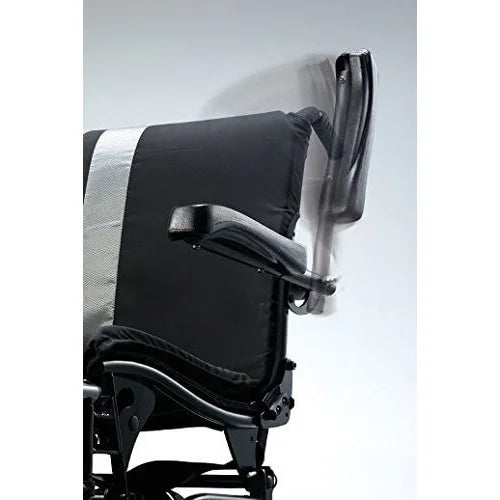
Karma Power Wheelchair KP 10-3S
Collection:
Choosing the Right Wheelchair Transfer Aids

What is a Wheelchair Transfer?
A wheelchair transfer involves moving an individual from a wheelchair to another surface, such as a bed, car seat, or toilet. This process requires careful consideration to prevent injuries and ensure the comfort and dignity of the person being transferred. It's important to recognize the physical and emotional aspects involved in a transfer, as each move can significantly impact a patient's well-being.
Moreover, effective wheelchair transfers are not only about physical movement but also about maintaining a sense of independence and confidence for the patient. The transfer process must be seamless and respectful to uphold the patient's dignity. With the right techniques and aids, caregivers can facilitate transfers that promote a positive patient experience.
Incorporating training and best practices in wheelchair transfers is essential. Caregivers should be equipped with the knowledge and skills to perform transfers safely and efficiently, minimizing the risk of injury to both the patient and themselves.
Types of Transfer Aids
Wheelchair transfer aids are designed to assist in these movements, and they come in various forms to suit different needs. These include:
- Transfer Boards: Flat boards that act as a bridge between two surfaces. They are particularly useful for individuals with some upper body strength who can participate in the transfer.
- Patient Lifts (Electric Transfer Aids): Mechanized devices that lift and move the patient safely. They are ideal for individuals with very limited mobility and come with features that ensure a smooth and controlled transfer.
- Transfer Belts: Belts worn by the patient to assist caregivers in holding and supporting during a transfer. They provide extra security and control, reducing the risk of falls.
- Slide Sheets: Low-friction sheets that make sliding transfers easier. Slide sheets are versatile tools that can be used in various transfer scenarios to reduce friction and effort.
- Standing Aids: Devices that support individuals in a standing position during transfers. These are particularly useful for patients who have some ability to stand but require support to do so safely.
Each type of transfer aid has its advantages and is suited to specific patient needs and environments. Selecting the right aid is crucial for ensuring a safe and efficient transfer process.
Benefits of Using Wheelchair Transfer Aids
These aids are not just tools; they are essential for maintaining safety and dignity in patient care. They provide support, minimize the risk of injury to both the patient and caregiver, and facilitate a more independent lifestyle for users. Transfer aids empower patients by enabling them to participate in their transfers to the extent possible, promoting a sense of autonomy.
Using transfer aids can also enhance the quality of care provided by caregivers. By reducing the physical strain associated with manual transfers, caregivers can focus more on patient interaction and support. This not only improves the transfer experience but also strengthens the caregiver-patient relationship.
Furthermore, transfer aids contribute to operational efficiency in healthcare settings. By streamlining the transfer process, these aids can reduce the time and effort required for each transfer, allowing caregivers to allocate their time more effectively across various patient care activities.
Selecting the Right Wheelchair Transfer Aids

Choosing the right transfer aid depends on various factors, including the patient's mobility level, the environment, and specific needs.
Assessing Patient Needs
Understanding the specific requirements of the individual is the first step. Consider their level of mobility, strength, and any physical limitations. For instance, a patient with limited upper body strength might benefit more from an electric patient lift, while someone with better mobility might only need a transfer board. Additionally, consider the patient's preferences and comfort levels, as these can greatly impact their willingness to engage in the transfer process.
Consulting with healthcare professionals and therapists can provide valuable insights into the patient's needs and the most appropriate transfer aids. They can conduct assessments and recommend solutions that align with the patient's health status and goals for mobility and independence.
It's also important to review the patient's progress and adapt the transfer aids as their condition changes. Regular evaluations ensure that the aids remain suitable and effective in meeting the patient's evolving needs.
Evaluating the Environment
The environment where the transfer will take place is crucial in deciding the appropriate aid. Is the space confined? Are there uneven surfaces? Such considerations will influence the choice of device. For example, in tight spaces, a compact transfer aid like a slide sheet or transfer board might be more practical than a larger patient lift.
Consideration of environmental factors such as floor surfaces, available space, and the presence of obstacles is essential for safe and effective transfers. In some cases, modifications to the environment, such as adding grab bars or clearing pathways, may be necessary to facilitate safe transfers.
Additionally, the transfer environment should be regularly assessed for safety and accessibility. Making adjustments to accommodate the patient's needs and the chosen transfer aid can significantly enhance the overall transfer experience.
Considering Safety and Comfort
Safety should be a priority. Ensure that the selected transfer aid supports the patient's weight and is easy to operate. Comfort is also vital, as the process should not cause distress or discomfort to the patient. Consider features such as padded surfaces, adjustable components, and ergonomic designs that enhance comfort during transfers.
Engaging patients in discussions about their comfort preferences can lead to better outcomes. Patients who feel comfortable and secure are more likely to participate actively in the transfer process, reducing the risk of complications.
Furthermore, caregivers should be trained to operate transfer aids correctly and safely. Proper training ensures that transfers are conducted smoothly and minimizes the likelihood of errors that could compromise safety and comfort.
Budget and Cost Considerations
While quality should never be compromised, understanding budget constraints is important. Many transfer aids are available at various price points, so it's essential to balance cost with quality and functionality. Consider long-term value and durability when evaluating cost, as investing in a high-quality aid can lead to better outcomes and reduced maintenance costs over time.
Exploring funding options such as insurance coverage, government programs, or community resources can help alleviate financial constraints. It's important to research and apply for assistance programs that may support the purchase of necessary transfer aids.
Ultimately, the goal is to find a solution that meets the patient's needs while being financially sustainable. Collaborating with healthcare providers and financial advisors can help identify cost-effective options without compromising on quality.
Examples of Effective Transfer Aids
Electric Transfer Aids - Patient Lifts
These are ideal for individuals with very limited mobility. They are powered devices that gently lift and move patients, reducing strain on caregivers. Modern patient lifts are designed with safety features and offer a smooth, comfortable transfer experience. Some models include remote controls, adjustable heights, and emergency stop functions to enhance safety and convenience.
Patient lifts are versatile and can be used in various settings, including homes, hospitals, and care facilities. They provide significant support for both patients and caregivers, ensuring that transfers are conducted with minimal physical exertion.
Additionally, patient lifts can be customized with slings or harnesses that suit the patient's specific needs and preferences. Selecting the right accessories can enhance the effectiveness and comfort of the transfer process.
Mobility Aid Accessories
Transfer belts and slide sheets are excellent accessories that enhance the transfer process. They are often used in conjunction with other transfer aids to improve safety and efficiency. Transfer belts provide caregivers with a secure grip, while slide sheets reduce friction during lateral transfers, making movement easier.
These accessories are lightweight, portable, and easy to use, making them ideal for both home and clinical settings. They offer flexibility in transfer techniques and can be adapted to various scenarios, providing additional support where needed.
Regular maintenance and cleaning of these accessories are important to ensure hygiene and longevity. Following manufacturer guidelines for care and usage will help maintain their effectiveness over time.
Transfer Boards and Slide Sheets
These are among the simplest yet effective aids, providing a practical solution for transferring individuals with some degree of upper body strength. They are portable and easy to use, making them a favorite in home care settings. Transfer boards are available in various sizes and materials to accommodate different transfer scenarios.
Slide sheets are particularly useful for repositioning patients in bed or transferring them between surfaces with minimal effort. They reduce the risk of skin irritation and pressure sores by minimizing friction during movement.
Combining transfer boards and slide sheets with proper technique and caregiver support can significantly enhance the safety and ease of transfers. Training caregivers in their correct use is essential for achieving the best outcomes.
Implementing Safe Transfer Techniques
When using wheelchair transfer aids, employing proper techniques is essential to maximize safety and efficiency. Here are a few best practices:
- Positioning: Ensure the wheelchair is locked and positioned as close as possible to the transfer surface. This minimizes the distance the patient needs to travel, reducing the risk of falls.
- Communication: Clearly communicate with the patient throughout the transfer process to ensure they feel comfortable and secure. Explain each step and encourage the patient to express any concerns or discomfort.
- Body Mechanics: Use proper body mechanics to protect both the caregiver and the patient from injury. Bend your knees and keep your back straight while lifting or assisting. Avoid twisting motions and use your legs to bear the weight.
- Practice: Regularly practice the transfer techniques to build confidence and competence. Repetition helps caregivers develop muscle memory, ensuring smooth and efficient transfers.
Incorporating these practices into daily routines can significantly improve the safety and quality of wheelchair transfers. Continuous training and education for caregivers are essential to maintain high standards of care.
The Future of Wheelchair Transfer Aids
The landscape of wheelchair transfer aids is continuously evolving with advancements in technology. Future innovations promise to offer even more efficient, safe, and user-friendly solutions. For instance, smart technology integration could lead to aids that automatically adjust to the patient's needs, further enhancing independence and quality of life.
Emerging technologies such as robotics, sensors, and artificial intelligence have the potential to revolutionize the way transfers are conducted. These advancements could lead to automated systems that provide real-time feedback and adjustments, ensuring optimal support and comfort for patients.
As the demand for innovative transfer solutions grows, collaboration between healthcare providers, researchers, and manufacturers will be crucial. By working together, they can develop cutting-edge aids that address the diverse needs of patients and caregivers, paving the way for a more inclusive and accessible healthcare environment.
Conclusion
Choosing the right wheelchair transfer aids is crucial for ensuring safe and dignified patient transfers. By understanding the different types of aids available and considering the specific needs of the patient and environment, healthcare professionals can make informed decisions that enhance patient care.
Whether you are a hospital administrator, medical equipment distributor, or healthcare technology consultant, staying informed about the latest in wheelchair transfer aids is essential. By optimizing the use of these devices, you can significantly improve the quality of care and operational efficiency in healthcare settings.
Incorporating innovative solutions and maintaining a patient-centered approach will lead to better outcomes and a higher standard of care for individuals with mobility challenges. As the field continues to evolve, embracing new technologies and best practices will be key to advancing patient mobility and independence.
Q&A
Question: How do I decide which wheelchair transfer aid is best for a specific person?
Short answer: Start by assessing the individual’s mobility, strength, limitations, and preferences, then match those needs to the aid’s purpose and features. For example, people with some upper-body strength may do well with a transfer board, while those with very limited mobility often need an electric patient lift. Consider the environment (space, surfaces, obstacles), prioritize safety and comfort (weight capacity, padded/adjustable parts, ergonomic design), and balance quality with budget. Regularly review the person’s progress and adjust the chosen aid as their condition changes, and consult healthcare professionals for tailored recommendations.
Question: When are electric patient lifts the right choice, and can they be used at home? Short answer: Electric patient lifts are ideal for individuals with very limited mobility because they provide controlled lifting and reduce strain on caregivers. They can absolutely be used in homes as well as hospitals and care facilities. Many models include safety and convenience features such as remote controls, adjustable heights, and emergency stop functions. Choosing compatible slings or harnesses tailored to the user further improves comfort and effectiveness.
Question: How do space and environmental factors influence the choice of transfer aid?
Short answer: The physical setting can determine what works safely and efficiently. In tight or cluttered spaces, compact options like slide sheets or transfer boards may be more practical than larger lifts. Evaluate floor surfaces, available space, and obstacles, and consider modifications such as adding grab bars or clearing pathways. Reassessing the environment regularly helps maintain safety and accessibility as needs or equipment change.
Question: What best practices improve safety, comfort, and dignity during transfers?
Short answer: Combine proper technique with respectful, patient-centered care. Key practices include:
- Positioning: Lock the wheelchair and place it close to the destination surface.
- Communication: Explain each step and check for comfort and concerns.
- Body mechanics: Bend knees, keep the back straight, avoid twisting, and use the legs.
- Practice and training: Build skill and confidence through repetition and caregiver education. Engaging patients in decisions about comfort and support promotes independence, reduces distress, and enhances dignity.
Question: How can I balance budget with quality when purchasing transfer aids?
Short answer: Look beyond upfront price to durability, functionality, and long-term value—higher-quality aids can improve outcomes and reduce maintenance costs. Explore funding options such as insurance, government programs, or community resources, and work with healthcare providers to identify cost-effective choices that still meet safety and comfort needs.