
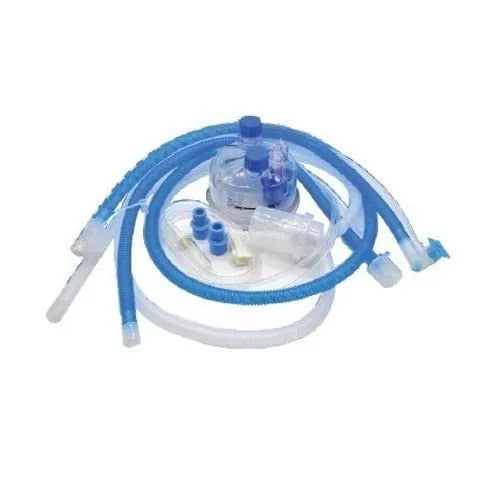
Type: anesthesia
Single Heated Wire Ventilator Circuit With Chamber (Pack of 2)

Type: Anesthesia
CPAP Nasal Vented Mask Standard
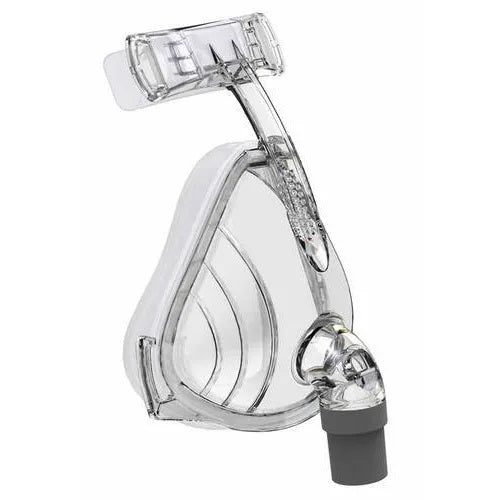
Type: Respiratory
Vented CPAP BIPAP Mask

Type: Anesthesia Products
Ventilator Disposable Double Water trap Circuit (Pack of 3)

Type: anesthesia
Full Face Vented Mask YF 02 from Yuvell


Type: Anesthesia
Premium CPAP BPAP Tubing

Type: Respiratory
Premium CPAP BiPAP Tubing

Type: anesthesia
Full Face Vented Mask FY 01 from Yuvell
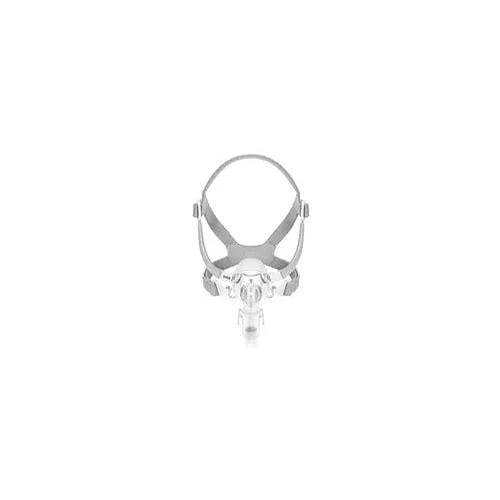
Type: anesthesia
CPAP Nasal Vented YN 03 from Yuvell
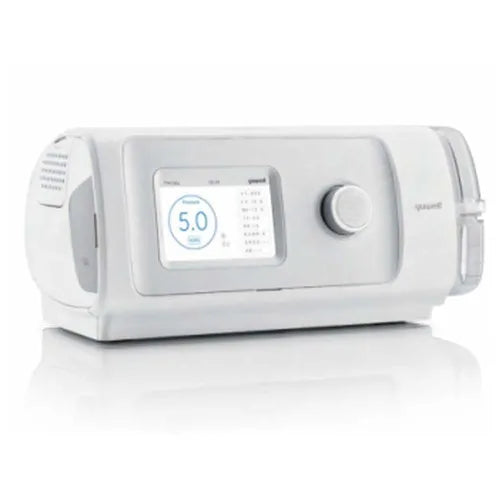
Type: Anesthesia
Yuwell BreathCare II YH-830 BiPAP Machine with Heated Humidifier
Collection:
How to Choose Bipap Tubing Accessories
In this article, we will explore the essential aspects of BiPAP tubing accessories, their functionalities, and the factors to consider when making purchasing decisions.
 What is BiPAP?
BiPAP, or Bilevel Positive Airway Pressure, is a non-invasive ventilation therapy often used for patients with obstructive sleep apnea, respiratory insufficiency, or other breathing disorders. Unlike CPAP machines that provide continuous pressure, BiPAP machines offer two levels of pressure: inhalation (IPAP) and exhalation (EPAP), making breathing easier and more comfortable. This dual-level pressure system is particularly beneficial for patients who require varying pressure levels throughout their breathing cycle.
Understanding the mechanics of BiPAP therapy can help healthcare providers better tailor treatments to individual patient needs. For example, patients with conditions such as COPD may benefit significantly from the flexibility of BiPAP settings. By adjusting the IPAP and EPAP levels, caregivers can help ensure that the therapy meets the patient's specific respiratory requirements, enhancing both comfort and treatment efficacy.
Furthermore, the adaptability of BiPAP machines makes them suitable for a wide range of clinical scenarios. From home care settings to hospital wards, BiPAP provides a versatile solution for managing chronic and acute respiratory conditions. Its non-invasive nature also makes it a preferred choice for patients who are intolerant of more invasive ventilation methods.
Is BiPAP a Ventilator?
While BiPAP machines share similarities with ventilators, they are not the same. Ventilators offer full respiratory support and are typically used for critically ill patients. In contrast, BiPAP machines aid breathing but require the patient to initiate breaths. This is why BiPAP is often used in less critical settings, such as home care and non-ICU hospital wards. The distinction between BiPAP and traditional ventilators is crucial for healthcare providers when determining the appropriate level of respiratory support.
The primary advantage of BiPAP over invasive ventilation is the reduced risk of complications associated with intubation. Patients using BiPAP can avoid the discomfort and potential infections related to invasive procedures. Additionally, BiPAP allows for greater patient mobility and comfort, which can contribute to faster recovery times and improved overall patient satisfaction.
Moreover, understanding the limitations of BiPAP is equally important. While effective for many patients, BiPAP may not be suitable for those with severe respiratory failure who cannot initiate breaths independently. In such cases, transitioning to full ventilatory support may be necessary to ensure adequate respiratory function.
What is the Name of the Tubing in a BiPAP Machine?
The tubing in a BiPAP machine is commonly referred to as BiPAP tubing or BiPAP hose. This tubing connects the machine to the mask, delivering the pressurized air necessary for therapy. It's the lifeline that ensures the therapeutic benefits of BiPAP reach the patient effectively.
BiPAP tubing must be designed to withstand the rigors of daily use. It should be durable enough to maintain its integrity over time, even with regular cleaning and handling. High-quality tubing minimizes the risk of air leaks, which can compromise the effectiveness of the therapy and the patient's comfort.
Moreover, BiPAP tubing is available in various materials and designs, each offering different benefits. Some tubes are reinforced to prevent kinking, while others are heated to reduce condensation. Choosing the right type of tubing is essential for optimizing the therapy experience and outcomes.
The Role of BiPAP Tubing in Therapy
What is the Use of BiPAP Tube?
The BiPAP tube plays a vital role in the therapy's effectiveness by delivering the right pressure levels from the machine to the patient. The right tubing ensures minimal air leakage, maintains pressure stability, and offers comfort to the patient. Properly functioning tubing is essential for maintaining the integrity of the therapy and ensuring that patients receive consistent and reliable support.
The material and construction of the BiPAP tube are crucial factors in its performance. Tubes made from high-quality, flexible materials can reduce noise and enhance the patient's comfort during use. Additionally, some modern BiPAP tubes come with advanced features, such as spiral support or insulated designs, that further improve the therapy experience.
It's also important to consider the patient's specific needs when selecting BiPAP tubing. For instance, patients who are particularly sensitive to temperature changes might benefit from tubing with built-in heating elements. By customizing the tubing to fit the patient's requirements, healthcare providers can enhance both comfort and compliance with the therapy.
Why is BiPAP Used in ICU?
BiPAP is sometimes used in ICU settings for patients who need breathing support but do not require invasive ventilation. It helps in stabilizing patients with respiratory distress, reducing the need for intubation, and allowing for a more comfortable breathing experience. In the ICU, BiPAP can serve as an intermediary solution, providing sufficient support while avoiding the complications associated with more invasive methods.
The use of BiPAP in the ICU can also facilitate faster recovery times. By offering a less invasive option, patients can maintain some level of independence and mobility, which is crucial in the recovery process. Moreover, the comfort of BiPAP therapy can enhance patient cooperation and compliance, which are critical factors in the overall success of the treatment.
Furthermore, BiPAP is a valuable tool in managing acute respiratory conditions in the ICU. In situations where patients experience sudden respiratory distress, BiPAP can provide immediate relief and stabilization, allowing caregivers to focus on other critical aspects of patient care. This versatility makes BiPAP an indispensable component of respiratory therapy in the ICU.
Key Considerations in Choosing BiPAP Tubing Accessories
 Quality and Compatibility
When selecting BiPAP tubing accessories, quality and compatibility with existing equipment are paramount. Ensure that the tubing is made from durable materials that can withstand regular cleaning and usage. Compatibility with the BiPAP machine and mask is also crucial to avoid air leaks and ensure optimal therapy delivery. High-quality accessories can significantly enhance the overall effectiveness of the BiPAP therapy.
Durability is a key consideration when assessing the quality of BiPAP tubing. Tubes that can withstand frequent handling and cleaning without degrading are essential for maintaining consistent therapy. Additionally, accessories that are easy to assemble and disassemble can simplify maintenance and improve the overall user experience.
Compatibility extends beyond just fitting the machine and mask. It's also about ensuring that the tubing and accessories work seamlessly with other components, such as humidifiers and filters. A well-integrated system reduces the risk of malfunctions and enhances the reliability of the therapy, which is critical for patient safety and satisfaction.
Comfort and Flexibility
The comfort of the patient should be a top priority. Look for tubing that is flexible, lightweight, and designed to minimize noise. Many modern tubes come with features like heated coils to prevent condensation, enhancing the overall comfort and effectiveness of the therapy. Comfort-focused accessories can significantly improve patient compliance and satisfaction with the therapy.
Lightweight tubing can make a noticeable difference in patient comfort, especially for those who require long-term therapy. It reduces the strain on the mask connection and minimizes the risk of dislodging during sleep. Additionally, flexible tubing allows for greater movement without compromising the seal, which is essential for maintaining effective pressure delivery.
Noise reduction features are another crucial consideration. Patients often find it difficult to sleep with noisy equipment, so selecting tubing that minimizes operational sounds can enhance the overall therapy experience. By prioritizing comfort and flexibility, healthcare providers can ensure that patients receive the full benefits of BiPAP therapy without unnecessary discomfort.
Length and Diameter
The length and diameter of the tubing can affect the pressure delivery and comfort. Standard tubing is typically around 6 feet long, but longer options are available for patients who need more mobility. The diameter should match the machine's specifications to maintain the correct pressure levels. Choosing the right dimensions is essential for optimizing the therapy experience.
Longer tubing can provide additional freedom of movement, allowing patients to reposition themselves without compromising the therapy. This flexibility can be particularly beneficial for patients who are active during sleep or require more space between the machine and their sleeping area. However, it's important to ensure that longer tubing does not negatively impact pressure delivery.
The diameter of the tubing is equally important in maintaining effective therapy. Tubes that are too narrow may restrict airflow, while those that are too wide can lead to pressure instability. By selecting tubing with the appropriate dimensions, healthcare providers can ensure that patients receive consistent and effective BiPAP support.
Maintenance and Hygiene
Regular maintenance is crucial to ensure the longevity and effectiveness of BiPAP tubing accessories. Choose tubing that is easy to clean and maintain. Some options come with antimicrobial coatings to reduce the risk of infection and improve hygiene. Proper maintenance practices are essential for safeguarding patient health and extending the life of the equipment.
Ease of cleaning is a significant factor in the selection of BiPAP tubing. Tubes that can be easily disassembled and reassembled allow for thorough cleaning, which is critical in preventing the buildup of bacteria and other contaminants. Additionally, tubing that is resistant to staining and discoloration can help maintain a clean and professional appearance.
Antimicrobial coatings add an extra layer of protection against infections. These coatings can inhibit the growth of harmful microorganisms, providing peace of mind for both patients and caregivers. By prioritizing maintenance and hygiene, healthcare providers can ensure that BiPAP therapy remains safe, effective, and comfortable for patients.
Essential BiPAP Accessories to Consider
Masks and Cushions
The mask is another critical component of BiPAP therapy. It should fit well to prevent leaks and be comfortable enough for extended use. Cushions can provide additional comfort and help in achieving a better seal. A well-fitted mask is essential for the success of BiPAP therapy.
Finding the right mask fit is crucial for minimizing air leaks and ensuring effective pressure delivery. Masks that are too tight can cause discomfort and skin irritation, while those that are too loose may not provide an adequate seal. Customizable masks that allow for adjustments can enhance comfort and improve compliance with the therapy.
Cushions play a vital role in enhancing mask comfort. They provide a soft barrier between the mask and the skin, reducing the risk of pressure sores and discomfort. By selecting masks and cushions that prioritize comfort and fit, healthcare providers can significantly improve patient satisfaction and therapy outcomes.
Humidifiers
Adding a humidifier to a BiPAP setup can prevent dry mouth and nasal passages, enhancing patient comfort. Integrated humidifiers are available that fit directly with the BiPAP machine. Humidification can significantly improve the overall therapy experience, especially for patients prone to dryness and irritation.
Humidifiers help maintain optimal moisture levels in the air delivered by the BiPAP machine. This can prevent the discomfort associated with dry air, such as nasal congestion and throat irritation. By ensuring adequate humidification, healthcare providers can enhance patient comfort and compliance with the therapy.
Integrated humidifiers offer the advantage of seamless operation with the BiPAP machine. They can be easily adjusted to meet the patient's specific humidity preferences, ensuring a tailored therapy experience. By prioritizing humidification, healthcare providers can enhance the effectiveness and comfort of BiPAP therapy.
Filters
Filters are essential for ensuring that the air delivered is clean and free from allergens and dust. Regular replacement of filters is necessary to maintain air quality and machine performance. High-quality filters are a critical component of effective and safe BiPAP therapy.
The primary function of filters is to trap airborne particles and contaminants, preventing them from entering the patient's airway. This is especially important for patients with respiratory sensitivities or allergies. By maintaining clean and effective filters, healthcare providers can ensure that patients receive high-quality air throughout their therapy.
Regular filter replacement is crucial for maintaining optimal machine performance. Over time, filters can become clogged and less effective, compromising air quality and pressure delivery. By adhering to a regular replacement schedule, healthcare providers can ensure that BiPAP machines operate at peak efficiency.
Strategic Procurement of BiPAP Supplies
Market Analysis
For medical equipment distributors and healthcare consultants, understanding market demands and trends is crucial. Analyzing the latest advancements in BiPAP technology can help in identifying new opportunities and positioning products effectively. Staying informed about market trends is essential for strategic procurement and competitive advantage.
Conducting thorough market analysis allows distributors to identify emerging technologies and innovations in BiPAP therapy. By staying ahead of industry trends, they can offer cutting-edge solutions that meet the evolving needs of healthcare providers and patients. This proactive approach can enhance market positioning and drive business growth.
Additionally, market analysis can help distributors identify gaps in the current offerings and tailor their product portfolios accordingly. By understanding customer preferences and demands, they can make informed decisions about which BiPAP accessories to stock and promote. This strategic approach can improve customer satisfaction and loyalty.
Regulatory Compliance
Ensuring that all BiPAP accessories meet regulatory standards is critical for hospital administrators and distributors. Compliance with healthcare regulations ensures the safety and effectiveness of the equipment. Adhering to regulatory standards is essential for maintaining trust and credibility in the healthcare industry.
Regulatory compliance involves understanding and adhering to the guidelines set by relevant health authorities. This includes ensuring that BiPAP accessories are tested and certified for safety and efficacy. By prioritizing compliance, distributors can avoid legal liabilities and ensure that their products meet the highest standards of quality.
Moreover, regulatory compliance can enhance the reputation of distributors and healthcare providers. By demonstrating a commitment to safety and quality, they can build trust with customers and stakeholders. This can lead to increased customer confidence and long-term business success.
Cost-Effectiveness
Balancing quality with cost is a challenge but essential for optimizing procurement strategies. Evaluate different suppliers and compare pricing, warranties, and after-sales support to make informed purchasing decisions. Cost-effectiveness is crucial for maximizing value and ensuring sustainable business operations.
When assessing cost-effectiveness, it's important to consider not only the initial purchase price but also the total cost of ownership. This includes factors such as maintenance, durability, and the availability of replacement parts. By choosing high-quality, long-lasting accessories, healthcare providers can reduce long-term costs and enhance the overall value of their investments.
Additionally, negotiating favorable terms with suppliers can improve cost-effectiveness. This may include securing volume discounts, extended warranties, or bundled offers. By leveraging their purchasing power, healthcare providers can optimize their procurement strategies and achieve significant cost savings.
Conclusion
Choosing the right BiPAP tubing accessories involves understanding the various components of BiPAP therapy, their functionalities, and the factors influencing their effectiveness. By focusing on quality, compatibility, and patient comfort, healthcare providers can enhance the efficacy of BiPAP therapy, improve patient outcomes, and streamline procurement processes. Whether you're a hospital administrator, medical equipment distributor, or healthcare consultant, staying informed about the latest in BiPAP technology is key to navigating the evolving landscape of healthcare procurement. By making informed decisions and prioritizing patient needs, stakeholders can ensure the success of BiPAP therapy in various clinical settings.