Filter
17 products
Type: anesthesia
Nasal CPAP Sleep Mask
Type: anesthesia
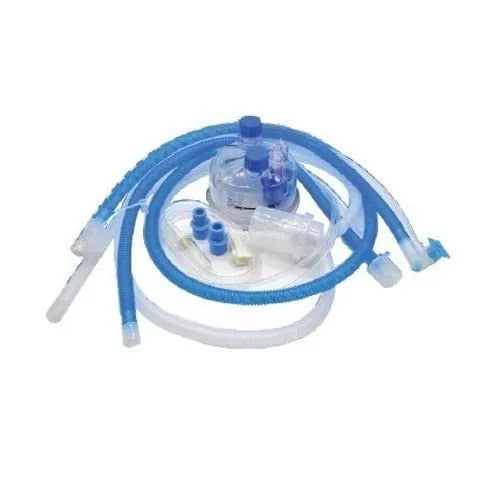
Single Heated Wire Ventilator Circuit With Chamber (Pack of 2)
Type: anesthesia
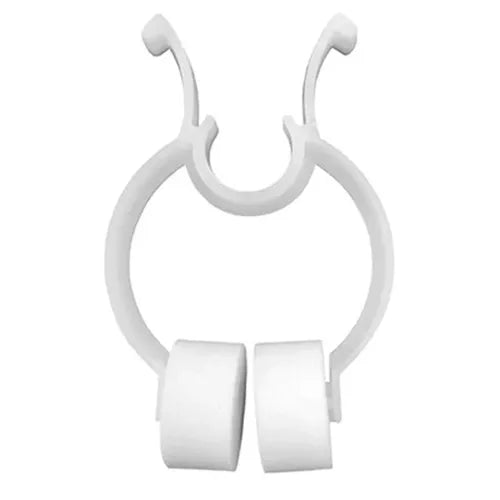
Noseclip for Hospital Use (Pack of 50)
Type: Respiratory
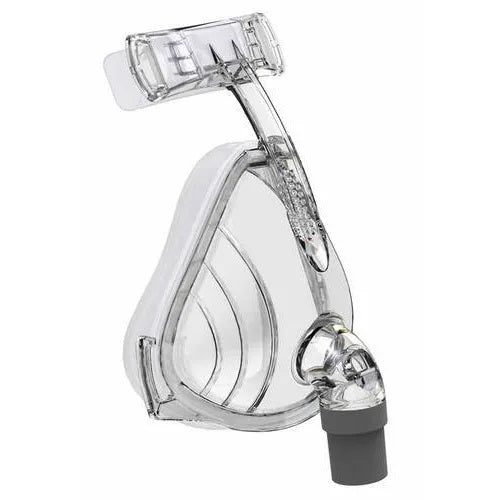
Vented CPAP BIPAP Mask
Type: Anesthesia Products
Ventilator Disposable Double Water trap Circuit (Pack of 3)
Type: Anesthesia
CPAP Nasal Vented Mask Standard
Type: anesthesia
Full Face Vented Mask YF 02 from Yuvell
Type: Anesthesia
Premium CPAP BPAP Tubing
Type: MeddeyGo
Oxygen Full Face Mask for Cpap
Type: Anesthesia
ResPlus Auto CPAP Machine for Sleep Therapy & Home Care Uses
Type: Anesthesia
Noccarc Multi Mode ICU Ventilator
Type: Anesthesia
BreathCare II Bi-Level PAP BIPAP with 2 Years Warranty
Type: Anesthesia
Bubble C-Pap with Fully Automagtic Servo Humdifier
Type: Anesthesia
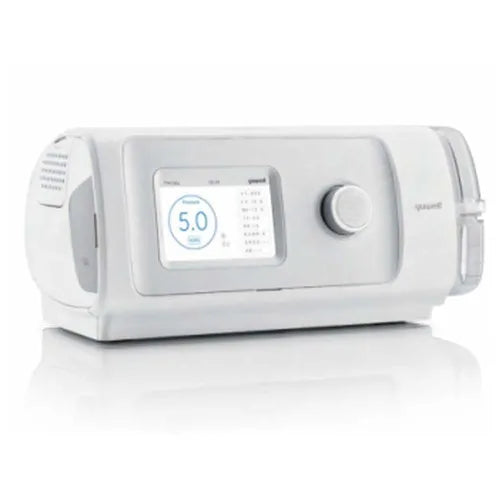
ResPlus BiPAP Machine with Humidifier for Sleep Care
Type: Respiratory
Premium CPAP BiPAP Tubing
Collection:
Best BiPAP Machine: Price in India, Types & Uses
A BiPAP machine represents one of the most important advancements in non-invasive respiratory support technology. It bridges the gap between simple oxygen therapy and invasive mechanical ventilation, offering a safer, more comfortable, and highly effective way to support breathing in patients with compromised respiratory function.
In modern healthcare systems, the use of BiPAP, auto BiPAP machines, and portable BiPAP devices has expanded significantly. These devices are now used across ICU settings, step-down units, outpatient respiratory care, and even long-term home therapy.
For healthcare professionals, BiPAP is not just a device—it is a clinical intervention tool that helps reduce respiratory distress, prevent intubation, and stabilize patients efficiently. For patients and caregivers, it provides independence, comfort, and continuity of care outside hospital settings.
BiPAP therapy plays a critical role in reducing respiratory workload, improving gas exchange, and preventing complications in both acute and chronic respiratory conditions.
Understanding Respiratory Physiology and Why BiPAP is Needed
To understand the importance of a BiPAP machine, it is essential to understand basic respiratory physiology. Breathing involves the exchange of oxygen and carbon dioxide in the lungs. In healthy individuals, this process is efficient and requires minimal effort.
However, in conditions such as COPD, sleep apnea, or neuromuscular disorders, the lungs cannot perform this function effectively. The patient either struggles to inhale enough oxygen or cannot expel carbon dioxide efficiently.
This leads to:
- Increased work of breathing
- Respiratory muscle fatigue
- Low oxygen levels (hypoxia)
- High carbon dioxide levels (hypercapnia)
A BiPAP machine addresses these issues by providing pressure support during both inhalation and exhalation, thereby restoring balance in the respiratory cycle.
Role of BiPAP Machine in ICU and Emergency Care
In ICU and emergency settings, BiPAP is frequently used as a first-line intervention for patients with acute respiratory distress. It helps avoid invasive ventilation in many cases, reducing complications such as infections and prolonged hospital stays.
Common ICU uses include:
- Acute COPD exacerbation
- Cardiogenic pulmonary edema
- Respiratory failure
- Post-extubation support
The ability of a BiPAP machine to stabilize patients quickly makes it an essential tool in critical care medicine.
Advanced Types of BiPAP Machines
Auto BiPAP Machines – Clinical Advantage
Auto BiPAP machines continuously analyze breathing patterns and adjust pressure dynamically. This is particularly beneficial in patients with variable respiratory needs.
Advantages include:
- Improved comfort
- Reduced need for manual adjustment
- Better therapy adherence
Portable BiPAP Machines – Home Care Revolution
Portable devices have transformed long-term respiratory care. Patients can now travel, work, and maintain daily routines while continuing therapy.
BiPAP Machine Price in India – Detailed Analysis
The BiPAP machine price in India varies significantly based on technology and features. Understanding cost vs value is critical.
| Type | Price Range | Best For |
|---|---|---|
| Fixed BiPAP | ₹40k–₹70k | Basic needs |
| Auto BiPAP | ₹70k–₹1.2L | Advanced users |
| Portable | ₹1L+ | Travel + flexibility |
Higher cost devices often provide better comfort, automation, and long-term usability.
Advanced Guide to BiPAP Masks
Mask selection is one of the most critical factors in successful BiPAP therapy. Even the best machine cannot deliver effective therapy if the mask fit is incorrect.
Factors affecting mask choice include:
- Breathing pattern
- Face structure
- Comfort level
- Sleep behavior
How to Choose the Right BiPAP Machine
Choosing the right BiPAP machine requires understanding both clinical needs and user preferences.
- Severity of condition
- Frequency of use
- Need for portability
- Budget considerations
- Comfort features
Top 5 BiPAP Machines (Detailed)
| Rank | Type | Use Case | Key Advantage |
|---|---|---|---|
| 1 | Auto BiPAP | Dynamic conditions | Adaptive therapy |
| 2 | Portable | Travel | Mobility |
| 3 | Clinical | ICU | Precision |
| 4 | Basic | Home | Affordable |
| 5 | Humidifier | Long-term use | Comfort |
Frequently Asked Questions
Is BiPAP safe for long-term use
Yes, BiPAP is widely used for long-term therapy in chronic respiratory conditions. Proper maintenance and medical supervision are essential.
Can BiPAP replace a ventilator
In many cases, BiPAP can prevent the need for invasive ventilation, but it cannot replace it in severe cases.
How effective is BiPAP for COPD
BiPAP significantly improves ventilation and reduces respiratory effort in COPD patients.
What is difference between auto BiPAP and fixed BiPAP
Auto adjusts pressure automatically, while fixed uses preset levels.
Can BiPAP improve sleep quality
Yes, it reduces apnea events and improves oxygen levels.
Is portable BiPAP reliable
Yes, modern portable devices offer reliable performance.
Conclusion
A BiPAP machine is a critical device in modern respiratory care, offering effective, non-invasive support for a wide range of conditions. From ICU settings to home care, it plays a vital role in improving patient outcomes and quality of life.