

Type: anesthesia
Nasal CPAP Sleep Mask

Type: Anesthesia
CPAP Nasal Vented Mask Standard
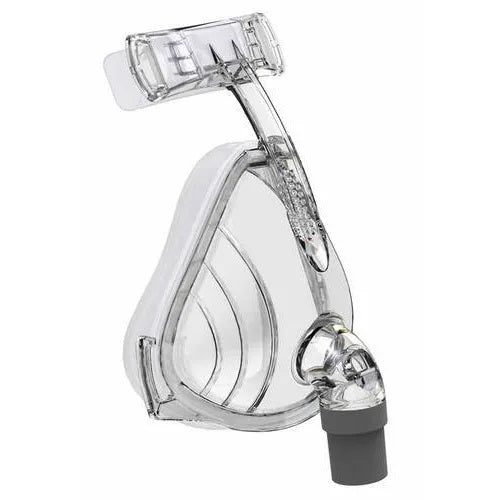
Type: Respiratory
Vented CPAP BIPAP Mask


Type: Anesthesia
ResPlus Auto CPAP Machine with Heated Humidifier for Home Use

Type: MeddeyGo
Oxygen Full Face Mask for Cpap
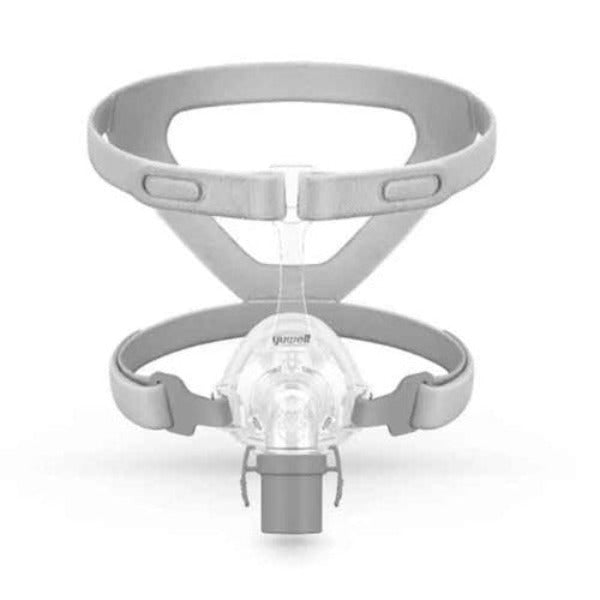
Type: Respiratory
CPAP Nasal Vented Mask Deluxe


Type: Anesthesia
ResPlus BiPAP Machine with Humidifier for Sleep Care


Type: Anesthesia
Premium CPAP BPAP Tubing
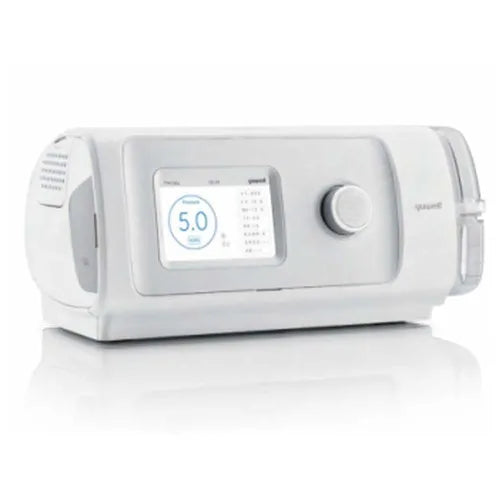
Type: Anesthesia
Yuwell BreathCare II YH-830 BiPAP Machine with Heated Humidifier

Type: Respiratory
Premium CPAP BiPAP Tubing
Type: anesthesia
CPAP Nasal Vented YN 03 from Yuvell
Collection:
Benefits of Using a CPAP Machine
Do you wake up feeling like you haven't slept at all? If you're battling exhaustion day after day, no matter how early you go to bed, the problem might not be the hours you log, but the quality of your breathing during those hours. This deep, unrelenting tiredness isn't a personal failing; for millions of people, it's a sign of a common but serious medical condition.
That loud, nightly snoring might be more than just a nuisance for your partner. It can be a key signal of sleep apnea, a condition where your breathing repeatedly stops and starts all night long. Each pause forces your body to jolt itself partially awake just to breathe, preventing you from ever reaching the deep, restorative stages of sleep that your brain and body desperately need.
So, what happens when you start using a CPAP to treat it? A CPAP machine, which stands for Continuous Positive Airway Pressure, simply sends a gentle, steady stream of air through a small mask to keep your airway open. Think of it as an air splint for your throat, ensuring your body gets the oxygen it needs without interruption and finally allowing you to truly rest.
The transformation is often profound, making the answer to is CPAP therapy worth it a clear "yes" for many. From waking up refreshed to having the energy to enjoy your evenings again, this simple therapy can dramatically improve your health and quality of life.
What Is Sleep Apnea? Understanding the "Floppy Straw" in Your Throat
If you're battling severe daytime sleepiness no matter how long you stay in bed, the culprit might be a surprisingly common condition called sleep apnea. At its core, this is a disorder where your breathing repeatedly stops and starts all night long. You may not be aware of these interruptions, but your body is, and it pays a heavy price.
To understand what's happening, imagine trying to drink through a soft, floppy straw. If you try to draw air through it, the straw can easily collapse on itself, blocking the flow. This is very similar to what occurs during an episode of obstructive sleep apnea. The soft tissues at the back of your throat relax too much during sleep, causing your airway to narrow or even close off completely.
While loud snoring is a common sign, it's not the same thing as apnea. Snoring is the sound of air vibrating as it squeezes through a partially blocked airway. The real issue with sleep apnea is what often comes next: a period of silence. This quiet moment is when the airway has fully collapsed, and your breathing has stopped.
Each time a pause occurs, your brain senses the lack of oxygen and sends a jolt of adrenaline to wake you up just enough to gasp for air. This can happen dozens or even hundreds of times per night, preventing you from ever reaching the deep, restorative stages of sleep. Your body spends the entire night fighting to breathe instead of resting, which is why you can sleep for eight hours and still wake up feeling completely exhausted.
Meet the CPAP Machine: Your Nightly "Air Splint" for Better Breathing
So, if the root of the problem is a collapsing airway---that "floppy straw"---how do you keep it open all night? This is where a CPAP machine comes in, and it's much simpler and more comfortable than most people think. The best way to understand its job is to think of it as a gentle "air splint" for your throat. Just as a splint provides support for a sprained wrist, the CPAP provides just enough support to keep your airway from closing while you sleep.
A common misconception is that this sleep machine breathes for you. It doesn't. CPAP stands for Continuous Positive Airway Pressure, which is a formal way of saying it sends a steady, quiet stream of air through a small mask. This constant, gentle pressure is all it takes to hold your airway open, preventing the breathing pauses that define sleep apnea. It ensures your body gets the oxygen it needs without the constant, exhausting struggle.
You might be picturing a loud, bulky device from an old movie, but modern CPAP machines have come a long way. Today's units are often sleek, whisper-quiet, and small enough to sit discreetly on your nightstand. Paired with lightweight and comfortable masks, they are designed to help you rest, not disturb you. Getting used to the feeling is the first step toward a profound change, starting with the very first night.

What to Expect in Your First Week: The End of Snoring and the Start of Real Rest
One of the most immediate and dramatic changes you'll notice with CPAP therapy happens before you even wake up: the silence. For many, loud snoring is the most obvious sign of a struggling airway. This sound is simply the vibration of tissues in your throat as air fights to get through a narrow or collapsing passage. The moment you turn on your CPAP machine, that gentle stream of air acts as a splint, holding the airway open. With a clear path, there's nothing left to vibrate, and the snoring can stop on the very first night.
Your partner will likely notice the quiet first, but you'll feel the difference. While getting used to wearing a mask takes a few nights of adjustment, the trade-off is profound. Instead of your body spending the entire night fighting for breath and jerking itself awake, it is finally allowed to do what it's supposed to do: rest. This isn't just about being quiet; it's about giving your body a break from a constant, exhausting battle it has been losing night after night.
This newfound peace allows you to achieve the deep, restorative stages of sleep that you've been missing. It's during these stages that your body repairs itself and your brain organizes memories. By preventing the constant breathing interruptions, the CPAP machine ensures you can finally cycle through these stages properly. The result is waking up feeling genuinely refreshed, not just less tired.
The first week is often a revelation. The end of snoring and the beginning of real, uninterrupted rest are just the start. As your body begins to catch up on the quality sleep it has craved, you'll start to notice other benefits, beginning with how you feel when the alarm goes off. The next change many people report is a lifting of the persistent mental cloudiness that so often plagues their mornings.
From Fog to Focus: How CPAP Therapy Clears Morning "Brain Fog"
Ever feel like your brain is running on low power in the morning, even after a full night in bed? That mental slowness, or "brain fog," isn't just about being tired; it's a direct result of what happens during sleep apnea. Each time your breathing pauses, your brain is briefly starved of oxygen, its most critical fuel. At the same time, the constant jolts back to breathing prevent you from reaching the deep, restorative sleep your mind needs to process information and recharge.
Using a CPAP machine changes this equation completely. By keeping your airway open, it guarantees your brain receives a steady, uninterrupted supply of oxygen all night long. This stable breathing also allows you to finally enter and remain in those crucial deep sleep stages. Think of it as allowing your brain's nightly cleaning crew to finally do its job properly, clearing out waste and organizing memories without being constantly interrupted by emergencies.
The difference is often astounding. Many people who start using their CPAP find their focus returns, memory sharpens, and decision-making becomes easier. Tasks at work that once felt daunting now seem manageable, and finding the right word in a conversation is no longer a struggle. These cognitive benefits of CPAP therapy aren't just a feeling; they are the direct result of giving your brain the consistent rest and fuel it desperately needs. This new mental clarity is a key step in winning back your day.
Winning Back Your Day: The Dramatic Boost in Daytime Energy from CPAP
If you live with sleep apnea, you know a unique kind of exhaustion that no amount of coffee can fix. This isn't just regular tiredness. It's because while you think you're sleeping, your body is in a constant, low-grade panic mode. Each breathing pause sends a jolt of adrenaline through your system, forcing your heart to work harder and your body to fight for air. Instead of resting and repairing, you spend the entire night running a marathon, which is why you wake up feeling completely drained.
This is where treating your sleep apnea with CPAP creates a profound shift. The machine's gentle, continuous airflow prevents your airway from collapsing, stopping the cycle of panic before it begins. For the first time in potentially years, your body is given permission to truly stand down. It can finally shift from "fight or flight" to "rest and recharge." This consistent breathing doesn't just quiet the snoring; it allows your muscles to relax and your internal systems to perform their crucial nightly maintenance.
The results of this newfound rest are often the most celebrated of all CPAP benefits. Many people report feeling a difference in their energy levels within just a few days. That dreaded 3 PM slump at work starts to disappear. Instead of crashing on the sofa after dinner, you have the energy to enjoy a hobby, play with your kids, or have a meaningful conversation with your partner. It's not about becoming hyperactive; it's about reclaiming the normal, steady energy you need to live your life fully.
This boost in vitality is a powerful sign that your body is no longer struggling just to get through the night. It's an indicator of deeper healing, relieving the immense pressure that sleep apnea puts on your entire system---most importantly, on your heart.
A Lighter Heart: How CPAP Reduces Strain on Your Cardiovascular System
That nightly struggle for air does more than just leave you feeling exhausted; it puts immense strain on your most vital organ: your heart. Each time your breathing pauses, your blood oxygen levels drop. Your body treats this as an emergency, releasing a surge of stress hormones that cause your heart rate and blood pressure to spike. Imagine flooring the gas pedal in your car over and over again, all night long. This repeated cycle, happening hundreds of times a night for some, forces your cardiovascular system to endure a level of stress it was never designed to handle.
By providing a gentle, steady flow of air, your CPAP machine prevents your airway from collapsing in the first place. This stops the chain reaction before it starts. With your oxygen levels stable, your body no longer receives those frantic emergency signals. As a result, your heart is finally allowed to beat at a normal, steady, resting rhythm throughout the night. This nightly relief is one of the most powerful CPAP machine long term health advantages, giving your entire cardiovascular system a crucial break from the constant strain.
This calming effect often extends well into your waking hours. The chronic stress of sleep apnea can contribute to high blood pressure even during the day, a major risk factor for heart attack and stroke. Because it helps normalize your body's stress response, successful obstructive sleep apnea treatment is directly linked to better blood pressure control for many people. By taking this pressure off your heart, you aren't just getting better sleep---you're making a powerful investment in your long-term health. And when your body is no longer in a constant state of physical stress, you'll likely notice you feel calmer and more even-tempered, too.
Why You'll Feel Happier and Less Irritable with CPAP Therapy
If you find yourself feeling constantly on edge or quick to anger, the problem might not be your day, but your night. The physical exhaustion of sleep apnea is only half the story; it's emotionally draining, too. When your body is in a state of constant stress just trying to breathe, it leaves very little in the tank for patience and positive feelings, making everyday frustrations feel overwhelming.
Much of this comes down to a lack of deep sleep. During these essential sleep stages, your brain works to process emotions and reset your stress responses---think of it as a nightly mental tune-up. But sleep apnea's constant breathing interruptions act like an alarm clock, repeatedly pulling you out of this vital maintenance cycle. You wake up not just tired, but with your emotional circuits still frayed from the day before, making you far more reactive to stress.
This is where one of the most surprising CPAP benefits emerges. By providing steady air that keeps your airway open, the machine protects your sleep from interruptions, allowing you to finally get the deep, healing rest you've been missing. The effect is often dramatic: you'll feel more like yourself again---calmer, more resilient, and better equipped to handle life's ups and downs. This renewed emotional balance can strengthen your relationships at home and at work, but achieving it depends on comfortable, consistent use. The first step is finding your perfect fit.
Finding Your Perfect Fit: A Simple Guide to Different CPAP Mask Types
The thought of wearing a mask to sleep is often the biggest hurdle for people considering CPAP. But modern CPAP masks are designed for comfort and come in several styles, ensuring there's a great option for almost everyone. Finding the one that fits your face and sleep style is the most important step toward getting used to a CPAP mask and unlocking its benefits.
While there are many brands and models, most masks fall into three simple categories. Your choice will depend on things like whether you breathe through your nose or mouth, if you toss and turn, or how much contact you're comfortable with on your face.
Thinking about which sounds best for you can make the process feel much less intimidating:
- Nasal Pillows: The most minimal option. These have soft, small cushions that rest at the entrance of your nostrils. They're perfect for people who feel claustrophobic or want a clear field of vision for reading before bed.
- Nasal Masks: A popular middle ground. This mask forms a gentle seal over your entire nose. It's often a great choice for those who need a slightly higher air pressure setting.
- Full Face Masks: The solution for mouth breathers. This mask covers both your nose and mouth, guaranteeing you get your prescribed air pressure even if you breathe through your mouth during the night.
You won't have to make this decision alone. A sleep specialist will work with you to try different types and find the perfect fit. They can also discuss equipment options that fit your needs and budget, from specific features to information like the Philips CPAP machine price in India. The goal is simple: to find a mask so comfortable, you barely notice it's there.

"Is It Hard to Get Used To?": Tips for Your First 30 Days with CPAP
Let's be honest: sleeping with a mask for the first time feels a bit strange. The initial adjustment period is the most common challenge, but a few simple CPAP tips can make the process much smoother. Think of it like breaking in a new pair of shoes; a little effort upfront leads to lasting comfort. What you can expect the first week of CPAP is a period of adaptation, but getting through it unlocks the life-changing benefits on the other side.
To ease into the therapy, many people find success by building the habit gradually. Instead of just trying to sleep with it for eight hours on night one, try these steps to make getting used to a CPAP mask feel more natural:
- Practice while you're awake. Wear your mask for 30 minutes while reading or watching TV. This helps your brain accept the feeling without the pressure of trying to fall asleep.
- Use the "ramp" feature. Most machines can start the air pressure at a very low, gentle level and slowly increase it as you drift off. This prevents the initial sensation from feeling overwhelming.
- Check for a good seal. Before settling in, make sure your mask fits snugly but comfortably. If you feel air blowing into your eyes or hear hissing, gently adjust the straps. A good seal is crucial for the therapy to work properly.
Patience is your best friend during this initial phase. Sticking with it is the most important part as your body and mind adapt. Before you know it, putting on your mask will be second nature, and you'll be waking up with the energy you've been missing. Once you've found your rhythm, keeping your equipment in top shape is the next simple step.
Keeping It Clean and Simple: Your Easy CPAP Maintenance Routine
Now that you're settling into your nightly routine, keeping your equipment fresh is the key to getting the most out of your therapy. Proper CPAP maintenance isn't a major chore; think of it as a simple habit, like brushing your teeth, that takes just a few minutes but pays off big. A clean system not only prevents the buildup of germs but also ensures your machine works efficiently, delivering the steady, comfortable pressure you need for a great night's sleep.
The routine itself is surprisingly simple and breaks down into two parts. On a daily basis, just take a moment to wipe down your mask cushion to remove any skin oils. Once a week, give your mask, tubing, and water chamber a gentle bath in warm, soapy water, then rinse and let them air dry. That's it. Whether you have an Oxymed CPAP machine or another brand, this basic care keeps everything in top shape and prolongs the life of your supplies.
This small investment of time ensures your therapy remains effective and hygienic night after night. It's a crucial habit, especially if you have a CPAP machine on rent, as good care is always expected. By making cleaning a simple part of your week, you protect your health and your investment. While a standard CPAP is the most common solution, some people require a slightly different kind of machine.
CPAP vs. BiPAP: What's the Simple Difference?
As you learn more about sleep apnea treatment, you might hear about another device called a BiPAP. The core idea behind the CPAP vs BiPAP differences is straightforward. Your CPAP machine delivers one steady, gentle stream of air all night long. As its name---Continuous Positive Airway Pressure---suggests, this single pressure is constant, effectively keeping your airway open while you sleep.
A BiPAP machine, on the other hand, works with two different pressures. The "Bi" in BiPAP stands for bilevel, meaning it provides a higher pressure when you inhale and then automatically switches to a lower pressure when you exhale. Think of it this way: CPAP is a steady, constant breeze, while BiPAP is a breeze that gets stronger as you breathe in and softer as you breathe out.
This two-level system can make breathing feel more comfortable and natural for some people, particularly those who need very high pressure settings. However, for the vast majority of people with obstructive sleep apnea, a standard CPAP is the most effective and commonly prescribed solution. Your doctor will determine which type of therapy is the right fit for your specific health needs.
Is CPAP My Only Option? A Quick Look at Alternatives for MILD Sleep Apnea
It's natural to wonder if a CPAP machine is the only path forward for treating sleep apnea. The answer really depends on how severe your condition is. Doctors often categorize sleep apnea as mild, moderate, or severe based on how many times your breathing stops each hour. This distinction is important because it helps determine the most effective sleep apnea treatment for you.
For some people with mild sleep apnea, other options can be very effective. The most common of these CPAP alternatives for mild sleep apnea is an oral appliance. This is a custom-fit device, much like a mouthguard, that you wear while you sleep. It works by gently shifting your jaw or tongue to keep your airway from becoming blocked. In addition, lifestyle adjustments like weight management or avoiding sleeping on your back can also make a significant difference.
While these alternatives can be game-changers for mild cases, they generally aren't enough to handle the challenges of moderate to severe sleep apnea. When breathing interruptions are more frequent and serious, CPAP therapy remains the gold standard for obstructive sleep apnea treatment success. It provides the consistent support needed to keep your airway open all night, ensuring your body gets the oxygen it desperately needs.
So, Is CPAP Therapy Really Worth It?
After learning about masks, machines, and pressure settings, it's fair to ask the most important question: is CPAP therapy worth it? Getting used to something new always takes effort, and starting therapy is a commitment. But more than anything, it's a commitment to reclaiming your health and your quality of life.
Consider the life you might be living now---mornings that feel just as tiring as the night before, afternoons lost in a mental fog, and evenings you're too exhausted to enjoy. This constant fatigue doesn't just affect you; it can strain your work, your mood, and even your relationships, holding you back from the activities you once loved.
True obstructive sleep apnea treatment success isn't just about breathing better; it's about living better. All the individual CPAP benefits you've read about add up to a life transformed. Imagine waking up feeling genuinely restored, having the mental clarity to excel at your job, and possessing the energy to be present with your family and friends. It's about getting your days back from the grip of exhaustion.
So, for the chance to feel like yourself again, the answer from millions is a resounding yes. The machine isn't the point; the vibrant life it gives you back is. It's a powerful tool that can turn restless nights into restorative sleep and foggy days into a future full of energy.
Your First Step to a More Energetic Life: How to Talk to Your Doctor
You once might have thought that constant exhaustion was just a part of life you had to accept. Now, you can see symptoms like loud snoring and persistent daytime sleepiness not as personal failings, but as clear signals that your body may need help. This shift in perspective is the first and most crucial step toward reclaiming your energy and well-being.
The next step is a simple conversation with your doctor. Starting this talk about how to start CPAP therapy can feel daunting, but it doesn't have to be. You can simply say, "I've been feeling exhausted and I'm concerned about my sleep. I'd like to discuss whether it could be sleep apnea."
To help guide that conversation, be ready to mention any of the following you or a partner have noticed:
- Loud, frequent snoring
- Waking up gasping or choking
- Morning headaches
- Extreme daytime sleepiness, even after a full night's sleep
- Pauses in breathing during sleep
Seeing a CPAP machine as just a mask misses the point. Think of effective sleep apnea treatment as a tool that gives you back your mornings, sharpens your focus, and fuels your days. This isn't about enduring a machine at night; it's about unlocking a more rested, present, and vibrant version of yourself every single day.
Q&A
Question: How quickly will I notice benefits after starting CPAP?
Short answer: Many people notice changes immediately. Snoring often stops the very first night because the gentle air pressure keeps your airway open, removing the vibration that causes noise. Within the first few nights, you’re more likely to reach deep, restorative sleep, which can translate into waking up genuinely refreshed. Over the first week, people commonly report clearer thinking, less morning “brain fog,” and a steady boost in daytime energy as your body finally rests instead of fighting to breathe all night.
Question: Is CPAP hard to get used to, and is the machine loud?
Short answer: There’s a short adjustment period, but it’s very manageable—and modern CPAPs are designed to help. Today’s machines are sleek and whisper-quiet. To get comfortable faster, practice wearing your mask while awake for 20–30 minutes, use the ramp feature so pressure starts low and rises gently as you fall asleep, and make sure the mask seal is snug without leaks. With a few nights of consistency, putting on your mask becomes second nature.
Question: Which CPAP mask should I choose?
Short answer: Pick the style that matches how you breathe and sleep: nasal pillows are minimal and great if you feel claustrophobic; nasal masks cover the nose and suit those who may need a bit more pressure; full-face masks cover nose and mouth and work best for mouth breathers. A sleep specialist will help you try different options, fine-tune the fit, and discuss features that match your needs and budget so the mask feels comfortable enough to “disappear” at night.
Question: How does CPAP support heart health and blood pressure?
Short answer: Sleep apnea causes repeated drops in oxygen and stress-hormone surges that spike heart rate and blood pressure—like flooring the gas pedal all night. CPAP prevents airway collapse, stabilizing oxygen levels and stopping those emergency signals. That lets your heart maintain a calm, resting rhythm overnight and often supports better daytime blood pressure control. In short, you’re not just sleeping better—you’re easing nightly strain on your cardiovascular system.
Question: How do I get started—what should I ask my doctor?
Short answer: Begin with a simple conversation: “I’m exhausted and I’m worried about my sleep. Could it be sleep apnea?” Share symptoms you or a partner notice—loud snoring, pauses in breathing, waking up gasping, morning headaches, or persistent daytime sleepiness. Your doctor can guide testing and treatment, which may include CPAP (the gold standard for moderate to severe apnea). For mild cases, they may also discuss alternatives like custom oral appliances or lifestyle changes.