


Type: Manikin
Half Body CPR Manikin for CPR Training Practice


Type: Manikin
89-Inch Human Circulatory System Model with Organs


Type: MeddeyGo
Laerdal LA Airway 6-PK – Replacement Airway Set for CPR Manikins


Type: Manikin
PractiMan CPR Training Manikin for First Aid Training


Type: Manikin
Central Venus Trainer for Cannulation Practice


Type: Simulator Manikins
Educational New Born Model with Placenta and Cord


Type: Simulator Manikins
Arm Injection Model for Intradermal Practice
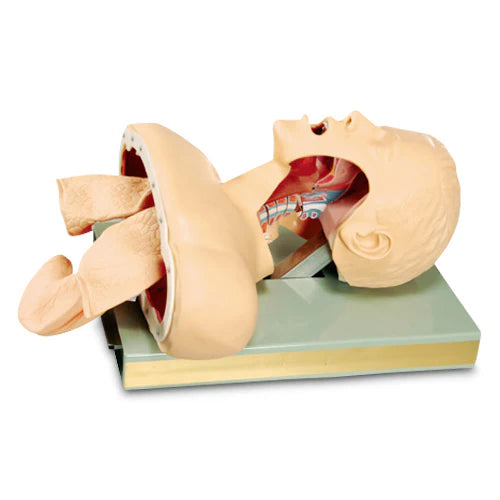
Type: Manikin
Intubation Manikin for Oral and Nasal Airway Training

Type: Manikin
Advanced Nursing Manikin with Organs for Training

Type: Manikin
Suture Arm for Surgical Skills and Wound Practice


Type: Manikin
Advanced 3-Year-Old Child Nursing Manikin | Unisex

Type: Manikin
Advanced Blood Pressure Training Arm Model


Type: Manikin
Abdominal Palpation & Delivery Mechanism Simulator

Type: Manikin
Advance Trauma Simulator for Emergency Care Training


Type: Manikin
Prestan AED UltraTrainer with Dual Auto Modes
Collection:
Benefits of Using CPR Training Manikins

CPR training manikins, also known as resuscitation manikins, are anatomically correct models designed to simulate real-life scenarios for the purpose of teaching cardiopulmonary resuscitation (CPR) techniques. These manikins are pivotal in providing realistic, hands-on learning experiences, enabling trainees to practice and perfect their skills in a controlled, risk-free environment.
The Role of CPR Manikins in Medical Training
These manikins are not just dummies; they are sophisticated tools equipped with features that provide immediate feedback on performance. This includes metrics such as compression depth and rate, which are crucial for effective CPR. By using these manikins, trainees can master the seven critical steps of CPR in a structured manner, ensuring preparedness in actual emergency situations. Beyond just practice, they allow for the assessment of skills, helping instructors pinpoint areas for improvement.
Anatomical Accuracy and Realism
CPR manikins are crafted with great attention to anatomical detail, reflecting the precise human form, which is critical for teaching accurate CPR techniques. This anatomical accuracy helps learners understand the nuances of human physiology, particularly the cardiovascular and respiratory systems, which are vital when performing CPR. Furthermore, these manikins often feature realistic skin and tissue textures, enhancing the tactile experience for users.
Diverse Applications in Training
The applications of CPR training manikins are diverse, extending beyond basic CPR training to include advanced cardiac life support (ACLS) scenarios, pediatric resuscitation, and even trauma care. This diversity in application ensures that a wide spectrum of healthcare professionals, from nurses to emergency medical technicians, can benefit from tailored training that meets their specific needs and skill levels. Additionally, some manikins are designed for team-based training, fostering collaboration and communication skills among healthcare teams.
Key Benefits of Using CPR Training Manikins
Enhanced Realism in Training
One of the primary benefits of using CPR training manikins is the realism they bring to training scenarios. Modern manikins are designed with lifelike anatomy and features, including realistic airway resistance, palpable pulses, and chest rise, allowing for an authentic training experience. This realism is crucial as it helps bridge the gap between training and real-life emergencies, reducing the shock and hesitation that can occur when first encountering a critical situation.
Immediate Feedback Mechanisms

Advanced CPR manikins are equipped with technology that provides real-time feedback to users. This feedback helps trainees adjust their techniques, such as compression depth and ventilation rate, which are vital for effective resuscitation. This immediate input allows for quicker learning and skill refinement. The feedback is often delivered through visual indicators, audible alerts, or digital interfaces, ensuring that learners receive clear and actionable insights into their performance.
Versatility in Training Scenarios
CPR manikins come in various models, each catering to different training needs. From basic models for beginners to sophisticated manikins for advanced life support training, these tools are versatile and adaptable to a wide range of educational settings. This versatility ensures that training programs can be tailored to meet specific requirements. For instance, some manikins are designed to simulate specific medical conditions such as cardiac arrest or airway obstruction, providing targeted training for these scenarios.
Cost-Effective Training Solutions
Investing in CPR training manikins can be a cost-effective solution for medical institutions. By providing durable and reusable training tools, hospitals and training centers can reduce the need for frequent replacements, ultimately saving on costs associated with training equipment procurement. Furthermore, the ability to conduct in-house training with these manikins reduces the reliance on external courses, thereby lowering overall training expenses.
Compliance with Training Standards
Many CPR manikins are designed to comply with international guidelines and standards for CPR training. This ensures that the training provided is up-to-date with the latest protocols, which is essential for maintaining the credibility and effectiveness of medical training programs. Compliance with standards also facilitates the certification process for trainees, as they can be confident that their skills meet recognized benchmarks.
The Importance of CPR Training Equipment in Healthcare
The integration of CPR training equipment, including manikins, is crucial for enhancing the quality of medical education. By utilizing these tools, medical professionals can maintain high standards of care, ensuring that they are well-prepared to handle emergencies.
Supporting Hospital Administrators
For hospital administrators, procuring high-quality CPR training equipment is a strategic investment that enhances the institution's training capabilities. By equipping staff with the best tools, administrators can ensure that their teams are ready to deliver optimal patient care. Moreover, having access to state-of-the-art training equipment can enhance the reputation of the healthcare facility, attracting skilled professionals who are eager to work in an environment that prioritizes continuous learning and development.
Empowering Medical Equipment Distributors
Medical equipment distributors benefit from staying informed about the latest advancements in CPR training tools. By understanding market demands and differentiating their products effectively, distributors can increase their market share and establish themselves as leaders in the field. Furthermore, by forming partnerships with leading manufacturers, distributors can offer exclusive products and services, thereby enhancing their value proposition to customers.
Assisting Healthcare Technology Consultants
For healthcare technology consultants, staying current with CPR training innovations is essential for providing clients with informed recommendations. By understanding the latest trends and tools, consultants can help healthcare facilities implement effective training programs that meet modern standards. This expertise positions consultants as trusted advisors, enabling them to build long-term relationships with their clients and drive successful outcomes in medical education and patient care.
Innovations in CPR Training Manikins
The market for CPR training manikins has seen significant advancements in recent years. Manufacturers are continually developing new features to enhance training outcomes, such as wireless connectivity for easier data collection and analysis, as well as realistic skin textures for a more authentic experience.
Leading Manufacturers and Products
Several companies are at the forefront of CPR manikin innovation, offering a wide range of products designed to meet diverse training needs. In India, the government has been proactive in promoting awareness about the importance of CPR training, supporting initiatives to equip training centers with state-of-the-art manikins. These efforts are crucial in driving nationwide improvements in emergency medical response capabilities.
The Role of Technology in Enhancements
Technology plays a significant role in the enhancements of CPR manikins. From integrating artificial intelligence for personalized feedback to incorporating virtual and augmented reality for immersive training experiences, technology is redefining the boundaries of medical education. These innovations not only improve skill acquisition but also boost learner engagement, making training sessions more effective and enjoyable.
The Future of CPR Training
As technology continues to evolve, the future of CPR training looks promising. With the advent of virtual reality and augmented reality in medical training, CPR manikins are expected to integrate even more sophisticated features, offering unparalleled training experiences. These advancements are poised to revolutionize the way medical professionals are trained, ensuring they are equipped with the skills and confidence needed to save lives in critical situations.
Conclusion
CPR training manikins are an indispensable component of modern medical education. By providing realistic, hands-on training experiences, these tools play a vital role in preparing healthcare professionals for emergencies. As the landscape of healthcare technology continues to evolve, staying informed about the latest advancements in CPR training equipment is essential for ensuring the highest standards of patient care.
For hospital administrators, medical equipment distributors, and healthcare technology consultants, understanding the benefits and innovations in CPR training manikins is key to making informed decisions that enhance training outcomes and improve patient care delivery. With continuous advancements, the potential for these tools to transform medical training and emergency preparedness remains vast and exciting.
Q&A
Question: How do CPR training manikins improve learning compared to lecture-only instruction?
Short answer: They provide realistic, hands-on practice with immediate performance feedback (e.g., compression depth and rate), allowing trainees to master the seven critical steps of CPR in a structured way. Instructors can assess skills and target improvements, which reduces hesitation and improves readiness in real emergencies.
Question: What features make modern CPR manikins feel realistic and anatomically accurate?
Short answer: They replicate human anatomy with lifelike skin and tissue textures, realistic airway resistance, palpable pulses, and visible chest rise. This fidelity helps learners grasp key aspects of cardiovascular and respiratory physiology, leading to more accurate technique.
Question: Who can benefit from these manikins, and what training scenarios do they support?
Short answer: A wide range of healthcare professionals---from beginners to advanced providers like nurses and EMTs---benefit from models tailored to basic CPR, ACLS, pediatric resuscitation, trauma care, and team-based training. Some manikins also simulate specific conditions such as cardiac arrest or airway obstruction for targeted practice.
Question: How are CPR manikins cost-effective while ensuring training meets standards?
Short answer: Their durability and reusability lower replacement needs and enable in-house training, reducing reliance on external courses and overall expenses. Many manikins comply with international CPR guidelines, keeping training aligned with current protocols and supporting certification credibility.
Question: What innovations are shaping CPR manikins now and in the future, and who benefits?
Short answer: Advancements include wireless connectivity for data collection, AI-driven personalized feedback, and VR/AR for immersive scenarios, along with increasingly realistic skin textures. These improvements enhance outcomes for hospitals (stronger training capability and reputation), distributors (clear differentiation and partnerships), and consultants (informed program design). Government-backed initiatives---such as those in India---are also accelerating adoption and strengthening nationwide emergency response capacity.