Skip to content

India’s Go to Platform for Medical Supplies Procurement

VentiFlex Ventilator Circuit Plain Dual Limb Adult

Type: Anesthesia

VentiFlex Ventilator Circuit Plain Dual Limb Adult

Regular price Rs. 239
Sale price Rs. 239 Regular price Rs. 368
Ventilator Disposable Double Water trap Circuit

Type: MeddeyGo

Ventilator Disposable Double Water trap Circuit

Regular price From Rs. 250
Sale price From Rs. 250 Regular price Rs. 399
ventilator circuit plain

Type: General

Ventilator Circuit Plain Delux

Regular price From Rs. 857
Sale price From Rs. 857 Regular price Rs. 1,468
foley trac gs 1026

Type: Nursing

Foley Trac GS 1026

Regular price From Rs. 735
Sale price From Rs. 735 Regular price Rs. 1,455
12_channel_ecg_machine

Type: ecg machine

12 Channel ECG Machine with High Quality Waveforms

Regular price Rs. 56,499
Sale price Rs. 56,499 Regular price Rs. 69,000
syringe pump medical

Type: syringe pump

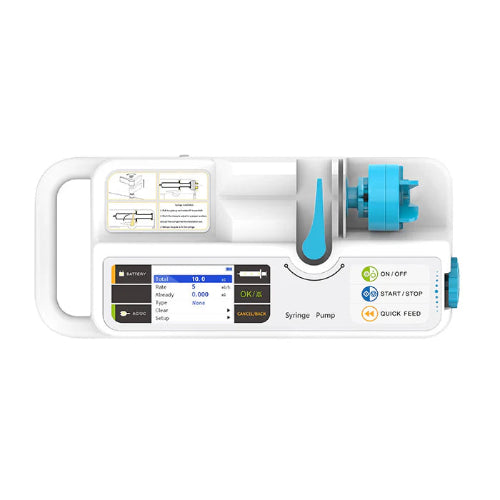
Byond Syringe Pump

Regular price Rs. 19,999
Sale price Rs. 19,999 Regular price Rs. 27,600
infusion pump

Type: General Accessories

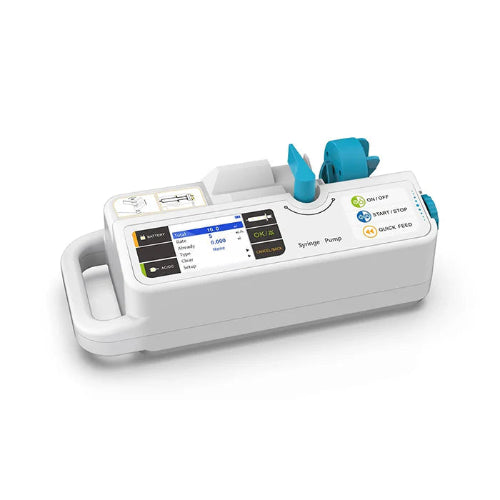
Infusion Pump Flight 750

Regular price Rs. 17,999
Sale price Rs. 17,999 Regular price Rs. 29,440
mechanical icu bed

Type: ICU Beds

ICU Hospital Bed 5 Function Mechanical with Wheels

Regular price From Rs. 33,499
Sale price From Rs. 33,499 Regular price Rs. 55,000
ventilator tubing

Type: Anesthesia

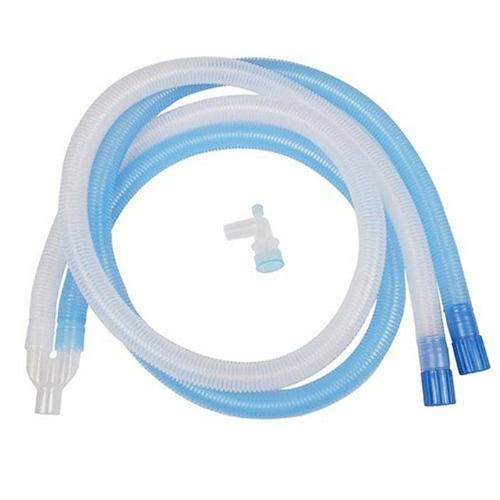
Ventilator Tubing with Double Water Trap Breathing Circuit

Regular price Rs. 350
Sale price Rs. 350 Regular price Rs. 500
hospital bed electric 2 function

Type: Hospital Bed

Full Fowler Hospital Bed Electric 2 Function ABS Panel Collapsible Railing Wheels

Regular price From Rs. 36,549
Sale price From Rs. 36,549 Regular price Rs. 55,000
hospital bed full fowler abs

Type: Hospital Bed

Hospital Bed Full Fowler ABS Panel and Collapsible Railing

Regular price From Rs. 26,999
Sale price From Rs. 26,999 Regular price Rs. 32,000
sanjeevni 1003 defibrillator

Type: Anesthesia

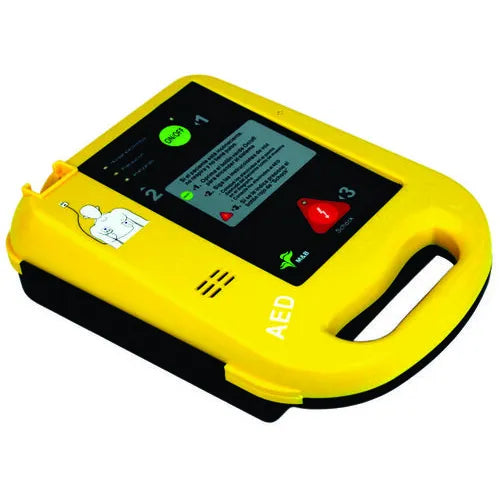
Sanjeevni 1003 Defibrillator

Regular price Rs. 98,899
Sale price Rs. 98,899 Regular price Rs. 174,800
Contec Syringe Pump

Type: syringe pump

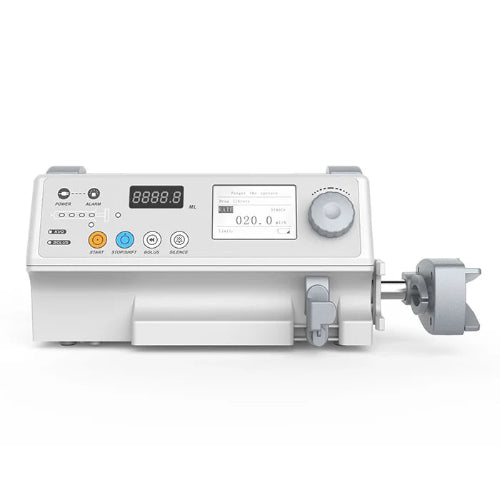
Contec Syringe Pump

Regular price Rs. 16,900
Sale price Rs. 16,900 Regular price Rs. 23,000
full fowler bed 2 function

Type: Hospital Furniture

Full Fowler 2 Function Electric Hospital Bed

Regular price Rs. 38,499
Sale price Rs. 38,499 Regular price Rs. 50,000
full fowler bed 2 function

Type: Hospital Bed

Electric Full Fowler Bed 2 Function with ABS Panels

Regular price From Rs. 36,549
Sale price From Rs. 36,549 Regular price Rs. 55,000

Collection: ICU Machines & Critical Care Equipment List

The Intensive Care Unit (ICU) is the technological epicenter of a hospital, where biological life is sustained through advanced mechanical intervention. Every icu machine within this unit is a precision instrument designed to replace or support failing organ systems. This guide provides an unprecedented, deep-dive exploration into the ICU equipment list and uses, ensuring that hospital administrators and clinicians understand the mechanical functions required to manage high-acuity patients in 2026.

1. Mechanical Ventilators: The Lungs of Critical Care

A mechanical ventilator is the most complex icu machine in the respiratory arsenal. It doesn't just "breathe" for a patient; it manages the gas exchange physics required to keep the blood pH balanced. When the diaphragm fails or lungs become non-compliant (as seen in ARDS or severe Pneumonia), the ventilator takes over.

The Science of Breath Control:

Modern ICU ventilators utilize closed-loop feedback systems to deliver oxygen. PEEP (Positive End-Expiratory Pressure) is a critical function that keeps alveoli open during exhalation, preventing lung collapse. Advanced modes like PRVC (Pressure Regulated Volume Control) adjust pressure breath-by-breath to ensure the patient receives the exact oxygen volume needed without causing barotrauma (lung tissue tearing).

Clinical Scope: Mandatory for post-cardiac arrest recovery, drug overdose management, and neuromuscular diseases where respiratory drive is absent.

2. Multipara Patient Monitors: Continuous Hemodynamic Surveillance

In an ICU, "the eyes of the nurse" are the Multipara Patient Monitors. This icu machine aggregates data from multiple sensors to provide a holistic view of the patient’s stability. Unlike standard ward monitors, ICU versions are designed for High-Acuity Monitoring, featuring modular slots for invasive pressure cables.

  • Invasive Blood Pressure (IBP): Uses an arterial line to provide beat-to-beat pressure readings, critical for titrating life-saving vasopressors.
  • Capnography (EtCO2): Measures the carbon dioxide in exhaled breath, providing the earliest warning of respiratory failure or accidental extubation.
  • Arrhythmia Detection: Sophisticated algorithms that identify ST-elevation (Heart Attack signals) or Atrial Fibrillation in real-time.

3. Syringe & Volumetric Infusion Pumps: Pharmacological Precision

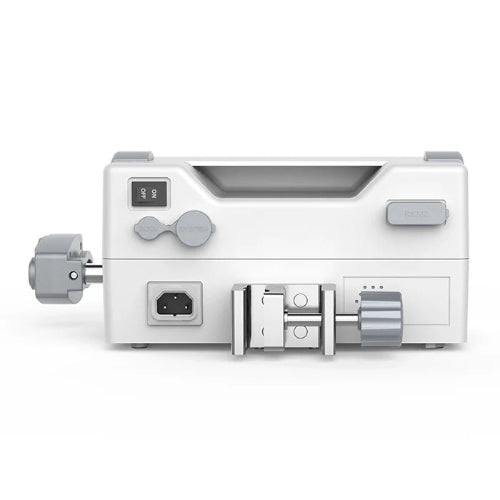
In the ICU, drugs are often measured in micrograms. A standard gravity IV drip is dangerous for potent medications like adrenaline or insulin. The Infusion Pump is an icu machine that automates delivery with 99.9% accuracy.

Volumetric Pumps are used for large volume fluids (Saline, TPN), while Syringe Pumps are used for concentrated, high-potency drugs where a variation of 1ml/hr can lead to cardiac arrest. These devices feature "Smart Drug Libraries" that prevent a nurse from accidentally entering a lethal dose, acting as a final digital safety net.

4. Defibrillators: High-Energy Cardiac Resuscitation

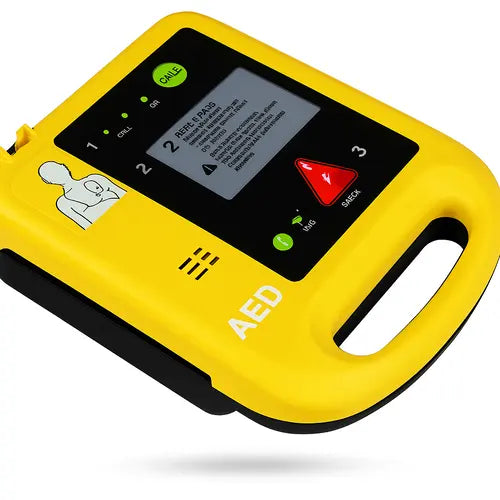
The Defibrillator is the ultimate emergency icu machine. In 2026, the industry has moved exclusively to Biphasic Technology. This means the electric shock travels from one paddle to the other and back again. This dual-path current is more effective at stopping fatal rhythms like Ventricular Fibrillation (VF) while using less energy, thereby reducing the "burn" or damage to the heart muscle during the shock.

5. Hemodialysis Machines: Artificial Renal Function

When a patient goes into septic shock, their kidneys often shut down (Acute Kidney Injury). The Hemodialysis Machine is an icu machine that takes over the job of filtering blood. It draws blood out, runs it through a "dialyzer" (a bundle of microscopic straws that act as a filter), balances the electrolytes (Potassium/Sodium), and returns the cleaned blood to the body. This is a life-sustaining intervention for patients with metabolic imbalances or toxin accumulation.

6. 12-Lead ECG Machines: Diagnostic Mapping

While bedside monitors show a 3-lead view of the heart, the 12-Lead ECG Machine is the diagnostic icu gadget required for a complete electrical map. It looks at the heart from 12 different angles, allowing cardiologists to pinpoint exactly which coronary artery is blocked. Advanced models like the BPL Cardiart 6108T provide instant digital printouts that are vital for making split-second decisions regarding emergency surgery.

7. Ultrasound Machines (POCUS): Bedside Diagnostic Imaging

The "Point-of-Care Ultrasound" (POCUS) has revolutionized the ICU. Instead of waiting hours for a radiologist, the ICU doctor uses this icu machine to look inside the patient immediately. It is used to guide needles into deep veins (Central Lines), check for fluid around the heart (Pericardial Effusion), and assess lung congestion without exposing the patient to the radiation of an X-ray.

8. Motorized ICU Beds: Ergonomic Life-Support Platforms

An ICU bed is much more than a place to sleep; it is a mechanical icu machine. It must allow for the Trendelenburg position (head down, feet up) to treat low blood pressure. It also features a "CPR Release" handle that flattens the bed in less than 2 seconds if the patient’s heart stops. Integrated air-loss mattresses constantly shift pressure to prevent "bedsores," which can be fatal for long-term ICU patients.

9. Suction Machines: Airway Management & Clearance

Patients on ventilators cannot cough effectively. Secretions (mucus) build up in the lungs, which can lead to infection or suffocation. The Surgical Suction Machine is an essential icu machine that provides high-pressure vacuuming to clear the airway. These are mandatory during the "extubation" process (removing the breathing tube) to ensure the patient can breathe clearly on their own.

10. Glucometers: Metabolic Balance Monitoring

Critically ill patients often experience "stress hyperglycemia," where their blood sugar spikes even if they aren't diabetic. The Glucometer is an icu instrument used hourly to monitor these levels. High blood sugar slows down healing and increases the risk of sepsis, making these small devices essential for maintaining metabolic stability.

11. Feeding Tubes: Enteral Nutritional Support

The body needs massive amounts of energy to fight off critical illness. If a patient is unconscious, they cannot eat. NG (Nasogastric) Tubes are icu devices passed through the nose into the stomach to deliver liquid nutrition. This prevents the stomach from shutting down and keeps the immune system fueled during the recovery process.

12. Central Venous Catheters (CVC): High-Volume Vascular Access

When standard hand veins collapse, clinicians use the **Central Line**. This icu equipment is a long catheter inserted into the large veins of the neck or chest. It allows for the delivery of "caustic" medications that would damage smaller veins and provides a direct measurement of the pressure inside the heart (CVP), guiding fluid therapy for patients in shock.

Why Choose MeddeyGo for ICU Machine Procurement in 2026?

In the high-stakes world of critical care, the difference between success and failure often lies in the reliability of your infrastructure. Choosing MeddeyGo as your procurement partner means more than just purchasing an icu machine it means investing in clinical peace of mind. As India’s leading medical equipment aggregator, we vet every single device—from high-frequency ventilators to precision infusion pumps—against rigorous 2026 international safety standards. 

We understand that an ICU never sleeps. That is why our catalog features only top-tier brands like Contec, BPL, and Yonker, ensuring that every icu machine you deploy has a proven track record of durability and accuracy. Beyond the hardware, MeddeyGo provides comprehensive after-sales support, technical calibration guides, and the industry’s most transparent warranty protocols. We help hospitals minimize "downtime" by offering a centralized supply chain for all consumables like ECG electrodes, suction catheters, and ventilator circuits. When you choose MeddeyGo, you are choosing a partner dedicated to the same goal as your clinical team: saving lives through technological excellence.

Quick Facts: Top 10 ICU Machine Safety Warnings

  • 1. Never bypass "Smart Alarms" on an icu machine without clinical assessment.
  • 2. Ensure all electrical ICU devices are grounded to prevent micro-shocks to the heart.
  • 3. Ventilator circuits must be changed every 7 days to prevent VAP (Pneumonia).
  • 4. Always check battery backup levels before moving an icu machine during transport.
  • 5. Use only medical-grade silicone for lubricating motorized ICU beds.
  • 6. Calibrate infusion pumps every 6 months to ensure dosage accuracy.
  • 7. Keep suction machines plugged into "Emergency Power" (UPS) outlets only.
  • 8. Never use standard cleaning alcohol on plastic ICU monitor screens (causes cracking).
  • 9. Ensure defibrillator gel pads are not expired; dry pads cause skin burns.
  • 10. Document every icu machine's serial number for recall tracking.

ICU Machine & Setup: Frequently Asked Questions

1. What is the most expensive icu machine in a standard setup?
The mechanical ventilator is typically the most significant capital investment. Prices vary based on whether it is a "Turbine-based" or "Compressor-based" system and the complexity of its AI-driven weaning modes. High-end ventilators for 2026 can range from ₹5 Lakhs to ₹15 Lakhs depending on the brand and integrated monitoring features.
2. Can an icu machine function during a total power failure?
Yes, but only for a limited window. Most critical ICU devices like ventilators and monitors have internal batteries that last between 2 to 4 hours. However, in a professional hospital setting, these machines must be plugged into "Red Sockets" which are backed up by industrial UPS systems and diesel generators to ensure 100% uptime.
3. How often should icu machine sensors be replaced?
Consumables like SpO2 probes and ECG cables should be inspected daily and typically replaced every 6-12 months due to structural wear from constant cleaning. Internal oxygen sensors in ventilators usually need replacement every 12-18 months of continuous use to maintain accurate FiO2 delivery.
4. Why do ICU monitors have so many different colored lines?
This is for rapid visual recognition. Green is traditionally for ECG/Heart Rate, Blue is for SpO2 (Oxygen), Red is for Arterial Blood Pressure, and Yellow is for Respiration or EtCO2. This standardization allows clinical staff to identify a life-threatening change in a specific organ system from across the room.
5. Is it safe to use a portable icu machine during an MRI?
Only if the machine is explicitly labeled "MRI Conditional." Standard ICU machines contain ferromagnetic materials that can be pulled into the MRI magnet or malfunction due to the magnetic field. Special non-magnetic ventilators and monitors must be used for patients requiring critical care during imaging.
6. What is the role of a "Crash Cart" alongside ICU machines?
A Crash Cart is a mobile emergency station that houses a defibrillator, emergency drugs (Atropine/Adrenaline), and intubation kits. It is designed to be the "first responder" hub when any icu machine alarms signify a cardiac or respiratory arrest, ensuring all tools are reachable within seconds.