


Type: Manikin
Half Body CPR Manikin for CPR Training Practice


Type: Manikin
IM Injection Trainer for Medical Training


Type: Manikin
Deluxe Fetal Skull Model for Obstetrics Teaching

Type: MeddeyGo
Intramuscular Injection Model for Skills Training


Type: MeddeyGo
Laerdal LA Airway 6-PK – Replacement Airway Set for CPR Manikins

Type: Manikin
Male Catheterization Model with Replaceable Urethra


Type: Manikin
Injection Arm Model with Circulation Pump & Veins


Type: Simulator Manikins
Injectable Training Arm Model – Delux Injection Training Arm for Hospitals


Type: Manikin
IUD Training Delux Model for Insertion and Removal


Type: Medansh
Full-Body Nurse Training Doll for Clinical Skills


Type: Simulator Manikins
Female Reproductive System 3D Model with 56 Labels


Type: Manikin
Electronic Intubation Manikin with Feedback System

Type: Manikin
Female Catheterization Model with Urethral Resistance


Type: Manikin
Electronic Buttock Injection Model with Feedback
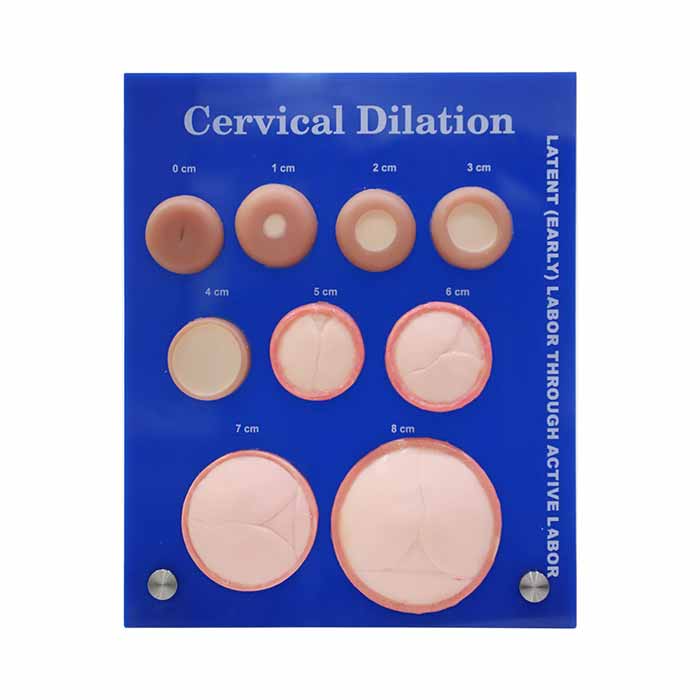
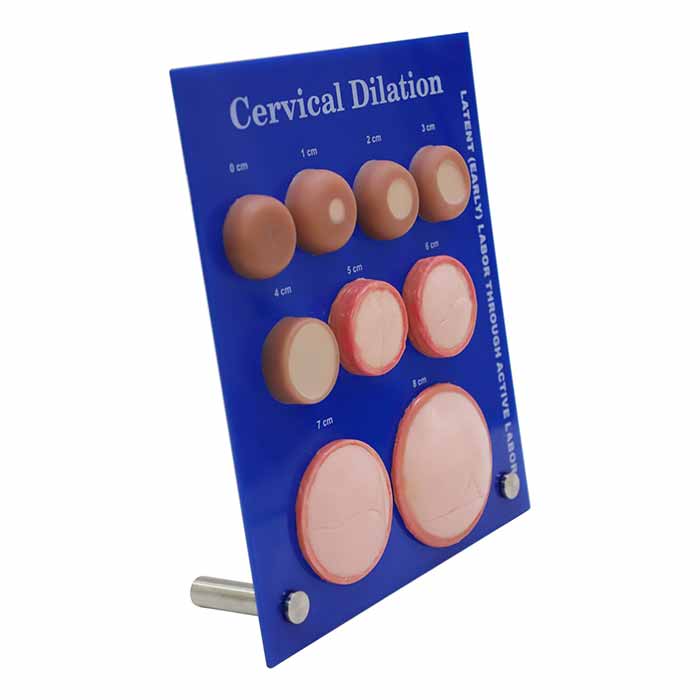
Type: MeddeyGo
Cervical Dialation Model
Collection:
Medical Manikins & Training Simulators
In the rapidly evolving world of healthcare, the use of medical manikins and training simulators has become integral to medical education and professional training. These tools are pivotal in bridging the gap between theoretical knowledge and practical application, ensuring that healthcare professionals are well-prepared to deliver high-quality patient care.

Medical manikins and training simulators serve as essential components in the realm of simulation-based learning. They provide a risk-free environment where medical students and professionals can practice and hone their skills. These manikins replicate human anatomy and physiological responses, offering realistic scenarios for various medical procedures.
The Evolution of Medical Manikins
The journey of medical manikins dates back to the early 20th century when basic anatomical models were used for educational purposes. Over the decades, technological advancements have transformed these static models into dynamic, responsive simulators. Today, manikins can simulate complex physiological responses, providing a more immersive learning experience.
Applications in Medical Training
Manikins are primarily used in medical training to simulate a wide range of clinical conditions. They allow for the practice of procedures such as cardiopulmonary resuscitation (CPR), surgical operations, and emergency response without the risk of harming a real patient. This hands-on experience is invaluable in preparing medical professionals for real-world challenges. Additionally, manikins are used in specialized areas such as obstetrics and gynecology, anesthesia, and pediatrics, offering tailored training experiences.
Advancements in Simulator Technology
Simulators vary widely in complexity and application. They range from basic CPR manikins to highly sophisticated full-body simulators that can mimic a variety of medical conditions. Recent advancements include the integration of artificial intelligence to provide real-time feedback and assessment. This technology enhances the learning process by allowing trainees to receive immediate feedback on their performance, facilitating quicker skill acquisition.
Virtual Reality and Augmented Reality Integration
Virtual Reality (VR) and Augmented Reality (AR) have revolutionized the field of medical training. VR simulators offer immersive environments where trainees can practice procedures in a virtual setting. AR, on the other hand, enhances real-world practice by overlaying digital information onto the physical environment. These technologies provide learners with unique opportunities to engage with complex clinical scenarios in a controlled manner, improving both skills and confidence.
The Importance of Medical Simulation Training

Medical simulation training is vital for several reasons. It not only enhances skill acquisition but also promotes safety and confidence among healthcare practitioners. Simulation training is an indispensable part of modern medical education, ensuring that professionals are well-equipped to handle real-life medical situations effectively.
Enhancing Skill Acquisition
Simulation training allows learners to develop and refine their skills in a controlled environment. By practicing on manikins and simulators, students can master techniques without the pressure of real-world consequences. This iterative learning process accelerates skill development, enabling healthcare professionals to perform procedures with precision and expertise.
Ensuring Patient Safety
By practicing on manikins, medical professionals reduce the risk of errors when treating actual patients. Simulation training emphasizes the importance of patient safety, teaching practitioners to adhere to best practices and protocols. This training method significantly reduces the likelihood of medical errors, ultimately leading to improved patient outcomes and trust in healthcare services.
Building Confidence and Competence
Repeated practice builds confidence, enabling practitioners to perform procedures with greater proficiency. Confidence is crucial in high-stress medical environments, where quick decision-making and precise execution are required. Through simulation training, practitioners gain the assurance needed to handle complex cases, thereby increasing their competence and effectiveness in clinical settings.
Facilitating Team Collaboration
Simulation exercises often involve multiple participants, promoting teamwork and communication skills. In healthcare, interdisciplinary collaboration is key to providing comprehensive patient care. Simulation training fosters an environment where team members can practice working together, enhancing coordination and improving overall team dynamics.
What Is Medical Simulation Equipment?
Medical simulation equipment encompasses a range of devices and tools used in training and assessment. This includes a variety of manikins, simulators, and technological systems that collectively provide a comprehensive training experience for medical professionals.
Comprehensive Role of Manikins
Manikins serve as anatomical models for procedure practice, offering realistic replicas of human anatomy. They are used across various medical disciplines to teach essential skills. From basic life support to advanced surgical techniques, manikins play a crucial role in ensuring that healthcare professionals are well-prepared for clinical challenges.
Diverse Range of Simulators
Simulators are machines that replicate physiological responses, providing a dynamic learning experience. They are designed to mimic a wide array of medical conditions, enabling trainees to engage with complex scenarios. The diversity of simulators available caters to different educational needs, from basic task trainers to high-fidelity models that simulate intricate bodily functions.
Integration of Virtual Reality Systems
Virtual Reality Systems offer immersive and interactive learning experiences. These systems allow trainees to enter a virtual environment where they can practice procedures without physical limitations. VR technology enhances the realism of simulation training, providing a safe space for learners to experiment and learn from their mistakes without any real-world consequences.
Leading Brands and Innovations
Several companies are at the forefront of developing medical manikins and training simulators, each offering unique solutions to meet the needs of healthcare educators and practitioners. These brands continuously innovate to enhance the realism and effectiveness of simulation training, contributing to the advancement of medical education worldwide.
Laerdal Medical Manikins
Laerdal is a renowned name in the field, known for its high-quality manikins and simulation equipment. Their products are widely used in medical schools and training centers globally, including India, where they play a crucial role in educating future healthcare professionals. Laerdal's commitment to research and development ensures that their products remain at the cutting edge of medical simulation technology.
Armstrong Medical CPR Manikins
Armstrong Medical offers a range of CPR manikins that are essential tools in training programs. These manikins provide realistic feedback, allowing learners to perfect their CPR techniques and improve survival rates in cardiac emergencies. Armstrong's focus on realism and accuracy makes their manikins a preferred choice for CPR training, contributing to enhanced emergency response capabilities.
Innovative Solutions by Gaumard Scientific
Gaumard Scientific is another key player in the field, known for its innovative simulation solutions. Their simulators are designed to offer a lifelike training experience, with features such as real-time vitals monitoring and wireless operation. Gaumard's emphasis on user-friendly design and technological integration makes their products highly effective for both individual and team training scenarios.
Simbionix's Cutting-Edge Technology
Simbionix specializes in virtual reality-based simulation systems that provide a fully immersive learning environment. Their technology is at the forefront of VR application in medical training, offering a wide range of modules for different medical specializations. Simbionix's VR systems are known for their high-quality graphics and interactive features, allowing for a comprehensive and engaging training experience.
The Role of Medical Manikins in India
In India, the adoption of medical manikins and training simulators in medical schools has been growing. These tools are crucial in overcoming the challenges of limited clinical exposure and ensuring that students receive comprehensive training. The integration of simulation-based learning in medical education is transforming the landscape of healthcare training in the country.
Overcoming Clinical Exposure Limitations
India faces challenges related to limited clinical exposure for medical students due to a high patient-to-doctor ratio. Medical manikins and simulators address this issue by providing students with the opportunity to practice clinical skills in a controlled setting. This ensures that students receive adequate training despite the constraints of clinical availability.
Integration into Medical Curricula
CPR manikins are extensively used in Indian medical schools to teach life-saving techniques. They are an integral part of the curriculum, helping students gain hands-on experience in emergency response. The inclusion of simulation training in medical curricula across India enhances the quality of education, preparing students to meet the demands of modern healthcare practice.
Enhancing Rural Healthcare Training
In rural areas of India, access to quality healthcare training is often limited. Medical manikins and simulators are playing a pivotal role in bridging this gap by providing rural healthcare workers with the necessary skills and confidence to deliver effective patient care. Simulation training programs tailored for rural healthcare settings ensure that practitioners are equipped to handle a wide range of medical situations.
Government Initiatives and Support
The Indian government has recognized the importance of simulation-based learning and is actively supporting its integration into medical education. Initiatives aimed at funding simulation centers and providing training resources are being implemented to enhance the quality of healthcare education nationwide. This support is crucial in driving the adoption of medical manikins and simulators across the country.
Market Trends and Opportunities
The market for medical manikins and training simulators is expanding, driven by technological advancements and the increasing emphasis on simulation-based learning. This presents numerous opportunities for medical equipment distributors and healthcare technology consultants to capitalize on the growing demand for these innovative training tools.
Identifying Market Opportunities
For distributors, understanding market demands and differentiating products is key. By offering innovative solutions and staying abreast of technological trends, distributors can effectively position their products and capture a larger market share. Identifying emerging markets and tailoring offerings to meet specific regional needs can further enhance market penetration and growth.
Strategic Positioning and Distribution
Effective distribution strategies involve identifying target markets, leveraging digital platforms, and building strong relationships with healthcare institutions. This ensures timely procurement and enhances the quality of medical training. Collaborations with educational institutions and participation in industry events can also boost visibility and credibility in the market.
Technological Innovations Driving Growth
Technological innovations such as AI integration, VR, and AR are driving growth in the medical simulation market. Companies that invest in research and development to incorporate these technologies into their products are likely to gain a competitive edge. Staying ahead of technological advancements and continuously innovating product offerings is essential for sustained success in this dynamic market.
Global Expansion and Export Opportunities
The global demand for medical manikins and simulators is on the rise, offering export opportunities for manufacturers. Countries with emerging healthcare systems are particularly interested in adopting simulation-based training to enhance their medical education infrastructure. Strategic partnerships with international distributors and participation in global trade shows can facilitate entry into new markets.
Challenges and Considerations
While the benefits of medical manikins and training simulators are clear, there are challenges to consider, such as cost and maintenance. Addressing these challenges is essential to ensure the widespread adoption and effective utilization of simulation-based training tools in healthcare education.
Cost Implications for Educational Institutions
High-quality simulators can be expensive, posing budgetary challenges for educational institutions and hospitals. Access to funding and financial support is crucial to overcome this barrier and ensure that educational institutions can invest in the necessary simulation equipment. Exploring partnerships with government agencies and private organizations can provide financial assistance and facilitate the acquisition of simulation tools.
Maintenance and Technical Support
Regular maintenance and updates are necessary to ensure the longevity and accuracy of simulators. Institutions must allocate resources for ongoing maintenance and establish relationships with manufacturers for technical support. Training staff to handle minor repairs and updates can also reduce downtime and maintain the effectiveness of simulation training programs.
Ensuring Instructor Proficiency
The effectiveness of simulation training depends on the proficiency of instructors. Educators must be well-versed in the operation of simulators and the facilitation of training sessions. Investing in instructor training programs and continuous professional development is essential to maximize the potential of simulation-based learning.
Balancing Technology with Traditional Training
While simulation-based learning offers numerous benefits, it is important to balance it with traditional training methods. Hands-on experience with real patients remains a crucial aspect of medical education. Integrating simulation with clinical practice ensures that students receive a well-rounded education, combining the best of both approaches.
Conclusion
Medical manikins and training simulators are indispensable tools in modern healthcare education and training. They provide a safe and effective means for practitioners to develop their skills, ultimately leading to improved patient care. As technology continues to advance, these tools will play an increasingly vital role in preparing the next generation of healthcare professionals.
By understanding the market and leveraging strategic distribution channels, stakeholders can capitalize on the growing demand for simulation-based learning, driving innovation and excellence in medical education. The future of medical training lies in the seamless integration of technology and traditional methods, ensuring that healthcare professionals are equipped to meet the challenges of an ever-evolving medical landscape.
Q&A
Question: What’s the difference between medical manikins and training simulators, and how do they work together in education?
Short answer: Manikins are physical anatomical models used to practice hands-on procedures, from basic life support to advanced techniques across specialties like obstetrics, anesthesia, and pediatrics. Simulators add dynamic physiological responses—such as changing vitals or condition states—to create realistic, interactive scenarios. In practice, institutions use both: manikins provide tactile, procedural practice, while simulators layer in realistic feedback and clinical context, bridging theory and real-world application in a risk-free environment.
Question: How are AI, VR, and AR changing the simulation-based learning experience?
Short answer: AI enables real-time performance feedback and assessment, accelerating skill acquisition by showing learners exactly what to correct as they practice. VR immerses trainees in fully virtual clinical environments to rehearse complex procedures without physical constraints. AR overlays digital guidance and information onto real-world practice, enhancing decision-making at the bedside or task station. Together, these technologies increase realism, provide immediate, actionable insights, and build confidence through repeated, high-fidelity practice.
Question: In what ways does simulation training improve patient safety, confidence, and teamwork?
Short answer: By shifting initial practice to manikins and simulators, learners can make and correct mistakes without endangering patients, internalize best practices and protocols, and reduce the likelihood of real-world errors. Repetition builds competence and confidence—critical for high-stress, time-sensitive care. Team-based simulation further strengthens communication and coordination across disciplines, improving overall care delivery when facing complex clinical scenarios.
Question: What challenges do institutions face when adopting simulation, and how can they address them?
Short answer: Key hurdles include high upfront costs for high-quality simulators, the need for regular maintenance and updates, ensuring instructor proficiency, and balancing simulation with direct patient care experiences. Mitigation strategies highlighted in the text include pursuing government or private funding, partnering with manufacturers for technical support, training staff to handle minor repairs and updates to reduce downtime, investing in instructor development, and integrating simulation alongside traditional clinical rotations to ensure a well-rounded education.
Question: How is India adopting medical manikins and simulators, and what opportunities does this create?
Short answer: Adoption is growing across Indian medical schools to offset limited clinical exposure from high patient-to-doctor ratios. CPR manikins are embedded in curricula for life-saving skills, while broader simulation supports rural healthcare training and equips practitioners for diverse scenarios. Government initiatives to fund simulation centers and resources are accelerating uptake. For stakeholders, this creates opportunities to expand access, tailor solutions to rural and urban needs, collaborate with educational institutions, and align offerings with the country’s strategic push toward simulation-based learning.