


Type: Surgical
Cautery Machine for Minor Surgical Procedures

Type: Devices
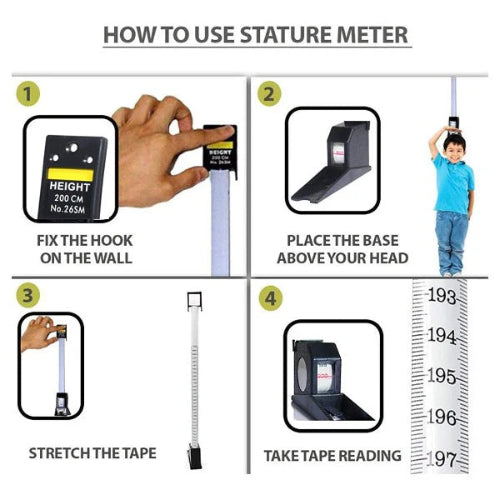
Stature Meter for Measuring Your Height

Type: General Accessories
Premium ECG Gel Jar 5L


Type: MeddeyGo
Medivision Vein Tracker


Type: Needle Terminator
Syringe Needle Terminator Electric Economy


Type: Needle Terminator
Electric Needle Destroyer Syringe Terminator Deluxe


Type: General Accessories
Needle Hub Cutter 1000ml for Safe Disposal
Type: Cytobrush
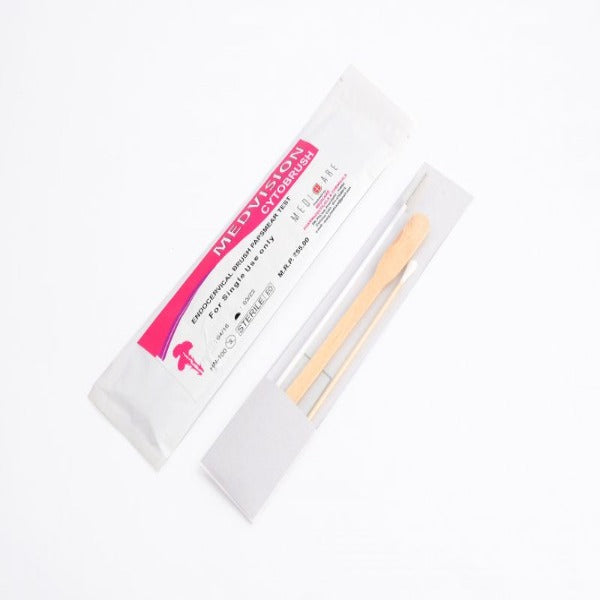
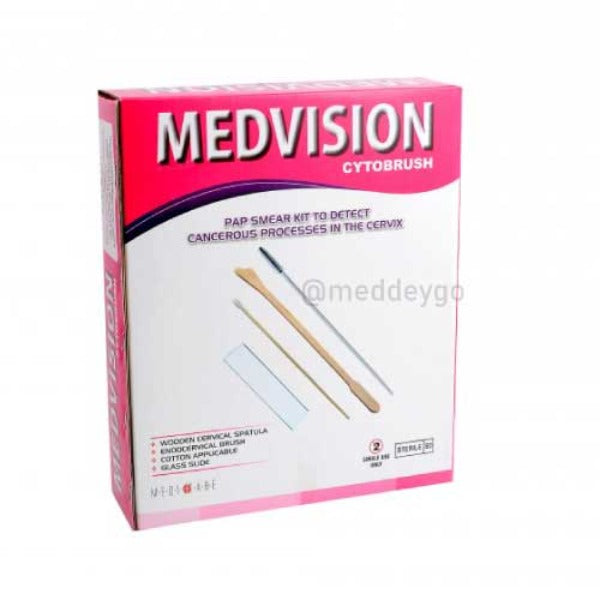
Cytobrush (Pack of 50)


Type: Medansh
Otoscope with brass handle
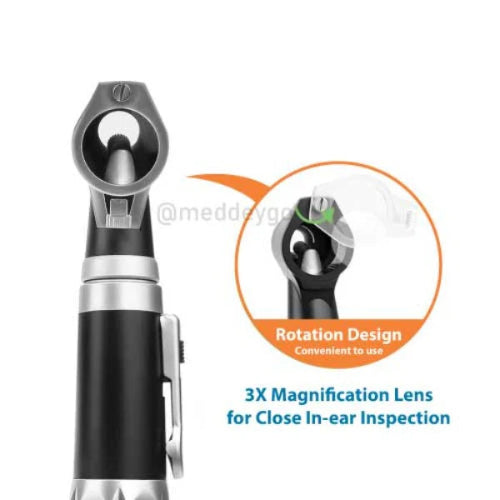
Type: Scopes
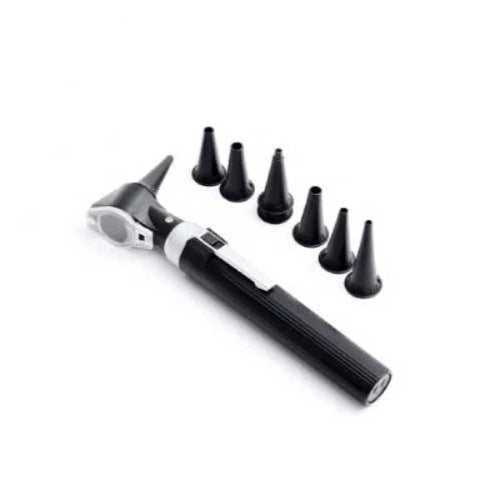
Premium Otoscope Imported
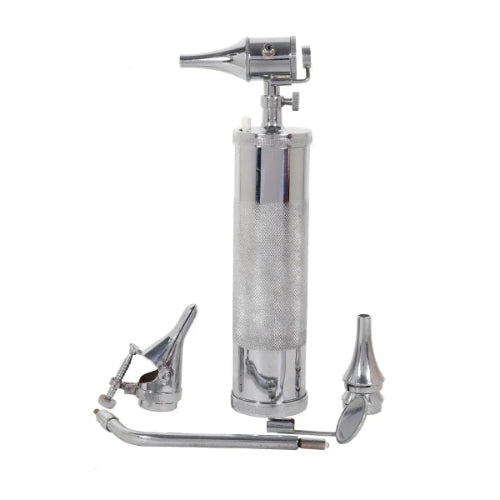
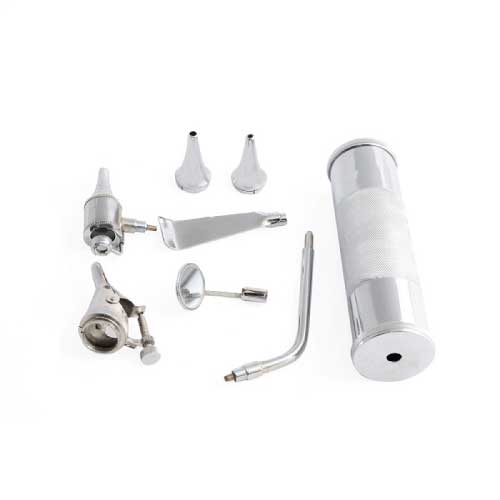
Type: Scopes
ENT Diagnostic Set with Brass Handle
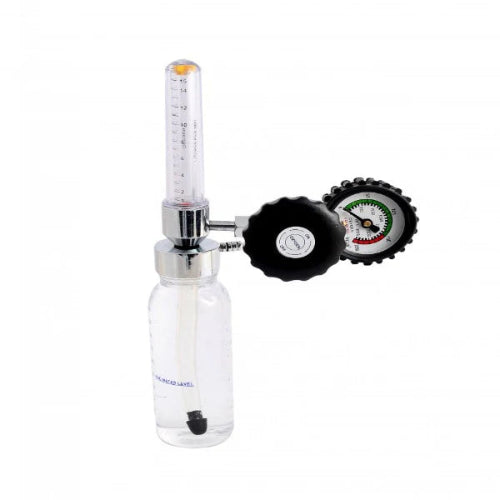
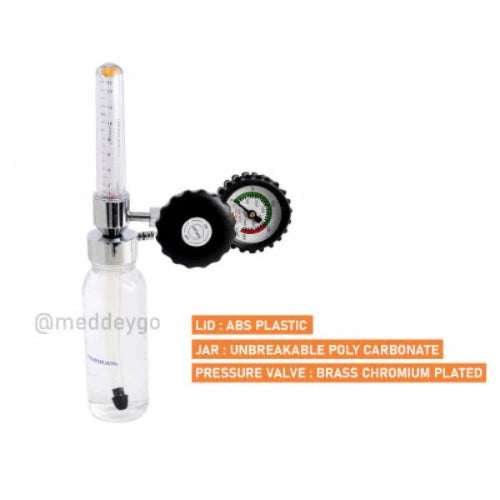
Type: Anesthesia
Oxygen Flow Meter
Collection:
Essential Medical Supplies for Healthcare Facilities
The healthcare industry is a complex network that demands a diverse array of medical supplies and equipment to function effectively. From basic first aid items to sophisticated diagnostic machines, each component is integral to the daily operations of healthcare facilities, ensuring both routine and critical care is delivered efficiently. This article delves into the essential medical supplies required by healthcare facilities and underscores their significance in the medical ecosystem.

Medical supplies encompass a wide range of consumables and disposables that are indispensable to the functioning of hospitals, clinics, and other healthcare facilities. These supplies are the backbone of medical establishments, ensuring that healthcare professionals can perform their duties effectively.
The Role of Basic Consumables
Basic consumables such as gloves, masks, and gowns are foundational to healthcare operations. They are vital in maintaining hygiene and preventing the transmission of infections within healthcare settings. Gloves are used in almost every patient interaction, while masks protect both healthcare workers and patients from airborne pathogens. Gowns provide an added layer of protection, particularly in surgical or high-risk environments.
Specialized Medical Equipment
Beyond basic consumables, healthcare facilities rely on specialized equipment to diagnose and treat patients. This includes surgical instruments that are precision-engineered for specific medical procedures. Diagnostic tools like MRI scanners and ultrasound devices are crucial for identifying patient conditions accurately and promptly. Therapeutic equipment, such as dialysis machines, directly contributes to the treatment of chronic conditions, improving patient outcomes significantly.
The Importance of Durable Medical Equipment
Durable
Importance of Medical Supplies

Medical supplies are not only about availability; their importance is multifaceted, impacting various aspects of healthcare delivery.
Ensuring Patient Safety
At the forefront of medical supply significance is patient safety. Supplies such as sterile gloves, masks, and gowns are the first line of defense against infection, ensuring that both patients and healthcare providers are protected. Infections in healthcare settings can lead to serious complications, making these supplies essential for safe medical practice.
Enhancing Efficiency in Care Delivery
Efficiency in care is another critical aspect influenced by the availability of medical supplies. When healthcare professionals have access to the right tools and materials, they can perform procedures more effectively. This not only improves patient outcomes but also enhances the overall workflow within the healthcare facility, reducing the time patients spend in care.
Managing Costs and Reducing Waste
Cost management is a significant concern for healthcare facilities. By maintaining a well-managed inventory of supplies, facilities can minimize waste and control expenses. This involves strategic purchasing and inventory management to ensure that supplies are used efficiently, without overstocking or shortages.
Choosing a Medical Supplier
Selecting a reliable medical supplier is a strategic decision that affects the quality and availability of medical supplies. Several factors should be considered to ensure that healthcare facilities have a consistent supply of quality products.
Evaluating Quality and Certification
Quality assurance is paramount when choosing a medical supplier. Products should meet industry standards and certifications to ensure their safety and effectiveness. Certification from recognized bodies offers confidence that the products are suitable for medical use and will perform as expected.
Assessing Product Variety
A comprehensive product range is crucial for meeting the diverse needs of a healthcare facility. A good supplier should offer everything from basic consumables to advanced
Ensuring Timely Delivery and Reliability
The reliability of a supplier is often measured by their ability to deliver supplies on time. Timely delivery is crucial, especially for consumables that are in constant use and critical for daily operations. Efficient logistics and reliable supply chains are key indicators of a dependable supplier.
Balancing Cost-Effectiveness
While quality is essential, cost considerations cannot be overlooked. Facilities should compare prices from various suppliers and explore bulk purchase discounts. Striking a balance between cost and quality ensures that the facility remains financially sustainable while providing top-notch care.
The Role of Customer Service
Customer service is a critical component of a successful supplier relationship. A supplier with excellent customer service can address issues promptly, ensuring that the facility's operations are not disrupted. Effective communication and support are vital for resolving any order-related problems quickly.
Where to Find Medical Supplies

Finding reliable medical suppliers is crucial for maintaining the supply chain of a healthcare facility. Various options exist, each with its own advantages and limitations.
Exploring Local Medical Shops
Local
Leveraging Online Medical Suppliers
Online medical suppliers provide the convenience of browsing and purchasing supplies from anywhere. Platforms like
Engaging Specialized Equipment Suppliers
For high-tech or specialized
Considering Second-Hand Suppliers
For budget-conscious facilities, second-hand suppliers offer refurbished equipment at reduced costs. These suppliers can provide quality items that have been tested and certified, making them a cost-effective option for acquiring essential equipment without compromising on quality.
Essential Medical Supplies for Healthcare Facilities
Healthcare facilities require a comprehensive inventory of supplies to meet their operational needs. Here is a list of essential supplies that every facility should have.
Personal Protective Equipment (PPE)
Personal Protective Equipment (PPE) is critical for infection control and includes:
- Gloves: Protect healthcare workers from contamination during patient interactions.
- Masks and Respirators: Essential for controlling infections, particularly in high-risk environments.
- Gowns and Aprons: Provide a barrier against fluids, ensuring safety during procedures.
Basic Consumables
Basic consumables are necessary for everyday medical tasks and include:
- Bandages and Gauze: Used for wound care, offering protection and promoting healing.
- Syringes and Needles: Essential for administering medications and drawing blood accurately and safely.
- IV Supplies: Includes IV bags and tubing, crucial for fluid administration and patient hydration.
Diagnostic and Monitoring Tools
Diagnostic and monitoring tools are vital for patient assessment and include:
- Stethoscopes and Thermometers: Fundamental tools for evaluating patient health and detecting abnormalities.
- Blood Pressure Monitors: Used to assess cardiovascular health, a critical component of routine check-ups.
- Glucose Meters: Essential for monitoring blood sugar levels, especially in diabetic patients.
Emergency and First Aid Supplies
Emergency readiness is crucial, and essential supplies include:
- Defibrillators: Life-saving devices used in cardiac emergencies to restore normal heart rhythm.
- First Aid Kits: Contain essential items for immediate care, crucial for handling minor injuries promptly.
- Emergency Drugs: Include medications like epinephrine, critical for treating severe allergic reactions and other emergencies.
Conclusion
In conclusion, the availability and quality of medical supplies are foundational to the operation of any healthcare facility. These supplies not only facilitate the delivery of quality care but also enable healthcare professionals to respond effectively to patient needs. Whether managing a small clinic or a large hospital, understanding supply needs and maintaining a reliable inventory is crucial for the seamless provision of healthcare services.
Choosing the right supplier is equally important as the supplies themselves. By considering factors such as quality, variety, reliability, and cost, healthcare facilities can ensure they are well-equipped to meet patient care demands. Whether seeking a "
Q&A
Question: What's the difference between basic consumables, specialized equipment, and Durable
Short answer: These categories serve distinct roles in care delivery.
- Basic consumables (e.g., gloves, masks, gowns, bandages, syringes) are single-use items central to hygiene, infection control, and everyday procedures.
- Specialized equipment (e.g., surgical instruments, MRI and ultrasound devices, dialysis machines) enables precise diagnosis and treatment, directly influencing clinical outcomes.
- DME (e.g., wheelchairs, hospital beds, mobility aids) supports ongoing patient comfort, mobility, and therapeutic needs---especially vital in long-term care. Facilities need all three to cover routine tasks, advanced interventions, and sustained patient support across the continuum of care.
Question: How do medical supplies directly influence patient safety, efficiency, and cost control?
Short answer:
- Patient safety: Sterile gloves, masks, and gowns form the first line of defense against healthcare-associated infections, protecting both patients and staff.
- Efficiency: Ready access to the right tools streamlines workflows, shortens procedure time, and supports faster, more accurate care.
- Cost control: Strategic purchasing and well-managed inventories reduce waste from overstocking or expirations and prevent costly shortages that disrupt care.
Question: What should healthcare facilities prioritize when selecting a medical supplier?
Short answer: Focus on five pillars:
- Quality and certification: Products should meet recognized standards to ensure safety and performance.
- Product variety: A broad catalog---from PPE and consumables to advanced devices---covers diverse clinical needs.
- Timely delivery and reliability: Consistent, on-time fulfillment keeps daily operations running smoothly.
- Cost-effectiveness: Compare pricing and leverage bulk discounts without compromising quality.
- Customer service: Responsive support resolves order issues quickly and minimizes operational disruptions.
Question: Where can facilities source supplies, and when is each option most appropriate?
Short answer:
- Local
medical shops : Best for urgent, last-minute needs and personalized service; relationships can improve pricing and responsiveness. - Online suppliers (e.g., platforms like
MeddeyGo ): Offer broad selection and doorstep delivery---ideal for remote locations or comprehensive shopping. - Specialized equipment suppliers (manufacturers/authorized distributors): Provide technical guidance and support for high-tech devices to ensure proper fit and performance.
- Second-hand/refurbished suppliers: Cost-effective for budget-conscious settings when items are tested and certified for quality.
Question: What are the must-have items for routine monitoring and emergency readiness?
Short answer:
- Routine monitoring: Stethoscopes, thermometers, blood pressure monitors, and glucose meters for regular assessments and chronic condition management.
- Emergency readiness: Defibrillators for cardiac events, first aid kits for immediate care of minor injuries, and critical emergency drugs (e.g., epinephrine) for rapid, life-saving interventions.
Question: How do basic consumables, specialized equipment, and Durable
Short answer: They cover distinct but complementary needs across the care continuum.
- Basic consumables (e.g., gloves, masks, gowns, bandages, syringes, IV supplies) are single-use items essential for hygiene, infection control, and everyday procedures.
- Specialized equipment (e.g., surgical instruments, MRI and ultrasound devices, dialysis machines) enables precise diagnosis and targeted treatment.
- DME (e.g., wheelchairs, hospital beds, mobility aids) supports ongoing comfort, mobility, and therapeutic needs—especially important in long‑term care.
Question: Why are PPE and other basic consumables considered the first line of defense in healthcare? Short answer: They prevent infection transmission and protect both patients and staff.
- Sterile gloves, masks/respirators, and gowns create barriers against contaminants and airborne pathogens.
- Their routine use in nearly every patient interaction reduces healthcare-associated infections and supports safe clinical practice.
Question: How do the right supplies improve efficiency and help control costs?
Short answer: Availability and smart inventory practices streamline care and reduce waste.
- Efficiency: Ready access to appropriate tools shortens procedure times and smooths workflows, improving outcomes.
- Cost control: Strategic purchasing and inventory management minimize overstocking, expirations, and shortages that disrupt care and increase expenses.
Question: What should facilities prioritize when choosing a medical supplier?
Short answer: Focus on quality, breadth, reliability, value, and support.
- Quality and certification: Products must meet recognized standards for safety and performance.
- Product variety: A wide catalog—from PPE and consumables to advanced devices—covers diverse needs.
- Timely delivery and reliability: Consistent, on‑time fulfillment sustains daily operations.
- Cost-effectiveness: Compare pricing and use bulk discounts without compromising quality.
- Customer service: Responsive support resolves issues quickly and keeps care on track.
Question: Where can facilities source supplies, and when is each option most appropriate?
Short answer: Match the channel to urgency, scope, and technical complexity.
- Local
medical shops : Ideal for urgent, last‑minute needs and personalized service. - Online suppliers (e.g., platforms like
MeddeyGo ): Broad selection with doorstep delivery—useful for remote locations or comprehensive purchasing. - Specialized equipment suppliers (manufacturers/authorized distributors): Best for high‑tech devices with technical guidance and support.
- Second‑hand/refurbished suppliers: Budget‑friendly for essential equipment when items are tested and certified.
Question: Which items are must-haves for routine monitoring and emergency readiness?
Short answer: Stock core assessment tools and life‑saving essentials.
- Routine monitoring: Stethoscopes, thermometers, blood pressure monitors, and glucose meters.
- Emergency readiness: Defibrillators, well‑stocked first aid kits, and critical emergency drugs (e.g., epinephrine).