Filter
26 products
Type: Modalities
G5 Massager for Physiotherapy & Muscle Recovery
Type: Occupational
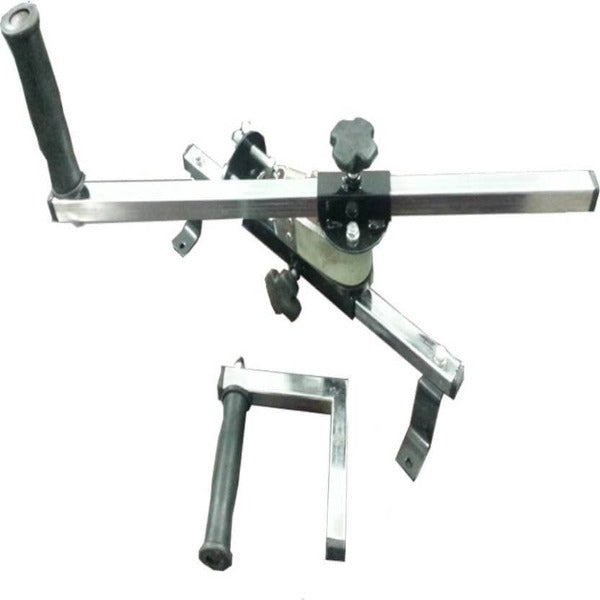
Axial Shoulder Wheel
Type: Modalities
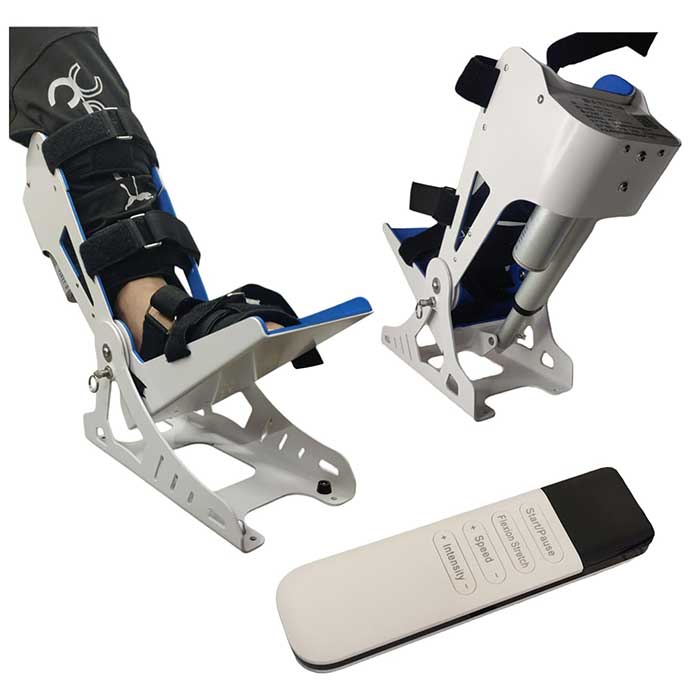
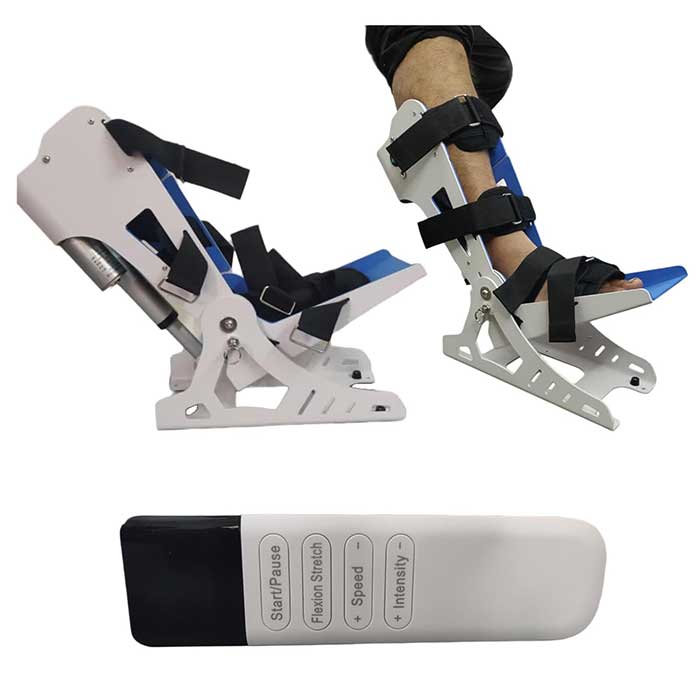
Ankle CPM Machine for Ankle Rehabilitation & Recovery
Type: Occupational
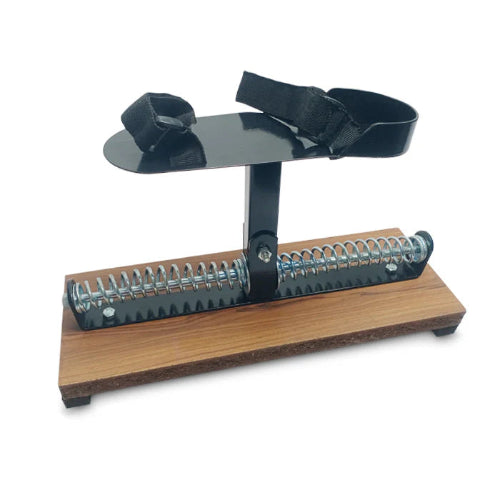
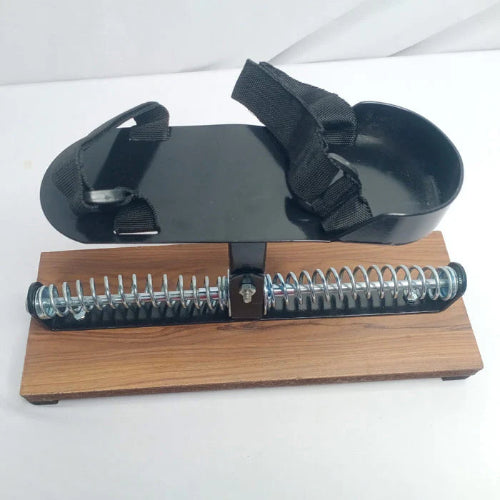
Ankle Exerciser Premium Quality
Type: Modalities
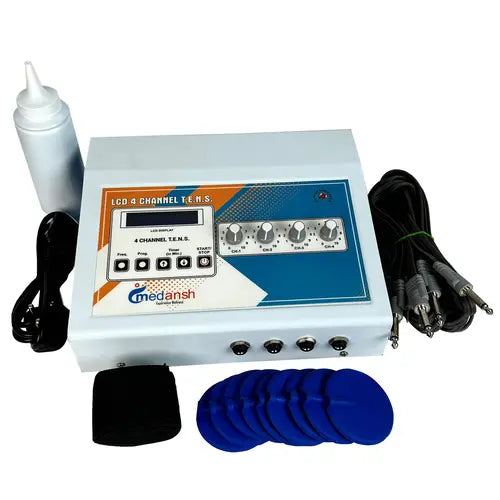
Medansh 4 CHANNEL Tens Machine LCD non-invasive low-risk nerve stimulation- reduce pain with 1 year warranty
Type: Occupational
Bolster Swing with Rope and Hooks Delulx Quality
Type: Modalities
Physio Studio Machine 6 in 1 Physiotherapy Combo Clinic Unit
Type: Occupational Equipment
Bolster Swing Deluxe Quality
Type: Occupational
Ball Pool Round (With 500 Balls)
Type: Modalities
Ankle CPM Machine - delux
Type: Physiotherapy
12 Channel TENS Machine Slimming EMS Therapy Device
Collection:
Physiotherapy & Electrotherapy: The Professional Guide to Modern Rehabilitation
Physiotherapy is the cornerstone of non-invasive medical recovery. Whether managing chronic pain, sports injuries, or post-surgical mobility, a structured physiotherapy plan is essential for restoring a patient's quality of life. At Meddeygo.com, we empower doctors and clinics with high-precision electric therapy machines and comprehensive physiotherapy kits to ensure faster, evidence-based healing.
What is Physiotherapy?
Physiotherapy (Physical Therapy) is a healthcare profession focused on identifying and maximizing quality of life and movement potential. It is the most commonly prescribed treatment for recovering from injuries that affect the range of motion. By utilizing manual therapy, exercise, and advanced electrotherapy machines, professionals can treat stiffness, back pain, and neurological disorders effectively.
The Three Primary Types of Physiotherapy
In clinical practice, therapy is categorized based on the biological system being treated:
- 1. Musculoskeletal (Orthopedic): Focuses on bones, joints, and soft tissues. This is where a back pain physiotherapy machine or TENS unit is most frequently used to treat sprains, fractures, and arthritis.
- 2. Neurological: Aimed at patients with disorders of the nervous system, such as stroke, Multiple Sclerosis, or Parkinson’s. Treatment often involves neuromuscular coordination units.
- 3. Cardiothoracic: Specialized for respiratory and circulatory health, helping patients with asthma, COPD, or post-cardiac surgery recovery through specialized breathing exercises.
Is a Physiotherapist a Doctor? (The 2026 Verdict)
This is a common question among patients and professionals. As of the January 2026 legal rulings in India, the landscape has gained significant clarity:
This recognition highlights their role as First-Contact Practitioners who can diagnose movement disorders and design treatment plans without a primary referral, especially in specialized physiocenters.
The Science of Electrotherapy — How Electric Therapy Machines Work
In a professional clinic or hospital setting, the electric therapy machine (electrotherapy unit) is the most critical tool for non-pharmacological pain management. Electrotherapy involves the use of electrical energy as a medical treatment. At its core, these machines work by delivering targeted electrical impulses through the skin to the underlying nerves and muscle fibers.
The biological mechanism is twofold: First, it utilizes the Gate Control Theory, where electrical stimulation "jams" the pain signals traveling to the brain. Second, it stimulates the production of endorphins—the body’s natural painkillers. For a physiocenter, understanding the nuances of different currents is essential for effective patient outcomes.
Key Modalities in Electrotherapy:
-
1. TENS (Transcutaneous Electrical Nerve Stimulation)
Commonly found in a physiotherapy kit, TENS is primarily used for acute and chronic pain relief. It uses low-voltage electrical currents to override pain signals. It is the go-to pain therapy machine for conditions like labor pain, post-surgical recovery, and sudden muscle strains. -
2. IFT (Interferential Therapy)
IFT is a more advanced form of electrotherapy machine use. It uses two high-frequency currents that "interfere" with each other deep within the tissue. This allows for deep-seated pain relief, making it the most effective back pain physiotherapy machine for patients with deep muscle spasms or sciatica. -
3. EMS (Electrical Muscle Stimulation)
Unlike TENS which targets nerves, EMS targets the muscle tissue directly. It is used to prevent muscle atrophy in paralyzed patients or to re-educate muscles after a severe injury. Doctors use EMS to "jumpstart" muscle contractions when the patient cannot move the limb voluntarily.
Beyond Currents — Vibration and Ultrasound Therapy
Modern rehabilitation has expanded beyond just electrical currents. The physiotherapy vibration machine (Whole Body Vibration or localized percussion) has gained immense popularity in sports clinics. These machines use high-frequency mechanical oscillations to improve blood circulation, increase bone density, and enhance muscle power. For athletes, vibration therapy is used post-workout to flush out lactic acid and reduce recovery time.
Additionally, Therapeutic Ultrasound is used to treat "soft tissue" injuries. It uses sound waves to create deep heat within ligaments and tendons. This deep heating increases the "stretchiness" of muscles and tendons that are tight or scarred, making it easier for the physiotherapist to perform manual stretching.
Building a Professional Clinic — The Physiotherapy Kit
For healthcare professionals opening a new clinic, the physiotherapy kit must be comprehensive enough to handle various patient profiles. A standard clinical kit at Meddeygo.com is designed to balance physiotherapy price with clinical durability.
| Category | Essential Equipment | Clinical Purpose |
|---|---|---|
| Electrotherapy | 4-in-1 Combo (TENS/IFT/EMS/US) | Pain relief, inflammation reduction, and muscle re-education. |
| Manual Aids | Goniometers, Reflex Hammers, Mobilization Belts | Assessment of range of motion and joint stability. |
| Exercise Tools | Resistance Bands, Balance Boards, Dumbbells | Strengthening and proprioception training. |
| Advanced Modality | Localized Vibration Gun / Vibration Machine | Rapid muscle relaxation and improved peripheral circulation. |
The Masterclass on Lumbar Recovery — Using the Back Pain Physiotherapy Machine
Back pain is the leading cause of disability globally, and for a physiocenter, it represents the highest volume of patient cases. Managing spinal health requires more than just simple exercises; it requires a multi-modal approach involving manual mobilization and the strategic use of a back pain physiotherapy machine. When we discuss "back pain machines," we are usually referring to a combination of Traction units, IFT, and Spinal Decompression systems.
1. Mechanical Traction & Decompression
For patients suffering from herniated discs or sciatica, mechanical traction is a life-changer. The machine applies a longitudinal force to the spine, creating "negative pressure" within the disc. This vacuum effect can help pull the bulging disc material back into place and increase the space between vertebrae, instantly relieving nerve root compression. Modern clinics utilize computerized traction tables that allow for intermittent "pull and release" cycles, which are far more effective than the static weights used in the past.
2. The Role of IFT in Deep Tissue Lumbar Relief
Because the muscles of the lower back (like the Erector Spinae) are thick and layered, standard surface stimulation often fails to reach the source of the pain. This is where the electrotherapy machine using Interferential Current (IFT) becomes essential. By crossing two medium-frequency currents, the "interference" happens 3-5 centimeters below the skin. This deep penetration is what makes it a superior pain therapy machine for chronic low back pain, as it flushes out inflammatory markers directly from the deep muscle beds.
Clinical Protocol for Acute Back Pain:
- Phase 1: Inflammation Control — Use Cryotherapy (Cold packs) and high-frequency TENS to settle the acute nerve irritation.
- Phase 2: Mobility Restoration — Introduction of Ultrasound therapy to soften ligamentous adhesions and gentle manual mobilization.
- Phase 3: Strengthening — Utilizing an EMS machine to activate the "Core" muscles (Transversus Abdominis) which act as a natural corset for the spine.
The Economics of Healing — Why is Physiotherapy "Costly"?
Many patients ask, "Why is physiotherapy costly?" To a healthcare provider or a physiocenter owner, the answer lies in the intersection of specialized labor, high-end technology, and the time-intensive nature of the treatment. Unlike a 5-minute consultation with a general physician, a physiotherapy session typically lasts 45 to 60 minutes of one-on-one care.
1. Investment in Advanced Technology
The physiotherapy price per session often reflects the capital expenditure of the clinic. A medical-grade electric therapy machine or a high-end physiotherapy vibration machine costs significantly more than consumer counterparts because they require ISO certification, rigorous calibration for safety, and high-quality internal oscillators that don't fluctuate during treatment. At Meddeygo.com, we ensure that clinicians get the best ROI by providing durable, multi-functional equipment.
2. Skill and Maintenance
Physiotherapy is a skill-based profession. The "cost" covers the therapist's expertise in human anatomy and their ability to adjust the electrotherapy machine parameters (frequency, pulse width, and intensity) to the patient’s specific tolerance. Furthermore, medical equipment requires annual AMC (Annual Maintenance Contracts) to ensure that the electrical output doesn't harm the patient, adding to the operational overhead.
The Recovery Roadmap — Maintaining Your Physiotherapy Plan
Recovery is a marathon, not a sprint. A successful physiotherapy treatment depends 30% on the clinic sessions and 70% on the patient's adherence to the "Home Exercise Program" (HEP). For doctors and nurses, educating the patient on using a basic physiotherapy kit at home can significantly reduce the total number of clinical visits required.
In-Clinic Focus
- High-intensity electrotherapy.
- Joint mobilization and manipulation.
- Gait training and posture correction.
- Specialized vibration therapy.
At-Home Focus
- Consistent stretching using physiotherapy kit bands.
- Ergonomic adjustments (Chair, Pillow, Screen height).
- Pain management using portable TENS/Heat packs.
- Lifestyle and activity modification.
Recovery Milestones to Watch
How do you know if the physiotherapy plan is working? Healthcare professionals track three primary markers:
- Reduction in Pain Score: Moving from a Constant ache to an Intermittent one.
- Increased Range of Motion (ROM): Being able to bend or reach further than the initial assessment.
- Functional Independence: The ability to perform daily activities (like climbing stairs or lifting a grocery bag) without the use of a pain therapy machine.
Expert Clinical Tip:
"Never stop the physiotherapy treatment as soon as the pain vanishes. Pain is the first symptom to leave, but 'Weakness' is the last. To prevent a relapse of back pain, continue the strengthening phase for at least 3 weeks after the pain has subsided to ensure the muscles can support the joint during unexpected movements."
Selecting the Right Modality — TENS vs. IFT vs. Ultrasound
For a doctor or a senior therapist at a physiocenter, the ability to choose the correct current is what separates a standard treatment from a superior one. While many electric therapy machines are "combo units" that offer all modalities, applying them correctly requires a deep understanding of tissue depth and pathology.
1. TENS (Surface Level Nerve Block)
TENS is most effective when the pain is localized and relatively superficial. It is the ideal pain therapy machine for conditions like tension headaches, rib fractures, or localized post-operative incisions. Because TENS is easy to use and portable, it is the primary component of a home-care physiotherapy kit. However, for deep-seated joint pain (like a frozen shoulder or hip bursitis), TENS often lacks the penetrative power to reach the affected nerves.
2. IFT (Deep Muscle & Joint Recovery)
Interferential Therapy (IFT) is the "workhorse" of the modern physiocenter. By using a frequency of 4000Hz, it bypasses the skin's resistance with ease. Clinical studies show that IFT is significantly more effective than TENS for increasing local blood flow and reducing edema (swelling). This makes it the preferred back pain physiotherapy machine for chronic conditions like degenerative disc disease, where the inflammation is buried deep beneath layers of muscle and fascia.
3. Ultrasound (Thermal & Mechanical Repair)
While TENS and IFT are electrical, Ultrasound is mechanical. It uses high-frequency sound waves to vibrate cells. This "micro-massage" increases the permeability of cell membranes, allowing nutrients to enter the injured area faster. It is indispensable for treating "Ligamentous" injuries—such as an ACL tear or Ankle sprain—where electrical currents might not provide the necessary healing stimulus.
Quick Selection Matrix for Clinicians
| Condition | Primary Modality | Secondary Modality |
|---|---|---|
| Sciatica/Back Pain | IFT (Interferential) | Heat Therapy/Traction |
| Muscle Tear/Strain | Ultrasound | EMS (Muscle Stim) |
| Arthritis (Knee/Hand) | TENS/IFT | Paraffin Wax Bath |
Clinical Safety — When NOT to Use an Electric Therapy Machine
As a healthcare professional, your first duty is to "Do No Harm." While an electrotherapy machine is generally safe, there are absolute contraindications where using electricity can lead to life-threatening complications.
Absolute Contraindications (Red Flags):
- Pacemakers & ICDs: Electrical currents can interfere with the pacing of the heart. Never apply electrodes near the chest of a patient with an implanted cardiac device.
- Pregnancy: Avoid the abdominal and pelvic regions. While TENS is used for labor, it should not be used in the first or second trimesters over the trunk.
- Malignancy (Cancer): Electrical stimulation increases blood flow, which could theoretically promote the spread of cancerous cells. Never treat an area known to have active tumors.
- DVT (Deep Vein Thrombosis): Using an electric therapy machine or physiotherapy vibration machine on a limb with a blood clot can dislodge the clot, leading to a pulmonary embolism.
The Future of the Physiocenter — Digital & AI Integration
The year 2026 has seen a massive shift in how clinics operate. The modern physiocenter is no longer just about manual beds and wires. We are seeing the rise of "Smart Rehab."
Advanced physiotherapy vibration machines now come with biofeedback sensors that measure the patient's muscle fatigue in real-time, automatically adjusting the intensity. Digital tracking systems allow doctors to monitor a patient's physiotherapy plan progress through wearable sensors, ensuring that the "at-home" portion of the treatment is being performed correctly. At Meddeygo.com, we are at the forefront of this transition, supplying clinics with equipment that supports data logging and remote monitoring.
Clinical Insight for 2026:
"Data-driven recovery is the new standard. When you invest in a physiotherapy kit or a high-end electrotherapy machine today, ensure it has digital output capabilities. Being able to show a patient their 'Recovery Curve' on a screen increases patient retention by 40% and ensures they stay committed to their physiotherapy treatment even when the sessions become challenging."
The Clinician’s Inventory — Machine Specifications & Clinical Uses
For a hospital or a specialized physiocenter, selecting the right equipment is about understanding technical parameters like frequency, intensity, and pulse width. Below is a comprehensive breakdown of the essential items in a professional physiotherapy kit and their specific roles in patient recovery.
| Machine / Item Name | Key Specifications | Primary Clinical Use | Expert Insight |
|---|---|---|---|
| Digital IFT Machine | 4000Hz Base Frequency; 0-100mA Intensity | Deep-seated back pain, Sciatica, & Joint Effusion. | Best for chronic cases where TENS cannot reach the depth of the tissue. |
| Therapeutic Ultrasound | 1MHz & 3MHz Dual Frequency; Continuous/Pulsed | Ligament tears, Tendonitis, & Scar tissue breakdown. | 3MHz is for superficial tissues (wrist), 1MHz is for deep tissues (hip/shoulder). |
| Portable TENS Unit | Dual Channel; Adjustable Pulse Width (50-250µs) | Immediate pain relief, Labor pain, & Post-Op recovery. | Essential for any physiotherapy kit meant for home-care visits. |
| Muscle Stimulator (EMS) | Galvanic & Faradic Currents; Surge Control | Muscle atrophy prevention & Paralysis rehab. | Vital for re-educating muscles after a stroke or prolonged bed rest. |
| Vibration Machine | G-Force range 1-10G; 25Hz-50Hz Frequency | Lymphatic drainage, Bone density, & Athlete recovery. | A physiotherapy vibration machine reduces recovery time by flushing lactic acid. |
| Cervical/Lumbar Traction | Computerized; Up to 60kg force; Intermittent mode | Disc prolapse, Spondylosis, & Pinched nerves. | The gold standard for mechanical decompression of the spine. |
Technical Maintenance — Keeping Your Clinic Running
The longevity of an electrotherapy machine depends on how it is handled in a busy clinic. High patient turnover means wires are pulled, electrodes are used repeatedly, and machines stay on for 10-12 hours a day. To ensure your physiotherapy price for equipment is a wise investment, follow these calibration rules:
1. Electrode Care & Hygiene
In an electric therapy machine, the electrodes are the "delivery agents." Carbon electrodes should be cleaned with spirit after every use. Self-adhesive pads used in a physiotherapy kit should be replaced as soon as they lose their tackiness. Using worn-out pads increases skin resistance, which can cause "hot spots" and minor skin burns for the patient.
2. Wire and Lead Calibration
80% of machine "malfunctions" are actually wire breakages. Physiotherapists should avoid tightly coiling the lead wires. Regularly check for internal continuity. At Meddeygo.com, we provide heavy-duty, shielded wires designed to withstand the rigors of a high-volume physiocenter.
The Value Proposition — Investment vs. Outcome
When a clinic evaluates the physiotherapy price of a new machine, they must look at the "Cost per Treatment." A high-quality pain therapy machine might have a higher upfront cost but requires fewer repairs and delivers more consistent currents. Consistent currents lead to faster patient recovery, which in turn leads to better word-of-mouth and a more successful clinic.
Clinical Efficiency Tip for 2026:
"If your clinic treats more than 10 patients a day, move away from single-modality units. Invest in Combination Therapy Units. These machines allow you to use Ultrasound and TENS simultaneously on a patient. This 'Dual-Action' treatment reduces session time by 15 minutes while increasing the analgesic effect, allowing you to accommodate more patients without compromising on care quality."
Whether you are setting up a small home-based practice or a multi-departmental hospital, the quality of your electric therapy machine is your brand's reputation. At Meddeygo.com, we don't just sell machines; we provide the clinical foundation for your success.
Professional FAQ — Addressing Patient & Clinical Queries
Physiotherapy is labor and technology-intensive. Each session typically lasts 45–60 minutes of one-on-one specialized care. Additionally, the physiotherapy price reflects the use of high-end diagnostic and electric therapy machines that require regular calibration and medical-grade certification to ensure patient safety.
No. While a pain therapy machine is excellent for reducing inflammation and "blocking" pain signals, it does not strengthen muscles or improve long-term joint stability. The most effective physiotherapy plan combines electrotherapy to manage pain with active exercise to restore function.
Portable TENS units from a physiotherapy kit are safe for home use if the patient is trained by a professional. However, complex machines like IFT or Traction should only be operated by a qualified therapist to avoid nerve irritation or muscle injury.
Acute injuries (sprains) may resolve in 3–6 sessions. Chronic conditions like slipped discs or frozen shoulder may require 12–20 sessions. Progress should be measured by increased mobility, not just pain reduction.
A physiotherapy vibration machine is primarily for muscle activation and circulation. While it aids metabolism, it is not a direct weight-loss tool. In a clinical setting, it is used for lymphatic drainage and reducing muscle soreness.
It depends on the current. TENS is generally safe near metal, but Short Wave Diathermy (SWD) or certain Ultrasound settings can heat the metal, causing internal burns. Always inform your therapist about any implants before starting electric therapy.
Why Trust Meddeygo.com for Your Clinic Setup?
Setting up a physiocenter requires equipment that is both clinically accurate and durable enough for high patient volumes.
Conclusion: Empowering Recovery Through Science
Physiotherapy is an evolving science that blends human touch with advanced technology. By choosing the right electric therapy machine and committing to a structured treatment plan, patients can overcome even the most debilitating injuries. For healthcare professionals, the goal is to provide evidence-based care that yields results. With the right tools from Meddeygo.com, your clinic can become a center of excellence for pain relief and rehabilitation.