Skip to content

India’s Go to Platform for Medical Supplies Procurement

handheld pulse oximeter

Type: Devices

Handheld Pulse Oximeter

Regular price Rs. 4,249
Sale price Rs. 4,249 Regular price Rs. 5,520
beurer pulse oximeter

Type: Devices

Beurer Pulse Oximeter PO-30

Regular price Rs. 1,839
Sale price Rs. 1,839 Regular price Rs. 2,240
pulse oximeter

Type: Home Healthcare

Fingertip Pulse Oximeter Contec CMS50D OLED

Regular price Rs. 919
Sale price Rs. 919 Regular price Rs. 1,380
niscomed_pulse_oximeter_image_1

Type: MeddeyGo

Digital Fingertip Pulse Oximeter

Regular price Rs. 919
Sale price Rs. 919 Regular price Rs. 1,150
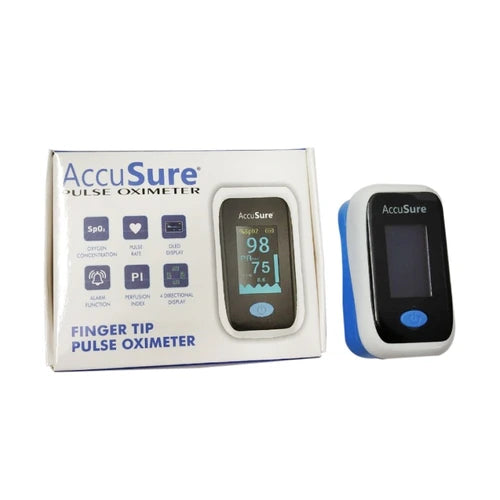
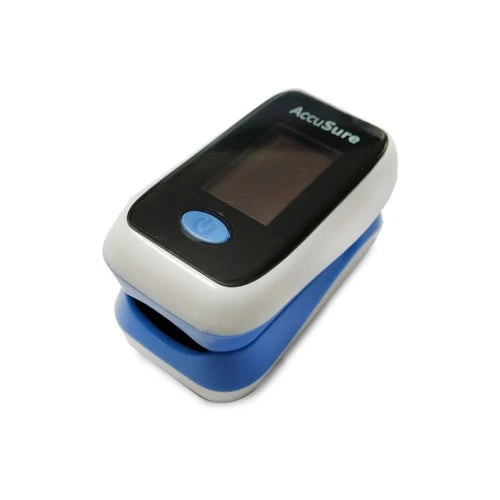
Accusure Fingertip Pulse Oximeter with 1 Year Warranty

Type: Home Healthcare

Accusure Fingertip Pulse Oximeter with 1 Year Warranty

Regular price Rs. 1,103
Sale price Rs. 1,103 Regular price Rs. 1,693
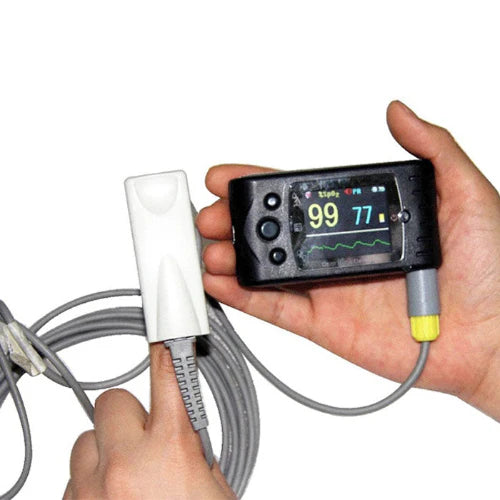
Handheld Pulse Oximeter Delux with Rechargable Battery

Type: MeddeyGo

Handheld Pulse Oximeter Delux with Rechargable Battery

Regular price Rs. 7,299
Sale price Rs. 7,299 Regular price Rs. 11,040
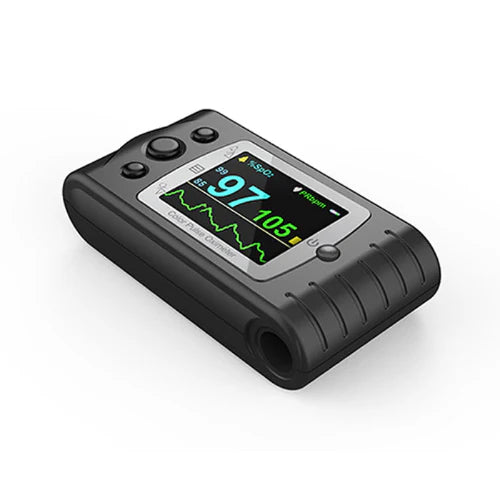
Contec CMS-60C Handheld Pulse Oximeter

Type: pulse oximeter

Contec CMS-60C Handheld Pulse Oximeter

Regular price Rs. 8,989
Sale price Rs. 8,989 Regular price Rs. 11,040
neonate pulse oximeter

Type: Devices

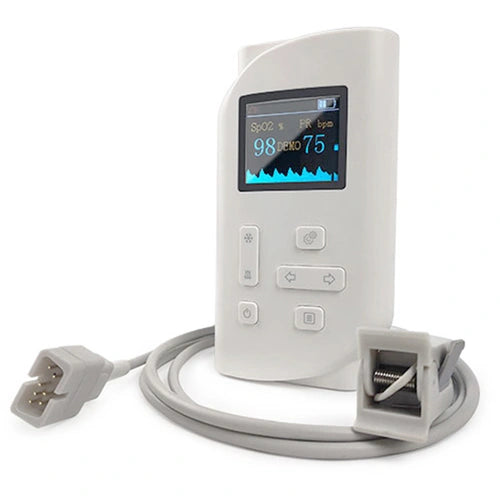
Table Top Pulseoximeter for Neonate Use

Regular price Rs. 12,199
Sale price Rs. 12,199 Regular price Rs. 19,000
pulseoximeter

Type: Devices

Table Top Pulseoximeter for use in Clinics and Hospitals

Regular price Rs. 11,279
Sale price Rs. 11,279 Regular price Rs. 16,560
neonatal pulse oximeter p ultra

Type: Diagnostic Equipment

Neonatal Pulse Oximeter P Ultra

Regular price Rs. 38,479
Sale price Rs. 38,479 Regular price Rs. 78,200
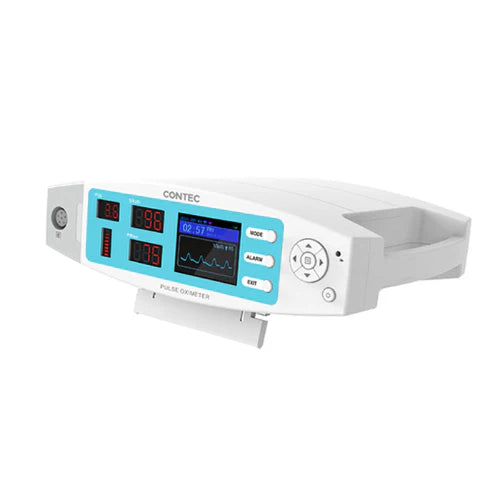
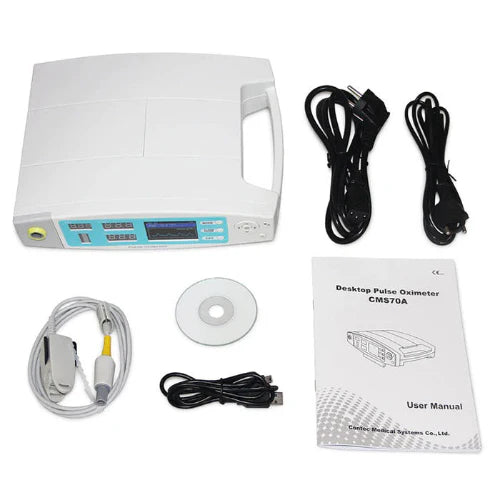
Contec CMS70A Portable Tabletop Pulse Oximeter

Type: Devices

Contec CMS70A Portable Tabletop Pulse Oximeter

Regular price Rs. 11,799
Sale price Rs. 11,799 Regular price Rs. 16,560

Collection: Essential Uses of a Pulse Oximeter: How to Use & Accuracy Explained

The pulse oximeter has evolved from a specialized hospital tool into a fundamental "5th vital sign" for home health monitoring. At Meddeygo.com, we believe that understanding oximeter use is critical for early detection of respiratory distress and cardiovascular monitoring.

What is a Pulse Oximeter?

A pulse oximeter is a non-invasive medical device that estimates the oxygen saturation level ($SpO_2$) in your blood and measures your pulse rate. By sending red and infrared light beams through the capillary bed of a fingertip, the device calculates the percentage of hemoglobin carrying oxygen.

Primary Oximeter Uses:

  • Routine Wellness Checks: Monitoring baseline health status during physical exams.
  • Post-Surgical Recovery: Ensuring adequate oxygenation after anesthesia or sedation.
  • Chronic Condition Management: Essential for patients with COPD, Asthma, Pneumonia, or Heart Failure.
  • Sleep Apnea Screening: Checking for drops in oxygen levels during sleep.
  • Fitness & Altitude Training: Used by athletes and mountaineers to monitor cardiovascular strain.

How to Use a Pulse Oximeter Correctly

Getting an accurate reading requires more than just clipping the device on. Follow these clinical steps to ensure your pulse oximeter uses are backed by reliable data:

  1. Preparation: Remove any fingernail polish or artificial nails, as they can block the light sensors.
  2. Positioning: Ensure your hand is warm and relaxed. Place the finger (middle or index is preferred) into the probe with the nail facing upward.
  3. Stability: Keep your hand still and held below the level of your heart.
  4. Wait Time: Do not record the first number you see. Wait at least 30 to 60 seconds for the reading to stabilize.

Decoding the BPM — What is the Ideal Pulse Rate?

While $SpO_2$ measures oxygen, the PR BPM (Pulse Rate in Beats Per Minute) provides a window into your cardiovascular health. The ideal pulse rate in oximeter readings varies significantly based on age, fitness level, and current activity.

Age Group Normal Pulse Rate (At Rest)
Infants (< 1 Year) 80 – 160 BPM
Children (1 – 10 Years) 70 – 120 BPM
Adults (18+ Years) 60 – 100 BPM
Athletes 40 – 60 BPM (Normal due to high efficiency)

*Note: What is the normal pulse rate in oximeter readings for you may depend on your medical history. Always consult a physician to establish your personal baseline.*

The Accuracy Question — Is Pulse Oximeter Accurate?

A frequent question from our clinical partners is: is pulse oximeter accurate for home use? Medical-grade devices are typically accurate within 2% to 3% of an arterial blood gas (ABG) test. However, several physiological and environmental factors can "trick" the sensors.

Common Factors Affecting Accuracy:

  • Skin Pigmentation: Recent clinical studies suggest that darker skin tones can sometimes result in falsely high $SpO_2$ readings.
  • Poor Circulation: Cold hands or peripheral vascular disease (PVD) can weaken the pulse signal (low Perfusion Index), making it hard for the device to get a lock.
  • Nail Polish: Dark colors (especially black, blue, or green) absorb the light emitted by the oximeter, often resulting in a significantly lower reading.
  • Movement: Tremors or shivering can create "noise" in the signal, leading to erratic heart rate and oxygen displays.

 Interpreting the Numbers — What is a Normal SpO2?

While the pulse oximeter provides a quick snapshot, understanding when a number requires medical intervention is life-saving. For most healthy individuals, a normal oxygen saturation level at sea level ranges from 95% to 100%.

95% – 100%: Normal
Typical healthy range. No action required unless other symptoms (shortness of breath, chest pain) are present.
91% – 94%: Mild Hypoxia
Requires monitoring. This may be baseline for smokers or patients with chronic lung conditions like COPD.
90% or Below: Severe Hypoxia
Medical Emergency. Low oxygen levels at this stage can lead to organ damage. Seek immediate medical attention.

Medical Indications — When is an Oximeter Mandatory?

A pulse oximeter is an indispensable tool for managing various chronic and acute conditions. At Meddeygo.com, we supply these devices to patients and clinics managing the following:

1. Chronic Respiratory Diseases

Patients with COPD (Chronic Obstructive Pulmonary Disease) or Emphysema often have lower baseline oxygen levels. Regular oximeter uses allow these patients to determine if they need to increase their supplemental oxygen flow.

2. Cardiovascular Monitoring

Because the heart is responsible for pumping oxygenated blood, congestive heart failure (CHF) can lead to poor perfusion. Monitoring the pulse rate in oximeter displays helps identify if the heart is overworking to compensate for low oxygen.

3. Sleep Disorders

For individuals with Sleep Apnea, an oximeter with a recording function can track "desaturations" during the night, providing critical data for sleep studies and CPAP titration.

Clinical "Red Flags" to Watch:

Regardless of what the pulse oximeter displays, seek help if you experience:

  • Bluish tint in lips or fingernails
  • Restlessness or confusion
  • Extreme shortness of breath
  • Rapid, shallow breathing
  • Chest pain or tightness
  • Cold, clammy skin

14 Essential Clinical & Home Uses of a Pulse Oximeter

The pulse oximeter has become a cornerstone of patient monitoring. Beyond simple oxygen checks, its applications span from neonatal care to occupational safety. At Meddeygo.com, we categorize these pulse oximeter uses into three primary pillars: Chronic Care, Acute Monitoring, and Preventative Safety.

1. Respiratory Conditions: Vital for tracking oxygen in patients with Asthma, COPD, and Pneumonia to ensure timely intervention.
2. COVID-19 Management: Crucial for detecting "Silent Hypoxia"—where oxygen drops without obvious physical symptoms.
3. Physical Activity: Used by athletes to optimize performance and prevent dizziness caused by oxygen deprivation.
4. Sleep Apnea Tracking: Overnight monitoring provides data on "oxygen dips" essential for managing sleep disorders.
5. High-Altitude Safety: Mandatory for climbers and pilots to prevent dangerous altitude sickness.
6. Neonatal Care: A gentle way for parents and doctors to check the oxygen levels of premature infants.
7. Heart Disease & Stroke: Helps identify complications early in cardiac patients through frequent oxygen checks.
8. Lung Disease Detection: Early detection of saturation declines in cases of Fibrosis or Emphysema.
9. Post-Surgical Recovery: Monitors recovery from anesthesia to ensure stable respiratory function.
10. Telemedicine Support: Allows patients to share real-time SpO2 data with remote doctors.
11. Medication Assessment: Tracks how cardiovascular or respiratory drugs impact blood oxygen levels.
12. Occupational Safety: Prevents hypoxia in deep-sea diving or confined-space working environments.
13. Anxiety Management: Provides physical reassurance during panic attacks by confirming normal oxygen levels.
14. Circulatory Issues: Helps identify poor perfusion and delivery of oxygen throughout the body.

Understanding Accuracy — How to Read a Pulse Oximeter Properly

Is pulse oximeter accurate? Generally, yes. Medical-grade devices have a precision range of ±2%. However, precision is highly dependent on technique. To ensure your pulse oximeter use is clinically valid, consider these factors:

  • Thermal Warmth: Cold hands restrict blood flow; keep hands warm for a stronger signal.
  • Nail Preparation: Remove nail polish, artificial nails, or extensions as they obstruct light absorption.
  • Proper Placement: Always use the index or middle finger for the most consistent readings.

Advantages of Modern Oximetry

The primary pulse oximeter advantage is its non-invasive nature. Unlike arterial blood gas (ABG) tests, oximetry provides instant results without needles or blood samples. It is portable, accessible, and ideal for daily health tracking.

Clinical Alert: Common Misconceptions

A major misconception is that a pulse oximeter can "diagnose" lung disease. It cannot. It is a monitoring tool, not a diagnostic one. While it tells you that oxygen is low, it does not tell you why. Always use professional medical-grade devices for clinical decisions rather than unverified consumer gadgets.

 FAQ — Pulse Oximetry & Heart Rate Monitoring

1. Is pulse oximeter accurate for children and infants?

Yes, but it requires pediatric-specific sensors. Using an adult finger oximeter on a small child often results in "Signal Loss" because the finger does not adequately break the light beam.

2. What is the normal pulse rate in oximeter readings for Adult patients?

For Adult, a resting heart rate between 60–100 BPM is normal. However, some medications (like Beta-blockers) may lower this. Always check your baseline with a doctor.

3. Can I use a pulse oximeter to detect a heart attack?

No. A pulse oximeter measures oxygen and heart rate, not the electrical activity of the heart. If you have chest pain, seek emergency help regardless of your oximeter reading.

4. Why does my oximeter show different readings on different fingers?

Perfusion (blood flow) varies between fingers. The middle finger and index finger of the dominant hand typically provide the strongest pulse signal.

5. Does smoking affect my SpO2 reading?

Smoking increases carbon monoxide levels in the blood. Standard oximeters cannot distinguish between oxygen and carbon monoxide, which may lead to a falsely high "normal" reading.

6. How often should I replace my pulse oximeter?

Medical-grade devices last 3-5 years. If you notice a dim display, erratic readings despite new batteries, or a cracked sensor housing, it is time for a replacement.

Why Choose Meddeygo.com for Your Pulse Oximeter?

In an era of unverified health gadgets, Meddeygo.com stands as a trusted partner for medical-grade diagnostic tools.

Clinical Validation Every pulse oximeter we sell undergoes rigorous quality checks to ensure accuracy ranges within ±2%, meeting international healthcare standards.
Expert Curation We source only from reputable brands that include advanced features like Perfusion Index (PI) and OLED multi-directional displays.
Dedicated After-Sales From battery troubleshooting to understanding your readings, our medical equipment experts are available to assist you post-purchase.

Conclusion: Empowering Your Health Journey

A pulse oximeter is more than just a device; it is a vital window into your respiratory and cardiovascular health. Whether you are managing a chronic condition like COPD, recovering from surgery, or monitoring your fitness, having a reliable oximeter ensures you are never in the dark about your oxygen levels. By choosing high-quality equipment and using it with the correct technique, you take a proactive step toward safer, more informed health management.