
Filter
2 products

Type: Respiratory
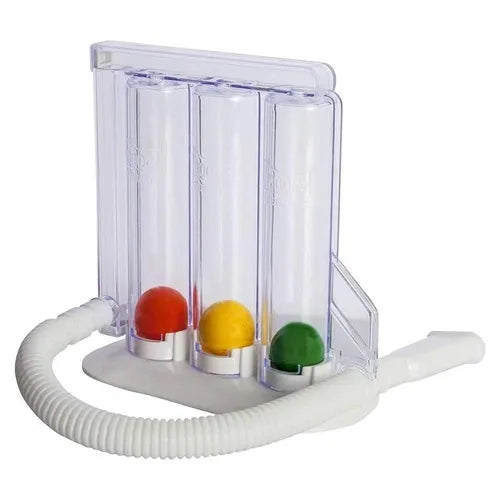
Respociser Lung Exerciser


Type: Device
Spirometer with Color LCD Display with 1 Year Warranty
Collection:
Spirometer: Enhance Respiratory Function Here
The Spirometer: Your Essential Tool for Lung Health and Recovery
In an era where respiratory wellness has taken center stage, the spirometer stands as one of the most effective, non-invasive tools for monitoring and improving pulmonary function. Whether you are a patient recovering from a major thoracic procedure or an individual looking to strengthen your respiratory muscles, understanding how to use a spirometer device is key to long-term health. At its core, a spirometer is a diagnostic and therapeutic tool that measures the volume of air inspired or expired by the lungs.
If you have just undergone surgery or are dealing with a lung condition like pneumonia, your doctor could advise using an incentive spirometer. This specific type of spirometer is designed to encourage slow, deep breaths, which helps inflate the tiny air sacs (alveoli) in your lungs that often collapse during periods of inactivity or illness. By providing visual feedback—usually through rising balls or a piston—the device transforms the abstract act of breathing into a measurable exercise, ensuring that your lungs stay clear and fully functional.
Does Using a Spirometer Benefit Your Lungs?
The answer is a resounding yes. A spirometer is a tool you can use to maintain the health of your lungs by preventing complications like atelectasis (collapsed lung) and fluid buildup. When we take shallow breaths—common when in pain after surgery—mucus can settle in the lower lobes of the lungs, creating a breeding ground for bacteria. Using an incentive spirometer forces the lungs to expand to their full capacity, facilitating the "clearing" of this mucus and significantly reducing the risk of post-operative pneumonia.
Beyond post-surgical recovery, the benefits of a spirometer extend to chronic condition management. For individuals with asthma, COPD, or cystic fibrosis, regular use helps improve the elasticity of the lung tissue and strengthens the diaphragm. In 2026, respiratory therapists are increasingly prescribing "lung gymnastics" via the spirometer to help healthy individuals increase their oxygen saturation levels and overall athletic endurance.
Quick Facts: Spirometry at a Glance
- Purpose: Measures lung capacity and strengthens respiratory muscles.
- Portability: Handheld and easy to use at home, in the office, or at the hospital.
- Safety: Non-invasive and drug-free therapy for all age groups.
- Feedback: Real-time visual indicators (balls/pistons) to track progress.
- Usage: Can be used daily as a "lung exerciser" to boost vital capacity.
Can You Use a Spirometer Device Every Day?
A common question among new users is: Can you use a spirometer device every day? For the optimum effects of exercise on your lungs, use a spirometer frequently, just like you would with other exercise equipment. In fact, consistency is the foundation of pulmonary rehabilitation. You can use it daily, depending on how frequently you use it and your specific health goals.
For post-surgical patients, the protocol often involves 10 deep breaths every hour while awake. For general lung health maintenance, using the spirometer for 5 to 10 minutes once or twice a day is usually sufficient. You can speak with your doctor if you're unsure of the frequency, especially if you have an underlying heart or lung condition. Treat the spirometer device as a "gym for your lungs"—the more regular the training, the more resilient your respiratory system becomes against seasonal illnesses and environmental pollutants.
Types of Spirometers: From Incentive to Digital
As we move through 2026, the technology behind the spirometer has branched into two main categories: Therapeutic and Diagnostic. The incentive spirometer (often the 3-ball or piston type) is primarily therapeutic, used to keep lungs open and healthy. Conversely, digital spirometers are diagnostic powerhouses. They provide precise data on FEV1 (Forced Expiratory Volume in 1 second) and FVC (Forced Vital Capacity), which are essential metrics for diagnosing lung disease.
At MeddeyGo, we provide both manual and smart spirometer models. Modern digital versions can now sync with your smartphone, allowing you to share your lung performance trends directly with your pulmonologist via a secure app. This "Smart Lung Tracking" is becoming the gold standard for managing chronic respiratory health in the post-pandemic era.
Comparison: Incentive vs. Digital Spirometers
| Feature | Incentive Spirometer | Digital Spirometer |
|---|---|---|
| Primary Function | Lung Exercise/Expansion | Lung Function Measurement |
| Key Metric | Inspiratory Volume | FEV1, FVC, PEF |
| Best For | Post-Surgery & Recovery | Asthma/COPD Management |
| Visual Indicator | Balls or Piston | Digital Screen/App |
Mastering the Technique: How to Use Your Spirometer Correctly
Using a spirometer device may seem simple, but precision in technique is what separates a casual breath from a therapeutic exercise. To get the optimum effects of exercise on your lungs, follow these steps:
- Preparation: Sit upright in a chair or at the edge of your bed. Do not lean back, as this compresses the diaphragm and limits lung expansion.
- The Seal: Hold the spirometer upright. Exhale normally, then place the mouthpiece firmly between your lips. Ensure you have a tight seal so no air escapes from the corners of your mouth.
- The Inhale: Inhale slowly and as deeply as possible. If using a 3-ball incentive spirometer, aim to lift the balls one by one and keep them suspended. A slow, steady breath is much more effective than a quick, forceful snap.
- The Hold: Once you cannot inhale any further, hold your breath for at least 3 to 5 seconds. This "end-inspiratory hold" is critical—it allows the pressure to distribute evenly across all lung segments.
- The Exhale: Remove the mouthpiece and exhale slowly. Take a few normal breaths to recover before starting the next repetition.
Common Pitfalls: Are You Doing It Wrong?
Many users inadvertently turn their spirometer into an "exhale" device. It is a vital distinction: an incentive spirometer is designed for inhalation. Blowing into the device will not provide the intended benefits and could potentially lead to dizziness.
Another frequent error is "Speed over Depth." Patients often try to jerk the balls to the top of the chamber as fast as possible. This high-velocity breathing only fills the upper part of the lungs. To truly benefit your lungs, the goal is to keep the indicator (ball or piston) at a mid-level for the longest duration possible. This ensures that the air reaches the "base" of the lungs, where fluid buildup is most likely to occur.
Sustained Maximal Inspiration (SMI): The Science
The clinical term for the exercise performed with a spirometer device is Sustained Maximal Inspiration (SMI). When you take a maximal breath and hold it, you increase the transpulmonary pressure. This pressure helps to "pop open" alveoli that have become sticky or collapsed due to anesthesia, mucus, or prolonged bed rest.
Regular SMI exercise increases the production of surfactant—a natural substance in the lungs that keeps the air sacs from sticking together. This is why you can use a spirometer every day to maintain long-term elasticity. By keeping these sacs open, you improve the surface area available for oxygen to enter your bloodstream, which directly boosts your energy levels and reduces shortness of breath.
Recovery Tip: If you feel lightheaded while using your spirometer, stop and take a break. This is often caused by hyperventilation (breathing too fast). Wait until you feel normal, then try again with slower, more controlled breaths. Speak with your doctor if dizziness persists.
Maintaining Your Device: Hygiene Protocols
| Component | Cleaning Method | Frequency |
|---|---|---|
| Mouthpiece | Warm soapy water; air dry | Daily |
| Tubing | Rinse with warm water | Every 2-3 days |
| Main Chamber | Wipe with damp cloth | Weekly |
The Long Haul: Spirometry in Post-COVID Recovery
In the landscape of 2026, many individuals are still managing the after-effects of viral respiratory infections. "Long-COVID" often manifests as pulmonary fibrosis or decreased lung compliance. The incentive spirometer has become a cornerstone of home-based rehabilitation for these patients. By using a spirometer device, survivors can gradually "re-train" their lungs to expand, breaking down the stiffness in the lung tissue that causes persistent shortness of breath.
For recovery, the focus is on "Volume Recruitment." Patients are often encouraged to use a spirometer every day to track their "Best Personal Volume." In Part 1, we mentioned how it benefits your lungs; in the context of viral recovery, it specifically prevents the formation of secondary "micro-atelectasis" (tiny collapses in the lung periphery). Regular use ensures that every corner of the lungs is being ventilated, which improves systemic oxygenation and reduces the chronic fatigue associated with poor respiratory exchange.
The Athlete’s Edge: Boosting Vital Capacity
It isn't just for patients; the spirometer is a secret weapon for high-performance athletes, singers, and wind instrument players. For an athlete, your "Vital Capacity"—the maximum amount of air you can expel after a maximum inhalation—is a direct indicator of your aerobic limit. Using a spirometer device as a resistance trainer strengthens the intercostal muscles and the diaphragm.
To get the optimum effects of exercise on your lungs for sports, athletes use "Inspiratory Muscle Training" (IMT). This involves breathing in against the resistance of the spirometer balls. Over time, this makes the act of breathing more efficient, meaning the body spends less energy on the mechanics of respiration during a race or a match, and more on muscle performance. If you're an athlete, you can speak with your doctor about integrating a 10-minute daily spirometry session into your warm-up routine.
Decoding the Screen: FEV1, FVC, and the Ratio
If you are using a digital spirometer, you will see several acronyms on the display. Understanding these is vital for managing conditions like Asthma or COPD.
- FVC (Forced Vital Capacity): The total amount of air you can forcefully blow out after taking the deepest breath possible.
- FEV1 (Forced Expiratory Volume in 1 Second): The amount of air you can push out in the first second of a hard exhale. This is the most critical number for detecting airway obstructions.
- FEV1/FVC Ratio: This percentage helps doctors differentiate between obstructive (like Asthma) and restrictive (like Fibrosis) lung diseases.
A healthy adult typically has an FEV1/FVC ratio of over 70-80%. If your spirometer device shows a lower percentage, it indicates that your airways are narrowed. Modern 2026 devices at MeddeyGo often feature "Traffic Light" indicators—Green for normal, Yellow for caution, and Red for "contact your doctor"—making it easy for anyone to monitor their lung health without needing a medical degree.
2026 Metric Standards: What’s Normal?
Normal values for a spirometer are based on your age, height, and gender. A "Predicted Value" is calculated by the device. If your digital spirometer shows you are at 80% or more of your predicted FEV1, your lung function is considered within the normal range. Speak with your doctor to establish your baseline "Personal Best" during a period of good health.
Lung Health Progress Log (Sample)
| Week | Goal (Incentive) | Avg FEV1 (Digital) | Status |
|---|---|---|---|
| Week 1 | Lift 2 balls | 2.4 L | Recovery Phase |
| Week 4 | Lift 3 balls | 3.1 L | Building Strength |
| Week 8+ | Hold 3 balls (5s) | 3.8 L | Maintenance |
Pediatric Spirometry: Engaging the Next Generation
Teaching a child to use a spirometer device requires a different approach than adult therapy. For children dealing with congenital heart issues, cystic fibrosis, or childhood asthma, the benefits of using a spirometer are immense, but compliance can be a challenge. In 2026, pediatric incentive spirometer models often incorporate "Gamification." Instead of simple balls, these devices use colorful characters or interactive digital interfaces where the child "powers" a game character with their breath.
It is safe for children to use a spirometer every day, provided the device is sized correctly for their smaller lung volumes. Pediatric pulmonologists recommend short, frequent sessions—perhaps 3 minutes, three times a day—to avoid fatigue. By making lung exercise a game, children develop a proactive relationship with their respiratory health, learning early on that they have the power to benefit their lungs through consistent effort.
From Wood to Wireless: The Evolution of the Spirometer
The journey of the spirometer began in the mid-19th century with John Hutchinson’s "water spirometer," a bulky wooden and glass apparatus. Today, the spirometer device has been miniaturized into a handheld tool that fits in a pocket. This evolution hasn't just been about size; it's about accessibility. What used to require a trip to a specialized hospital lab can now be done at a kitchen table.
The shift toward the incentive spirometer in the 1970s changed post-operative care forever, moving the focus from "reactive" treatment (treating pneumonia) to "proactive" prevention. In 2026, we see the next leap: AI-integrated sensors that can predict a respiratory flare-up days before a patient feels symptoms. This history proves that the spirometer is not just a plastic tube; it is a refined piece of medical engineering designed to save lives.
Environmental Defense: Spirometry in an Age of Air Pollution
As urban air quality continues to fluctuate in 2026, our lungs are under constant assault from particulate matter (PM2.5) and pollutants. This is where a spirometer becomes a tool for the healthy individual as much as the patient. Daily use acts as a "deep clean" for the lungs. By forcing air into the furthest reaches of the pulmonary tree, you ensure that pollutants are not allowed to settle and cause localized inflammation.
If you live in a high-pollution area, you should use a spirometer every day during high-smog seasons. This keeps your respiratory muscles strong and your airways clear. If you notice a sudden drop in your capacity on a particularly hazy day, you can speak with your doctor about preventative measures. The spirometer device serves as your personal early-warning system in a changing environment.
Pediatric vs. Adult Device Selection
| Feature | Pediatric Spirometer | Adult Spirometer |
|---|---|---|
| Volume Range | 500ml - 2500ml | 2500ml - 5000ml+ |
| Design Focus | Gamification/Colors | Data Accuracy/Clinical Feedback |
| Mouthpiece Size | Small/Ergonomic | Standard Universal |
Frequently Asked Questions (FAQ)
1. Does using a spirometer benefit your lungs even if I'm healthy?
Yes. A spirometer is a tool you can use to maintain the health of your lungs by strengthening the diaphragm and increasing your vital capacity. It acts as a "gym for your lungs," helping you resist the effects of aging and air pollution.
2. Can you use a spirometer device every day?
For the optimum effects of exercise on your lungs, use a spirometer frequently. You can use it daily as part of your wellness routine. However, if you're unsure of the frequency for your specific condition, you can speak with your doctor.
3. What is the difference between a peak flow meter and a spirometer?
While both are spirometer devices of a sort, a peak flow meter only measures how fast you can exhale. An incentive spirometer focuses on slow, deep inhalation to expand the lungs, and a digital spirometer provides a complete diagnostic picture (FEV1/FVC).
4. Can children use the same spirometer as adults?
While the physics is the same, children typically need a pediatric spirometer with a lower volume range (e.g., 2500ml) to ensure the exercise is challenging yet achievable for their smaller lung size.
5. Why is my ball not rising to the top?
This is a common concern. The goal isn't always to hit the top, but to inhale slowly and steadily. If you inhale too fast, the balls may snap up but your lungs won't fully expand. Focus on a controlled lift for optimum effects.
Why Choose MeddeyGo for Your Spirometer?
MeddeyGo is India's trusted partner for respiratory health. In 2026, we continue to lead by providing clinical-grade tools for home and hospital use.
- ✅ Clinically Validated: Every spirometer device we sell undergoes rigorous testing for accuracy and durability.
- ✅ Wide Selection: From the classic 3-ball incentive spirometer to advanced Bluetooth digital models.
- ✅ Educational Support: We don't just sell the device; we provide the guides you need to benefit your lungs effectively.
- ✅ Fast & Secure Shipping: Get your respiratory tools delivered safely to your doorstep with our pan-India logistics network.
Conclusion: Breathe Better, Live Better
Investing in a spirometer is one of the simplest yet most profound steps you can take for your long-term health. Whether you are recovering from surgery, managing a chronic condition, or simply aiming for peak physical performance, the ability to monitor and exercise your lungs is invaluable.
Remember, your lungs are like any other muscle—they need consistent training to stay strong. By choosing a high-quality spirometer device from MeddeyGo and committing to use it every day, you are ensuring that every breath you take is deep, efficient, and life-sustaining. Take control of your respiratory future today.