


Type: Occupational
Medicine Ball Exercise Ball
Type: Tapes & Bands
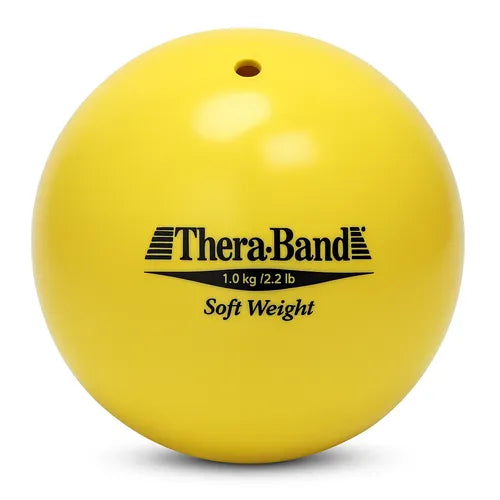
Original Theraband Soft Weight Medicine Ball 1 Kg Yellow

Type: Occupational
Gym Ball Swiss Ball Exercise Ball 55cm
Type: Tapes & Bands
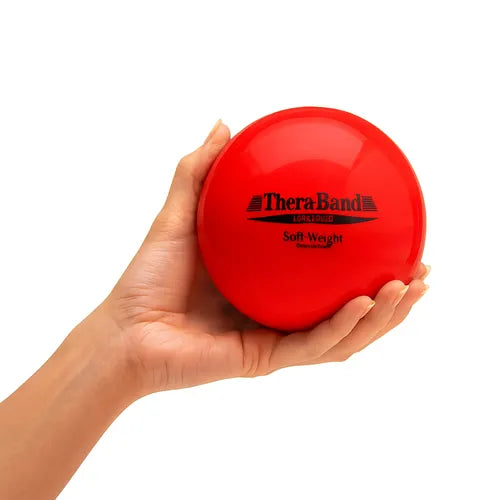
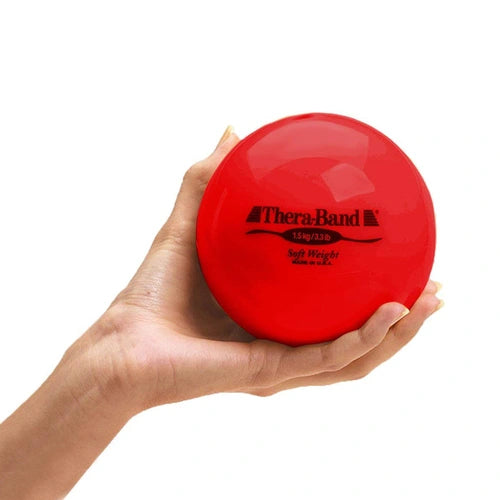
Original Theraband Soft Weight Medicine Ball 1.5 Kg Red
Type: Occupational
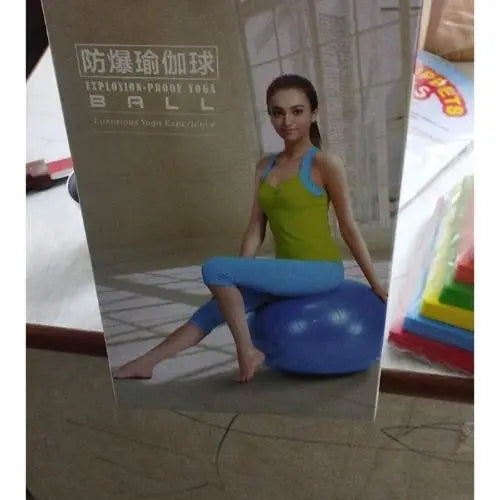
Gym Ball Generic 75 cm with Pump
Type: Occupational
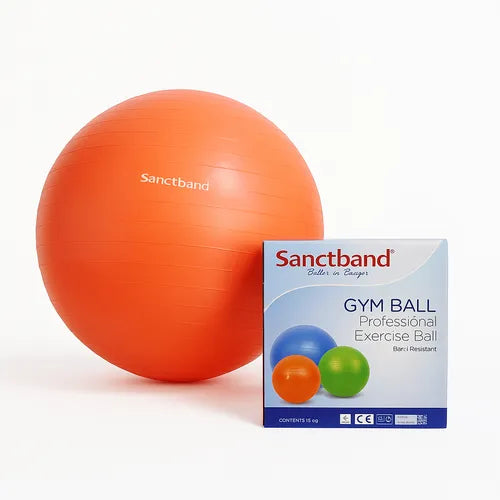
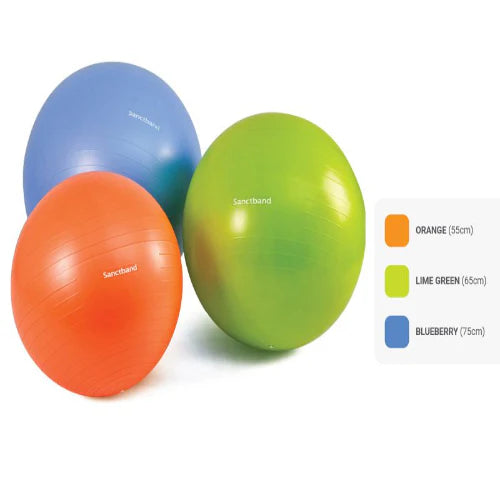
Sanctband Gym Ball Orange - 55 cm
Type: Occupational
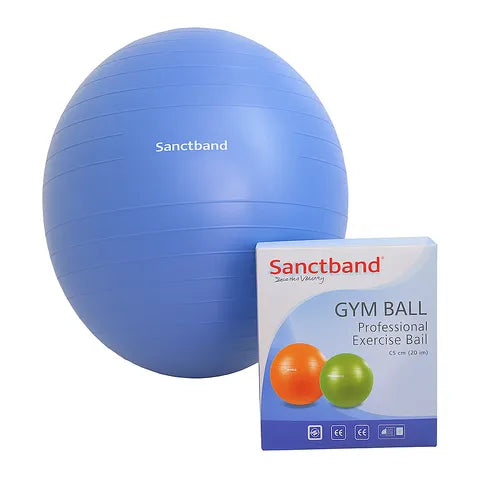
Sanctband Gym Ball Blue - 75 cm
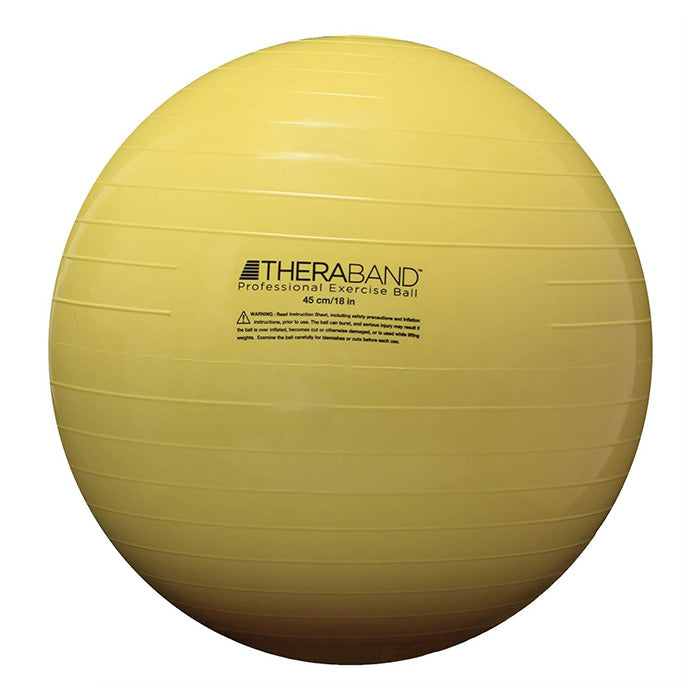
Type: Tapes & Bands
Original Theraband Exercise Gym Ball Yellow 45cm
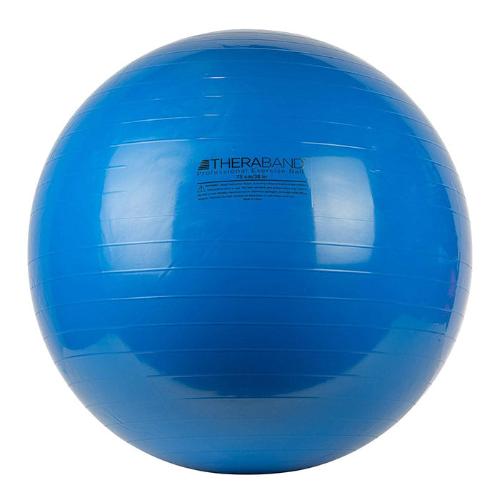
Type: Tapes & Bands
Original Theraband Exercise Gym Ball Blue 75cm

Type: MeddeyGo
Gym Ball Swiss Ball Exercise Ball 65cm
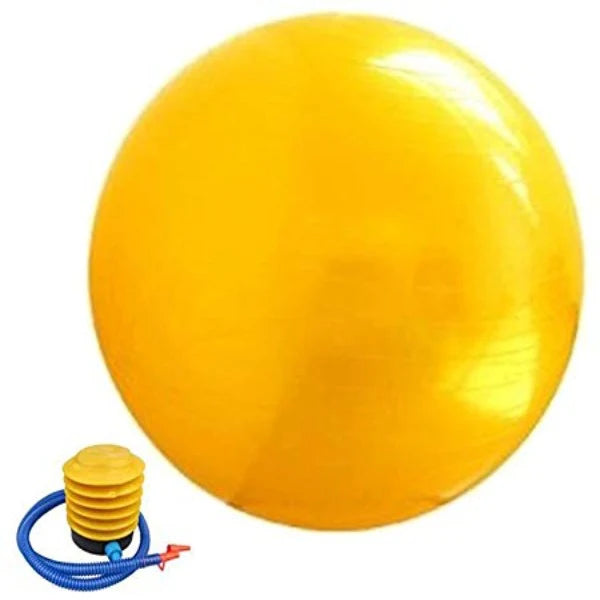
Type: General Accessories
Anti Burst Ball 75cm with pump
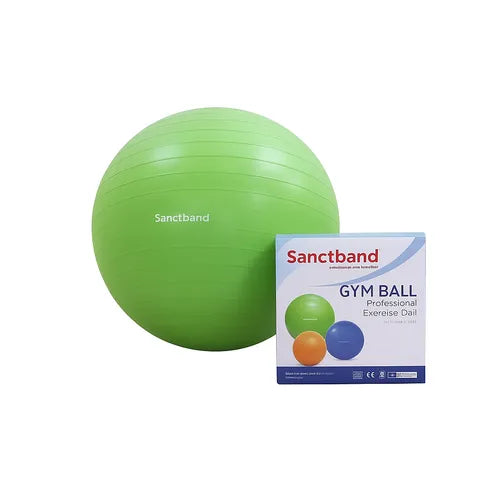
Type: Occupational
Sanctband Gym Ball Green - 65 cm
Type: Tapes & Bands
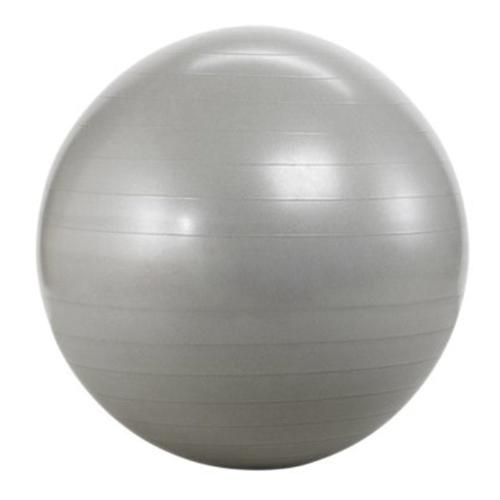
Original Theraband Exercise Gym Ball Siver 85cm


Type: Core Strengthening
Medicne Baill 1Kg, 2 Kg, 3 Kg Combo


Type: Occupational
Gym Ball 75 cm | Premium Exercise & Stability Ball for Fitness & Rehab
Collection:
Benefits of Using a Swiss Ball
The Swiss ball, also known as a stability ball, exercise ball, or physio ball, has become an indispensable tool in both fitness and rehabilitation settings. Its adaptability and efficacy make it a favored choice for both personal exercise routines and professional therapy sessions. This article will delve into the myriad benefits of using a Swiss ball, its diverse applications in physiotherapy, and how it can enhance your workout regimen.
Summary
Swiss balls offer a low-impact, highly versatile way to build core strength, balance, flexibility, and functional stability through instability-based training. They are widely used in physiotherapy for posture training, vestibular rehabilitation, and back pain relief, while also suiting all fitness levels in general workouts. Choosing the right size, durable burst-resistant material, and proper inflation enhances safety and effectiveness. This article explains the ball’s design, history, benefits, selection tips, and provides sample exercises (crunches, plank with leg lifts, leg curls, wall squats) to integrate into your routine.

A Swiss ball is a large, inflatable sphere made from resilient PVC material. It is engineered to provide instability, compelling the user to engage various muscle groups to maintain equilibrium. This attribute makes it an exceptional tool for bolstering core strength, enhancing stability, and advancing overall fitness.
Design and Material
Swiss balls are crafted from high-quality, burst-resistant PVC, ensuring durability and safety during exercises. This robust construction is crucial for maintaining the ball's shape and effectiveness, even under significant pressure. The material's flexibility allows the ball to adapt to various exercises, providing a supportive yet challenging platform.
History and Development
Originally developed in the 1960s by an Italian plastics manufacturer, the Swiss ball was first used in physical therapy settings. Over the decades, its applications expanded into mainstream fitness due to its effectiveness in improving strength and balance. The ball's evolution reflects its growing popularity in both therapeutic and fitness domains.
Functionality and Usage
The primary function of a Swiss ball is to create an unstable surface that challenges the user's balance and coordination. This instability requires continuous muscle engagement, which enhances muscle tone and strength. Its versatility allows it to be used in a wide range of exercises, from simple stretches to complex strength-building routines.
The Advantages of Incorporating a Swiss Ball into Your Routine
Incorporating a Swiss ball into your workout routine offers numerous benefits that extend beyond traditional exercise equipment. It can enhance your fitness experience by providing unique challenges and opportunities for growth.
1. Core Strengthening
The unstable surface of a Swiss ball challenges the core muscles, including the abdominal, oblique, and lower back muscles. When performing exercises such as planks or crunches on a Swiss ball, you engage these muscles more effectively than on a stable surface. This engagement helps improve posture, balance, and overall functional strength.
Engaging the Core
Exercises performed on a Swiss ball require constant activation of the core muscles to maintain balance. This continuous engagement results in a more dynamic and effective workout. By stabilizing the body on the ball, you can significantly enhance the strength and endurance of your core muscles.
Benefits for Posture
A strong core is essential for maintaining proper posture. Regular use of a Swiss ball can help correct postural imbalances and reduce the risk of back pain. Improved posture also contributes to better breathing and increased overall energy levels.
Functional Strength
Building core strength with a Swiss ball translates to improved functional strength, which is crucial for everyday activities. Whether lifting groceries or climbing stairs, a strong core supports efficient and pain-free movement.
2. Enhanced Flexibility and Range of Motion
Swiss ball exercises often involve stretching and extending the body in various directions, promoting flexibility and a greater range of motion. For instance, performing back extensions on a Swiss ball can help relieve tension in the spine and improve spinal flexibility.
Stretching with a Swiss Ball
Using a Swiss ball for stretching allows for deeper and more controlled stretches, as the ball supports and guides the body's movements. This support helps prevent overstretching and reduces the risk of injury. Regular stretching with a Swiss ball can increase overall flexibility and mobility.
Spinal Health
The gentle support provided by a Swiss ball is particularly beneficial for spinal health. Exercises that focus on back extensions and spinal twists can alleviate tension and improve spinal alignment. This can lead to reduced back pain and enhanced overall well-being.
Flexibility for Athletes
For athletes, improved flexibility and range of motion can enhance performance and reduce the risk of injuries. Incorporating Swiss ball exercises into training routines can help athletes maintain peak physical condition and achieve their performance goals.
3. Improved Balance and Coordination

Using a Swiss ball requires continuous adjustments to maintain balance, which enhances proprioception---the body's ability to sense its position in space. This improvement in balance and coordination is particularly beneficial for athletes and older adults, helping to prevent falls and improve performance.
Proprioceptive Training
The instability of a Swiss ball challenges the body's proprioceptive system, which is responsible for maintaining balance and spatial awareness. Regular training on a Swiss ball can enhance this system, leading to improved coordination and agility.
Benefits for Older Adults
For older adults, maintaining balance is crucial for preventing falls and related injuries. Swiss ball exercises can improve balance and coordination, providing a safe and effective way to enhance stability. This can lead to increased confidence and independence in daily activities.
Athletic Performance
Athletes can benefit from improved balance and coordination in their respective sports. The dynamic nature of Swiss ball exercises helps develop the quick reflexes and precise movements required in competitive environments. This can give athletes a competitive edge and reduce the risk of sports-related injuries.
4. Versatility in Exercise Routines
The Swiss ball is incredibly versatile, suitable for a wide range of exercises targeting different muscle groups. From leg exercises and upper body workouts to stretches and therapy ball exercises, the Swiss ball can be incorporated into almost any fitness routine.
Full-Body Workouts
A Swiss ball can be used to perform a variety of full-body exercises that target multiple muscle groups simultaneously. This versatility makes it an excellent addition to any workout regimen, whether you're focusing on strength, flexibility, or endurance.
Customizable Exercises
The adaptability of a Swiss ball allows for customization of exercises to suit individual fitness levels and goals. Whether you're a beginner or an advanced fitness enthusiast, you can modify exercises to increase or decrease the level of difficulty.
Rehabilitation and Recovery
In addition to general fitness, the Swiss ball is widely used in rehabilitation settings. It provides a safe and effective way to perform exercises that aid in recovery from injuries, helping individuals regain strength and mobility.
5. Low Impact and Safe
Exercises performed on a Swiss ball are generally low impact, making them suitable for individuals of all fitness levels, including those recovering from injuries. The ball provides support and cushioning, reducing the risk of strain or injury during workouts.
Gentle on Joints
The low-impact nature of Swiss ball exercises means they are gentle on the joints, making them ideal for individuals with joint concerns or arthritis. The ball's cushioning effect absorbs shock, reducing stress on the knees, hips, and spine.
Suitable for All Fitness Levels
Whether you're new to fitness or a seasoned athlete, the Swiss ball can be adapted to suit your needs. Its low-impact nature ensures that you can progress at your own pace, gradually increasing the intensity of your workouts as your strength and confidence grow.
Injury Prevention
By promoting proper form and alignment, Swiss ball exercises can help prevent common workout injuries. The support provided by the ball encourages safe movement patterns, reducing the risk of strains and sprains.
Swiss Ball in Physiotherapy
Swiss balls are frequently used in physiotherapy to aid in rehabilitation and recovery. They are particularly effective in:
- Postural Training: Helping patients develop better posture by strengthening the core and back muscles.
- Vestibular Rehabilitation: Assisting with balance and coordination exercises for patients with vestibular disorders.
- Back Pain Relief: Providing gentle support and encouraging proper spinal alignment during exercises.
Postural Training
In physiotherapy, Swiss balls are used to help patients develop better posture by strengthening the core and back muscles. By incorporating Swiss ball exercises into therapy sessions, patients can learn to maintain proper alignment and reduce the strain on their spine.
Core Strengthening for Posture
Strengthening the core is crucial for maintaining good posture. Swiss ball exercises target the deep stabilizing muscles that support the spine, helping patients achieve and maintain an upright posture. This can lead to reduced back pain and improved overall health.
Real-Life Applications
Good posture is essential for performing everyday tasks efficiently and without discomfort. By improving posture through Swiss ball exercises, patients can experience enhanced quality of life and greater ease in daily activities.
Posture-Related Pain Relief
Poor posture is often associated with various musculoskeletal issues, including back and neck pain. Swiss ball exercises can alleviate these symptoms by promoting proper alignment and muscle balance.
Vestibular Rehabilitation
Swiss balls are also valuable tools in vestibular rehabilitation, which focuses on improving balance and coordination for individuals with vestibular disorders. These exercises can help patients regain their sense of equilibrium and confidence in their movements.
Balance and Coordination Exercises
Using a Swiss ball for balance and coordination exercises can enhance the body's ability to maintain stability. This is particularly important for individuals with vestibular disorders, who may experience dizziness and imbalance.
Tailored Rehabilitation Programs
Physiotherapists can design personalized rehabilitation programs using Swiss balls to address specific balance and coordination challenges. These programs can improve patients' overall stability and reduce the risk of falls.
Long-Term Benefits
Consistent vestibular rehabilitation with a Swiss ball can lead to long-term improvements in balance and coordination, enhancing patients' quality of life and independence.
Back Pain Relief
Swiss balls provide gentle support and encourage proper spinal alignment during exercises, making them effective tools for relieving back pain. They allow patients to perform exercises that stretch and strengthen the back muscles without causing discomfort.
Spinal Alignment
Proper spinal alignment is essential for preventing and alleviating back pain. Swiss ball exercises help maintain this alignment by promoting balanced muscle development and reducing strain on the spine.
Stretching and Strengthening
Exercises that focus on stretching and strengthening the back can alleviate tension and improve mobility. Swiss ball exercises provide a safe and effective way to perform these movements, reducing the risk of exacerbating pain.
Pain Management Strategies
For individuals suffering from chronic back pain, incorporating Swiss ball exercises into a pain management plan can offer relief and improve overall function. These exercises can be tailored to suit individual needs and abilities.
Choosing the Right Swiss Ball
When selecting a Swiss ball, consider the following factors to ensure you choose the right one for your needs:
Size and Fit
Swiss balls come in various sizes, typically ranging from 45 cm to 85 cm in diameter. The right size for you depends on your height:
- Under 5'4": 45 cm ball
- 5'4" to 5'11": 55 cm ball
- 6'0" to 6'7": 65 cm ball
- 6'8" and taller: 75 cm ball
When seated on the ball, your knees should be at a 90-degree angle for optimal fit.
Measuring for the Right Fit
To ensure the correct fit, measure your height and consult the size chart provided by the manufacturer. Sitting on the ball with your feet flat on the floor, your knees should form a 90-degree angle, indicating the right size.
Adjusting for Comfort
If you find the ball too firm or too soft, adjust the inflation level to enhance comfort and stability. Proper inflation is key to maximizing the ball's benefits during exercises.
Importance of Proper Fit
Choosing the correct size is crucial for achieving the best results from your Swiss ball exercises. A well-fitted ball ensures proper alignment and support, reducing the risk of injury and enhancing the effectiveness of your workouts.
Material and Durability
Look for a Swiss ball made from high-quality, burst-resistant material to ensure safety and longevity. Many balls are constructed from PVC, which is durable and can withstand regular use.
Burst-Resistant Technology
High-quality Swiss balls are designed with burst-resistant technology to prevent sudden deflation during use. This feature enhances safety and provides peace of mind during workouts.
Longevity and Maintenance
To maintain your Swiss ball's durability, store it in a cool, dry place away from direct sunlight. Regularly check for signs of wear and tear, and replace the ball if it shows signs of damage.
Environmental Considerations
Some manufacturers offer eco-friendly Swiss balls made from sustainable materials. If environmental impact is a concern, consider choosing a ball that aligns with your values.
Swiss Ball Pump
A good Swiss ball pump is essential for maintaining the correct inflation level. Proper inflation ensures the ball provides the right amount of resistance and support during exercises.
Importance of Correct Inflation
Maintaining the correct inflation level is crucial for ensuring the Swiss ball's effectiveness and safety. An under-inflated ball can compromise stability, while an over-inflated ball may be too rigid for comfortable use.
Types of Pumps
There are various types of pumps available, from manual to electric. Choose a pump that suits your needs and allows for easy and efficient inflation.
Regular Maintenance
Regularly check the ball's inflation level and adjust as needed to maintain optimal performance. Proper maintenance will extend the life of your Swiss ball and enhance your exercise experience.
Incorporating Swiss Ball Workouts into Your Routine
To get the most out of your Swiss ball, consider incorporating it into your regular workout routine. Here are a few exercises to get you started:
1. Swiss Ball Crunches
Target your abdominal muscles by performing crunches on a Swiss ball. The unstable surface increases the intensity of the exercise, engaging more muscle fibers.
Proper Technique
To perform a Swiss ball crunch, sit on the ball and walk your feet forward until your lower back is supported. Cross your arms over your chest and engage your core as you lift your upper body toward your knees. Maintain control and avoid using momentum.
Variations for Increased Intensity
To increase the intensity, try holding a weight or medicine ball across your chest as you perform the crunches. You can also add a twist at the top of the movement to engage the oblique muscles.
Benefits for Core Strength
Swiss ball crunches are highly effective for building core strength, improving muscle tone, and enhancing overall stability. Regular practice can lead to improved posture and reduced risk of back pain.
2. Plank with Leg Lifts
Challenge your core and lower body by holding a plank position with your feet on a Swiss ball. Lift one leg at a time to further engage your glutes and hamstrings.
Step-by-Step Instructions
Begin in a plank position with your feet resting on the Swiss ball. Engage your core and lift one leg off the ball, holding the position for a few seconds before switching legs. Maintain a straight line from your head to your heels throughout the exercise.
Modifications for Beginners
If you're new to this exercise, start with a basic plank on the Swiss ball before attempting the leg lifts. Gradually progress to the full movement as your strength and balance improve.
Targeted Muscle Groups
This exercise effectively targets the core, glutes, and hamstrings, enhancing strength and stability in these key areas. It also challenges balance and coordination, making it a comprehensive full-body workout.
3. Swiss Ball Leg Curls
Lie on your back with your heels on the ball. Lift your hips off the ground and roll the ball towards you by bending your knees. This exercise targets the hamstrings and glutes.
Performing the Exercise
To perform Swiss ball leg curls, lie flat on your back with your legs extended and heels resting on the ball. Engage your core and lift your hips, then bend your knees to roll the ball toward your glutes. Return to the starting position with control.
Increasing Difficulty
For an added challenge, try performing the exercise with one leg at a time. This increases the intensity and requires greater balance and coordination.
Benefits for Lower Body Strength
Swiss ball leg curls are excellent for building strength in the hamstrings and glutes, improving muscle tone, and enhancing lower body stability. Regular practice can lead to increased power and endurance in athletic activities.
4. Wall Squats
Perform squats while holding a Swiss ball between your back and a wall. This exercise helps improve balance and targets the quadriceps, glutes, and calves.
Setting Up the Exercise
To perform wall squats, place a Swiss ball between your lower back and a wall. Step your feet forward and lower your body into a squat, keeping your knees aligned with your toes. Hold the position for a few seconds before returning to the starting position.
Adjusting for Difficulty
To make the exercise more challenging, hold dumbbells in your hands or increase the depth of the squat. Focus on maintaining proper form and control throughout the movement.
Muscle Engagement and Benefits
Wall squats are effective for building strength in the quadriceps, glutes, and calves, improving balance and enhancing overall lower body endurance. This exercise is also gentle on the knees, making it suitable for individuals with joint concerns.
Conclusion
The Swiss ball is a versatile and effective tool for enhancing fitness and rehabilitation. Its ability to improve core strength, flexibility, balance, and coordination makes it a valuable addition to any exercise routine. Whether you're a hospital administrator looking to enhance patient care, a medical equipment distributor seeking market differentiation, or a healthcare technology consultant aiming to provide cutting-edge insights, understanding the benefits of the Swiss ball can inform strategic decisions in the healthcare ecosystem.
By incorporating Swiss ball exercises into your routine, you can unlock a range of health benefits that promote overall well-being and support your fitness goals. Whether used in physiotherapy or personal workouts, the Swiss ball continues to be a valuable asset in the world of health and fitness.
By embracing the Swiss ball's potential, you can elevate your fitness journey, achieve your health objectives, and enjoy a more dynamic and fulfilling lifestyle.
Q&A
Question: What makes a Swiss ball effective compared to traditional stable equipment?
Short answer: Its engineered instability compels continuous muscle engagement to maintain balance, which enhances core strength, posture, and functional stability. Made from durable, burst-resistant PVC, the ball provides a supportive yet challenging surface for a wide range of movements—from stretches and back extensions to strength exercises—improving flexibility, balance, and overall fitness more dynamically than stable surfaces.
Question: How do I choose the right size Swiss ball and ensure it’s properly inflated?
Short answer: Match ball size to your height: under 5'4" = 45 cm; 5'4"–5'11" = 55 cm; 6'0"–6'7" = 65 cm; 6'8"+ = 75 cm. When seated with feet flat, your knees should be at about 90 degrees. Use a reliable pump (manual or electric) and adjust inflation for comfort—under-inflation reduces stability, over-inflation can feel too rigid. Choose high-quality, burst-resistant PVC for safety, check for wear, and store in a cool, dry place away from sun to maintain durability.
Question: Who can benefit from Swiss ball training, and is it safe for beginners or those with joint concerns?
Short answer: The Swiss ball suits all fitness levels, including beginners, older adults, and people returning from injury. Exercises are low impact and joint-friendly, with cushioning that reduces stress on knees, hips, and spine. Its versatility lets you scale difficulty, promoting safe movement patterns and helping prevent strains and sprains while you build strength, balance, and confidence at your own pace.
Question: How does a Swiss ball help with posture and back pain?
Short answer: By challenging the core and back to stabilize, Swiss ball work strengthens deep stabilizers that support proper spinal alignment. Back extensions, controlled spinal twists, and core-focused exercises can relieve tension, improve posture, and reduce back and neck pain. In physiotherapy, it’s used for postural training and back pain relief by encouraging correct alignment and balanced muscle activation.
Question: What are good starter exercises with a Swiss ball and what do they target?
Short answer:
- Swiss ball crunches: Target abdominals (add a twist to engage obliques); keep the lower back supported by the ball and move with control.
- Plank with leg lifts: Works core, glutes, and hamstrings; maintain a straight line head-to-heels while alternating leg lifts.
- Swiss ball leg curls: Strengthen hamstrings and glutes; lift hips, then bend knees to roll the ball toward you (progress to single-leg for more challenge).
- Wall squats: Target quadriceps, glutes, and calves; keep knees aligned with toes and control the descent. These moves collectively build core stability, lower-body strength, and balance.