
Filter
4 products
Type: Tapes & Bands
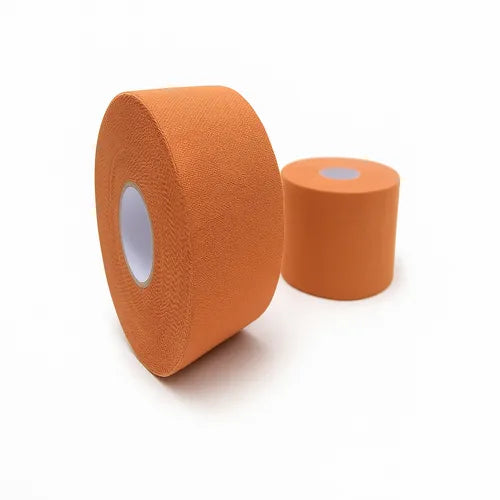
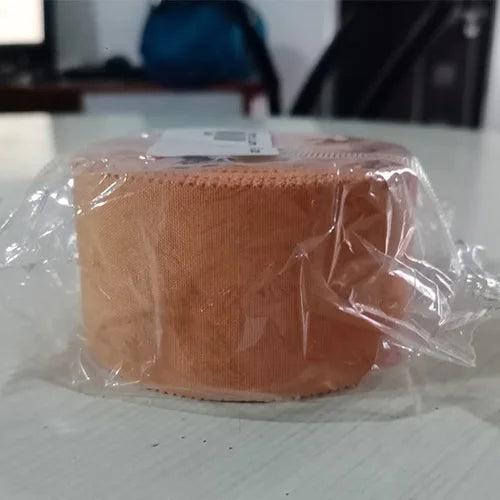
Premium Rigid Tape

Type: Medansh
Rigid Tape 2.5cm W X 13.7m

Type: Medansh
Premium Foam Underwrap


Type: Tapes & Bandages
Elastic Compression Crepe Bandage for Support & Medical Care
Collection:
Adhesive Bandage | Perfect for Compression Support
What is an adhesive bandage? Beyond the Basics
An adhesive bandage is much more than a simple "stick-on" strip. In a clinical setting, it refers to a versatile class of medical supplies—from minor wound protectors to heavy-duty elastic adhesive bandages (EAB)—used for compression, stabilization, and primary wound care. At its core, it consists of a flexible backing material coated with a pressure-sensitive adhesive.
Modern variants like TopOPlast and Neptoplast are engineered with high-porosity fabrics that allow the skin to breathe, which is essential for preventing maceration. Unlike standard tapes, an elastic plaster or adhesive plaster bandage provides a dynamic "recoil" effect. This elasticity allows the bandage to conform to moving joints while maintaining consistent pressure—a critical requirement for orthopedic strapping and muscle support.
Clinical Comparison: TopOPlast vs. Neptoplast vs. Elastoplast
| Feature | TopOPlast (EAB) | Neptoplast (EAB) | Elastoplast Fabric |
|---|---|---|---|
| Primary Material | High-stretch Cotton | Fine Crepe Cloth | Flexible Textile |
| Adhesive Type | Hypoallergenic Synthetic | Zinc Oxide (Antiseptic) | Strong Reliable Latex |
| Elasticity | High (Long-stretch) | Remarkable Regain | Standard Flex |
| Best For | IV Fixation & Minor Sprains | Orthopedic Strapping | Minor Cuts & Scrapes |
What is Neptoplast Elastic Adhesive Bandage used for?
In the Indian medical market, the Neptoplast Elastic Adhesive Bandage is widely recognized as the gold standard for clinical compression. Its unique formulation uses a specially treated crepe cloth that provides "high stretch and regain" capabilities. This means it doesn't just stretch to fit; it actively pulls back to provide supportive tension.
Key Clinical Uses:
• Ligament Injuries: Providing external stability to sprained ankles or wrists during the acute healing phase.
• Post-Surgical Compression: Reducing edema (swelling) after orthopedic surgeries or abdominal procedures.
• Wound Dressing Fixation: Its aggressive Zinc Oxide adhesive ensures that primary dressings stay in place even on high-friction areas like knees or elbows.
Variants & Sizing Guide
| Standard Size | Clinical Use Case | Unit Type |
|---|---|---|
| 6 cm x 4/6 Mtr | Pediatric Use, Fingers, Wrists | Roll |
| 8 cm x 4/6 Mtr | Ankles, Elbows, IV Support | Roll |
| 10 cm x 4/6 Mtr | Knees, Thighs, Abdominal Wraps | Roll |
Hover for Professional Bandaging Secrets
What bandages are good for sweating?
• Look for "Zinc Oxide" adhesives; they tolerate moisture better than acrylics.
• Neptoplast is specifically designed with air-permeable fabric to prevent "sweat-maceration."
How long should you keep it on?
• Warning: Change immediately if the bandage feels "tight" or if toes/fingers feel numb.
• Post-Op: Follow the surgeon's specific timeline (often 48 hours dry).
Safety Note: Sensitive Skin & Post-Surgical Care
While Neptoplast is generally hypoallergenic due to its Zinc Oxide base, patients with extreme skin fragility (adult or burn victims) should be monitored. For post-surgical dressings, ensure the skin is clean and dry before application to maximize the "fast edges" and prevent skin-shearing during removal.
The Science of Stick: Why Zinc Oxide Matters
When clinicians discuss adhesive plaster bandages or elastic adhesive bandages, the conversation eventually turns to the adhesive mass. Unlike consumer-grade tapes, professional EABs like Neptoplast use a heavy-duty Zinc Oxide (ZnO) adhesive.
Why Zinc Oxide?
• Strong Initial Tack: ZnO provides immediate high-level adhesion, even on skin that may be slightly damp or oily, which is common in emergency and sports medicine.
• Antiseptic Properties: Zinc Oxide is naturally bacteriostatic, meaning it helps inhibit the growth of bacteria under the bandage, reducing the risk of infection in post-surgical dressings.
• Pressure Sensitivity: The bond strengthens under pressure, making it ideal for compression therapy where the bandage must stay secure for 24+ hours.
Technical Specifications: Elasticity & Support
| Mechanical Metric | Standard EAB (Neptoplast) | Lightweight EAB (TopOPlast) | Standard Plaster |
|---|---|---|---|
| Stretch Ratio | 1:1.6 (High Recovery) | 1:1.4 (High Comfort) | Non-Elastic |
| Porosity | ~35% (High Breathability) | ~50% (Max Breathability) | Low (Occlusive) |
| Tensile Strength | > 50 N/cm | > 35 N/cm | < 15 N/cm |
| Adhesive Weight | 70-80 g/m² | 50-60 g/m² | 20-30 g/m² |
Elastic Plaster vs. Rigid Plaster: Clinical Intent
The term elastic plaster refers to an adhesive bandage that allows for "dynamic stabilization." In orthopedics, a rigid tape is used to completely immobilize a joint. However, an elastic adhesive bandage is used when some range of motion is desired but support is needed to prevent over-extension.
For example, in treating a Grade 1 ankle sprain, a physiotherapist uses elastoplast bandages to wrap the joint. The "elasticity" allows the patient to walk (functional rehabilitation) while the "adhesive" ensures the bandage provides a physical stop before the ligament can be re-injured. This balance of movement and protection is why EABs are the backbone of modern sports medicine.
Is Neptoplast safe for all skin types? Advanced Dermatological View
A common concern for nurses is: "Can Neptoplast be used on sensitive skin?" While Neptoplast is designed for high-performance adhesion, its Zinc Oxide base is generally better tolerated than older rubber-based adhesives.
For Sensitive Skin Management:
Clinicians often use a "Skin Barrier Spray" or a thin layer of tubular gauze (Stockinette) under the adhesive bandage for patients with very thin or allergic skin. Alternatively, TopOPlast is engineered with a lighter adhesive mass, making it the preferred choice for pediatric or geriatric patients where the risk of "medical adhesive-related skin injury" (MARSI) is higher.
Warning: The Dangers of Circular Strapping
When applying an adhesive plaster bandage around a limb, never apply it in a continuous circular fashion with full tension. This can create a tourniquet effect as the limb naturally swells during the inflammatory phase. Protocol: Always overlap by 50% and leave a "window" of skin visible to check for distal circulation (Capillary Refill Time).
Professional Quick Tips for Removal
How to remove a strong adhesive without pain?
Keep your EABs in optimal condition.
Can Neptoplast be used for post-surgical dressings?
In the operating theatre (OT) and post-anesthesia care units (PACU), the integrity of a surgical site depends heavily on the primary dressing's security. Neptoplast is a preferred choice for post-surgical dressings due to its high-mass adhesive and superior conforming properties.
Standard OT Protocol for EAB Application:
1. Hemostasis & Cleaning: Ensure the incision site is dry and all antiseptic prep (like Betadine) has fully evaporated.
2. Primary Layer: Place a sterile non-adherent pad over the incision.
3. The "Anchor" Technique: Apply the first 2-3 inches of the adhesive plaster bandage without tension to create a secure anchor on healthy skin.
4. Controlled Compression: Apply the remainder of the bandage with 50-70% stretch. This provides the necessary compression to prevent hematoma formation without compromising distal pulses.
TopOPlast: The Specialist in IV & Cannula Fixation
While Neptoplast excels in heavy-duty orthopedics, TopOPlast has carved a niche in general nursing care, particularly for IV Cannula fixation. Because TopOPlast is engineered with a more flexible, lightweight weave, it is less bulky on the hand or forearm.
Why Nurses Prefer TopOPlast for IVs:
• Hypoallergenic Safety: Patients with long-term IV access are at high risk for contact dermatitis; TopOPlast’s synthetic adhesive reduces this risk.
• Fast Edges: The bandage is designed with non-fray edges, ensuring that the dressing remains "clean" and doesn't unravel, which is a major factor in preventing catheter-related bloodstream infections (CRBSI).
• Ease of Monitoring: Its thinner profile allows nurses to palpate the vein and check for infiltration more easily than with thicker elastoplast bandages.
Procurement Matrix: Choosing the Right EAB for Your Facility
| Facility Type | Recommended Product | Primary Procurement Logic |
|---|---|---|
| Orthopedic Hospital | Neptoplast (8cm/10cm) | High tensile strength for post-op joint stabilization. |
| General Clinic / OPD | TopOPlast (6cm/8cm) | Versatility for minor injuries and hypoallergenic safety. |
| Physiotherapy Center | Elastoplast / Neptoplast | Focus on "Regain" properties for functional strapping. |
| Home Care / First Aid | Adhesive Plaster Strips | Ease of use for non-professionals. |
What bandages are good for sweating? The Porosity Factor
For patients in tropical climates like India, or for sports rehabilitation, "sweat-management" is the biggest challenge for adhesive bandages. Traditional plastic tapes trap moisture, leading to skin maceration—where the skin turns white, softens, and eventually breaks down.
The Solution: Professional-grade elastic adhesive bandages are manufactured using a "porous adhesive coating." Instead of a solid sheet of glue, the adhesive is applied in a grid or "stripe" pattern. This creates microscopic channels that allow sweat vapor to escape while keeping the bandage firmly attached. Both Neptoplast and TopOPlast utilize this technology, making them the superior choice for high-activity patients.
Hover for Advanced Clinical Insights
How to monitor circulation through a bandage?
• Regularly check for Capillary Refill (press the nail bed; it should turn pink again in < 2 seconds).
• If it takes longer, the EAB is too tight and must be reapplied.
Why do some rolls get sticky on the sides?
• Always keep your adhesive plaster bandages in a cool, dark cabinet.
• A "bleeding" roll loses its edge-integrity and can cause skin irritation.
Master Clinical FAQ: Professional Insights
1. What is an adhesive bandage used for in long-term rehabilitation?
In long-term rehabilitation, an adhesive bandage (specifically the elastic variety) serves as a "functional splint." Unlike rigid casts that lead to muscle atrophy, EABs like Neptoplast provide controlled resistance. This allows the patient to perform physical therapy exercises while protected against sudden, jerky movements that could re-tear ligaments. It is also used for continuous "Proprioceptive Feedback," where the pressure of the bandage on the skin helps the brain better sense the joint's position, reducing the risk of re-injury.
2. How long should you keep an adhesive bandage on during post-op recovery?
For post-surgical dressings, the timeline is strictly dictated by the wound's exudate levels and the risk of infection. Generally, the initial heavy compression wrap is kept for 24 to 48 hours to ensure primary hemostasis. After this, the bandage should be changed daily. Leaving an adhesive bandage on for more than 72 hours without inspection is discouraged, as trapped moisture can lead to bacterial colonization and skin maceration.
3. What bandages are good for sweating in tropical hospital environments?
The best bandages for high-moisture or high-sweat conditions are those with "Stripe-Coated" or "Porous" adhesives. Standard adhesive plaster bandages with a solid glue backing trap sweat against the skin. Products like TopOPlast are designed with air-permeable weaves that allow for trans-epidermal water loss (TEWL). This ensures that even in non-air-conditioned wards or during heavy physical activity, the skin remains healthy and the adhesive bond stays intact.
4. Can Neptoplast be used on sensitive skin without causing tears?
Yes, provided a "Skin Prep" protocol is followed. While the Zinc Oxide adhesive in Neptoplast is strong, it can be aggressive on geriatric or "parchment" skin. To use it safely on sensitive skin, clinicians should apply a barrier film (wipe or spray) first. When removing, always use the "Push-Stretch" method—pushing the skin away from the adhesive rather than pulling the bandage away from the skin—to prevent epidermal stripping.
Why Choose MeddeyGo for Your Bandaging Supplies?
At MeddeyGo, we bridge the gap between surgical precision and procurement efficiency. Our curated selection of elastic adhesive bandages is chosen for clinical reliability.
- Authentic Brands: We supply genuine TopOPlast and Neptoplast, ensuring you get the exact stretch-and-regain ratios specified.
- Bulk Institutional Pricing: Specialized rates for Hospitals and Sports Clinics to keep your overheads low.
- Ready Stock Availability: We maintain deep inventory levels of all sizes (6cm, 8cm, 10cm) to ensure your OT never runs short.
- Clinical Expertise: Our team understands the difference between an IV wrap and an Orthopedic strap, helping you choose the right product every time.
Final Checklist: The Perfect Wrap
- ✅ Clean & Dry: Skin must be free of oils and moisture.
- ✅ No Tension Anchors: Start and end the wrap with zero tension.
- ✅ 50% Overlap: Ensure consistent pressure distribution.
- ✅ Check Circulation: Verify capillary refill every 4 hours.
- ✅ Professional Removal: Use adhesive removers for fragile skin.
SUPPORTING RECOVERY. PROTECTING SKIN. MEDDEYGO.