
Type: Personal Protective Gear
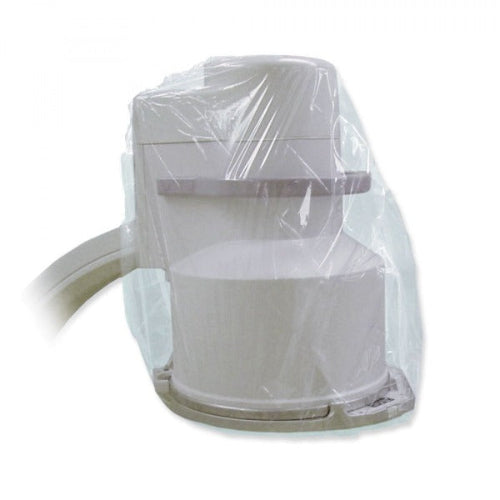
C Arm Cover ETO Sterile Disposable


Type: Drapes
Disposable Camera Drape in Sterile Pouch


Type: Drapes
OT Towel Premium Quality 35 x 39 Inches Green


Type: Drapes
Disposable OT Towel 60 x 80 cm Sterile with Indicator


Type: Drapes
Disposable Draw Sheet Large Size 100 X 160 Cm


Type: Drapes
Disposable C Arm Drape with Sterility Indicator


Type: Drapes
Disposable OT Table Cover Sterile with Indicator 120cm x 210cm


Type: Drapes
Disposable Bed Sheet Sterile with Indicator Large Size 160 X 200 cm


Type: Drapes
Reusable Draw Sheet 35 x 80 inches Premium Quality
Type: Bed Sheets
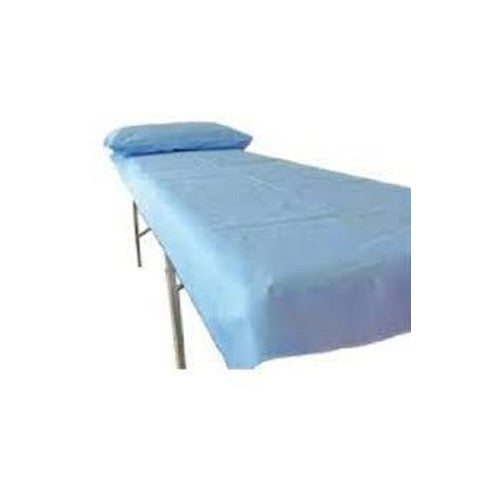
Disposable Bed Sheet Medium Size 100cm x 100cm


Type: Drapes
Disposable Abdominal Drape Sterile 150x220cm with Incision Cut 8x10 Inch


Type: Shoe Cover
Non Woven Shoe Cover Laminated


Type: Drapes
Disposable Pillow Cover Non Sterile (Pack of 25)


Type: Weighing Scales
Disposable Tongue Depressor (100 Pcs)


Type: Drapes
Laparoscopy Drape Sterile with Indicator
Collection:
understanding the importance of surgical drapes
Understanding the Importance of Surgical Drapes
A surgical drape is a protective covering used to help establish a sterile field around an operation, separating the surgical site from unprepared surfaces. Its importance lies in creating a reliable barrier while giving the clinical team right access to the patient. Understanding drape materials, designs, sterility, and purchasing points helps explain why selecting the right covering involves much more than choosing a sheet.
What is a surgical drape?

A surgical drape is a medical barrier made from natural or synthetic materials and intended to protect a patient during surgery, particularly by isolating the incision site from microbial and other contamination. Depending on its design, it may cover part of the patient, surround the operative opening, or form part of a larger draping arrangement. It is not interchangeable with an ordinary blanket, examination sheet, or privacy curtain.
How Surgical Drapes Create the Working Field
The simplest way to understand its role is to picture a carefully defined working area. The team needs access to the planned surgical site while keeping surrounding, unprepared areas separated from that field. A suitable drape provides that separation without unnecessarily obstructing the procedure. WHO describes sterile surgical drapes as barriers that prevent contact with unprepared surfaces and help maintain sterility around the patient and equipment.
Sterility and Barrier Performance Are Different
The word “sterile” matters, but so does “barrier.” A sterile drape has undergone an right sterilization process; its material and construction must also suit its intended protective function. FDA guidance emphasizes reviewing surgical drapes for safety and effectiveness when used according to their labeling. A surgical drape therefore needs more than a sterile designation to be right for every operation.
Surgical drapes, gowns, and curtains serve different roles
A drape covers the patient or another designated surface, whereas a surgical gown is worn by a member of the operating team. Both contribute to separation between the sterile working area and potential sources of contamination, but their intended uses are different. Teams should evaluate them as complementary items, not substitutes.
“Surgical curtain” is a less precise term. When it appears in a conversation or supplier description, ask whether it means a patient drape, an anesthesia-screen component, or a room privacy curtain. For purchasing, use the maker’s exact item name and intended use rather than relying on an informal label. That clarification prevents a terminology shortcut from becoming a purchasing mistake.
Why the barrier matters during surgery
What is the purpose of a surgical drape? Its central purpose is to help protect the operative field from contamination while the team performs the procedure. FDA identifies protection against the transfer of microorganisms or body fluids as an important function of surgical barrier devices. That function supports infection prevention, but it should not be interpreted as a promise that a drape can prevent every surgical infection.
The distinction is important when reviewing marketing claims. Laboratory evidence that a material resists fluid penetration is not the same as clinical evidence that one specific drape lowers infection rates compared with another. CDC notes that data connecting particular gown or drape features with surgical-site infection risk are limited. Buyers should look for claims that match the evidence being presented.
Therefore, teams should begin drape selection with the actual conditions of use. Consider where fluid exposure teams expect, which surfaces need separation, and how much access the procedure requires. CDC recommends matching the surgical drape’s repellency and barrier features to the anticipated exposure rather than assuming that every surgical textile performs identically.
A Practical Drape Evaluation Checklist
For a practical review, separate three questions:
-
Barrier suitability: Does the documented performance address the exposure expected during the procedure?
-
Clinical fit: Does the size, opening, and overall layout support the planned operation and patient position?
-
Usability: Can the team identify, open, and handle the drape according to its instructions without unnecessary improvisation?
These questions offer a more useful starting point than appearance alone. Two blue coverings may look similar while having different intended uses, materials, and construction. Ask suppliers to explain those differences in writing, and involve clinical users before using one standard a surgical drape. The goal is not simply more coverage; it is right coverage supported by suitable performance information.
What are surgical drapes made of?

Manufacturers make surgical drapes from woven textiles, nonwoven materials, plastic films, or combinations of these materials. Reusable surgical drapes commonly use durable textile constructions, while disposable versions commonly use nonwoven materials of synthetic or natural origin. Some designs combine layers so that different parts of the material provide absorption, strength, comfort, or resistance to fluid penetration. Exact composition varies by maker.
When comparing surgical drape material , look beyond the name of the main fiber. Construction determines how the components work together, and a multilayer drape may contain materials with different jobs. Ask for the finished drape’s specifications rather than assuming that a familiar textile name tells the whole story.
Nonwoven materials and SMS constructions
Nonwoven surgical drape fabric is a common option for single-use drapes. One example is polypropylene SMS, meaning spunbond–meltblown–spunbond construction. Medline’s material records describes outer spunbond layers that provide strength and softness, with a meltblown layer contributing fluid and bacterial resistance. These are construction features, not a guarantee that every SMS drape has identical performance.
For a purchaser, the practical question is what that construction delivers in the particular surgical drape being considered. Request information about barrier testing, reinforcement, intended use, and handling. A material description should help explain the drape, but it should not replace finished-device records or a clinical review.
Finished Drape Design Matters
Also distinguish the material family from the complete drape design. An SMS drape with an absorbent reinforcement, adhesive opening, and line holders is a different purchasing proposition from a plain SMS sheet. Compare equivalent setups before drawing conclusions about suitability or value. Otherwise, a discussion about fabric can conceal meaningful differences in the finished drape.
Laminated materials and absorbent layers
Some drapes combine a nonwoven layer with a plastic film. Medline, for example, documents polyethylene-film and nonwoven-polypropylene laminates with an absorbent surface and a fluid-impervious layer. Certain constructions also include a softer patient-facing layer. This illustrates how one drape can combine surface fluid handling with a separate barrier function.
Absorption and impermeability should not be treated as synonyms. In these layered designs, an absorbent component manages liquid at the surface, while a film provides resistance to passage through the material. Mölnlycke’s material guide likewise distinguishes absorbent materials, fluid-repellent materials, impermeable films, and combinations of those features.
When reviewing a sample, ask which characteristic applies to which part of the drape. Does the specification describe the whole sheet, a reinforcement patch, or only the material surrounding the opening? This is especially useful when comparing a plain sheet with a more complex procedure-specific design. It keeps the review focused on the areas where protection is actually needed.

Reusable woven textiles
Reusable surgical drapes may use tightly woven textiles, including cotton, polyester blends, or other engineered fabric constructions. Their suitability depends on maintaining the required properties through repeated processing, not simply on being washable. WHO’s evidence review emphasizes that reusable materials need durability and continued protection after processing cycles.
For review purposes, request the maker’s processing instructions and service-life controls alongside the fabric specification. Ask how the facility will track use, inspect drapes, and remove unsuitable items from circulation. Teams should assess a reusable drape as part of the complete processing system rather than as an isolated textile purchase.
What are the different types of surgical drapes?
The different types of surgical drapes include plain sheets, aperture or fenestrated drapes, split-sheet designs, adhesive-edge drapes, incise films, and procedure-specific setups. Teams can also group drapes as disposable or reusable, so these categories overlap rather than form one exclusive list. Manufacturer ranges illustrate this variety, including aperture shapes, split-sheet solutions, and specialty drapes with integrated features.
Choose Drape Type by Function
For anyone asking what are the different types of surgical drapes used in surgery, the most useful answer starts with function. Is the drape intended to provide general coverage, define an operative opening, accommodate a limb, or manage the layout of a particular procedure? Naming that function makes the catalogue easier to navigate and the comparison more meaningful.
Plain sheets and general-purpose coverage
Surgical drape sheets provide coverage without necessarily including a procedure-specific opening or integrated accessories. They belong within a broader selection of draping components rather than serving as a universal replacement for specialty designs. Manufacturer material ranges include general draping materials alongside more specialized constructions and reinforcements.
When reviewing a plain sheet, consider the complete planned arrangement. Establish which surfaces it must cover, whether other components the procedure requires, and whether the finished setup remains practical for the team. Do not assume that a larger sheet automatically solves a layout problem. Coverage, access, handling, and material performance teams should consider together.
Fenestrated and aperture drapes
A fenestrated surgical drape has an opening that provides access to the operative area while covering surrounding anatomy. Manufacturers may use “aperture” to describe that opening, and drapes are available with different opening shapes and dimensions. Some aperture drapes are nonadhesive; others incorporate an adhesive feature around the opening.
Check the Opening, Size and Position
The opening deserves as much attention as the overall sheet size. During drape review, ask whether its shape, position, and dimensions suit the intended procedure and patient population. Review the maker’s instructions rather than planning to alter a drape simply because its outer dimensions appear suitable. A well-matched opening is a design need, not an afterthought.
Split sheets and specialty configurations
Split-sheet designs and specialty drapes accommodate layouts that differ from a simple central opening. For example, Mölnlycke’s shoulder range includes all-in-one drapes with elastic apertures as well as split-sheet solutions, with or without pouches. Its orthopedic records also shows procedure-specific drapes with integrated fluid-collection features. These examples demonstrate how drape design can reflect surgical access and fluid-management needs.
Review Specialty Features Carefully
Use specialty examples to identify needs, not to assume that every drape in a category includes the same features. Check whether pouches, apertures, reinforcement, or other components the pack includes in the exact item being quoted. A category name such as “orthopedic drape” is only the beginning of a specification.
Adhesive edges and incise films
An adhesive-edge drape and an adhesive incise film are not the same thing. An adhesive aperture drape can help define the opening in a patient covering, whereas an incise film adheres over prepared skin and is cut through during the incision. WHO’s review describes both plain and antimicrobial-impregnated incise films. Their infection-prevention evidence requires separate consideration from that of the surrounding draping system.
Making sense of “three types of draping”
The question “What are the three types of draping?” needs context because drapes teams can group in several ways. A useful teaching framework is general coverage, access-defining drapes, and procedure-specific setups. This is an explanatory grouping for this article, not an official universal grouping.
Likewise, when someone asks “What are the different types of drape?”, first clarify whether they mean shape, material, reuse status, or surgical specialty. Record those features separately in a comparison sheet. That approach avoids treating a disposable fenestrated specialty drape as though it could belong to only one category.

Sterility depends on packaging and handling
Keeping a drape sterile involves more than reading the word on its label. Teams must keep sterile supplies in intact packaging and store them correctly until use. CDC advises inspecting sterile packages for compromised integrity, including tears, wetness, and punctures. Do not open or accept a package that fails this inspection simply because the contents look clean.
For facility staff, a useful pre-use review includes:
-
Product identity: Confirm that the item and setup match the planned setup.
-
Sterile designation: Check the labeling rather than assuming every individually wrapped item is sterile.
-
Package condition: Look for damage, moisture, broken seals, or other evidence that integrity has been compromised.
-
relevant dating: Follow the labeled shelf life and the facility’s validated storage policies.
-
Traceability: Keep the information required by local procedures for reporting a defect or investigating a concern.
Package Integrity and Storage
Packaging condition and storage history belong together. CDC explains that event-related contamination can occur when packaging tears, becomes wet, or loses its seal. Its guidance also cautions against using sterilized items after an relevant expiration date or when packaging is wet, torn, or punctured. A calendar check therefore does not replace a physical inspection.
Protecting Sterility During the Procedure
Once a sterile drape enters use, the team must continue protecting the field. AORN identifies holes, tears, strike-through, and contact associated with equipment movement as examples of circumstances that can compromise draping. It advises addressing known or suspected contamination rather than treating an initially sterile drape as permanently protected.
The response to a problem should follow clinical policy and the situation at hand. AORN notes that placing a new sterile drape over a contaminated one may sometimes be preferable to removal, because removal itself can spread contamination. This is not a one-size-fits-all instruction for every event; trained staff must assess the field and follow relevant procedures.
For purchasers, these handling issues suggest a practical trial criterion: evaluate packaging and presentation alongside the material. Ask users whether identifying is clear, instructions are accessible, and the opening sequence is understandable. A drape review that stops at fabric performance leaves an important part of real-world use unexamined.
Barrier performance needs careful interpretation
Descriptions such as “fluid resistant,” “impervious,” and “high protection” should lead to a request for supporting records. CDC describes standardized testing used to evaluate liquid-barrier performance, including the grouping framework for protective apparel and surgical drapes. The meaningful comparison is the tested performance relevant to the intended application, not the strongest-sounding adjective on a brochure.
How to Review Barrier Claims
When reviewing records, ask the supplier to explain:
-
The test method: Which test supports the stated claim, and what does it measure?
-
The tested area: Does the result apply to the entire drape or a specified zone?
-
The challenge: Was the test concerned with water, another liquid, or microbial penetration?
-
The finished construction: Are seams, attachments, openings, and reinforcements addressed where relevant?
-
The intended use: How does the manufacturer connect the claim to the product’s labeled application?
These questions are particularly valuable when several drapes use similar terminology. CDC’s overview shows that barrier tests can involve different challenges and measurements. Do not use a result from one test to support a different performance claim. Ask for an explanation in plain language before using technical data to justify a purchasing decision.
Do Not Judge Barrier Quality by Appearance
Avoid judging protection by thickness, softness, or color alone. Those observations may help users describe handling preferences, but they do not replace test information. Keep a distinction between subjective feedback and documented barrier performance so that both receive right weight. This makes the review easier to defend and helps prevent a comfortable-feeling sample from being mistaken for proof of suitability.
Disposable and reusable drapes require different systems

Disposable surgical drapes and reusable surgical drapes can both have a place in surgical care. WHO conditionally recommends that either sterile disposable nonwoven or sterile reusable woven drapes and gowns teams may use for surgical operations. Its evidence assessment did not establish one broad category as superior for reducing surgical-site infections. That finding does not mean every individual surgical drape is interchangeable.
Disposable and Reusable Workflows
A disposable system requires the team to select the correct single-use drape and maintain enough stock. A reusable system adds the need to preserve drape performance through validated processing and continued inspection. FDA guidance calls for reusable-product labeling to address reprocessing instructions, the number of supported reprocessing cycles, and a way to track reuse. Teams should have those details before use.
|
Evaluation area |
Disposable system |
Reusable system |
|---|---|---|
|
Questions for the supplier |
What is included, how is it packaged, and what is the labeled use? |
Which processing instructions and service-life controls apply? |
|
Questions for operations |
How will stock levels and replacement supplies be managed? |
How will collection, processing, inspection, and return be coordinated? |
|
Questions for finance |
What is the cost of the complete usable setup? |
What costs must be assigned to each supported use? |
|
Questions for quality teams |
How will defects, substitutions, and package concerns be recorded? |
How will processing history, condition, and retirement be tracked? |
The comparison should include the facility’s capabilities, not just brand preference. CDC identifies laundry-related staffing, collection, cleaning, packaging, and energy or contracted-service expenses as relevant costs for reusable goods. It also identifies purchasing and waste-management points for disposable drapes. A useful business case accounts for both sides rather than assigning all operational costs to only one option.
Map the Complete Workflow
Before making a change, map the proposed workflow from delivery to final disposal or return for processing. Give each stage an owner and identify the records needed to show that it occurred correctly. Then test the process on a manageable scale. This approach turns a broad disposable-versus-reusable debate into a decision grounded in the facility’s actual work.
Incise films need a separate evidence discussion
An antimicrobial label should not be treated as automatic proof that an incise film reduces surgical-site infections. WHO conditionally suggests not using plastic adhesive incise drapes, with or without antimicrobial properties, specifically for the purpose of preventing these infections. Its recommendation reflects the evidence it assessed and should not be generalized into a claim that ordinary sterile patient draping is unnecessary.
Guidelines also need to be read in their own context. NICE advises against routine use of non-iodophor-impregnated incise drapes and recommends an iodophor-impregnated product if an incise drape the procedure requires, unless the patient has an iodine allergy. This differs from WHO’s recommendation and is a reason to avoid presenting a single marketing statement as universal clinical guidance.
For a facility reviewing these products, a sensible discussion should identify the specific indication, relevant guidance, patient points, and product instructions. Ask whether a proposed benefit concerns bacterial contamination, adhesion, or actual infection outcomes. Those are different endpoints and should remain distinct in the purchasing record. Clinical leadership and infection-prevention staff should resolve the policy question rather than leaving it to an informal preference or catalogue description.
Surgical drape packs and custom configurations
Surgical drape packs group components into a defined setup, but their contents vary. A pack name alone does not show whether it includes particular towels, gowns, sheets, or specialty drapes. Manufacturer pack catalogues show different component lists even within the same procedural category. The exact bill of materials is therefore more informative than a broad label such as “laparoscopy pack.
How to Review a Surgical Drape Pack
During review, compare the proposed pack with the setup the team actually intends to use. Ask users to identify essential components, optional preferences, and items that are regularly unnecessary. Record those distinctions before requesting a custom setup. Otherwise, a pack can become a collection of accumulated preferences rather than a clear response to clinical needs.
Custom Drapes vs Custom Packs
Custom surgical drapes and customized packs are related but different concepts. A custom drape concerns the design of the covering itself; a custom pack concerns the selected combination of components. Manufacturers offer customization options for both drape designs and procedure-pack contents. Neither label, by itself, proves improved outcomes, lower cost, or suitability for a particular facility.
A useful pack-review checklist includes:
-
Exact contents: Verify item descriptions, quantities, dimensions, and relevant product identifiers.
-
Presentation: Review how components are arranged and how users will identify them.
-
Clinical fit: Confirm the opening, coverage, and features of the main drape.
-
Optional items: Consider whether infrequently needed components belong in the pack or separately available stock.
-
Change control: Establish how revisions, substitutions, and approvals will be communicated.
-
Supply continuity: Ask how a shortage would affect the pack and what alternatives require clinical review.
Set a review date after use rather than treating the first approved version as permanent. Invite feedback from the people opening the pack, using its components, managing inventory, and processing any reusable items. Keep changes documented so that an approved improvement does not become an unexplained variation. standard setup is most useful when the standard remains visible and understandable.
Relevant Surgical Drapes Available at MeddeyGo
These MeddeyGo products closely match the drape types and procedure-specific setups discussed in this article.
| Product Image | Product | Current Price | View |
|---|---|---|---|
 |
Incision Adhesive Incise Film Drape 30x40cm Transparent Sterile Transparent sterile adhesive incise film | ₹367 | View product |
 |
Disposable Abdominal Drape Sterile 150x220cm Sterile abdominal drape with incision area | ₹1,259 | View product |
 |
Disposable Medium Drape Sterile 100x150cm Sterile medium drape with incision area | ₹1,958 | View product |
 |
Laparoscopy Drape Sterile with Indicator Procedure-specific sterile laparoscopic drape | ₹2,164 | View product |
 |
Disposable Cesarean Drape C-section drape with fluid collection features | ₹2,205 | View product |
 |
Eye Drape with Fluid Collection Pouch - 50x50 cm Sterile ophthalmic drape with fluid pouch | ₹1,748 | View product |
Prices shown are current MeddeyGo listings at the time of preparation and may change.
Cost comparisons should focus on the complete setup
How much do surgical drapes cost? There is no single useful price without specifying the item, quantity, sterile status, design, and purchasing arrangement. A plain sheet, an integrated specialty drape, and a procedure pack are different items, so buyers should not compare them as identical setups. Request current quotations for clearly defined setups rather than relying on an unsourced universal price range.
Build a Fair Cost Comparison
Start by establishing a common unit of comparison: the complete draping arrangement for an agreed procedure. List the drapes required under each option and identify which services or processing steps the pack includes in the quoted price. For reusable systems, include relevant laundry and handling costs; for disposable systems, include waste-management points. CDC identifies these as part of the economic comparison.
Ask suppliers to make the following details explicit:
-
Whether the quoted unit is one drape, one pack, one box, or one case.
-
How many usable units each ordering quantity contains.
-
Whether the quoted product the supplier provides sterile or requires an additional process.
-
Which accessories the pack includes and which must be purchased separately.
-
What purchasing commitments, delivery charges, or service arrangements apply.
-
How proposed substitutions would be evaluated and approved.
Compare the Real Cost in Your Workflow
Then examine the quotation against your own workflow. Record additional items opened, components left unused, and any drape issues observed during an approved review. Do not assign a financial saving to a feature merely because it is marketed as efficient. Use facility data to determine whether the proposed change actually alters resource use.
The lowest line-item price may still be the right choice, but teams should reach that choice through a fair comparison. Equally, a more expensive surgical drape needs a clearly stated reason for its selection. A transparent decision record should show what the facility is buying, which needs it meets, and which benefits remain expectations rather than demonstrated results.
Safety includes skin protection and fire awareness
Barrier function is only one part of safe drape use. WHO notes potential harms associated with adhesive drapes, including skin reactions and the possibility of dislodging devices during removal. Drape selection should therefore include the adhesive system and relevant patient points, not only the fabric or opening. Teams should follow maker instructions and local clinical procedures for application and removal.
Adhesive Safety Checks
For purchasing, ask how adhesive-related concerns will be identified and escalated. Make drape information accessible to staff, and include skin tolerance in an approved review where right. Avoid describing an adhesive as universally gentle or suitable for every patient unless the supporting evidence and labeling justify that claim. The clinical team should make patient-specific decisions.
Fire-Safety Considerations
Operating room drapes also feature in surgical fire prevention. The Joint Commission warns that oxygen can accumulate beneath drapes and advises right setup near the patient’s head when open oxygen delivery is used. It also identifies the potential for injury from illuminated light leads near draping material. These risks require coordinated awareness, not simply selection of a different sheet.
Alcohol-based skin preparations introduce another consideration. The Anesthesia Patient Safety Foundation advises applying drapes only after preparation solutions have dried and warns against pooling and alcohol-soaked materials. Drying and other precautions must follow the relevant maker instructions and clinical fire-prevention process. A sterile covering should never be assumed to eliminate the hazards associated with fuel, oxygen, and ignition sources.
Responsible use starts with avoiding unnecessary components
Environmental discussions should distinguish measured information from assumptions. Rather than declaring every disposable drape wasteful or every reusable drape preferable, ask what evidence applies to the exact system under consideration. Request clearly defined boundaries for any environmental comparison. A claim about material weight, for example, should not silently become a claim about the entire drape lifecycle.
Facilities can begin with a practical review of resource use:
-
Identify which drapes and accessories belong in the agreed setup.
-
Record components routinely opened but not used.
-
Review damaged or expired stock and investigate preventable causes.
-
Assess whether pack contents still reflect current practice.
-
Keep clinical protection needs separate from optional preferences.
This review does not require assuming that fewer components are always safer or better. Its purpose is to identify unnecessary use while preserving the approved clinical arrangement. Involve infection-prevention, perioperative, purchasing, and relevant processing staff before making changes. Document the reason for each revision so that a waste-reduction initiative remains accountable to patient care.
What patients can expect from surgical draping
For patients wondering what drapes are used for, the essential answer is protection of the working area around the operation. WHO describes sterile drapes as separating that area from unprepared surfaces. The specific arrangement depends on the procedure and the drapes chosen by the team. Patients do not need to select a drape type themselves to receive right care.
What Patients Should Tell the Clinical Team
If you are preparing for surgery, ask the clinical team to explain anything about draping that concerns you. Mention previous reactions to medical adhesives or antiseptic products so staff can assess their relevance. You can also ask how the team will communicate with you if you are awake during the procedure. These conversations are more useful than trying to judge safety from the appearance of a covering.
If a drape feels uncomfortable or causes concern during a procedure in which you are awake, tell the team rather than adjusting it yourself. Ask for an explanation or assistance. This allows staff to respond while maintaining the planned surgical setup. Ask your treating clinicians about allergies, breathing comfort, or the planned operation.
Frequently Asked Questions About Surgical Drapes
What is a surgical drape?
A surgical drape is a medical barrier used to help establish and maintain a sterile field around an operative site while allowing right access for the surgical team.
What is the main purpose of surgical drapes?
Their main purpose is to separate the prepared operative field from unprepared surfaces and provide barrier protection suited to the expected exposure and procedure.
What materials are surgical drapes made from?
Surgical drapes may use woven textiles, nonwoven materials, plastic films, or multilayer combinations. Disposable designs commonly use SMS or similar nonwoven constructions.
What are the common types of surgical drapes?
Common types include plain sheets, fenestrated or aperture drapes, split-sheet drapes, adhesive-edge drapes, incise films, and procedure-specific setups.
What is a fenestrated surgical drape?
A fenestrated drape has a pre-formed opening that exposes the planned operative area while covering the surrounding anatomy.
Are disposable and reusable surgical drapes both used?
Yes. Both disposable nonwoven and reusable woven drapes teams may use when they meet the facility's clinical, processing, sterility, and barrier needs.
How should a sterile surgical drape be checked before use?
Confirm the correct product and setup, sterile labeling, package integrity, relevant dating, and any traceability information required by local policy.
How should hospitals compare surgical drape prices?
Compare the complete usable setup rather than only one line-item price. Include drape type, sterile status, procedure setup, pack contents, and relevant processing or waste-management costs.
Explore Surgical Drapes at MeddeyGo
Browse MeddeyGo's drapes collection or contact the team for product and bulk-order assistance.
View Drapes Contact MeddeyGo