Skip to content

India’s Go to Platform for Medical Supplies Procurement

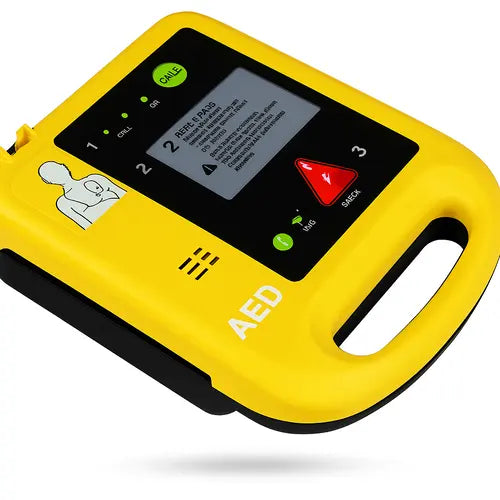
sanjeevni 1003 defibrillator

Type: Anesthesia

Sanjeevni 1003 Defibrillator

Regular price Rs. 98,899
Sale price Rs. 98,899 Regular price Rs. 174,800
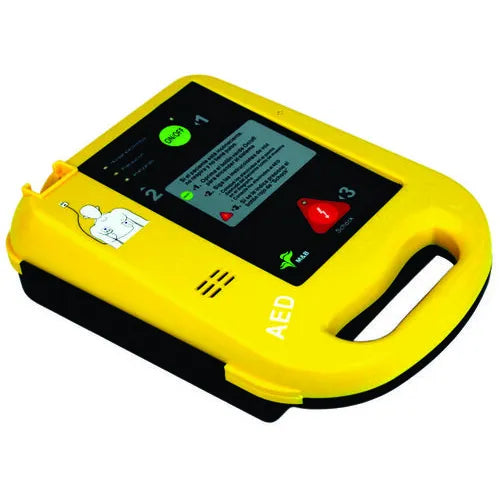
Sanjeevni BiPhasic 1006 Defibrillator

Type: Anesthesia

Sanjeevni BiPhasic 1006 Defibrillator

Regular price Rs. 119,416
Sale price Rs. 119,416 Regular price Rs. 197,800
flight biphasic defibrillator with printer, aed, spo2, nibp

Type: anesthesia

Flight BiPhasic Defibrillator with Printer, AED, SpO2, NIBP, ETCos

Regular price Rs. 404,820
Sale price Rs. 404,820 Regular price Rs. 519,800
flight biphasic defibrilator

Type: anesthesia

Flight BiPhasic Defibrilator

Regular price From Rs. 124,199
Sale price From Rs. 124,199 Regular price Rs. 204,999
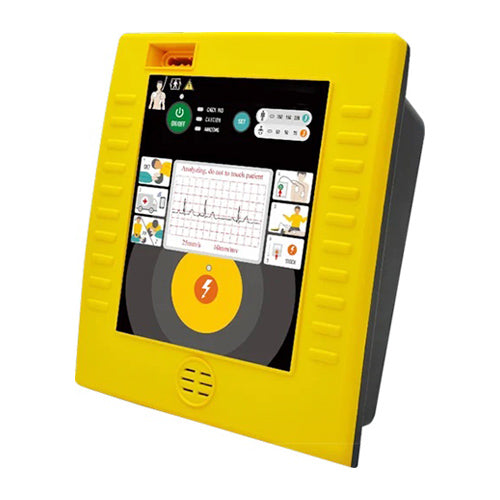
defibrilator-aed

Type: Anesthesia

Automatic External Defibrillator (AED 7000)

Regular price Rs. 59,199
Sale price Rs. 59,199 Regular price Rs. 87,400
aed view

Type: Anesthesia

AED View Automatic External Defibrilator

Regular price Rs. 91,999
Sale price Rs. 91,999 Regular price Rs. 115,000

Collection: AED Defibrillator: Types, Uses, Price & Complete Guide


An AED defibrillator is one of the most important life-saving medical devices used during sudden cardiac arrest (SCA). It helps restore a normal heart rhythm by delivering a controlled electrical shock. This device is widely used in hospitals, ambulances, airports, and public places where immediate response is critical.

Also known as a defib or heart machine, AED devices are designed to be easy to use, even by non-medical individuals. With clear voice instructions and automated analysis, they enable quick intervention before advanced medical care arrives.

Quick Facts

  • AED is used during sudden cardiac arrest emergencies.
  • Delivers electrical shock to restore heart rhythm.
  • Can be used by trained and untrained individuals.
  • Essential in hospitals, ambulances, and public areas.

What is an AED Defibrillator?

An AED defibrillator (Automated External Defibrillator) is a portable device that analyzes the heart’s rhythm and delivers a shock if needed. It is primarily used when the heart experiences abnormal rhythms such as ventricular fibrillation.

Early use of an AED significantly improves survival rates, making it a critical component of emergency response systems.

How Does an AED Defibrillator Work?

The AED works by analyzing electrical signals of the heart and correcting irregular rhythms. The process is automated and guided for ease of use:

  • Detects abnormal rhythm
  • Analyzes need for shock
  • Provides voice instructions
  • Delivers controlled shock
  • Restores heart rhythm

Most modern devices use biphasic defibrillator technology, which is more effective and safer compared to older systems.

Types of Defibrillators

1. Automated External Defibrillator (AED)

Portable and easy to use, AED devices are designed for public and emergency use. They guide users step-by-step during emergencies.

2. Manual Defibrillator

Used by trained healthcare professionals, these devices allow precise control of shock delivery and are commonly used in ICUs.

3. Biphasic Defibrillator

Advanced defibrillators that deliver current in two phases, improving efficiency and reducing tissue damage.

4. Implantable Cardioverter Defibrillator (ICD)

A device implanted inside the body for long-term monitoring and automatic correction of heart rhythm abnormalities.

Comparison Table of Defibrillators

Type Usage User Portability
AED Public Anyone High
Manual Hospital Doctors Low
Biphasic Advanced Care Professionals Moderate
ICD Long-term Patient Implanted

Tips for Proper Use and Maintenance of AEDs

If you are considering purchasing an AED defibrillator for home or institutional use, proper handling, maintenance, and awareness are essential to ensure its effectiveness during emergencies. An AED is a critical life-saving device, and being prepared to use it correctly can make a significant difference in patient outcomes.

Below are important guidelines to help you choose, maintain, and use an AED safely and effectively:

  • Choose an Approved Device: Always purchase an AED that is approved by regulatory authorities such as the FDA or relevant local healthcare bodies. Approved devices meet safety and performance standards, ensuring reliability during critical situations.
  • Register Your AED: Once purchased, register your AED with the manufacturer. This allows you to receive important updates, including safety alerts, firmware updates, and recall notifications. Regularly checking the manufacturer’s website helps you stay informed.
  • Get Proper Training: Although AED devices are designed to be user-friendly, it is highly recommended to undergo basic training. Organizations like the Red Cross offer courses on AED usage and CPR, which improve confidence and response time during emergencies.
  • Practice Before Emergencies: Familiarize yourself and others with the AED through practice sessions. Understanding how to place electrode pads, follow device instructions, and assess breathing and pulse ensures quicker and more effective action during real emergencies.
  • Keep the Device Accessible: Store the AED in a clearly visible and easily accessible location. Ensure that family members, staff, or anyone nearby is aware of its location so it can be quickly retrieved when needed.
  • Maintain the Device Regularly: Regular maintenance is crucial. Replace batteries as recommended (typically every few years), and ensure electrode pads are within their expiry date. Keeping spare pads available is advisable for uninterrupted use.
  • Pay Attention to Alerts: Most AED devices perform automatic self-checks and provide alerts through beeping sounds or indicator lights if maintenance is required. Do not ignore these alerts—address them immediately by contacting the manufacturer or service provider.
  • Select the Right AED for Your Needs: Not all AED devices are designed for home use. Choose a model specifically intended for residential or public access use. Avoid purchasing devices that are meant only for professional or emergency response teams.
  • Consult Healthcare Professionals: Before purchasing an AED, consult a healthcare provider to understand whether it is suitable for your needs. Additionally, learning essential life-saving skills like CPR enhances the effectiveness of AED usage.

AEDs provide a powerful opportunity to save lives during cardiac emergencies. Proper selection, maintenance, and training ensure that the device performs reliably when every second counts.

Uses of AED Defibrillator

  • Sudden cardiac arrest treatment
  • Emergency response
  • Ambulance care
  • Hospital ICU monitoring

AED Defibrillator Price in India

  • AED Machine: ₹80,000 – ₹2,50,000
  • Manual Defibrillator: ₹1,50,000 – ₹5,00,000
  • AICD Device: ₹3,00,000+

Important Things You Should Know

Can anyone use an AED?
Yes, AED devices are designed with simple instructions for public use.

Is defibrillator shock safe?
Yes, it is controlled and only delivered when necessary.

Why biphasic technology is better?
It improves success rate and reduces damage to heart tissue.


Why Choose AED Defibrillator from Meddeygo.com

Choosing a reliable AED defibrillator is critical when it comes to emergency preparedness and patient safety. In life-threatening situations such as sudden cardiac arrest, the quality and performance of the device can directly impact survival outcomes. Therefore, selecting a trusted source becomes equally important as choosing the right equipment.

Meddeygo.com provides access to a wide range of high-quality AED devices and defibrillator machines from well-established and trusted medical brands. The platform allows healthcare professionals, hospitals, and institutions to compare specifications, features, and pricing, ensuring informed decision-making.

With competitive pricing, reliable product availability, and a focus on genuine medical equipment, Meddeygo.com ensures that users receive dependable devices suitable for both clinical and emergency use. Whether for hospitals, ambulances, or public safety installations, choosing the right AED from a trusted platform helps enhance emergency response efficiency and patient care.

Conclusion

The AED defibrillator is an essential life-saving device that plays a vital role in managing sudden cardiac emergencies. Its ability to quickly analyze heart rhythms and deliver a controlled shock makes it a critical component in both pre-hospital and hospital care settings.

With increasing awareness and accessibility, AED devices are now widely used beyond clinical environments, including public places and home care scenarios. Their user-friendly design and effectiveness in restoring normal heart rhythm make them indispensable tools in emergency response systems.

Investing in a reliable defibrillator machine and ensuring proper availability can significantly improve survival rates and overall patient outcomes, making it an important addition to any healthcare or safety infrastructure.

Frequently Asked Questions (FAQ)

What is an AED defibrillator and why is it important?

An AED defibrillator is a portable device used to treat sudden cardiac arrest by delivering an electrical shock to restore normal heart rhythm. It is important because immediate defibrillation can significantly increase survival rates before professional medical help arrives.

Can a non-medical person use an AED?

Yes, AED devices are specifically designed for use by the general public. They provide clear voice instructions and automatically determine whether a shock is needed, making them safe and easy to use in emergency situations.

What is the difference between AED and manual defibrillator?

An AED is automated and suitable for public use, while a manual defibrillator requires professional expertise to operate. Manual devices offer more control but are used only in clinical settings.

How much does an AED cost in India?

The price of an AED in India typically ranges between ₹80,000 and ₹2,50,000 depending on features, brand, and technology used.

What is biphasic defibrillator technology?

Biphasic technology delivers electrical current in two directions, making defibrillation more effective while using less energy compared to older monophasic devices.

Where should AED devices be placed?

AEDs should be placed in public areas such as airports, malls, offices, schools, and hospitals to ensure quick access during emergencies.