
Type: General
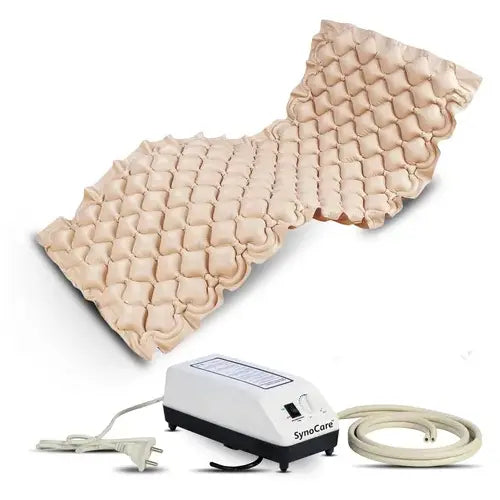
Anti Bedsore Bubble Air Mattress Portable - ROHS Compliant


Type: Hospital Beds
Tubular Anti-Decubitus Air Mattress with Air Pump CE Approved
Collection:
Air Mattress benefits & Issues

Air mattresses are crafted to provide adaptable support and comfort, making them particularly beneficial for patients who are bedridden or require prolonged care. Their specialized design facilitates pressure redistribution, a critical factor in preventing pressure ulcers---a prevalent concern in medical care.
The Science Behind Pressure Redistribution
Pressure redistribution is a key benefit of air mattresses, achieved through their unique construction. By evenly distributing weight, these mattresses alleviate pressure points on the body, which is crucial for preventing skin breakdown and promoting healing. This technology is especially vital for patients who are immobile or have limited mobility, as it helps in maintaining skin integrity and reducing the risk of pressure ulcers.
Technological Innovations in Air Mattress Design
Recent advancements in air mattress technology have led to the development of sophisticated systems that adjust automatically to patient movements and weight shifts. These innovations ensure continuous support and comfort, adapting in real-time to the needs of the patient. Moreover, features like zoned support and alternating pressure settings enhance their effectiveness in clinical settings, providing targeted relief to high-risk areas.
The Role of Air Mattresses in Long-Term Care
In long-term care facilities, air mattresses play a pivotal role in enhancing patient comfort and quality of life. They cater to the specific needs of residents, many of whom may have chronic conditions requiring consistent care. The adaptability and personalized support offered by air mattresses make them an invaluable asset in these settings, contributing to better health outcomes and increased patient satisfaction.
Benefits of Air Mattresses in Hospitals
The incorporation of air mattresses in hospital environments can lead to improved patient outcomes and operational efficiencies. Here's a closer look at how they contribute to healthcare settings:
Pressure Ulcer Prevention
One of the foremost advantages of air mattresses in hospitals is their ability to prevent pressure ulcers. Engineered to distribute weight evenly across the surface, these mattresses significantly reduce stress on the skin and underlying tissues.
Engineering and Material Considerations
The engineering behind air mattresses involves selecting materials that provide both comfort and durability. High-quality materials ensure that the mattress conforms to the patient's body, offering optimal support. Additionally, materials must be breathable to prevent moisture build-up, which can contribute to skin breakdown.
Clinical Studies Supporting Pressure Ulcer Prevention
Numerous clinical studies have validated the efficacy of air mattresses in preventing pressure ulcers. Research indicates that patients using air mattresses experience fewer incidences of ulcers compared to those using traditional mattresses. These findings underscore the importance of integrating air mattresses into hospital protocols to enhance patient care.
Importance in Post-Surgical Recovery
Air mattresses are particularly beneficial in post-surgical recovery, where patients are often confined to bed for extended periods. By mitigating pressure on surgical sites and promoting circulation, air mattresses facilitate faster healing and reduce the risk of complications, thereby shortening hospital stays and improving recovery outcomes.
Enhanced Comfort and Support
Air mattresses can be adjusted to meet individual patient needs, offering varying levels of firmness. This adaptability ensures that patients receive personalized support, which is crucial for comfort and recovery, especially for individuals with mobility issues or chronic pain conditions.
Personalization of Patient Care
The ability to adjust firmness levels allows healthcare providers to tailor the sleeping experience to each patient's specific needs. This personalization not only enhances comfort but also plays a critical role in pain management and overall well-being, contributing to a more positive patient experience.
Impact on Patient Satisfaction and Recovery
Studies have shown that patients who experience greater comfort during their hospital stay report higher satisfaction levels and improved recovery outcomes. Air mattresses, by offering customized support, contribute significantly to these positive experiences, fostering a healing environment that promotes both physical and emotional well-being.
Addressing Chronic Pain and Mobility Issues
For patients suffering from chronic pain or mobility issues, air mattresses provide a supportive surface that alleviates discomfort and facilitates movement. This support is crucial in preventing further complications and aiding in rehabilitation efforts, making air mattresses a valuable tool in comprehensive patient care plans.
Improved Circulation
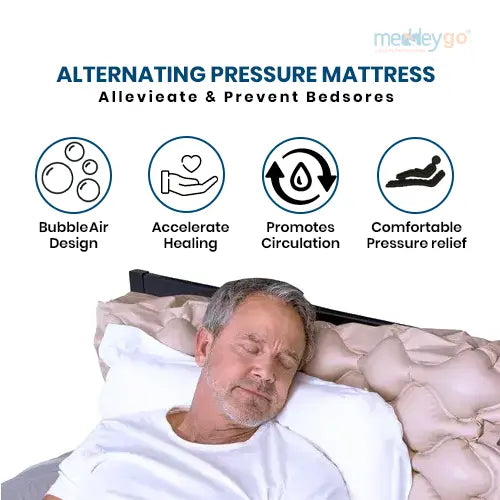
By promoting even weight distribution, air mattresses facilitate better blood circulation. This is particularly beneficial for patients who are immobile, as it reduces the risk of blood clots and other circulatory problems.
Mechanisms Promoting Circulation
The design of air mattresses includes features such as alternating pressure settings, which stimulate blood flow and prevent stagnation. These mechanisms are essential in maintaining healthy circulation, particularly for patients who are bedridden or have limited mobility.
Benefits for Patients with Circulatory Disorders
Patients with pre-existing circulatory disorders, such as deep vein thrombosis or peripheral artery disease, can benefit significantly from the use of air mattresses. By enhancing circulation, these mattresses play a preventative role, reducing the risk of exacerbating these conditions and contributing to overall cardiovascular health.
Role in Reducing Hospital Acquired Conditions
Improved circulation not only benefits individual patients but also plays a role in reducing the incidence of hospital-acquired conditions, such as pressure ulcers and deep vein thrombosis. By minimizing these risks, air mattresses contribute to better patient outcomes and decrease the burden on healthcare systems.
Cost-Effectiveness
While the initial investment in air mattresses can be higher than traditional mattresses, their durability and the potential to reduce hospital stays and associated costs make them a cost-effective choice in the long term.
Analyzing Long-Term Financial Benefits
The long-term financial benefits of air mattresses stem from their durability and reduced maintenance costs compared to traditional mattresses. Hospitals can realize significant savings by reducing the frequency of mattress replacements and minimizing the occurrence of pressure ulcers, which can be costly to treat.
Comparing Costs with Traditional Mattresses
While the upfront costs of air mattresses may be higher, a detailed cost-benefit analysis often reveals substantial savings over time. By preventing complications and reducing hospital stays, air mattresses offer a return on investment that justifies their initial expense.
Budgeting for Healthcare Facilities
Healthcare facilities must consider the long-term implications of their equipment choices. Investing in air mattresses can lead to improved patient outcomes and reduced costs associated with extended care, making them a financially sound option for budget-conscious institutions.
Benefits of Sleeping on Air Mattresses at Home

Air mattresses are not limited to medical settings; they also offer several advantages for home use, especially for individuals with specific health conditions.
Versatility and Portability
Air mattresses are highly versatile and portable, making them an excellent choice for temporary bedding solutions or for individuals who need a customizable sleep surface. Their easy transportability is an added advantage for those who travel frequently or need a flexible sleep solution.
Ideal for Temporary and Guest Bedding
Air mattresses serve as perfect temporary bedding solutions for guests or during home renovations. Their easy setup and storage make them a convenient choice for households that require flexible sleeping arrangements without compromising on comfort.
Suitability for Travel and Outdoor Use
For individuals who enjoy camping or travel frequently, air mattresses offer a comfortable sleeping solution that is both portable and easy to set up. Their lightweight design and compact storage make them an ideal choice for outdoor adventures or short-term accommodations.
Space-Saving Solutions for Small Living Areas
In small apartments or homes with limited space, air mattresses provide a practical solution that can be easily stored when not in use. This versatility allows homeowners to maximize their living space without sacrificing comfort or utility.
Customizable Firmness
The ability to adjust the firmness of an air mattress allows users to tailor their sleeping experience to their personal comfort preferences. This feature can be particularly beneficial for those who suffer from back pain or other musculoskeletal issues.
Addressing Individual Sleep Preferences
Customizable firmness settings cater to individual sleep preferences, allowing users to find their ideal comfort level. This feature is particularly valuable for couples with differing firmness preferences, as it enables them to share a bed without compromising on personal comfort.
Benefits for Individuals with Back Pain
For individuals with back pain, the ability to adjust mattress firmness can provide significant relief. By finding the right balance of support and softness, users can alleviate pressure on the spine and improve their overall sleep quality, leading to better health outcomes.
Enhancing Sleep Quality and Health
Adjustable firmness not only enhances comfort but also plays a crucial role in improving sleep quality. By providing the right level of support, air mattresses can contribute to deeper, more restorative sleep, positively impacting overall health and well-being.
Allergen Resistance
Air mattresses are generally less likely to harbor allergens like dust mites, making them a suitable option for allergy sufferers. Their construction materials and the ability to thoroughly clean them contribute to a healthier sleeping environment.
Materials and Construction for Allergen Resistance
Air mattresses are typically made from materials that resist allergens, such as dust mites and pet dander. The use of hypoallergenic materials and seamless construction minimizes the accumulation of dust and allergens, creating a cleaner sleep environment.
Cleaning and Maintenance for Allergen Control
The ease of cleaning air mattresses further enhances their appeal for allergy sufferers. Regular maintenance, including wiping down surfaces and using allergen-resistant covers, can help maintain a hygienic sleeping environment, reducing allergy symptoms and improving sleep quality.
Benefits for Asthma and Allergy Sufferers
For individuals with asthma or allergies, sleeping on an air mattress can reduce exposure to common allergens, leading to fewer nighttime symptoms and better overall respiratory health. This benefit makes air mattresses an attractive option for those seeking a healthier sleep environment.
Challenges and Issues Associated with Air Mattresses
Despite their numerous benefits, air mattresses come with certain challenges that must be considered by both healthcare providers and individual users.
Maintenance and Durability
While air mattresses are designed to be durable, they require regular maintenance to ensure optimal performance. Potential issues such as air leaks or pump failures can compromise their effectiveness and require timely intervention.
Identifying Common Maintenance Issues
Common maintenance issues with air mattresses include air leaks, pump malfunctions, and surface wear. Recognizing these problems early and addressing them promptly can prevent more significant issues and ensure the mattress remains functional and comfortable.
Strategies for Prolonging Mattress Lifespan
To extend the lifespan of an air mattress, regular maintenance is essential. This includes checking for leaks, ensuring the pump operates correctly, and storing the mattress properly when not in use. Implementing these strategies can enhance durability and performance, providing long-term value.
Importance of Manufacturer Support and Warranty
Choosing a reputable manufacturer that offers robust support and warranty options can alleviate concerns about maintenance and durability. A good warranty provides peace of mind and protection against defects, ensuring that users can rely on their air mattress over the long term.
Noise Levels
The pumps used to adjust air mattresses can generate noise, which might disturb patients' rest in a hospital setting or disrupt sleep at home. This is a significant consideration for environments where quietness is essential for patient recovery or restful sleep.
Assessing the Impact of Noise on Sleep
Noise from air mattress pumps can interfere with sleep quality, leading to disruptions and decreased restfulness. Understanding the impact of noise on sleep is crucial for selecting a mattress that balances comfort with quiet operation, particularly in environments where rest is paramount.
Innovations to Reduce Pump Noise
Manufacturers are continually developing quieter pump systems to address noise concerns. Innovations such as sound-dampening technology and advanced pump designs help minimize noise levels, making air mattresses more suitable for sensitive environments like hospitals and bedrooms.
Considerations for Noise-Sensitive Environments
In noise-sensitive settings, such as hospitals or homes with light sleepers, selecting an air mattress with quiet operation is essential. Evaluating noise levels and choosing models with advanced noise-reduction features can enhance sleep quality and patient comfort.
Initial Costs
The upfront costs of air mattresses can be a barrier for some healthcare facilities and individuals. Although they may prove cost-effective over time, the initial investment can be a hurdle, especially for budget-constrained institutions or individuals.
Evaluating Cost vs. Long-Term Benefits
When considering the purchase of an air mattress, it's important to weigh the initial costs against the long-term benefits. While the upfront investment may be higher, the potential savings from reduced healthcare costs and improved health outcomes often justify the expense.
Financing and Budgeting Options
For budget-constrained buyers, exploring financing options or phased purchasing can make air mattresses more accessible. Understanding available payment plans and budget-friendly models can help individuals and institutions make informed purchasing decisions.
Making Informed Purchasing Decisions
Educating buyers on the benefits and potential return on investment of air mattresses can support informed purchasing decisions. By highlighting the long-term advantages, healthcare facilities and individuals can better assess the value and prioritize air mattresses in their procurement strategies.
Training and Implementation
Proper usage of air mattresses requires training for healthcare staff to ensure they are used effectively and safely. This includes understanding how to adjust settings for different patients and recognizing when maintenance is needed.
Developing Comprehensive Training Programs
Comprehensive training programs are essential to ensure healthcare staff can use air mattresses effectively. These programs should cover operation, maintenance, and troubleshooting, equipping staff with the skills needed to maximize the benefits of air mattresses.
Addressing Common Training Challenges
Challenges in training may include staff turnover and varying levels of familiarity with technology. Addressing these challenges requires ongoing education, support from manufacturers, and the development of user-friendly guides and resources to facilitate learning.
Importance of Continuous Education
Continuous education and refresher courses ensure that staff remain proficient in using air mattresses, adapting to new features and technologies as they emerge. This commitment to education enhances patient care and maximizes the utility of air mattresses in healthcare settings.
Strategic Considerations for Healthcare Facilities
When considering the implementation of air mattresses in a healthcare setting, administrators and procurement officers must weigh the benefits against the challenges. Here are some strategies to optimize their use:
Procurement Strategy
Hospital administrators should aim for a procurement strategy that balances cost with quality and durability. Engaging with reputable suppliers and considering bulk purchasing options can help in managing costs effectively.
Balancing Cost with Quality
The procurement strategy should focus on achieving a balance between cost and quality. By prioritizing high-quality products that offer durability and advanced features, healthcare facilities can optimize their investment and enhance patient care.
Leveraging Supplier Relationships
Building strong relationships with suppliers can lead to better pricing, access to new technologies, and improved service. Engaging with suppliers who understand the specific needs of healthcare settings ensures that facilities receive the best products and support.
Exploring Bulk Purchasing and Discounts
Bulk purchasing and exploring discount options can significantly reduce costs for healthcare facilities. By negotiating favorable terms and taking advantage of volume discounts, administrators can make air mattresses more affordable and accessible.
Staff Training
Investing in comprehensive training for healthcare staff ensures that air mattresses are used optimally, maximizing their benefits and minimizing potential issues. Training should cover operation, maintenance, and troubleshooting to prevent disruptions in patient care.
Customizing Training Programs for Staff
Tailoring training programs to meet the specific needs of healthcare staff ensures that they are equipped with the necessary skills to use air mattresses effectively. Customized programs can address different learning styles and provide hands-on experience.
Incorporating Technology in Training
Utilizing technology, such as online modules and virtual simulations, enhances training programs by providing interactive and accessible learning opportunities. These tools can supplement traditional training methods and offer ongoing support for staff.
Evaluating Training Effectiveness
Regularly assessing the effectiveness of training programs ensures that staff remain competent in using air mattresses. Feedback from participants and patient outcomes can guide improvements and ensure that training aligns with facility goals.
Regular Maintenance Checks
Implementing a routine maintenance schedule can help prevent issues such as leaks or pump failures. By addressing potential problems early, hospitals can ensure that air mattresses remain in optimal condition.
Establishing Maintenance Protocols
Developing clear maintenance protocols is essential for ensuring the longevity and performance of air mattresses. Protocols should include regular inspections, cleaning, and repairs, supported by detailed documentation and checklists.
Utilizing Preventive Maintenance Strategies
Preventive maintenance strategies focus on identifying and addressing potential issues before they escalate. By implementing regular checks and proactive measures, healthcare facilities can reduce downtime and extend the lifespan of air mattresses.
Collaborating with Manufacturers for Support
Partnering with manufacturers for maintenance support provides access to expertise and resources that can enhance maintenance efforts. Manufacturers can offer training, parts, and technical assistance to ensure that air mattresses remain in top condition.
Patient Feedback
Regularly collecting feedback from patients using air mattresses can provide valuable insights into their comfort and efficacy, allowing healthcare providers to make necessary adjustments and improve patient satisfaction.
Implementing Feedback Mechanisms
Establishing feedback mechanisms, such as surveys and interviews, allows healthcare providers to gather insights from patients about their experiences with air mattresses. This information can guide improvements and enhance patient satisfaction.
Analyzing Feedback for Continuous Improvement
Analyzing patient feedback provides valuable data that can inform continuous improvement efforts. By identifying trends and areas for enhancement, healthcare facilities can refine their use of air mattresses and address any concerns.
Enhancing Patient-Centered Care
Incorporating patient feedback into decision-making processes fosters a patient-centered approach to care. This focus on patient experiences and outcomes ensures that air mattresses contribute positively to overall patient satisfaction and health outcomes.
Conclusion
Air mattresses offer a range of benefits that can significantly enhance patient care in both hospital and home settings. By understanding and addressing the associated challenges, healthcare providers and individuals can maximize the advantages of air mattresses. Strategic procurement, effective training, and regular maintenance are key to leveraging these innovative sleep solutions to improve health outcomes and operational efficiencies. As technology continues to advance, air mattresses will likely play an increasingly important role in the healthcare landscape, offering versatile and effective solutions for various patient needs.
Q&A
Question: How do pressure redistribution, zoned support, and alternating pressure differ—and why do they matter?
Short answer: Pressure redistribution spreads body weight evenly to relieve pressure points and protect skin integrity, which helps prevent pressure ulcers. Zoned support focuses extra cushioning and responsiveness on high‑risk areas (like hips and heels) for targeted relief. Alternating pressure periodically shifts support by inflating/deflating air cells to stimulate blood flow and prevent stagnation. Together, these features reduce skin breakdown, promote circulation, and adapt to changes in patient posture or mobility.
Question: What features should hospitals prioritize when selecting air mattresses?
Short answer: Priorities include automatic adjustment to movement and weight shifts for consistent support, zoned and alternating-pressure capabilities to protect high‑risk areas and promote circulation, and breathable, durable materials that manage moisture and conform to the body. Adjustable firmness enables personalized comfort and pain management. Facilities should also consider quieter pump designs for rest-sensitive environments, strong manufacturer warranties and support, and products backed by clinical evidence showing reduced pressure-ulcer incidence.
Question: In what ways do air mattresses support post-surgical recovery and chronic pain management?
Short answer: For post-surgical patients, air mattresses offload pressure from surgical sites, help maintain healthy circulation, and reduce complications linked to immobility—supporting faster healing and shorter stays. For individuals with chronic pain or limited mobility, adjustable firmness and responsive support alleviate discomfort, ease repositioning, and aid rehabilitation efforts. This personalization improves comfort, sleep quality, and overall recovery experiences.
Question: How do air mattresses improve circulation and help reduce hospital-acquired conditions?
Short answer: Even weight distribution and alternating-pressure cycles promote blood flow and prevent pooling, which is especially important for immobile patients. Better circulation lowers the risk of issues like deep vein thrombosis, while sustained pressure relief reduces the likelihood of pressure ulcers. By mitigating these risks, air mattresses contribute to fewer hospital-acquired conditions and better overall outcomes.
Question: What practices help ensure reliable performance—both maintenance and staff training?
Short answer: Reliability comes from routine preventive maintenance (regular leak checks, pump function tests, surface inspections, proper storage) and strong manufacturer support with robust warranties. Equally important is comprehensive staff training that covers operation, adjustment for individual needs, troubleshooting, and maintenance protocols. Ongoing education, user-friendly resources, and periodic refreshers help teams adapt to new features and sustain consistent, safe use.