Filter
8 products
Type:
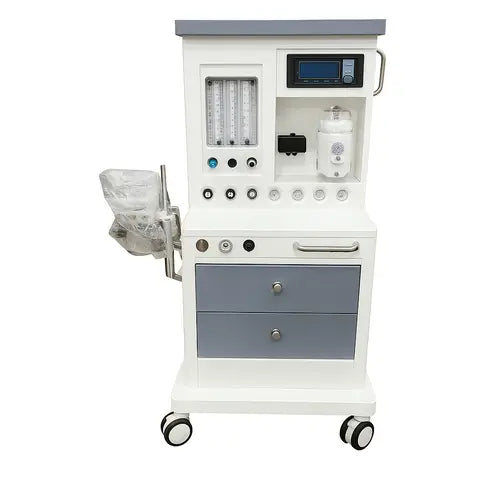
BPL Anesthesia Workstation | Advanced Anesthesia Machine
Type: Operating Room
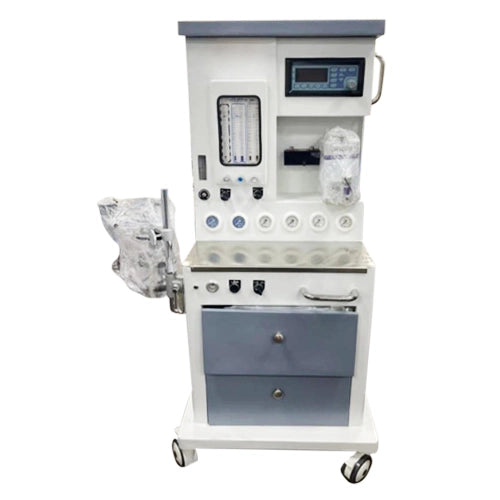
Boyle’s Apparatus Anesthesia Machine MS 2 Cylinder
Type:
Boyle’s Apparatus Anaesthesia Machine SS with 4 Cylinders
Type:
Boyles Apparatus Anesthesia Machine MS 2 Cylinder
Type: Operating Room
Anesthesia Workstation – Advanced & User-Friendly Design
Type: anesthesia
Anesthesia Workstation – Advanced & User-Friendly Design
Type: Operating Room
Anesthesia Workstation & Machine for OT/ICU
Type: Operating Room
Advanced Anesthesia Machine & Workstation for Clinical Use
Collection:
Anesthesia Workstation Guide: Types, Uses, Price & Features
An anesthesia workstation is one of the most critical components in modern surgical and critical care environments. Designed to deliver a precise mixture of gases and anesthetic agents, it ensures patient safety, controlled sedation, and continuous monitoring during medical procedures. With advancements in medical technology, anesthesia machines have evolved into highly integrated systems that combine ventilation, monitoring, and safety mechanisms into a single platform.
Whether used in operating rooms, ICUs, or emergency care setups, an anesthesia machine plays a vital role in maintaining patient stability. Healthcare professionals rely on these devices to administer anesthesia safely while monitoring vital parameters such as oxygen levels, respiratory rate, and gas concentrations.
What is an Anesthesia Workstation?
An anesthesia workstation is an advanced medical system used to deliver controlled anesthesia to patients during surgical procedures. It combines gas delivery systems, ventilators, vaporizers, and monitoring devices into one integrated unit.
The primary function of the workstation is to provide a continuous and precise flow of oxygen, air, and anesthetic gases to ensure patient comfort and safety. Modern systems also include safety alarms, digital displays, and automated controls, making them more reliable and efficient than traditional anesthesia machines.
Key Components of an Anesthesia Machine
1. Gas Supply System
The gas supply system is responsible for delivering oxygen, nitrous oxide, and medical air to the machine. It includes cylinders, pipelines, and pressure regulators that ensure a consistent and safe gas flow.
2. Flow Meters
Flow meters control the rate at which gases are delivered. They allow anesthesiologists to precisely adjust gas flow according to patient requirements.
3. Vaporizers
Vaporizers convert liquid anesthetic agents into vapor form and mix them with gases. This ensures accurate delivery of anesthesia during procedures.
4. Ventilator
The ventilator supports or controls patient breathing during surgery. It ensures proper oxygenation and carbon dioxide removal.
5. Breathing Circuit
This circuit delivers gases to the patient and removes exhaled gases. It plays a crucial role in maintaining effective respiration.
6. Monitoring System
Modern anesthesia workstations include integrated monitors to track oxygen levels, airway pressure, tidal volume, and other vital parameters.
Types of Anesthesia Machines
Different types of anesthesia machines are designed to meet varying clinical requirements. Selection depends on hospital infrastructure, surgical complexity, and patient needs.
| Type | Description | Best Use |
|---|---|---|
| Basic Anesthesia Machine | Simple system with manual controls and limited monitoring | Small clinics |
| Advanced Anesthesia Workstation | Integrated system with ventilator and monitoring | Hospitals & ICUs |
| Portable Anesthesia Machine | Compact and easy to transport | Ambulance & field use |
| High Pressure System Anesthesia Machine | Designed for high-performance gas delivery | Complex surgeries |
Uses of Anesthesia Workstation
- Surgical procedures: Ensures patient sedation and pain management.
- ICU support: Provides controlled ventilation.
- Emergency care: Used in trauma and critical cases.
- Pain management: Helps in controlled anesthesia delivery.
Types of Anesthesia Machines
Anesthesia machines are available in various configurations depending on their technological capabilities, clinical applications, and level of integration. The choice of machine depends on factors such as the type of surgical procedures performed, patient population, and healthcare facility requirements. Below are the main types of anesthesia machines used in modern healthcare settings:
Basic Anesthesia Machines
Basic anesthesia machines are designed for fundamental anesthesia delivery and are commonly used in smaller clinics or settings where surgical procedures are less complex. These machines typically include essential components such as a gas delivery system, flow meters, vaporizers, and a breathing circuit. While they lack advanced automation and monitoring features, they are reliable for routine procedures and cost-effective for primary healthcare setups.
Advanced Anesthesia Workstations
Advanced anesthesia workstations are highly sophisticated systems that integrate ventilation, monitoring, and automated controls into a single platform. These machines are used in major surgeries and high-risk procedures where precision and patient safety are critical. They offer features such as multiple ventilation modes, real-time monitoring of vital parameters, and advanced safety alarms, making them ideal for modern operating rooms and intensive care environments.
Portable Anesthesia Machines
Portable anesthesia machines are compact and lightweight units designed for mobility and flexibility. These machines are particularly useful in emergency medical situations, ambulances, field hospitals, and remote healthcare setups where space and power availability may be limited. Despite their smaller size, modern portable units are capable of delivering efficient anesthesia support for short-duration procedures.
Pediatric Anesthesia Machines
Pediatric anesthesia machines are specifically engineered to meet the unique physiological needs of infants and children. They provide highly precise control over gas flow and ventilation, ensuring safe and effective anesthesia delivery. These machines are equipped with specialized circuits and monitoring systems to accommodate lower tidal volumes and delicate respiratory conditions in pediatric patients.
Integrated Ventilator Anesthesia Systems
Integrated ventilator anesthesia systems combine anesthesia delivery and mechanical ventilation into a single, unified unit. This integration enhances efficiency in operating rooms and critical care settings by reducing the need for separate devices. These systems provide seamless coordination between gas delivery and respiratory support, improving workflow and patient safety during complex procedures.
Understanding the different types of anesthesia machines helps healthcare professionals select the most appropriate system based on clinical requirements, ensuring optimal patient care and operational efficiency.
Anesthesia Machine Price in India
The anesthesia machine price in India varies depending on features, brand, and technology level. From basic units to advanced anesthesia workstations, pricing differs significantly.
| Type | Price Range (₹) |
|---|---|
| Basic Anesthesia Machine | ₹1,50,000 – ₹5,00,000 |
| Advanced Workstation | ₹5,00,000 – ₹25,00,000 |
| High-End ICU Workstation | ₹25,00,000 – ₹50,00,000+ |
Factors influencing price include ventilation modes, safety features, digital integration, and brand reputation.
Comparison: Anesthesia Workstation vs Traditional Machine
| Feature | Traditional Machine | Modern Workstation |
|---|---|---|
| Automation | Manual | Fully automated |
| Monitoring | Limited | Advanced integrated |
| Safety Features | Basic | High-level safety alarms |
| Ease of Use | Moderate | User-friendly interface |
Top 10 Anesthesia Workstations in India
Choosing the right anesthesia workstation depends on performance, reliability, safety features, and ease of operation. Below is a curated list of top anesthesia machines used in hospitals and surgical centers across India.
| Model | Brand | Key Features | Best Use |
|---|---|---|---|
| Avance CS2 | GE Healthcare | Advanced ventilation, touchscreen, digital monitoring | Multi-specialty hospitals |
| Aisys CS2 | GE Healthcare | Closed-loop ventilation, smart automation | ICU & advanced surgery |
| Fabius Plus XL | Dräger | Compact design, reliable ventilation modes | General surgery |
| Primus | Dräger | High precision, safety alarms, durability | Critical care |
| Mindray WATO EX-65 | Mindray | High-end ventilation, large display | Advanced OR |
| Mindray WATO EX-35 | Mindray | Affordable, essential features | Mid-size hospitals |
| Penlon Prima 450 | Penlon | Compact, user-friendly interface | Clinics & small hospitals |
| Penlon Prima 320 | Penlon | Reliable performance, portable design | Daycare centers |
| Comen AX-500 | Comen | Smart monitoring, modern design | Hospitals |
| BPL Aneasthesia Workstation | BPL | Affordable, essential functions | Budget healthcare setups |
Why Choose Anesthesia Machine from Meddeygo.com
Selecting the right anesthesia machine is a critical decision that directly impacts patient safety and surgical outcomes. Healthcare professionals require equipment that delivers precision, reliability, and long-term performance.
Meddeygo.com offers a wide range of anesthesia workstations from trusted global and Indian brands. The platform ensures that hospitals, clinics, and healthcare providers can access high-quality equipment with complete transparency in specifications and pricing.
One of the key advantages of Meddeygo.com is its focus on genuine products and verified suppliers. This ensures that customers receive reliable devices suitable for demanding clinical environments. Additionally, competitive pricing and availability of multiple models allow buyers to choose equipment that fits both their budget and operational requirements.
With expert support, detailed product comparisons, and a commitment to quality healthcare solutions, Meddeygo.com serves as a dependable source for purchasing anesthesia equipment online in India.
Important Features to Look for in Anesthesia Machine
- Ventilation Modes: Multiple modes for different patient conditions.
- Safety Systems: Alarms, oxygen failure protection.
- User Interface: Easy-to-use touchscreen display.
- Portability: Important for emergency setups.
- Gas Delivery Precision: Ensures accurate anesthesia levels.
Frequently Asked Questions (FAQ)
An anesthesia machine is used to deliver controlled anesthesia gases to patients during surgical procedures. It ensures that patients remain unconscious, pain-free, and stable throughout the operation. Modern machines also monitor vital signs and support breathing, making them essential in operating rooms and critical care environments.
The anesthesia machine price in India varies widely depending on features and technology. Basic models start from around ₹1.5 lakh, while advanced anesthesia workstations can cost up to ₹50 lakh or more. Factors such as brand, ventilation modes, monitoring capabilities, and automation influence pricing.
An anesthesia workstation includes several components such as gas supply systems, vaporizers, flow meters, ventilators, breathing circuits, and monitoring devices. These components work together to deliver anesthesia safely while maintaining patient respiration and monitoring vital parameters during surgery.
A high pressure system anesthesia machine is designed to handle high gas pressures efficiently, ensuring consistent delivery of oxygen and anesthetic gases. It is commonly used in complex surgical procedures where precision and reliability are critical.
Advanced anesthesia workstations from brands like GE Healthcare, Dräger, and Mindray are considered the best for hospitals. These machines offer advanced ventilation modes, integrated monitoring, and enhanced safety features, making them suitable for complex surgical environments.
Yes, modern anesthesia workstations can be used in ICU settings as they provide advanced ventilation support and monitoring capabilities. They are especially useful for patients requiring controlled breathing and sedation.
Conclusion
The anesthesia workstation is an indispensable part of modern healthcare infrastructure, playing a crucial role in ensuring patient safety during surgical and critical care procedures. With advancements in technology, these machines have evolved into highly sophisticated systems that offer precise gas delivery, advanced monitoring, and enhanced safety features.
From basic anesthesia machines to high-end workstations, selecting the right equipment depends on clinical requirements, budget, and operational needs. Investing in a reliable anesthesia machine not only improves surgical outcomes but also enhances overall patient care.
As healthcare continues to advance, the demand for efficient and technologically advanced anesthesia equipment will continue to grow, making it essential for healthcare providers to choose trusted solutions that meet modern medical standards.