Filter
35 products
Type: General Instruments
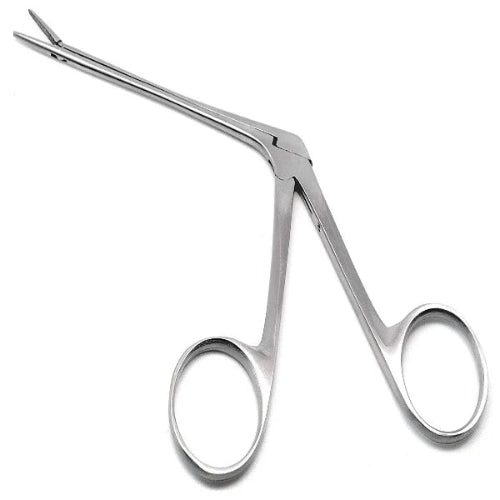
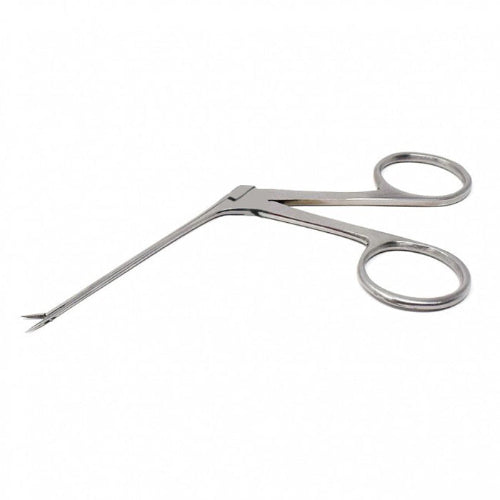
Hartmann Alligator Ear Forceps
Type: Instruments
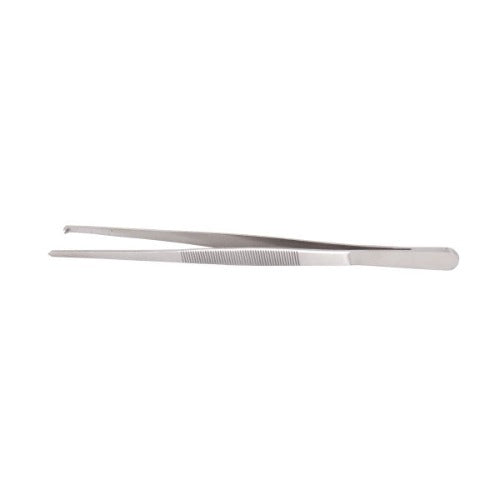
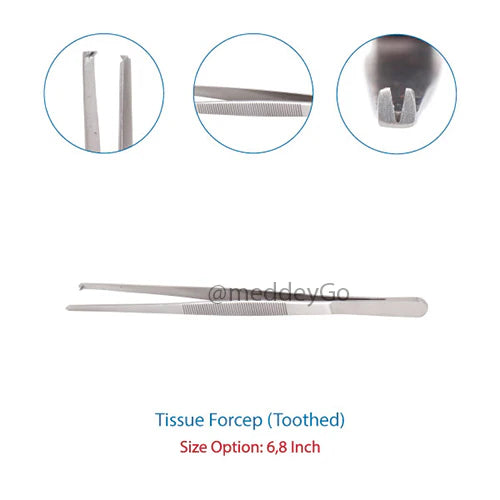
Dissecting Tissue Forceps Toothed
Type: Instruments
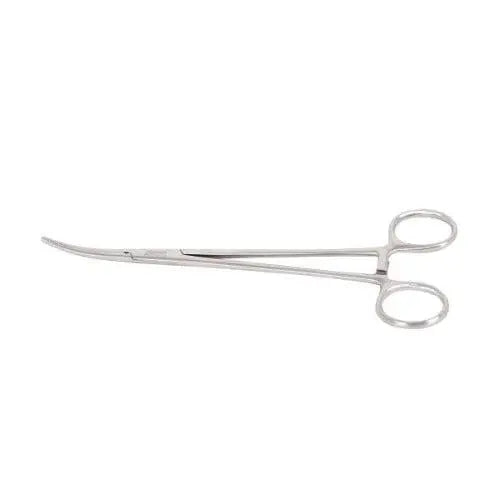
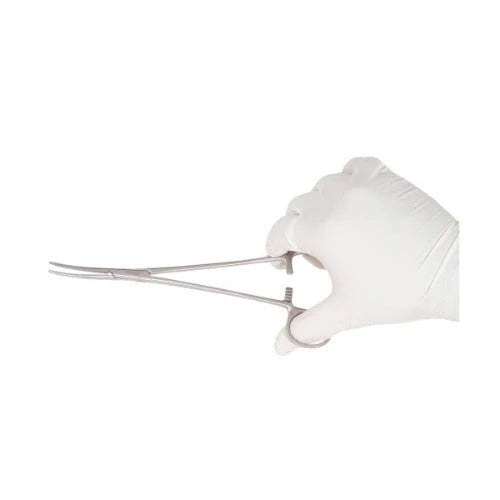
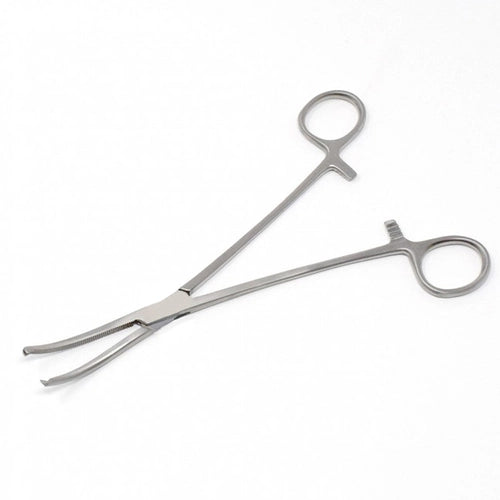
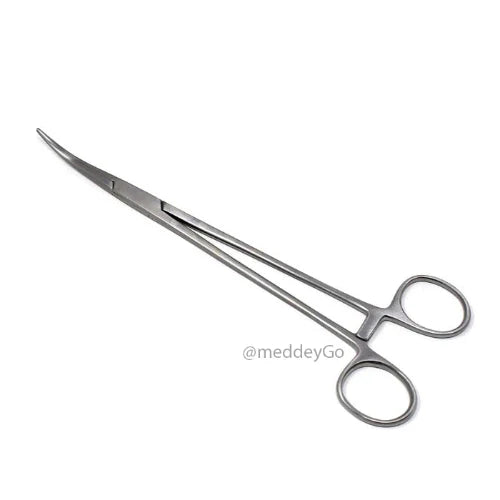
Artery Forceps Curved SS Delux Quality
Type: Instruments
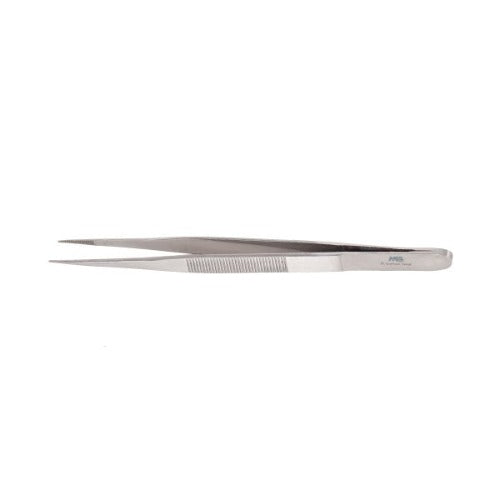
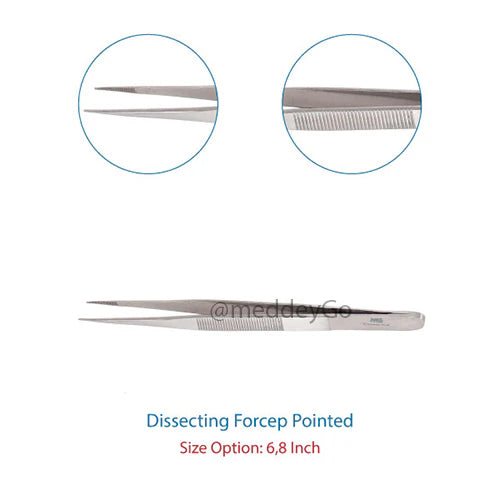
Dissecting Tissue Forceps Plain
Type: General Instruments
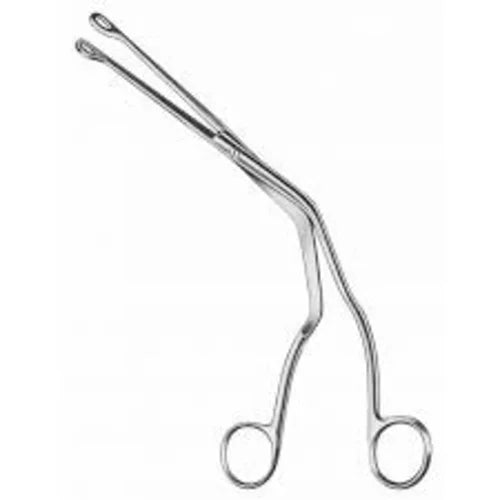
Magill Forceps Stainless Steel Surgical Instrument
Type: Instruments
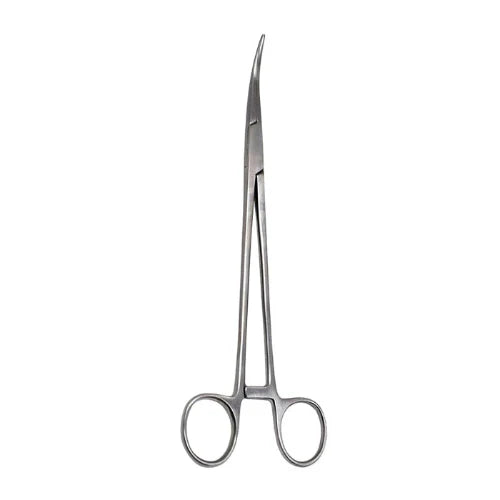
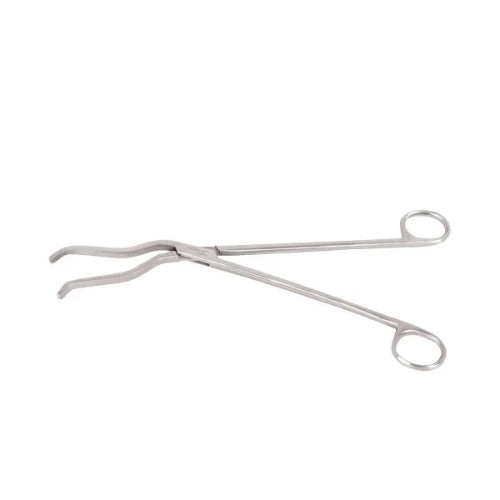
Kochers Forceps Curved
Type: Instruments
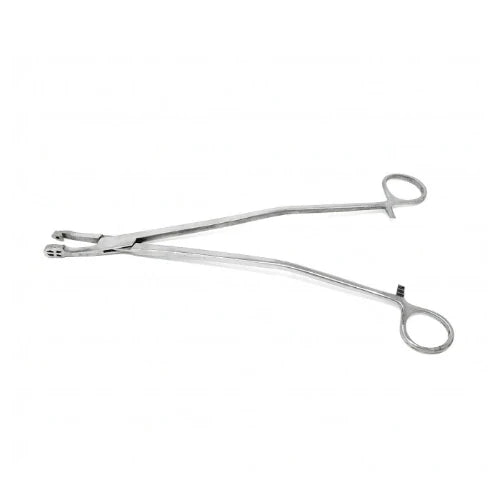
Cervical Punch Biopsy Forceps
Type: Instruments
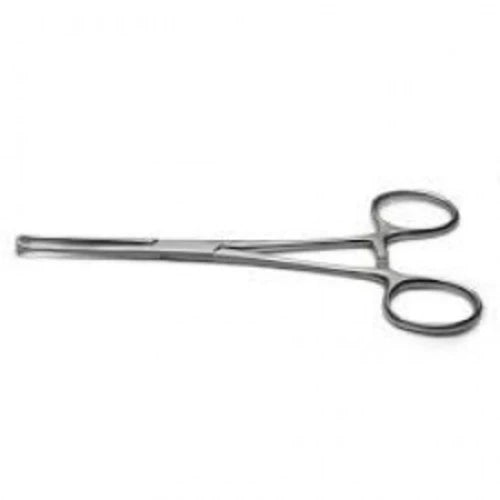
Allis Tissue Forceps Surgical Instrument
Type: Instruments
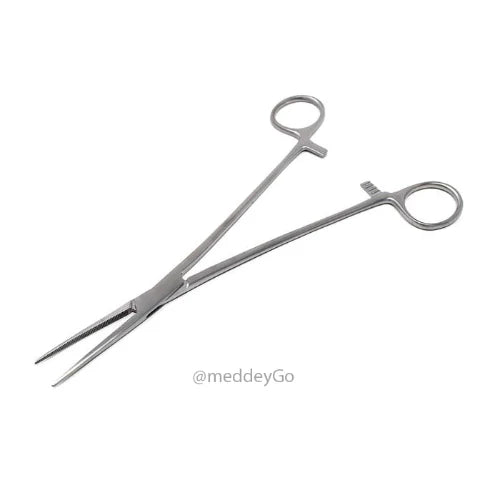
Crile Artery Forceps (Curved)
Type: Instruments
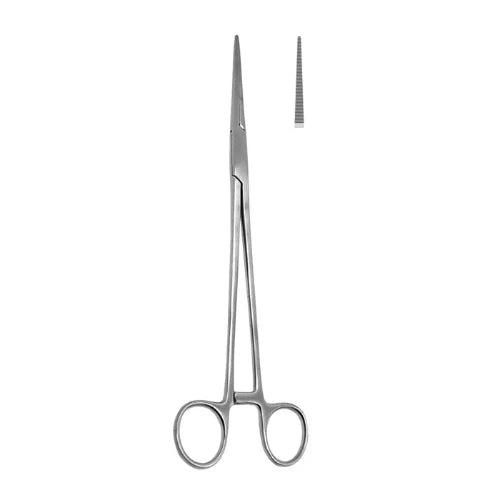
Kochers Forceps Straight
Type: Instruments
Allis Tissue Forceps Straight SS Delux Quality
Type: Instruments
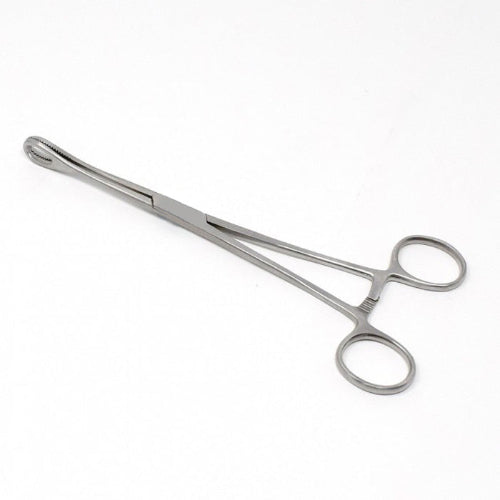
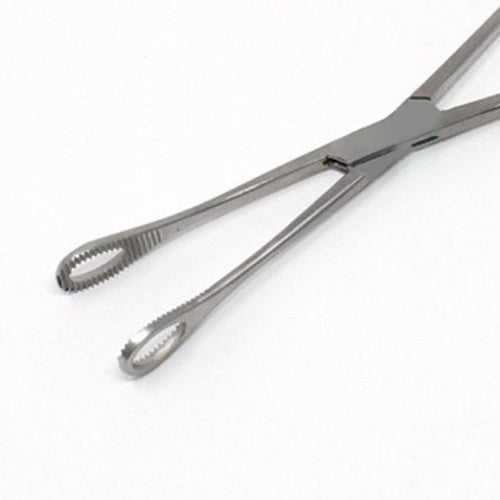
Foerster Sponge Holding Forceps (Straight)
Type: Instruments
Babcock Forcep Surgical Instrument
Type: MeddeyGo
Crocodile Ear Forceps Surgical Instrument
Type: Instruments
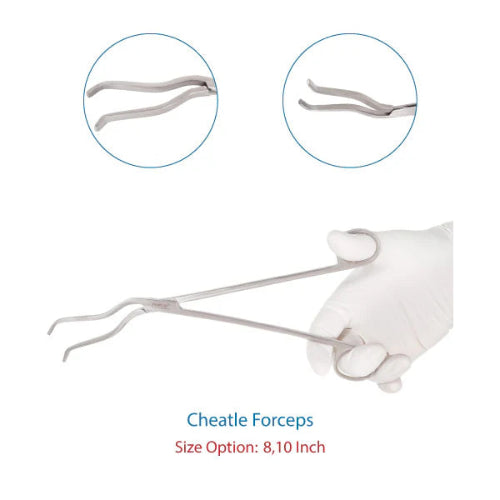
Cheatle Forceps SS Delux Quality
Collection:
Babcock Forceps for Safe Tissue Handling
Babcock Forceps: Clinical Overview and Surgical Importance
Babcock forceps are specialized surgical instruments designed for atraumatic grasping and handling of delicate tissues. Widely used in operating theaters, hospitals, and clinical procedures, these forceps play a critical role in maintaining tissue integrity during surgical manipulation.
Unlike traumatic instruments, the babcock tissue forceps are engineered with a unique fenestrated and rounded jaw design that allows surgeons to securely hold soft, tubular structures without causing crushing injury. This makes them indispensable in procedures involving intestines, fallopian tubes, ureters, and other fragile anatomical structures.
The instrument is particularly valued in laparotomy, gastrointestinal surgery, and gynecological procedures where precision and tissue preservation are essential. Its atraumatic nature significantly reduces post-operative complications such as tissue necrosis or ischemia.
What are Babcock Forceps Used For?
The primary function of babcock forceps is to grasp, hold, and manipulate delicate tissues without causing trauma. These instruments are specifically designed for handling soft, compressible, or tubular structures where excessive pressure can lead to tissue damage.
Common uses include:
- Grasping intestinal loops during abdominal surgery
- Handling fallopian tubes in gynecological procedures
- Holding appendix during appendectomy
- Supporting ureters and ducts
- Assisting in laparotomy procedures
In obstetrics, babcock forceps uses in obstetrics include handling uterine structures and assisting in tubal ligation procedures.
Design and Structural Features of Babcock Forceps
The effectiveness of a babcock clamp lies in its carefully engineered design. Each component is optimized for precision, safety, and ergonomic handling.
| Feature | Description | Clinical Benefit |
|---|---|---|
| Fenestrated Jaws | Open, loop-like design | Prevents tissue crushing |
| Rounded Tips | Smooth, curved edges | Minimizes trauma |
| Ratchet Mechanism | Locking system | Maintains grip without constant pressure |
| Finger Ring Handle | Scissor-like grip | Improves control and precision |
| Stainless Steel Build | Surgical-grade material | Durability and corrosion resistance |
These features collectively ensure that babcock tissue holding forceps provide secure yet gentle handling of tissues during surgical procedures.
Working Mechanism of Babcock Instrument
The working mechanism of a babcock instrument uses principle is based on controlled pressure distribution. The fenestrated jaws distribute force evenly across the tissue surface, reducing localized stress points.
When the ratchet is engaged, the instrument maintains a steady grip without continuous manual pressure. This allows surgeons to focus on procedural precision while ensuring stable tissue handling.
Unlike toothed forceps, which penetrate tissue, babcock forceps rely on surface contact and compression, making them significantly less traumatic.
- Even pressure distribution
- Non-perforating grip
- Stable tissue handling
Technical Specifications of Babcock Forceps
| Specification | Details |
|---|---|
| Material | Surgical-grade stainless steel |
| Length | 6 to 9 inches (varies by use) |
| Tip Type | Rounded, fenestrated |
| Handle | Finger ring with ratchet |
| Type | Non-perforating, atraumatic |
These specifications ensure that babcock tissue forceps meet the demanding requirements of surgical environments, offering both durability and precision.
Key Benefits of Using Babcock Forceps
- Atraumatic tissue handling
- Reduced risk of tissue necrosis
- High precision in delicate surgeries
- Improved surgical efficiency
- Versatility across multiple procedures
The design and functionality of babcock forceps make them an essential tool in modern surgical practice.
What is the Purpose of Babcock Forceps in Surgery?
The primary purpose of babcock forceps is to provide secure yet atraumatic handling of delicate anatomical structures. In surgical practice, maintaining tissue integrity is as critical as achieving procedural accuracy. Babcock forceps are specifically designed to fulfill this requirement by minimizing pressure-induced injury.
Their application is particularly important in procedures involving tubular or compressible tissues such as intestines, ureters, and fallopian tubes. Unlike traumatic clamps, the babcock tissue forceps distribute pressure evenly, preventing localized ischemia or necrosis.
In advanced surgical settings, the purpose extends beyond simple grasping. These forceps assist in:
- Tissue retraction without damage
- Exposure of surgical field
- Stabilization of organs during suturing
- Maintaining anatomical orientation
This makes babcock instrument uses essential in both open and minimally invasive procedures.
Babcock Forceps Uses in Obstetrics and Gynecology
In obstetrics and gynecology, babcock forceps uses in obstetrics are highly specialized and require precision. These instruments are commonly used during procedures involving reproductive organs, where tissue preservation is critical for future functionality.
One of the most common applications is in tubal ligation procedures, where the fallopian tubes must be gently grasped and isolated. The fenestrated jaws of the babcock clamp allow surgeons to securely hold the tube without compromising its structure.
Additional uses include:
- Handling ovarian structures
- Assisting in hysterectomy procedures
- Manipulating uterine tissues
- Supporting pelvic surgeries
The atraumatic design is particularly important in gynecological procedures because excessive force can lead to complications such as bleeding or tissue damage.
Difference Between Allis Forceps and Babcock Forceps
A common clinical question is the difference between Allis and babcock forceps. While both are used for tissue handling, their design and purpose differ significantly.
| Feature | Babcock Forceps | Allis Forceps |
|---|---|---|
| Type | Atraumatic | Traumatic |
| Jaw Design | Rounded, fenestrated | Toothed |
| Use | Delicate tissues | Firm tissues |
| Tissue Damage Risk | Low | High |
| Common Applications | Intestines, tubes | Skin, fascia |
The key difference lies in the level of trauma inflicted. babcock tissue holding forceps are designed for gentle handling, whereas Allis forceps are used when a firm grip is required, even at the cost of tissue damage.
Variants of Babcock Forceps and Their Clinical Use
Different variants of babcock forceps are available to suit specific surgical needs. Selection depends on procedure type, tissue characteristics, and surgeon preference.
| Variant | Length | Use Case |
|---|---|---|
| Standard Babcock | 6–7 inch | General surgery |
| Long Babcock | 8–9 inch | Deep cavity procedures |
| Laparoscopic Babcock | Long shaft | Minimally invasive surgery |
| Pediatric Babcock | Smaller size | Child surgeries |
Each variant is engineered to provide optimal access and control depending on surgical requirements.
Clinical Handling Protocols in OT
Proper handling of babcock forceps in the operating theater is essential to ensure patient safety and optimal outcomes.
Before use, instruments must be sterilized according to hospital protocols. During surgery, the surgeon should apply minimal pressure while ensuring a secure grip.
Key handling principles include:
- Avoid excessive clamping force
- Ensure proper alignment with tissue
- Release tissue gently after use
- Inspect instrument for defects
The ratchet mechanism should be used carefully to prevent over-compression. Proper technique ensures that the babcock clamp performs its function without causing unintended damage.
Advanced Clinical FAQs on Babcock Forceps
Babcock forceps are primarily used for atraumatic handling of delicate tissues, especially those that are soft, tubular, or highly vascular. In modern surgical practice, their role has expanded beyond simple grasping to include tissue stabilization, retraction, and exposure. These forceps are frequently used in gastrointestinal surgeries for holding intestinal loops, in gynecological procedures for manipulating fallopian tubes, and in urological surgeries for handling ureters.
The key advantage lies in their fenestrated design, which distributes pressure evenly and reduces the risk of ischemic injury. This makes them essential in procedures where tissue viability must be preserved. Compared to traumatic instruments, babcock tissue forceps significantly reduce post-operative complications.
A babcock clamp is used for securely holding delicate anatomical structures without causing damage. The clamp is especially useful in surgeries involving hollow organs or ducts. Its non-perforating design ensures that tissues are not punctured or crushed during manipulation.
Clinically, it is used in appendectomy, laparotomy, and gynecological surgeries. Surgeons rely on this instrument to maintain a steady grip while minimizing trauma. The ability to lock the instrument using a ratchet mechanism also allows hands-free operation during critical steps of surgery.
The fundamental difference lies in their design and function. Babcock forceps are atraumatic and used for delicate tissues, whereas Allis forceps are traumatic and designed for tougher tissues like fascia or skin.
Babcock forceps feature rounded, fenestrated jaws that distribute pressure evenly, while Allis forceps have sharp teeth that grip firmly but can damage tissue. This makes Babcock forceps ideal for preserving tissue integrity, whereas Allis forceps are used when a strong grip is required regardless of tissue trauma.
Babcock tissue holding forceps are considered atraumatic because they are specifically designed to minimize tissue injury. The fenestrated jaws create a broader contact surface, reducing pressure concentration on any single point.
Additionally, the rounded edges prevent cutting or piercing of tissue. This design ensures that even when the instrument is locked using the ratchet, the tissue remains unharmed. This is crucial in surgeries involving delicate organs where damage could lead to complications.
Yes, specialized laparoscopic versions of babcock forceps are available. These instruments feature long shafts and are designed for minimally invasive procedures. They allow surgeons to manipulate tissues through small incisions while maintaining precision and control.
The principles of atraumatic handling remain the same, making them suitable for advanced surgical techniques. Their use has become increasingly common in modern operating rooms.
Selection depends on several clinical factors including the type of surgery, depth of the surgical field, and the nature of the tissue being handled. Surgeons must consider instrument length, jaw size, and overall design before choosing the appropriate variant.
For deep abdominal procedures, longer instruments are preferred, while pediatric surgeries require smaller versions. Proper selection ensures optimal performance and patient safety.
How to Choose the Best Babcock Forceps: Clinical Buying Guide
Choosing the right babcock forceps is critical for surgical efficiency and patient safety. Medical professionals must evaluate multiple parameters before procurement.
| Factor | What to Check |
|---|---|
| Material | Surgical-grade stainless steel |
| Size | Match with procedure depth |
| Grip Quality | Smooth ratchet mechanism |
| Finish | Corrosion-resistant surface |
| Brand Reliability | Trusted medical supplier |
Hospitals and clinics should always invest in high-quality instruments to ensure long-term reliability and safety.
Common Mistakes in Using Babcock Forceps (And How to Avoid Them)
Despite their atraumatic design, improper use of babcock forceps can lead to complications.
- Applying excessive pressure
- Using wrong size instrument
- Incorrect tissue selection
- Improper sterilization
To avoid these issues, proper training and adherence to surgical protocols are essential.
Future of Babcock Forceps and Surgical Instrumentation
The future of babcock forceps lies in advanced materials and smart surgical technologies. Innovations include lightweight alloys, improved ergonomic designs, and integration with robotic surgical systems.
As minimally invasive procedures continue to evolve, the demand for precision instruments like babcock tissue forceps will only increase.
Why Choose MeddeyGo?
At MeddeyGo.com, we provide high-quality surgical instruments designed for precision, safety, and durability.
- Hospital-grade quality
- Strict quality control
- Wide range of surgical instruments
- Trusted by professionals
Choose MeddeyGo for reliable and clinically approved solutions.
Conclusion: Clinical Importance of Babcock Forceps
Babcock forceps are an essential component of modern surgical practice. Their atraumatic design, versatility, and precision make them indispensable in handling delicate tissues.
From general surgery to advanced laparoscopic procedures, these instruments ensure safe and effective tissue management. Proper selection, handling, and maintenance are key to maximizing their clinical benefits.