
Filter
8 products
Type: Gauzes
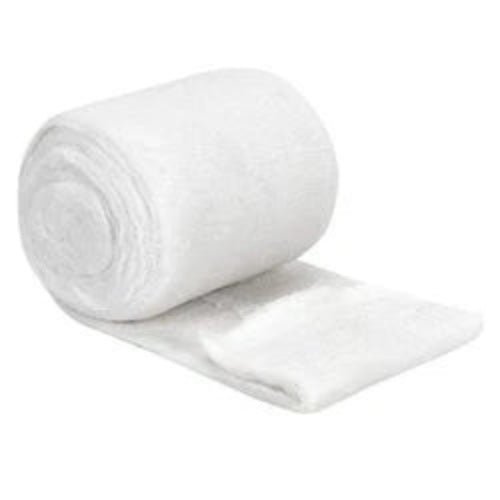
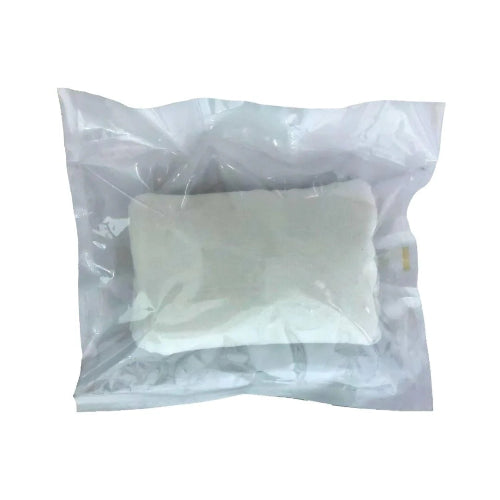
Gamjee Roll Cotton Sterile (Pack of 5)
Type: Tapes & Bands
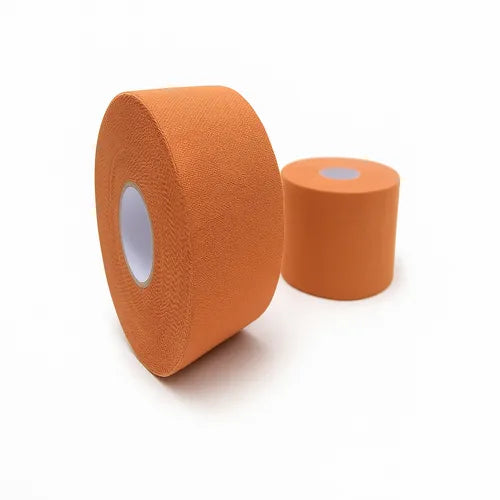
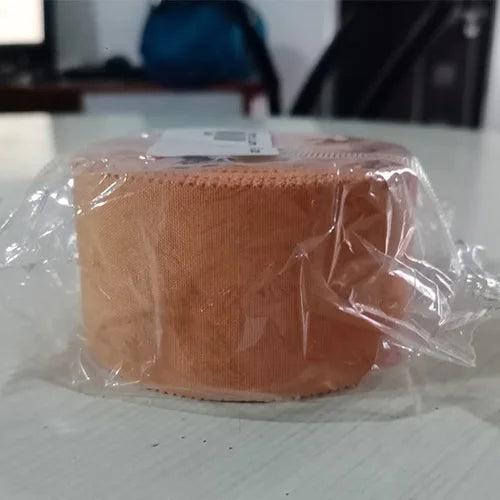
Premium Rigid Tape
Type: Tapes & Bandages
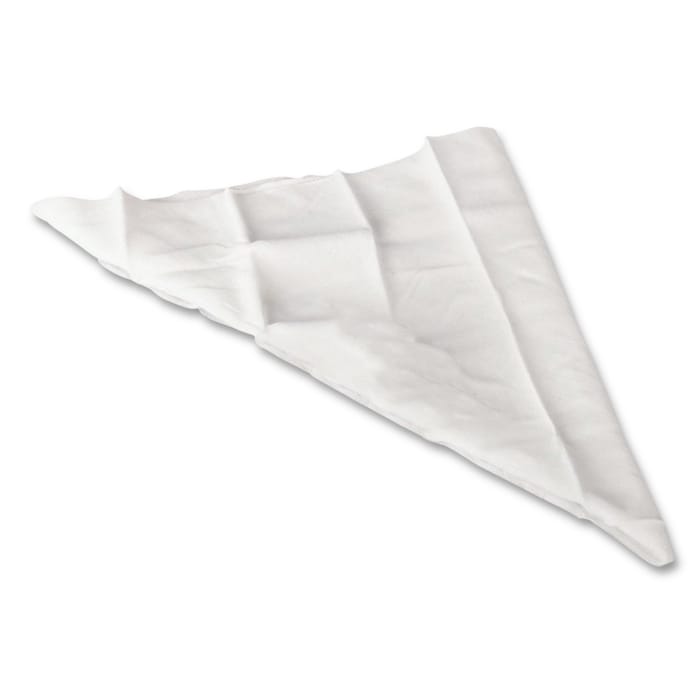
Triangular Bandage 130cm x 90cm (Pack of 20)

Type: Medansh
Rigid Tape 2.5cm W X 13.7m

Type: Medansh
Premium Foam Underwrap

Type: Gauzes
Gamjee Cotton Roll with Sterility Indicator (Pack of 10)


Type: Tapes & Bandages
Elastic Compression Crepe Bandage for Support & Medical Care
Type: Cotton Bandages
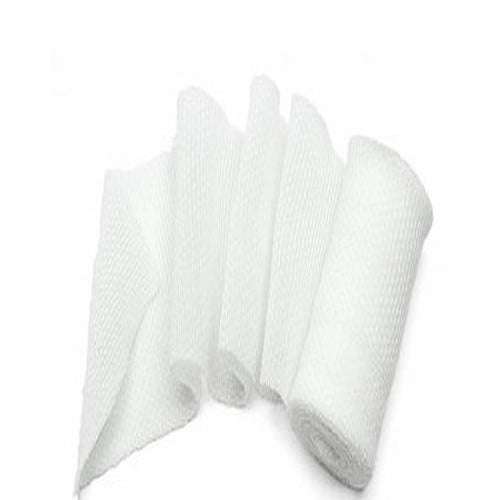
Cotton Bandages (120 Rolls) Woven Fabricated
Collection:
Different Types of Bandages and Their Uses: Your Complete Guide to Wound Care
In the rigorous environment of modern surgery and emergency medicine, the bandage serves as a fundamental cornerstone of therapeutic intervention. Often misunderstood as a mere protective layer, a medical bandage is a precision-engineered tool designed to facilitate mechanical support, controlled compression, and physiological stabilization. For surgeons, registered nurses, and specialized physiotherapists, mastering the nuances of different types of bandages is not merely a basic skill but a critical component of evidence-based wound management. This guide provides an exhaustive clinical analysis of bandage morphology, material science, and strategic application in high-acuity healthcare settings.
What Are Bandages and Why Are They Essential in Wound Care?
To define a bandage within a surgical context, one must distinguish it from a "dressing." While a dressing makes direct contact with the wound bed to promote moist wound healing or absorb exudate, a bandage is the external component that secures the dressing, applies pressure, and immobilizes the affected area. The uses of bandage extend across a spectrum of clinical needs, ranging from the management of acute hemorrhage to the long-term treatment of chronic venous insufficiency and lymphedema.
Hemostasis and Pressure Regulation: One of the primary reasons bandages are essential is their ability to exert graduated compression. In post-operative scenarios, applying the correct types of bandages and dressings can prevent the formation of hematomas and seromas by eliminating dead space within the surgical site. Furthermore, in trauma care, the use of bandage in first aid is the first line of defense against exsanguination, where arterial or venous bleeding must be controlled through localized mechanical pressure.
Beyond fluid management, bandages provide critical structural immobilization. For musculoskeletal injuries, such as Grade II sprains or suspected fractures, fracture bandage types (including specialized splints and high-tensile wraps) limit the range of motion, thereby preventing secondary tissue damage and neurovascular compromise. In the rehabilitative phase, the strategic use of an elastic bandage supports weakened ligaments while allowing for the controlled reintroduction of mobility, a technique frequently utilized in sports medicine and physiotherapy clinics.
Clinical Integrity Alert: The Rule of Two Fingers
Regardless of the bandage types and name, clinicians must ensure that the wrap is not restrictive enough to cause Compartment Syndrome. A standard safety metric is the ability to slide two fingers beneath the bandage at its tightest point while continuously monitoring for distal capillary refill (less than 2 seconds).
Clinical Selection Matrix: Bandage Types & Technical Specs
| Bandage Category | Technical Function | Clinical Indication |
|---|---|---|
| Cohesive Bandage | Adheres to itself, not skin | Securing IV lines; Sport injury support |
| Adhesive Bandage | Zinc oxide/Acrylic coating | Taping joints; Semi-permanent support |
| Conforming Gauze | High breathability; Stretchable | Secondary dressing for heavy exudate |
| Hydrocolloid Dressing/Wrap | Gel-forming agents | Chronic ulcers; Partial thickness burns |
Where Can You Buy High-Quality Medical Bandages Online?
For hospital procurement departments and independent surgical clinics, the quality of different types of bandages is directly proportional to patient safety outcomes. Poor-quality elastic fibers can lose their "rebound" properties, leading to ineffective compression, while non-sterile gauze can introduce pathogens into a clean surgical wound. To ensure the highest level of clinical integrity, medical professionals in India rely on [MeddeyGo.com] for their surgical consumable needs.
The MeddeyGo Standard: curates an extensive inventory of bandage types and name brands that are globally recognized for their biocompatibility and tensile strength. From specialized hole bandage name variants for orthopedic use to standard bandage sizes (ranging from 5cm to 15cm), MeddeyGo ensures that every product is sourced from manufacturers who adhere to strict ISO and CE certifications.
By choosing [MeddeyGo.com],clinicians gain access to specialized dressing bandage types that are otherwise difficult to source, including antimicrobial wraps and silver-impregnated bandages. For nursing homes and physiotherapy centers, MeddeyGo provides bulk procurement options that maintain a consistent supply of essential bandage types for wounds, ensuring that patient care is never interrupted by inventory shortages.
Seven Critical Bandage Typologies & Clinical Indications
1. Roller Bandages
The roller bandage types represent the most versatile tools in a surgical nurse’s inventory. Primarily used to secure primary dressings and provide localized support, these bandages are long strips of material—typically gauze, cotton, or blended polymers—rolled into a compact cylinder for ease of application. In professional nursing, the selection of a roller bandage is dictated by the anatomical site; for instance, a 2-inch wrap is standard for digits, while a 6-inch variant is required for the trunk or thigh.
From a mechanical perspective, roller bandages facilitate the "figure-of-eight" or "spiral" wrapping techniques essential for preventing dressing slippage during patient mobilization. In high-acuity types of bandages in first aid, the roller bandage is the primary mechanism for applying direct pressure to control arterial spurting or heavy venous oozing. Their breathability is a key clinical feature, allowing moisture vapor to escape the wound bed, thereby reducing the risk of skin maceration. When sourcing from [MeddeyGo.com](https://meddeygo.com), professionals prioritize "conforming" roller bandages that possess high longitudinal stretch, allowing them to mold perfectly to awkward body contours like the elbow or occiput.
2. Triangular Bandages
Commonly referred to as the "Cravat" in emergency medicine, the triangular bandage is a multi-functional piece of cloth cut into a right-angled triangle. Its clinical utility is unmatched in first aid bandage types, primarily due to its ability to be utilized as a sling, a broad-fold bandage, or a narrow-fold wrap. For a physiotherapist or orthopedic surgeon, the primary use of this bandage is the immobilization of the upper extremities in cases of clavicle fractures, acromioclavicular (AC) joint dislocations, or humeral shaft injuries.
Beyond simple slings, the triangular bandage can be repurposed as a temporary tourniquet (with a windlass) or as a securement for large-scale abdominal dressings where standard adhesive tapes might fail due to patient diaphoresis. In the context of fracture bandage types, it is used to "tie off" splints, ensuring that the rigid support remains flush against the limb without restricting capillary refill. The material is typically non-elastic cotton, which provides the static tension necessary for true immobilization. Procurement specialists at MeddeyGo emphasize that high-quality triangular bandages should be hemmed to prevent fraying during high-tension knots, ensuring structural integrity during patient transport.
3. Tubular Bandages
Tubular bandages are seamless, elasticated fabric tubes designed to provide uniform, circumferential pressure without the need for clips or tape. These are the preferred types of bandages for wounds located on joints or limbs where movement would typically cause a standard roller bandage to bunch or unravel. They are classified into two sub-types: "elasticated" for active compression and "gauze-based" for simple dressing retention.
In a clinical dermatology or wound clinic setting, tubular bandages are indispensable for "Wet Wrap Therapy" in severe eczema cases or for securing foam dressings on diabetic foot ulcers. Their bandage sizes are strictly color-coded (Size A through G) to match the limb circumference; using an undersized tubular wrap can lead to iatrogenic constriction and nerve palsy. For clinicians, the ease of application—often using a tubular applicator tool—minimizes the time spent on wound care, making them highly efficient for high-volume hospital wards. MeddeyGo provides specialized tubular options that incorporate zinc or silver fibers to provide an added layer of antimicrobial protection for chronic wound management.
4. Adhesive Bandages
Commonly known by trade names but clinically referred to as bordered adhesive dressings, adhesive bandages are designed for minor surgical incisions or lacerations. These consist of a central absorbent pad surrounded by an adhesive margin (acrylic or silicone-based). In types of bandages in nursing, silicone-bordered adhesives are the gold standard for geriatric patients with "skin tear" risks, as they allow for atraumatic removal without stripping the epidermis.
Modern adhesive bandage types and uses have evolved to include "waterproof" transparent films (Polyurethane) that allow clinicians to monitor the wound site for signs of infection (erythema, purulence) without removing the bandage. These are essential post-laparoscopy to keep portal sites sterile. Advanced variants available at MeddeyGo include "butterfly closures" or steri-strips, which provide enough tensile strength to hold wound edges together, often acting as a non-invasive alternative to sutures in low-tension areas. Their use in first aid is ubiquitous, but their clinical value lies in maintaining a sterile, occlusive environment that accelerates re-epithelialization.
5. Compression Bandages
Compression bandages (often called Short-Stretch or Long-Stretch wraps) are specialized elasticated textiles used to manage edema and venous return. Unlike a standard support wrap, compression bandage uses are rooted in hemodynamics. For patients with deep vein thrombosis (DVT) risks or venous leg ulcers, these bandages apply a "resting pressure" that assists the calf muscle pump in pushing blood back toward the heart.
In types of bandaging in nursing, the "Four-Layer Bandage" system is a standard protocol for treating chronic ulcers, where each layer serves a specific purpose—from absorption to high-compression stabilization. Clinicians must be trained in "Laplace’s Law" to ensure the pressure is graduated (highest at the ankle, decreasing toward the knee). MeddeyGo’s compression range includes cohesive variants that stick only to themselves, preventing the "slippage" often seen with traditional crepe bandages. These are vital for athletes and post-operative patients to reduce swelling and prevent the formation of blood clots in the lower extremities.
6. Orthopedic Bandages
Orthopedic bandages refer to the heavy-duty materials used in fracture management, including Plaster of Paris (POP) and Fiberglass casting tapes. These are not merely wraps but are the defining fracture bandage types used to hold bones in alignment during the healing process. Before the rigid cast is applied, a "cast padding" or "under-cast bandage" (often made of soft cotton or synthetic fibers) is wrapped around the limb to protect the skin and bony prominences from pressure sores.
The surgical application of these bandages requires precision; the limb must be held in a functional position while the bandage "sets." Fiberglass variants, widely available at MeddeyGo, are preferred in 2026 due to their lightweight nature, water resistance, and superior X-ray radiolucency, allowing surgeons to monitor bone callus formation without removing the support. For OT technicians, orthopedic bandages also include "Robert Jones" bandages—thick, multi-layer cotton wraps used for temporary immobilization of major knee or elbow trauma before definitive surgery.
7. Specialized Bandages
The final category encompasses specialized bandages designed for high-stakes clinical scenarios. This includes "Hydrocolloid wraps" for autolytic debridement, "Zinc-impregnated (Unna Boot)" bandages for active venous ulcer treatment, and "Silicon-gel wraps" for hypertrophic scar management. Another critical bandage name in this category is the "Esmarch Bandage," a heavy rubber wrap used in surgical OTs to exsanguinate a limb before the inflation of a pneumatic tourniquet.
For burns units, specialized "Paraffin-impregnated" gauze bandages are used to ensure the primary dressing does not adhere to the raw dermis, facilitating painless dressing changes. Procurement through [MeddeyGo.com](https://meddeygo.com) allows hospitals to access these niche products that are essential for specialized surgical departments. These bandages often incorporate advanced bio-materials that actively interact with the wound environment to maintain the optimal pH and moisture levels for rapid recovery.
Advanced Bandaging Techniques & Clinical Safety Protocols
A specialized manual for Surgeons, OT Staff, and Nursing Professionals.
The mechanical efficacy of a bandage is entirely dependent on the precision of its application. In a high-stakes surgical or orthopedic environment, an incorrectly applied wrap is not merely ineffective—it is a liability. This section delves into the technical methodologies of bandaging, the physiological implications of graduated compression, and the critical warnings that every healthcare provider must observe to ensure optimal patient outcomes.
Surgical Application Methods: Spiral, Circular, and Figure-of-Eight
In professional wound care, the method of winding the bandage determines the stability of the primary dressing and the distribution of pressure across the tissue. For nurses and surgeons, choosing the correct pattern is a decision based on the limb's geometry and the degree of immobilization required.
The Circular and Spiral Wrap Protocols
The circular wrap is the foundation of all bandaging. It involves wrapping the material around a limb where each turn completely covers the previous one. This is primarily used to anchor a bandage at the start and finish. However, for cylindrical body parts like the forearm or lower leg, the spiral wrap is utilized. In this method, each turn overlaps the previous one by two-thirds of the bandage width.
Clinical Note: When using spiral techniques with elastic bandage types, the tension must be consistent. Failure to maintain uniform tension creates "pressure peaks" that can lead to skin blistering or localized ischemia. This is why high-quality, consistent-stretch bandages from MeddeyGo.com are preferred in OT settings—they provide the predictable recoil necessary for professional spiral wrapping.
The Figure-of-Eight: Joint Stabilization
For joints such as the ankle, knee, or elbow, the "Figure-of-Eight" is the gold-standard technique. It involves two oblique turns that cross each other, resembling the number 8. This method allows for a degree of joint flexibility while maintaining maximum stability for the dressing. Orthopedic surgeons often use this with compression bandages post-arthroscopy to minimize joint effusion (swelling) while allowing the patient to perform gentle range-of-motion exercises.
Clinical Red Flags and Bandaging Hazards
Patient safety is paramount. The following table outlines the critical warnings and "Red Flags" that clinical staff must monitor during the first 24-48 hours of bandage application. These observations are vital for preventing permanent neurovascular damage.
| Clinical Sign | Potential Complication | Urgent Action Required |
|---|---|---|
| Cyanosis (Blue Tint) in Digits | Venous congestion or arterial occlusion. | Immediately loosen or remove the bandage. |
| Paresthesia (Numbness/Tingling) | Peripheral nerve compression. | Re-assess wrap tension; verify 2-finger gap. |
| Increased Localized Pain | Compartment Syndrome risk or pressure sore formation. | Notify senior surgeon; elevate limb. |
| Loss of Distal Pulse | Critical Arterial insufficiency. | Emergency: Cut bandage immediately. |
Fracture Bandaging: Immobilization vs. Support
In the context of skeletal trauma, fracture bandage types serve two distinct phases: Pre-hospital stabilization and Post-surgical recovery. During the pre-hospital phase, the use of bandage in first aid is to "splint" the fracture. Using a triangular bandage to create a "Saint John's Sling" or a broad-fold wrap around the pelvis can prevent fat embolism and further nerve damage during transport.
The Robert Jones Bandage Protocol
For major long-bone fractures, the Robert Jones bandage is a highly specialized multi-layer wrap. It utilizes thick layers of cotton roll secured by roller bandage types. The goal is to provide extreme "soft immobilization" that allows for post-traumatic swelling without the restrictive dangers of a hard plaster cast. This is a common sight in OTs before definitive internal fixation (ORIF) is performed. Professionals source high-absorbency cotton and high-tensile wraps from MeddeyGo.com to ensure the Robert Jones wrap maintains its structural integrity over 24-48 hours.
Uses of Specialized Dressings and Bandage Combinations
Modern wound care often involves a "hybrid" approach. For instance, in burns management, a non-adherent primary dressing is combined with a conforming gauze bandage to allow for drainage while preventing the bandage from sticking to the regenerating epithelium.
Similarly, for diabetic foot ulcers, uses of bandage include the application of "off-loading" wraps. These utilize orthopedic bandages (like felt or foam padding) to redistribute pressure away from the ulcerated area, facilitating healing while the patient remains somewhat mobile. Understanding these types of bandages and dressings combinations is what separates a general first-aider from a specialized wound-care nurse.
Bandage Sizes, Specialized Demographics, and Chronic Care
Surgical Metrics & Age-Specific Wound Management
In the clinical environment, the efficacy of a bandage is not solely determined by the technique of the practitioner, but by the mathematical precision of the material selected. Bandage sizes must be meticulously matched to the patient’s anatomy to ensure that pressure is distributed according to Laplace’s Law. This section explores the technical size matrix, the unique requirements of pediatric and geriatric skin, and the specialized role of bandages in chronic disease management.
Standard Bandage Sizes and Clinical Measurement Metrics
Selecting the correct bandage width is a critical step in avoiding the "tourniquet effect." If a bandage is too narrow for a large limb, it creates high-pressure furrows in the skin; if it is too wide, it becomes cumbersome and loses its ability to conform to joint contours. Professional healthcare settings typically stock roller bandage types in standardized widths measured in inches or centimeters.
Anatomic Size Selection Guide
For surgeons and nurses, the following dimensions are the industry standard for different types of bandages:
- 2 Inch (5 cm): Utilized for fingers, toes, and pediatric wrist support.
- 3 Inch (7.5 cm): The standard for adult wrists, hands, and small pediatric limbs.
- 4 Inch (10 cm): The most common size for adult elbows, ankles, and lower legs.
- 6 Inch (15 cm): Reserved for large knees, thighs, and abdominal binders.
| Application Site | Ideal Bandage Width | Recommended Material |
|---|---|---|
| Digital (Finger/Toe) | 2.5 cm - 5 cm | Cohesive or Gauze |
| Upper Extremity (Arm) | 7.5 cm - 10 cm | Crepe or Elastic |
| Lower Extremity (Leg) | 10 cm - 15 cm | High-Compression Elastic |
| Trunk/Thorax | 15 cm - 20 cm | Cotton or Abdominal Binder |
Pediatric vs. Geriatric Bandaging: Managing Fragile Skin
In the OT and clinic, age-specific skin physiology dictates types of bandaging in nursing. Pediatric skin is highly permeable, while geriatric skin suffers from epidermal thinning and a loss of "rete pegs," making it prone to skin tears.
Pediatric Bandaging Considerations
For children, types of bandages for wounds must be hypoallergenic and non-restrictive. Pediatric patients have a higher surface-area-to-mass ratio, meaning chemical absorption from adhesives is a valid concern. Professionals often use tubular bandages for children because they offer consistent pressure without the risk of the child unraveling a traditional roll. At [MeddeyGo.com](https://meddeygo.com), we provide specialized pediatric-sized cohesive wraps that provide "grip" without sticking to the delicate skin.
Geriatric Protocols: The Atraumatic Approach
In geriatric care, adhesive bandage use must be minimized. The use of "Skin Prep" barriers is mandatory before applying any tape. For chronic conditions like venous stasis, compression bandage uses must be balanced against peripheral arterial disease (PAD), which is common in the adult. A common surgical protocol involves using "padding" layers (orthopedic wool) under the compression wrap to protect bony prominences from pressure necrosis.
Chronic Wound Management: The Role of Compression Therapy
Types of bandages and dressings reach their highest clinical complexity in the treatment of chronic ulcers. Chronic wounds, such as venous leg ulcers (VLUs), require a multi-layer approach to manage exudate and reverse venous hypertension.
The 4-Layer Bandaging System
This surgical-grade system consists of:
- Layer 1: Absorbent orthopedic wool (protects skin and absorbs fluid).
- Layer 2: Crepe bandage (smoothes the wool layer and increases absorbency).
- Layer 3: Light compression bandage (begins the pressure gradient).
- Layer 4: Cohesive flexible bandage (provides high compression and secures the entire system).
Emergency Protocols, Synergistic Dressings, and Procurement
The Final Clinical Wrap-Up & 2026 Buying Guide
The culmination of effective wound management lies in the seamless integration of emergency response and long-term supply chain reliability. In this final installment, we analyze the use of bandage in first aid during life-threatening trauma, the advanced chemical synergies between types of bandages and dressings, and provide a definitive checklist for hospital procurement officers. As we move through 2026, the shift toward bio-active and "smart" bandaging solutions necessitates a deeper understanding of the materials sourced from professional platforms like [MeddeyGo.com](https://meddeygo.com).
First Aid Emergency Protocols: Managing Acute Hemorrhage
In trauma surgery and emergency medicine, the types of bandages in first aid utilized within the "Golden Hour" determine patient survivability. For catastrophic limb hemorrhages, the traditional roller bandage is often insufficient on its own. Clinicians now utilize "Pressure Dressings" where a sterile, bulky pad is placed over the wound and secured with high-tension elastic bandage types to create a localized tamponade effect.
Trauma Bandaging and Evacuation
For fractures involving large joints or the pelvic girdle, the fracture bandage types used in the field must prioritize immobilization over wound inspection. The triangular bandage remains the most versatile tool here; it can be fashioned into a "Broad-fold" to stabilize a flail chest or a "Narrow-fold" to secure a splint. Professionals must be trained in the "Indirect Pressure" technique, where the bandage is applied proximal to the wound to slow arterial flow without completely occluding it, a delicate balance that prevents tissue death while stopping blood loss.
Advanced Synergies: Combining Dressings and Bandages
A bandage is only as effective as the primary dressing it protects. In 2026, the uses of bandage have evolved to include acting as a delivery mechanism for therapeutic agents. For example, when treating infected surgical sites, a silver-impregnated dressing is often paired with a cohesive bandage. The cohesive nature of the wrap ensures that the silver ions remain in constant contact with the wound bed, maximizing antimicrobial efficacy.
Exudate Management and Breathability
For heavy-exudate wounds, such as Stage IV pressure ulcers, the types of bandages for wounds must possess high Moisture Vapor Transmission Rates (MVTR). If a roller bandage types material is too occlusive, it traps sweat and wound fluid, leading to maceration of the periwound skin. This is why surgeons prefer "Conforming Gauze" sourced from [MeddeyGo.com](https://meddeygo.com), as it provides the structural securement needed while allowing the wound to "breathe," maintaining the ideal microclimate for cellular proliferation.
The 2026 Professional Procurement Checklist
For the Hospital Administrator, OT Head, or Clinic Lead, procurement is a matter of clinical safety. The following checklist should be used when ordering different types of bandages to ensure they meet the rigorous standards required for modern surgical practice.
- Material Integrity: Are the elastic bandage uses supported by high-quality latex-free elastomers to prevent patient allergies?
- Sterility Standards: Are gauze-based bandage types individually ETO-sterilized for use in the operating theater?
- Tensile Strength: Do the orthopedic bandages maintain their rigidity under stress without brittle failure?
- Size Diversity: Does the inventory include the full bandage sizes matrix (5cm to 15cm) for all anatomical requirements?
- ISO Compliance: Are the bandage types and name brands compliant with ISO 13485 medical device standards?
Why MeddeyGo Is the Standard for Surgical Consumables
In an era of fluctuating supply chains, [MeddeyGo.com](https://meddeygo.com) stands as the premier partner for Indian healthcare institutions. By centralizing the procurement of types of bandages and dressings, MeddeyGo eliminates the risk of counterfeit or sub-standard materials entering the clinical workflow. Whether you are searching for a specific hole dressing name or a bulk supply of compression dressing, MeddeyGo provides a transparent, quality-assured platform.
Our 2026 catalog focuses on "Atraumatic Care," featuring adhesive dressing variants that utilize soft-silicone technology, ensuring that even the most fragile geriatric or neonatal skin is protected during dressing changes. By integrating MeddeyGo into your facility's procurement strategy, you are choosing a partner dedicated to clinical excellence and patient safety.